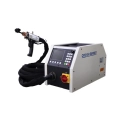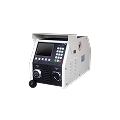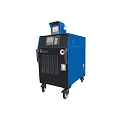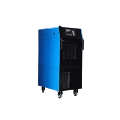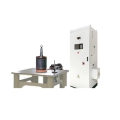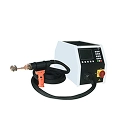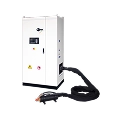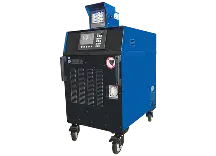





Learn what a magnetic induction heater tool is, its key features, industrial benefits, common applications, and how it compares to traditional heating methods. Discover tips for selecting and maintaining the right induction heating tool for improved efficiency and performance.
What Is a Magnetic Induction Heater Tool?
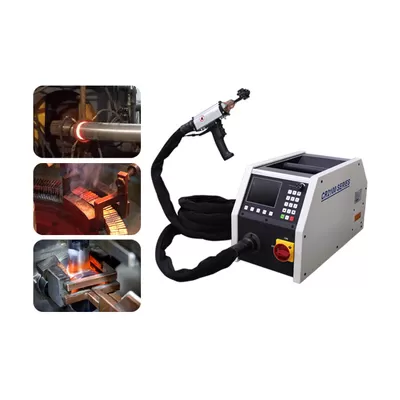
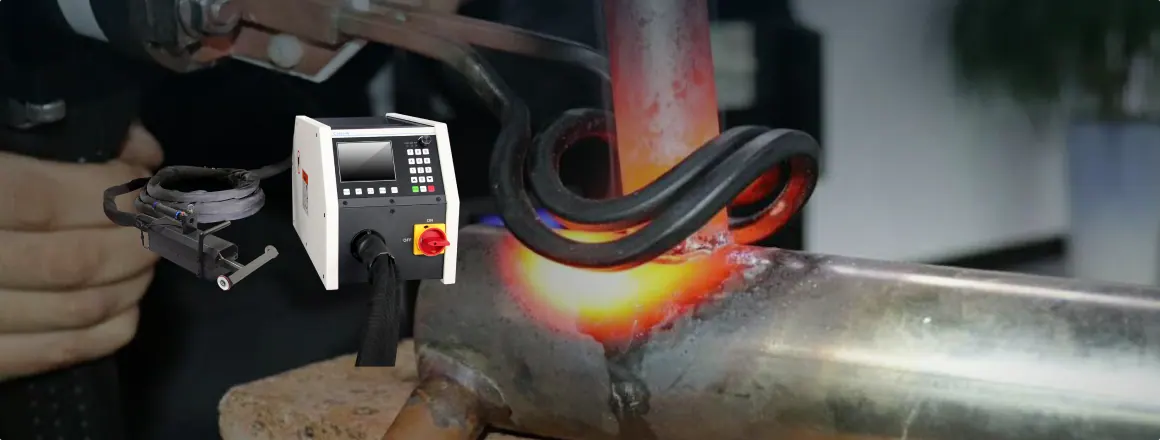
A magnetic induction heating tool is a device that uses the principle of electromagnetic induction to rapidly heat metal workpieces. It generates an alternating magnetic field using high-frequency alternating current, inducing eddy currents within the metal and converting them into heat energy, thus achieving highly efficient heating.
Unlike traditional heating equipment that relies on external heat sources, magnetic induction heating technology generates heat directly within the metal, resulting in higher heating efficiency and more precise heating control. In recent years, with the increasing demands for heating efficiency in industrial maintenance and manufacturing sectors, magnetic induction heating tools have become one of the important pieces of equipment in modern industrial heating.
Working Principle of Magnetic Induction Heating Tools
Magnetic induction heating technology is based on Faraday’s law of electromagnetic induction.
When a high-frequency current passes through an induction coil, a rapidly changing magnetic field is formed around it. When a conductive metal enters this magnetic field, an induced current (eddy current) is generated within the metal. Due to the inherent resistance of the metal, the eddy currents generate heat during their flow, causing the workpiece to heat up rapidly. For ferromagnetic materials such as steel, additional hysteresis losses are also generated, further improving heating efficiency.
This heating method eliminates the need for heat to be gradually conducted from the outside to the inside; instead, it generates heat directly within the metal, resulting in faster and more uniform heating.
What are the components of a magnetic induction heating system?
A complete magnetic induction heating system typically consists of the following core components:
- High-frequency power supply system
- Induction coil
- Control system
- Cooling system
- Safety protection system
The high-frequency power supply generates high-frequency alternating current; the induction coil establishes an alternating magnetic field; the control system adjusts the output power and heating parameters; and the cooling system helps maintain stable operation. These components work together to achieve a highly efficient induction heating process.
Which metal materials are suitable for induction heating?
Magnetic induction heating is primarily suitable for metal materials with electrical conductivity.
Common materials include:
- Carbon steel
- Alloy steel
- Stainless steel
- Cast iron
- Copper
- Aluminum
- Brass
Ferromagnetic materials such as steel generally have higher heating efficiency, while non-ferrous metals such as copper and aluminum can also be induction heated, although the required power and heating time may differ.
Key Features of Magnetic Induction Heater Tools
After understanding the working principle of magnetic induction heating tools, further understanding their core characteristics helps to comprehend why this heating technology can meet the requirements of modern industry for heating precision, ease of operation, and equipment reliability.
Magnetic induction heating tools achieve heating through high-frequency electromagnetic induction technology. Their design not only focuses on heating effect but also considers equipment control, adaptability, and operational stability. The following are some key characteristics typically possessed by magnetic induction heating tools:
High-Speed Heating Capability
Magnetic induction heating tools can directly act on metal workpieces through a high-frequency alternating magnetic field, generating the required heat in a short time. Because the heat is formed directly inside the workpiece, the target temperature can be reached quickly, reducing the time consumption of traditional heat conduction processes. This rapid response characteristic allows the equipment to meet heating needs under different working conditions.
Precise Localized Heating
Magnetic induction heating tools can concentrate the magnetic field on a designated area through an induction coil, achieving targeted heating of the target area. Operators can select the appropriate coil shape according to the workpiece structure and heating location, thereby controlling the heat within the area to be treated, improving heating precision and temperature consistency.
Non-Contact Heating Method
During induction heating, energy transfer can be completed without direct contact between the coil and the workpiece. This non-contact working mode reduces mechanical wear and avoids surface damage caused by direct contact, enabling the equipment to adapt to the heating needs of complex structures and specially shaped workpieces.
Adjustable Power Output
Modern magnetic induction heating equipment is typically equipped with power adjustment functions, allowing users to set appropriate output parameters according to material type, workpiece size, and heating requirements. This adjustability helps users achieve more stable heating results while improving the equipment’s adaptability to different application needs.
Digital Control System
Many industrial-grade magnetic induction heating tools employ digital control technology to manage heating time, output power, and operating status in real time. Digital control not only improves operational accuracy but also helps users monitor equipment operation more easily, resulting in a more stable heating process.
Stable Continuous Operation Capability
Industrial-grade magnetic induction heating tools are typically equipped with comprehensive heat dissipation and protection systems to ensure stable operation during extended periods. Through the coordinated operation of temperature monitoring, current protection, and cooling systems, the equipment maintains stable output, providing reliable support for continuous heating operations.
Industrial Benefits of Using Induction Heater Tools
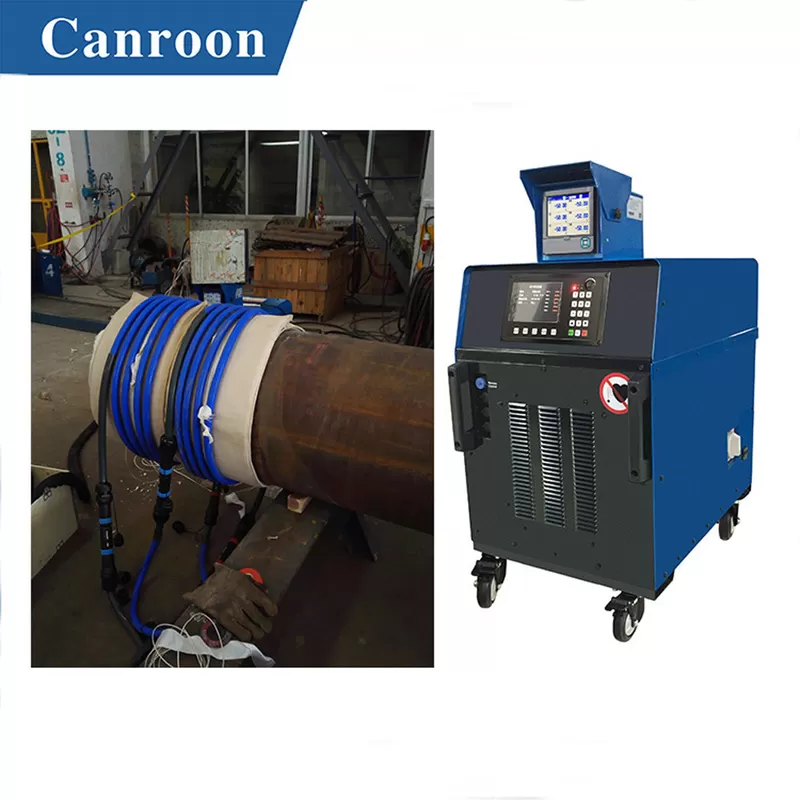
After understanding the core characteristics of magnetic induction heating tools, companies are often more concerned with the following question: What value can these technical features bring to actual production and equipment maintenance?
For manufacturing, equipment maintenance, automotive repair, energy, and heavy industry companies, heating equipment not only affects operational efficiency but also directly relates to operating costs, equipment reliability, and production continuity. Magnetic induction heating tools, with their unique heating method, are helping more and more companies optimize maintenance processes and improve overall operational efficiency.
Improving Equipment Maintenance Efficiency
In industrial maintenance, many equipment failures involve tasks such as fastener disassembly, component installation, or handling of metal connectors.
Magnetic induction heating tools can quickly heat the target workpiece to the required temperature, helping maintenance personnel complete repair tasks more efficiently, thereby reducing equipment downtime. For large equipment requiring regular maintenance, higher maintenance efficiency means production can return to normal operation faster.
Reducing Enterprise Operating Costs
Equipment maintenance and downtime often incur additional costs, including labor costs, production losses, and maintenance resource investment.
By improving heating and maintenance efficiency, magnetic induction heating tools can help companies reduce maintenance time and resource consumption, thereby reducing overall operating costs. For companies that require long-term equipment maintenance, the cost savings resulting from this efficiency improvement are particularly significant.
Improving Operational Safety Management
Safety management in industrial environments is always a crucial concern for businesses.
Magnetic induction heating tools help companies establish more standardized and controllable heating processes, reducing potential risks caused by high-temperature operations and thus improving overall safety management. This advantage is significant for manufacturing plants, energy facilities, and industrial workshops with stringent safety standards.
Reducing Equipment and Component Wear and Tear
Equipment maintenance not only addresses immediate problems but also minimizes the impact on the equipment itself.
Magnetic induction heating tools help maintenance personnel handle target components more precisely, reducing unnecessary repair damage and protecting the structural integrity of the equipment. In the long term, this helps reduce the frequency of component replacement and extends the overall lifespan of the equipment.
Improving Production Continuity
In modern industrial production, equipment downtime directly impacts production planning and delivery efficiency.
By improving maintenance efficiency and repair response speed, magnetic induction heating tools help companies shorten troubleshooting cycles and reduce the impact of unplanned downtime. For companies with continuous production operations, maintaining stable equipment operation effectively improves overall production efficiency and resource utilization.
Supporting Standardized Maintenance Processes
With the development of industrial digitalization and lean manufacturing concepts, more and more companies are establishing standardized maintenance systems.
Magnetic induction heating tools help technicians complete heating operations according to standardized operating procedures, improving the consistency and repeatability of the maintenance process. This standardization capability helps improve maintenance quality and reduce outcome fluctuations caused by operational differences.
Enhancing Long-Term Return on Investment
For companies, equipment procurement focuses not only on initial investment but also on long-term value. Magnetic induction heating tools can continuously create value during long-term operation by improving maintenance efficiency, reducing downtime losses, minimizing equipment wear and tear, and optimizing resource utilization.
Therefore, more and more companies are viewing it as an important investment for improving production efficiency and equipment management.
Induction Heater Tool vs Traditional Heating Method
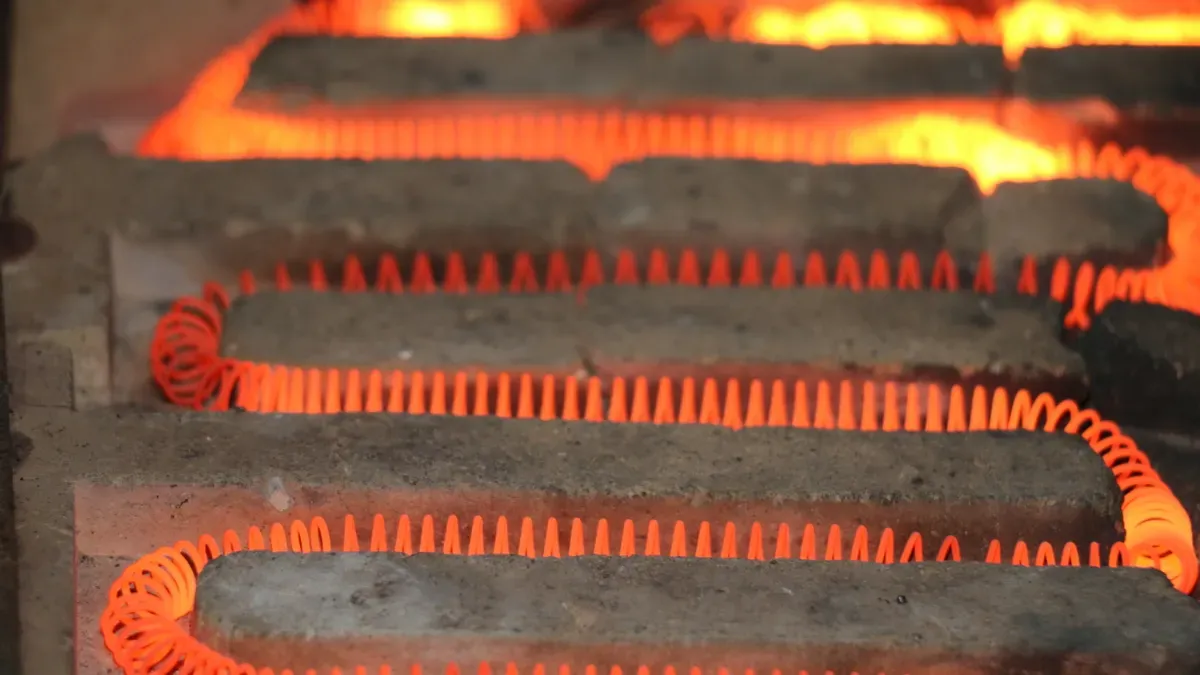
After understanding the main characteristics of magnetic induction heating tools and their industrial value, many users still have one question in mind: what are the differences between magnetic induction heating technology and traditional heating methods?
In fact, different heating technologies each have their own characteristics. Traditional flame heating and resistance heating have been used in the industrial field for many years, while magnetic induction heating represents a more modern heating solution. By comparing heating principles, heating efficiency, temperature control capabilities, and operating characteristics, the differences between various technologies can be more clearly understood.
Induction Heater Tool vs Traditional Heating Method
| Feature | Magnetic Induction Heating Tool | Flame Heating | Resistance Heating |
| Heating Method | Generates heat through electromagnetic induction | Generates heat through fuel combustion | Generates heat through electrical resistance elements |
| Heating Speed | Fast | Moderate | Relatively Slow |
| Heat Application Area | Precise and localized heating | Broad heat distribution | Contact-area heating |
| Temperature Control | High precision | Limited precision | Good precision |
| Energy Efficiency | High | Low | Moderate |
| Automation Compatibility | Excellent | Limited | Good |
| Maintenance Requirements | Low | Moderate | Moderate |
| Environmental Impact | Minimal emissions | Produces combustion gases and emissions | Low environmental impact |
Overall, the biggest advantage of magnetic induction heating technology lies in its ability to directly apply energy to the target workpiece, resulting in a more efficient and precise heating process.
Differences in Heating Efficiency
Heating efficiency is a crucial indicator of the performance of industrial heating equipment.
Traditional flame heating requires generating a heat source first, then transferring heat to the workpiece through heat conduction and radiation; therefore, some heat is lost to the surrounding environment. Magnetic induction heating tools, on the other hand, generate heat directly within the metal using an electromagnetic field, reducing intermediate heat transfer steps. Therefore, under the same operating conditions, the target workpiece typically reaches the required temperature much faster.
This efficiency difference makes induction heating technology highly competitive in industrial environments requiring rapid response.
Differences in Temperature Control Capability
Temperature control accuracy directly affects heating quality and process stability.
Traditional flame heating relies heavily on operator experience to control heat input, making temperature uniformity susceptible to external environmental and human factors. In contrast, modern magnetic induction heating equipment is typically equipped with a digital control system that allows for precise adjustment of output power and heating time, resulting in more stable temperature control.
For industrial scenarios requiring repetitive heating operations, this control capability helps companies improve process consistency.
Differences in Energy Efficiency
Energy efficiency is a crucial factor for companies assessing equipment operating costs.
During flame heating, a significant amount of heat is lost to the air and surrounding structures, resulting in a relatively limited proportion of heat energy actually reaching the workpiece. While resistance heating reduces some heat loss, it still requires contact heat transfer to complete the heating process. Magnetic induction heating, on the other hand, generates heat directly within the metal, reducing energy losses during transfer and thus achieving higher energy efficiency.
Automation and Intelligent Adaptability
As industrial automation levels increase, the compatibility of heating equipment with automated production systems becomes increasingly important.
Traditional flame heating typically requires significant manual intervention, making automation integration relatively difficult. Magnetic induction heating equipment, however, can collaborate with automated production lines through digital control systems, enabling parameter control, process monitoring, and data management.
Therefore, in modern intelligent manufacturing environments, induction heating technology offers superior system integration capabilities.
Applicability Characteristics of Different Heating Technologies
Each heating technology has its suitable application conditions.
Flame heating equipment has a simple structure and low initial investment; resistance heating is suitable for continuous constant temperature heating needs; and magnetic induction heating is more suitable for industrial scenarios with high requirements for heating speed, temperature control, and production efficiency.
When selecting a heating solution, enterprises should conduct a comprehensive evaluation based on process requirements, production scale, and equipment operation goals.
Common Industrial Applications
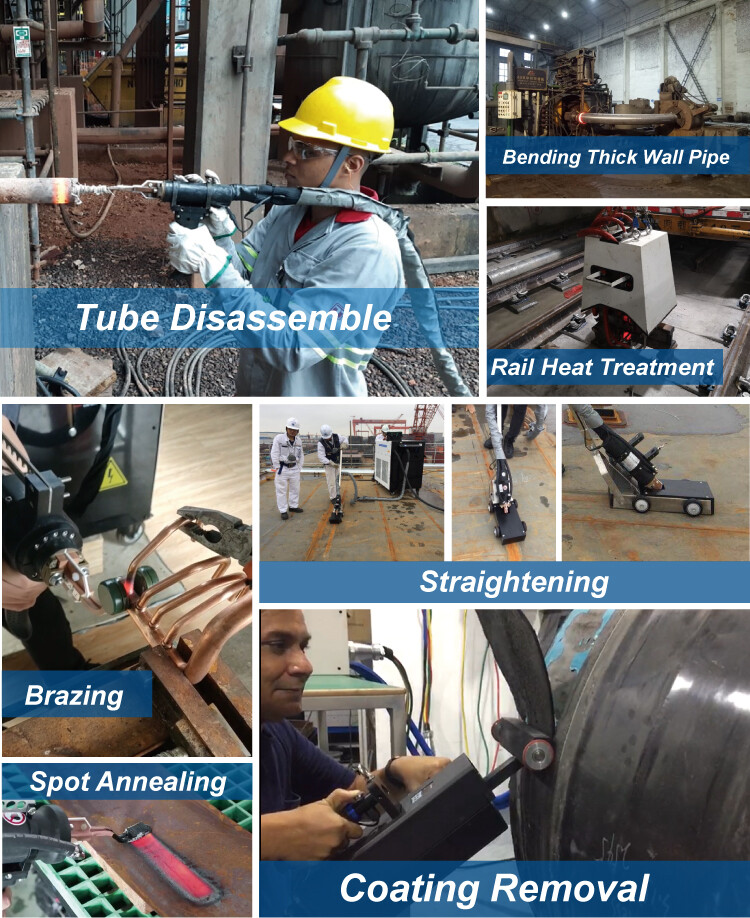
With the continuous upgrading of industrial equipment maintenance and manufacturing processes, magnetic induction heating tools have been widely applied in various industries. Leveraging their rapid heating, precise control, and flexible operation, this technology can meet the needs of different metal heating processes.
From equipment repair to metal assembly, from automobile manufacturing to energy facility maintenance, magnetic induction heating tools are becoming an important piece of equipment in modern industrial production and maintenance systems.
Industrial Equipment Maintenance and Repair
Equipment maintenance is one of the most common application areas for magnetic induction heating tools.
During long-term operation of industrial equipment, metal connecting components such as bolts, nuts, bearings, and couplings may experience difficulties in disassembly due to corrosion, high temperatures, or prolonged loads. By rapidly heating the target components, maintenance personnel can more easily complete disassembly and replacement work, thereby improving equipment maintenance efficiency and shortening maintenance cycles.
Common maintenance targets include:
Automotive Repair and Mechanical Services
In automotive repair and construction machinery maintenance, many metal parts require disassembly, assembly, and repair.
Magnetic induction heating tools enable maintenance personnel to quickly heat specific parts, creating better operating conditions for subsequent maintenance work. Due to their compact structure and portability, they are particularly suitable for repair shops, construction machinery repair sites, and mobile maintenance service scenarios.
Metal Assembly and Thermal Installation Processes
During the manufacturing process, some components require installation based on the principle of thermal expansion. Magnetic induction heating technology provides stable heating conditions for metal assembly, ensuring the workpiece reaches the predetermined assembly temperature, thereby improving assembly accuracy and process consistency.
Common applications include:
- Bearing thermal installation
- Gear assembly
- Bushing installation
- Coupling installation
- Metal interference fit assembly
Manufacturing Production and Processing
In modern manufacturing, many production stages require heat treatment of metal workpieces.
Magnetic induction heating tools can be used for workpiece preheating, localized heating, and assembly auxiliary processes, providing stable thermal energy support for the production process. Their flexible heating methods can adapt to the needs of workpieces of different sizes and shapes, and are therefore widely used in the machinery manufacturing, equipment manufacturing, and metal processing industries.
Energy and Heavy Industry Equipment Maintenance
Energy and heavy industry equipment is typically large, complex, and requires high levels of maintenance. During equipment overhaul, many critical connecting components require heat treatment to facilitate disassembly, installation, or adjustment.
Magnetic induction heating tools can meet the localized heating needs of large equipment maintenance and are therefore widely used in:
- Power equipment maintenance
- Oil and gas facility maintenance
- Mining machinery maintenance
- Metallurgical equipment maintenance
- Industrial production line maintenance
Marine and Rail Transportation Maintenance
Marine equipment and rail transportation systems operate under high loads for extended periods, demanding high maintenance efficiency and equipment reliability. Magnetic induction heating tools can be used for the maintenance of large mechanical connectors, fasteners, and power system components, helping technicians improve maintenance efficiency. For large equipment requiring on-site maintenance, their portability and flexibility effectively enhance the convenience of maintenance work.
Industrial Production Line Equipment Installation and Retrofitting
The construction of production lines, equipment upgrades, and factory expansions often involve the installation of metal equipment and the adjustment of mechanical components. Magnetic induction heating tools provide controllable heating support during equipment installation, helping companies improve installation efficiency and construction quality. Therefore, this technology is not only applied in equipment maintenance but also widely used in industrial project construction and equipment modification projects.
How to Choose the Right Magnetic Induction Heater Tool
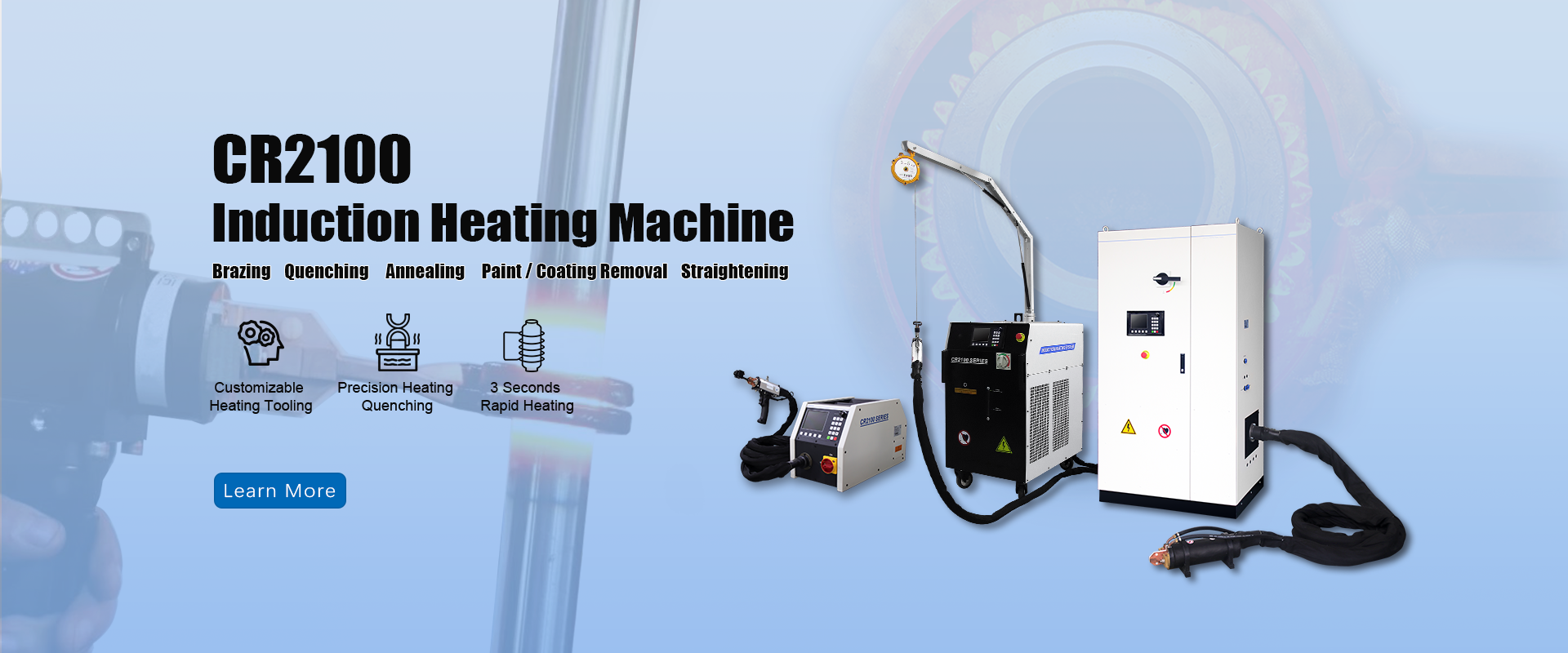
After understanding the working principle, core characteristics, industrial advantages, and common applications of magnetic induction heating tools, companies still face a crucial question during the actual procurement process: how to choose the right magnetic induction heating tool for their specific needs?
Because different devices vary in power range, heating capacity, coil configuration, and control functions, choosing the right equipment not only improves work efficiency but also ensures the best return on investment. The following key factors deserve careful consideration:
Selecting Heating Capacity Based on Workpiece Size and Material
Different metal materials and workpiece sizes place different requirements on heating equipment. Generally, the larger and heavier the workpiece, the higher the required heating power. Furthermore, differences in conductivity and permeability among different metal materials also affect the heating effect.
When selecting equipment, the following should be clearly defined in advance:
- Type of workpiece to be heated
- Workpiece size range
- Type of metal material
- Target heating temperature
These factors directly influence the selection of equipment power and heating capacity.
Evaluating Equipment Power Range
Equipment power is one of the important indicators determining heating performance. Lower-power equipment is generally suitable for small parts and light maintenance work, while higher-power equipment is more suitable for large workpieces or continuous operation environments.
When selecting equipment, companies should consider their actual working conditions and choose specifications that meet current needs while also accommodating future expansion requirements.
Key areas to focus on:
- Maximum output power
- Power adjustment range
- Continuous working capability
- Heating response speed
Selecting the appropriate induction coil configuration
The induction coil directly affects the heating area and heating effect. Different applications often require different types of coils; therefore, it’s crucial to consider whether the equipment supports multiple coil configurations.
Common coil types include:
- Flexible coil
- Circular coil
- U-shaped coil
- Planar coil
- Custom-made coil
Equipment with a wider selection of coils can typically accommodate a broader range of workpiece types and heating requirements.
Focusing on control systems and ease of operation
Modern magnetic induction heating tools increasingly emphasize intelligence and user experience. A good control system helps operators adjust heating parameters more easily and monitor equipment operation status in real time.
When evaluating equipment, consider the following functions:
- Digital display interface
- Power adjustment function
- Time control function
- Parameter storage function
- Status monitoring function
These features contribute to improved operational efficiency and user experience.
Consider the portability and operating environment of the equipment
Different working environments have different requirements for equipment structural design. For companies with frequent on-site maintenance and mobile operations, the size, weight, and ease of movement of the equipment may be important considerations.For fixed production environments, stability and continuous operation capability are more important.When purchasing, the suitability of the equipment should be evaluated based on the actual working scenario.
Focus on equipment reliability and safety protection functions
Industrial equipment typically requires long-term stable operation, so equipment reliability is equally important. High-quality magnetic induction heating tools are usually equipped with multiple protection mechanisms to ensure stable operation under complex working conditions.
Recommended to focus on:
- Overheat protection
- Overcurrent protection
- Overvoltage protection
- Short circuit protection
Cooling system design. Comprehensive protection functions help improve equipment lifespan and operational stability.
Evaluate after-sales service and technical support
In addition to the performance of the equipment itself, the supplier’s technical support capabilities are also an important part of the purchasing decision.Professional after-sales service can help companies complete equipment installation, operation training, and subsequent maintenance more quickly.
When selecting a supplier, you can focus on the following:
- Technical support capabilities
- Spare parts supply
- After-sales response speed
- Product warranty policy
- Industry service experience
A comprehensive service system can reduce management costs during subsequent use.
Maintenance Tips for Long-Term Performance
After selecting a suitable magnetic induction heating tool, proper maintenance and upkeep are equally crucial for ensuring long-term stable operation. Even high-performance equipment can suffer from reduced heating efficiency, component aging, or decreased operational stability if lacking regular inspection and proper maintenance.
Establishing a scientific maintenance plan not only extends equipment lifespan but also reduces failure rates, ensuring the equipment remains in optimal working condition.
Regularly Inspect the Induction Coil
The induction coil is a vital component of the magnetic induction heating tool, and its working condition directly affects heating performance. During long-term use, the coil may experience insulation damage, deformation, or loose connections due to frequent bending, high-temperature environments, or mechanical wear.
Recommended Regular Inspections:
- Check for cracks or damage on the coil surface
- Ensure connectors are secure
- Check the insulation layer for damage
Check for significant deformation of the coil shape. Timely detection and handling of abnormalities helps maintain stable heating performance.
Keep the Equipment Clean
Dust, oil, and metal shavings easily accumulate on equipment surfaces and heat dissipation areas in industrial environments. Long-term dust accumulation can not only affect heat dissipation but also the stability of equipment operation.
Routine maintenance should include the following:
- Clean the equipment casing
- Clean the heat dissipation channels
- Remove dust from the fan
- Keep the operating area clean
Good cleaning habits help maintain normal equipment operation.
Check the power supply and connection system
A stable power supply is fundamental for normal equipment operation. Regularly checking power cords, connection ports, and electrical interfaces can effectively reduce operational problems caused by poor contact or aging wiring.
Checking items include:
- Power cord wear
- Plug and interface condition
- Grounding system functionality
- Cable connections secure
Ensuring the electrical system is in good condition improves equipment reliability.
Monitor the cooling system’s operation
For industrial-grade magnetic induction heating equipment equipped with active cooling systems, heat dissipation performance directly affects equipment lifespan. After long-term operation, the cooling system may experience airflow blockage and decreased heat dissipation efficiency, therefore regular inspection and maintenance are necessary.
Maintenance priorities include:
- Check the cooling fan’s operating status
- Clean the heat dissipation holes and ventilation channels
- Maintain airflow around the equipment
- Avoid prolonged obstruction of heat dissipation areas
Good heat dissipation conditions help the equipment maintain stable output.
Use equipment according to operating procedures
Proper equipment use is a crucial prerequisite for reducing malfunctions and extending service life. In daily operation, strictly follow the equipment manual and operating procedures, avoiding overloading or improper use.
For example:
- Use a matching induction coil
- Avoid exceeding rated operating parameters
- Operate according to the recommended operating cycle
- Avoid subjecting the equipment to severe impacts
Standardized operation effectively reduces equipment wear and potential malfunctions.
Establish a regular maintenance plan
Compared to post-failure repair, preventative maintenance is more helpful in ensuring long-term stable equipment operation. Enterprises can develop regular maintenance plans based on equipment usage frequency and working environment, inspecting and recording key components.
Maintenance plans typically include:
- Daily inspections
- Monthly inspections
- Quarterly maintenance
- Annual comprehensive inspection
Through systematic maintenance management, potential problems can be identified promptly and appropriate measures taken.
Replace worn parts promptly
As equipment is used over time, some vulnerable parts may gradually age or wear. When signs of performance degradation or damage are found in relevant components, they should be replaced promptly to avoid affecting overall operating efficiency. Using original or compatible parts that meet the equipment specifications helps ensure that the equipment remains in optimal working condition.