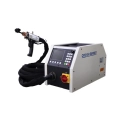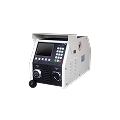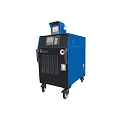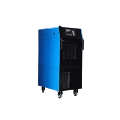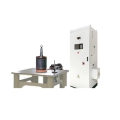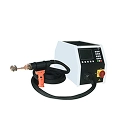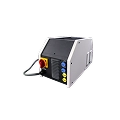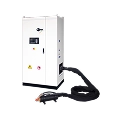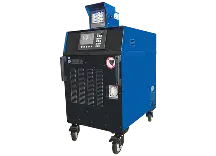




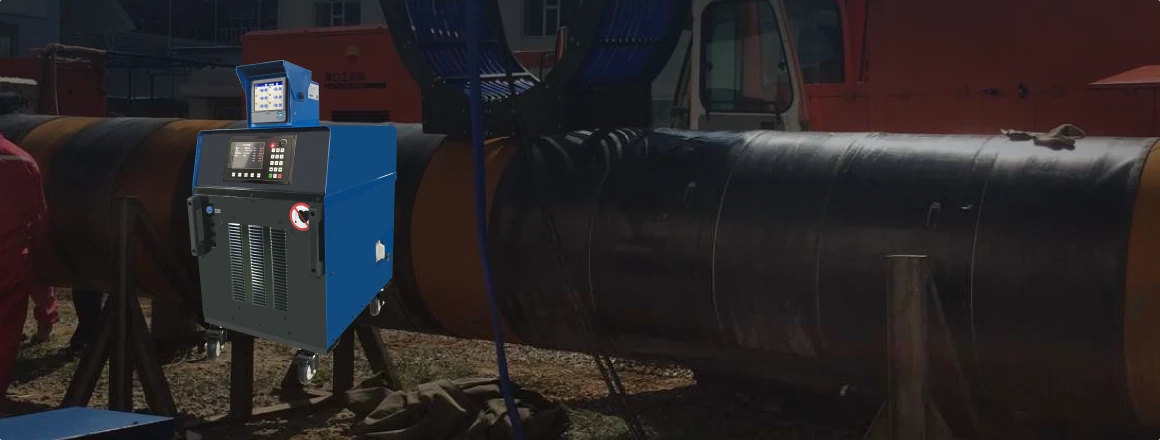
You need the best tools for pipeline preheating. This helps make strong welds and keeps work safe. Canroon CR2000 and ProHeat 35 are top induction choices for pipelines. CR2000 costs less than ProHeat 35. Induction heating is fast, safe, and heats evenly before welding. Picking the right tool makes welding and pipeline care more reliable.
Key Takeaways
- Pick induction heating equipment that fits your pipeline’s size and material. This helps preheat well and makes welds strong.
- Find systems with digital controls for exact temperature settings. This keeps heating steady and lowers mistakes.
- Make sure your equipment has safety features. Induction heating does not use open flames, so it is safer for workers.
- Keep your induction heating system in good shape with regular maintenance. Clean the equipment and check for damage to stop expensive repairs.
- Think about how induction heating helps over time. It may cost more at first, but it saves time and cuts down on errors later.
Key Features for Pipeline Preheating Equipment
When picking induction equipment, think about what your project needs. The right induction heating systems help you work faster and safer. They are better than old preheating ways.
Power and Heating Depth
Check the power output and how deep it heats. More power means you get hot faster. Heating depth changes with frequency. Lower frequencies, like 1–10 kHz, heat deeper into thick pipes. High frequencies only heat the outside. This is important for different pipe sizes and materials.
| Frequency Range | Heating Depth Effect |
|---|---|
| 1–10 kHz | Heats deep into thick pipe walls |
| High Frequencies | Heats just the surface (shallow heat) |
Portability and Flexibility
You may need to move the equipment a lot. Portable units help you preheat pipes in far places. Flexible systems let you fix and care for pipelines without waiting.
Safety and Certifications
Always look for safety features and certifications. Good induction heating does not use open flames or hot parts. This keeps workers safe. Pick equipment that meets rules like AWS D1.1 or ASME Section IX. These rules help control temperature and preheating.
Ease of Use
Easy equipment saves time and lowers mistakes. Fast heating means you finish jobs quicker. Even heat keeps welds strong. Simple controls help you not make errors.
| Feature | Benefit |
|---|---|
| Time to Temperature | Heats fast for quick projects |
| Temperature Uniformity | Keeps heat even on the pipeline |
| Safety | No open flames or hot parts |
Pipeline Size and Material Compatibility
Match the equipment to the pipe size and material. Thick or special pipes need more power and deeper heat. Always check the pipe type and thickness before picking a system.
Tip: Try to balance cost and how well it works. Induction heating can cost more at first, but it saves time and cuts down on fixing mistakes.
Top Induction Heating Systems for Pipelines
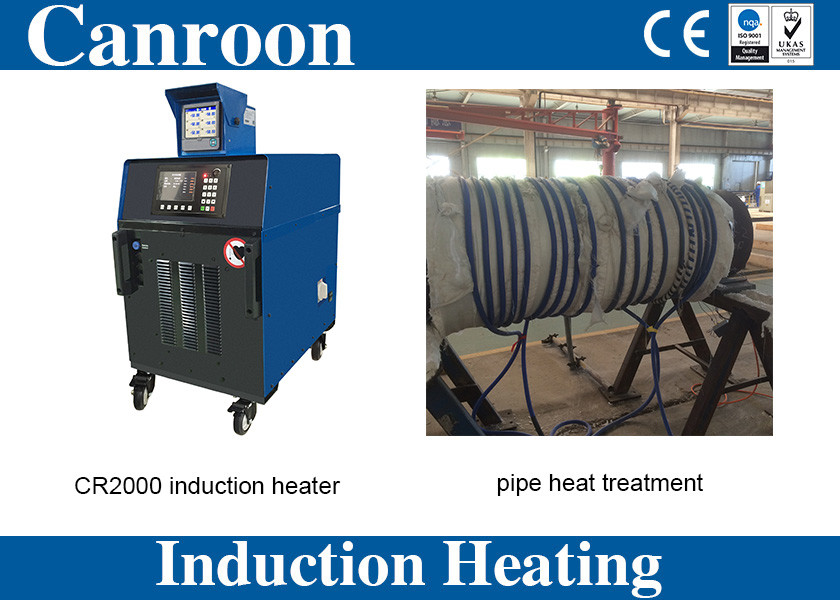
Canroon CR2000 Induction Heating Solutions
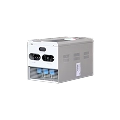
The Canroon CR2000 works for many pipeline jobs. It uses advanced IGBT induction technology. This gives fast and steady heating for welding preheating. The CR2000 fits different pipe sizes and metals. You can move it easily because it is portable. The system heats up fast and can reach over 1000℃ in seconds. You control the heating area with smart controls. There are no open flames or toxic gases, so it is safe.
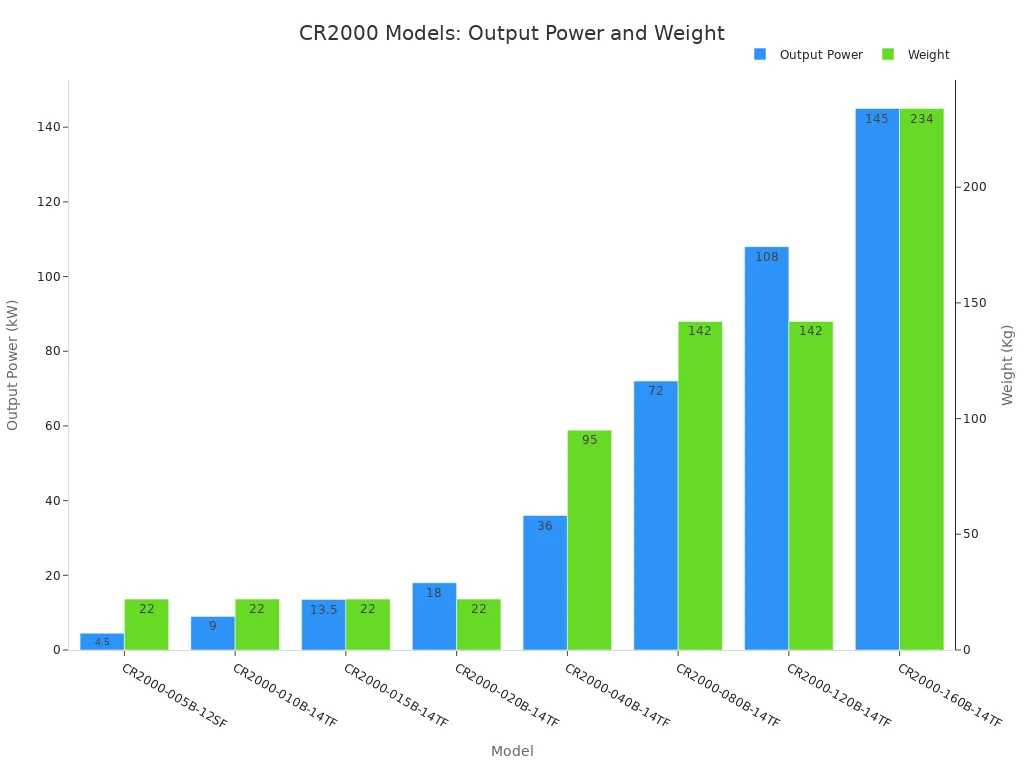
Here is a table with the main technical details for the CR2000 models:
| Model | Power | Voltage | Frequency | Current | Output Power | Inductance Range | Dimensions (W x H x D) | Weight |
|---|---|---|---|---|---|---|---|---|
| CR2000-005B-12SF | 5KVA | 1-phase 220-240V | 50-60Hz | 20.8-22.7A | 4.5KW | 1-160uH | 262.4mm x 304mm x 545mm | 22Kg |
| CR2000-010B-14TF | 10KVA | 3-phase 400V(+20%) | 50-60Hz | 12-18A | 9kW | 2.2-300uH | 262.4mm x 304mm x 545mm | 22Kg |
| CR2000-015B-14TF | 15KVA | 3-phase 400V(+20%) | 50-60Hz | 18-27A | 13.5kW | 2.2-300uH | 262.4mm x 304mm x 545mm | 22Kg |
| CR2000-020B-14TF | 20KVA | 3-phase 400V(+20%) | 50-60Hz | 24-36A | 18kW | 2.2-300uH | 262.4mm x 304mm x 545mm | 22Kg |
| CR2000-040B-14TF | 40KVA | 3-phase 400V(+20%) | 50-60Hz | 50-61A | 36kW | 2.2-300uH | 548.5mm x 747mm x 847.5mm | 95Kg |
| CR2000-080B-14TF | 80KVA | 3-phase 400V(+20%) | 50-60Hz | 96-144A | 72kW | 3.0-500uH | 597mm x 830mm x 801mm | 142Kg |
| CR2000-120B-14TF | 120KVA | 3-phase 400V(+20%) | 50-60Hz | 144-216A | 108kW | 3.0-500uH | 597mm x 830mm x 801mm | 142Kg |
| CR2000-160B-14TF | 160KVA | 3-phase 400V(+20%) | 50-60Hz | 192-288A | 145kW | 3.0-500uH | 596mm x 1252mm x 805mm | 234Kg |
The CR2000 has these main features:
- It is portable and easy to move.
- It heats up fast and stays steady.
- You get digital temperature control for better work.
- There are no open flames or toxic gases.
- It has fault protection to keep you safe.
Many people like the CR2000. Ahmed says the price and service are good. Karim says it works well and heats up fast. He has used it for over five years with no problems.
ProHeat 35 Overview
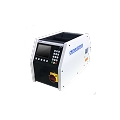
The ProHeat 35 is good for many pipeline preheating jobs. It heats up fast and helps you work quicker. Your welds stay strong. The ProHeat 35 uses electromagnetic induction for safe and even heating. You do not need open flames. You can use it on many pipe sizes and flat plates. The system lets you pick manual or temperature-based modes. The user-friendly interface makes it easy to set up and use.
Here is a table with the main features of the ProHeat 35:
| Feature/Advantage | Description |
|---|---|
| Fast Heating Times | Boosts productivity and efficiency in pipeline preheating applications. |
| Safer Operation | Reduces risks associated with traditional heating methods. |
| Consistent Heating | Ensures uniform heating for pre and post-weld heat treatment. |
| Versatile Heating Cables | Suitable for various pipe diameters and flat plates. |
| Manual and Temp-Based Modes | Offers flexibility in operation for different heating needs. |
| Electromagnetic Induction | More efficient and safer than traditional heating elements. |
| Multiple Outputs | Ensures uniform heating and faster temperature achievement. |
| User-Friendly Interface | Simplifies programming of heating parameters. |
You can trust the ProHeat 35 for safe welding preheating. It saves energy and helps lower your costs.
Other Recommended Brands
You can also look at other brands for induction heating. Radyne is known for high-quality equipment. You can use Radyne for field work, onshore, or offshore jobs. The systems can be customized. You can get generator sets and special coils for hard places. Radyne helps you finish jobs faster and save money.
| Brand | Distinguishing Features |
|---|---|
| Radyne | – High-quality induction pipe heating systems for field use. – Solutions for onshore and offshore pipelines. – Customizable with generator sets and special coils. – Proven technology to reduce time and cost. |
Tip: Always match the equipment to your job needs. Pick features that help you work faster and safer.
Pros and Cons of Each System
You should know the good and bad points before you choose. Here is a table to help you compare:
| System | Pros | Cons |
|---|---|---|
| Canroon CR2000 | – Strong air-cooled electromagnetic induction heater for welding preheat. – Digital temperature control. – Works with many metals (carbon steel, stainless steel, copper, aluminum). – High protection level (IP54). – One-year warranty. | N/A |
| Miller ProHeat 35 | – Control over schedule and cost. – No need for third-party contractors. – Safer with no open flames or explosive gases. – Energy efficient (less than 60-amp current draw). | N/A |
| Radyne | – Customizable for special jobs. – Good for field and offshore use. – Reduces time and cost. | N/A |
Each system has strong points. Pick the one that fits your pipeline and welding needs best.
Comparison of Induction Preheating Equipment
Performance and Efficiency
You want your pipeline to heat up fast. The Canroon CR2000 and ProHeat 35 do this well. They heat pipes much quicker than old ways. These systems reach the right temperature in less time. The heat spreads out evenly, so welds stay strong. Digital controls help you pick the best temperature for welding. The equipment keeps the heat steady while you work. This lowers mistakes and helps keep workers safe.
| System | Heating Speed | Heat Uniformity | Temperature Control | Weld Quality |
|---|---|---|---|---|
| CR2000 | Very Fast | Excellent | Digital | High |
| ProHeat 35 | Fast | Very Good | Manual/Digital | High |
| Radyne | Fast | Good | Customizable | Good |
Note: Induction heating works better and heats more evenly than older methods.
Price and Value
You should think about both price and what you get. The Canroon CR2000 costs less than the ProHeat 35. Both save money because they use less energy and need less fixing. You will not spend as much fixing problems from uneven heat. Radyne can be made special for your job, but it may cost more if you need extra parts. Think about how much you will use the equipment and your budget.
- Canroon CR2000: Best value for most pipeline jobs.
- ProHeat 35: Costs more, but works very well.
- Radyne: Custom price, good for special projects.
Application Suitability
You need to pick the right system for your pipeline. The CR2000 works with many pipe sizes and metals. ProHeat 35 is good when you want to set up fast and use simple controls. Radyne is best for special jobs, like offshore or hard-to-reach places. Always check the lowest and highest preheating temperatures for your pipe. Pick the equipment that fits your project and keeps welds strong.
Tip: Pick induction equipment that matches your pipe size, material, and welding needs. This helps you get good results and makes maintenance easier.
Application Scenarios for Pipeline Preheating
Oil and Gas Pipelines
Induction heating is used a lot in oil and gas pipelines. It helps stop weld problems and cracks during work. This is important for natural gas and oil pipeline jobs. Induction preheating lowers the chance of hydrogen cracks. It also makes the job safer because there are no open flames. You can save money and finish faster with this method.
- Helps you spend less on your project
- Makes welding go faster and smoother
- Keeps your team safer at work
- Lets the pipeline cool slowly to stop bending
Tip: Using induction preheating helps the weld cool down slowly. This keeps the pipeline strong and safe.
Water and Industrial Pipelines
Preheating water and industrial pipes stops weld cracks. It also makes the joints stronger. Induction heating works faster than resistance heating. It heats deeper into the pipe. You can control the temperature better, which helps make strong welds.
| Feature | Induction Heating | Resistance Heating |
|---|---|---|
| Ramp-up Time | Heats up faster | Heats up slower |
| Penetration Depth | Heats deeper inside | Heats only the surface |
| Temperature Control | Easy to control for strong welds | Harder to control |
| Lifespan in Corrosive Environments | Lasts longer with better materials | Wears out faster |
| Risk Reduction | Safer with fewer risks | More risks during use |
You can use induction for seam welding and stress relief. It also works for annealing. This makes preheating better and more useful.
Outdoor vs. Indoor Use
You might need to preheat pipes outside or inside. Outdoor jobs need equipment that is easy to move and can handle weather. Indoor jobs can use bigger machines with more power. Both places need you to watch the temperature so welds do not fail.
- Outdoor: Pick tough, portable machines for field work.
- Indoor: Use big, strong systems for large jobs.
Note: Always make sure your equipment fits the place you work. Keep the temperature steady for good welds.
Material-Specific Recommendations
You need to match your induction machine to the pipe material. Each type of pipe needs a certain heat and speed. High carbon steel and cast iron need slow, careful heating to stop cracks. Make sure your system follows rules like ASME B31.3 or API.
| Specification | Details |
|---|---|
| Required Heating Capacity (kW) | Check what your project needs. |
| Maximum Operating Temperature | Make sure it works with your pipe material. |
| Temperature Uniformity Tolerance | Keep heat even within the right range. |
| Heating Rate Capability | Make sure it heats fast enough for your job. |
| Compatibility with Pipe Materials | Check if it works with your pipe size and type. |
| Compliance with Industry Standards | Follow rules like ASME B31.3, ASME Section IX, or API. |
Remember: Always check the pipe size, material, and needed temperature before you start. This helps you get the best welds and keeps the pipeline safe.
User Tips for Induction Heating in Welding Preheating
Choosing the Right Equipment
You should pick the best induction heating equipment for your pipeline job. First, check if the equipment follows rules like ASME or API. These rules help you stay safe and make good welds. Look at what your pipe is made of and how big your project is. If you work with thick pipes or special metals, choose a system that can handle them. Think about your budget and how easy the equipment is to use. Look at the first price and also the cost to run and fix it. Check things like temperature range and how well you can control it. This helps you find the right equipment for your welding preheating.
- Make sure the equipment works with your pipe size and material.
- See if the system has digital controls for simple use.
- Pick a model that uses less energy and needs less fixing.
Tip: Always look at features and prices before you buy.
Operating and Maintaining Induction Systems
You need to use and take care of your induction system the right way. Set the correct temperature for welding preheating. Use digital controls to watch the heat and keep it steady. Clean the equipment often so dust does not cause problems. Check cables and connectors for damage. Change broken parts fast so you do not lose time. Keep a record of all maintenance. This helps you spot problems and plan repairs.
| Maintenance Task | How Often | Why It Matters |
|---|---|---|
| Clean equipment | Weekly | Stops overheating |
| Inspect cables | Monthly | Prevents power loss |
| Check controls | Monthly | Keeps heating accurate |
| Log maintenance | Ongoing | Tracks system health |
Note: Good care keeps your induction heating system safe and working well.
Common Mistakes to Avoid
You can stop many problems by watching out for common mistakes. If you do not heat the metal enough, your welds can be weak. If you let the metal cool too fast, it may crack. If you rush preheating, you risk thermal shock. Using the wrong preheat method can hurt the metal or make bad welds. If you skip preheating, your welds will not be strong.
- Do not skip preheating before welding.
- Always get and keep the right temperature.
- Give enough time for preheating.
- Use the correct method for your pipe material.
- Check your equipment before every job.
Remember: Careful use and regular care help you avoid mistakes and keep your pipeline strong.
You can count on Canroon CR2000 and ProHeat 35 for preheating pipelines. Both systems use air-cooled electromagnetic induction. They have strong safety features to protect workers. The table below shows their main strengths:
| Feature | Canroon CR2000 | ProHeat 35 |
|---|---|---|
| Temperature Control | Digital | SmartLink interface |
| Maximum Temperature | Up to 788℃ | Up to 600°F (316℃) |
| Application | Onshore/offshore welding | Pipes 8 inches or larger |
Induction heating makes jobs faster and safer. It also helps welds stay strong. Always check your pipeline’s type, material, and where you work. Pick equipment with good controls and strong safety. Make sure you get reliable support. This keeps your welding projects safe and efficient.
FAQ
What is induction preheating?
Induction preheating uses electromagnetic fields to warm metal pipes before welding. The heat spreads quickly and evenly. This stops cracks and makes welds stronger.
Can I use induction heating on all pipe materials?
You can use induction heating on most metals, like carbon steel, stainless steel, and copper. Always check if your equipment works with your pipe material before you start.
How do I know if my pipe needs preheating?
You should preheat pipes if they are thick or made from high-carbon steel. Sometimes welding codes say you must preheat. Preheating lowers the chance of weld cracks.
Is induction heating safer than flame heating?
Yes, induction heating is safer. You do not need open flames, so fire risks are lower. You also avoid toxic gases. This keeps your work area safer for everyone.
How do I maintain my induction heating equipment?
Clean your equipment often. Check cables and connectors for damage. Keep a maintenance log. Replace worn parts quickly. Good care helps your system last longer and work better.