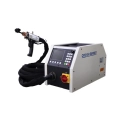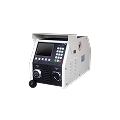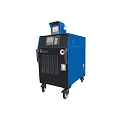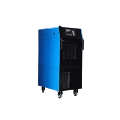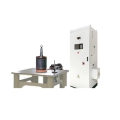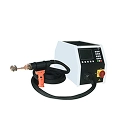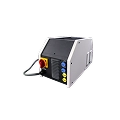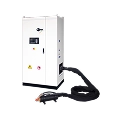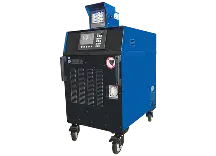





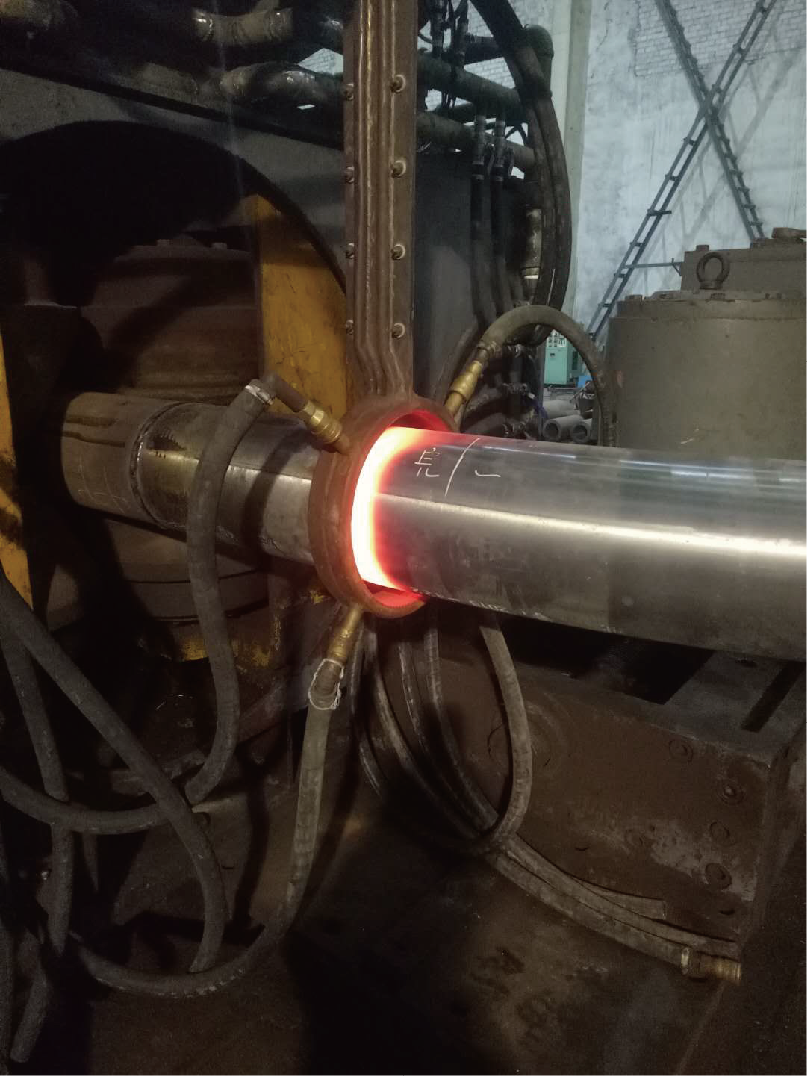
Induction Hardening is a widely used surface heat treatment technology that improves the performance of metal components by selectively strengthening the surface layer while maintaining the toughness of the internal structure. Unlike conventional hardening methods that heat the entire component, induction hardening uses electromagnetic induction to generate localized heat on specific areas of a metal part. This allows manufacturers to improve surface hardness, wear resistance, and fatigue performance without significantly affecting the core properties.
In industrial manufacturing, many components are required to withstand repeated mechanical stress, friction, impact loads, and demanding operating environments. Parts such as gears, shafts, rollers, bearings, and automotive components often require high surface strength to extend service life. Induction hardening provides an efficient solution by creating a hardened surface layer that improves durability while preserving the flexibility and impact resistance of the component core.
The effectiveness of induction hardening depends on several factors, including heating frequency, power density, heating time, cooling conditions, and material characteristics. These factors are also important when selecting an appropriate Induction Heat Treatment Machine for different industrial applications. By precisely controlling these parameters, manufacturers can achieve consistent surface treatment results for different component requirements. As industries continue to demand higher production efficiency and improved component reliability, induction hardening has become an important technology for modern metal surface treatment.
Induction Hardening Creates High Surface Hardness Through Rapid Heating and Cooling
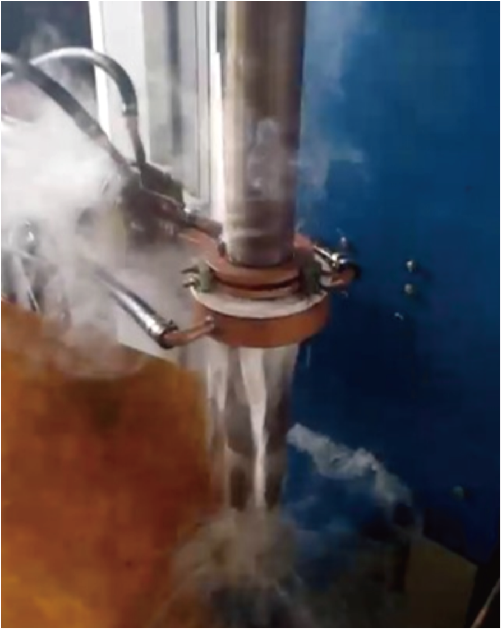
Induction hardening improves metal surface performance primarily by creating a hardened layer through rapid heating and cooling cycles. During the process, an induction coil generates an alternating electromagnetic field that produces eddy currents inside the metal component. These currents generate heat directly within the surface area of the workpiece, allowing the temperature to quickly reach the required austenitizing range. After heating, the component is rapidly cooled through quenching, causing the surface structure to transform into a harder metallurgical phase.
The localized heating capability of induction hardening allows manufacturers to treat only the areas that require increased hardness. This prevents unnecessary thermal exposure to the entire component and helps maintain the original mechanical properties of the core material. As a result, components can achieve a combination of high surface hardness and sufficient internal toughness, which is important for applications involving repeated loads and mechanical impact.
Compared with traditional heat treatment methods that may require longer heating cycles, induction hardening provides faster processing speed and better control over the treated area. The ability to precisely control heating depth and temperature distribution makes it suitable for industrial production where consistent quality and high efficiency are required.
Induction Hardening Uses Electromagnetic Energy to Heat Metal Surfaces Quickly
Induction Hardening achieves surface strengthening through electromagnetic induction, which generates heat directly inside the conductive metal component. When an alternating current passes through the induction coil, it creates a changing electromagnetic field that induces eddy currents within the workpiece. These currents produce localized heat on the surface area, allowing the metal to rapidly reach the required austenitizing temperature without heating the entire component.
This localized heating method gives Induction Hardening a significant advantage in industrial metal processing because manufacturers can selectively treat specific areas that experience the highest mechanical stress. For example, gear teeth, shaft surfaces, and bearing contact areas can be hardened while the internal structure remains relatively tough and ductile. This combination of a hard surface and strong core helps components withstand demanding operating conditions.
Compared with traditional furnace heating methods, electromagnetic heating provides faster response and better control over the treated area. The ability to concentrate heat precisely reduces unnecessary thermal exposure and improves production efficiency. For manufacturers requiring consistent surface performance, this controlled heating process is one of the key reasons why Induction Hardening is widely adopted.
Rapid Cooling Creates a Hardened Metallurgical Surface Layer
After the heating stage, Induction Hardening requires rapid cooling to transform the heated surface structure into a hardened metallurgical phase. The cooling process, usually performed through quenching, determines the final hardness level and quality of the treated layer. Proper cooling conditions allow the surface to achieve improved strength while maintaining the desired properties of the component core.
The relationship between heating temperature and cooling speed is critical because insufficient cooling may result in incomplete hardening, while excessive thermal stress may affect component integrity. Therefore, industrial Induction Hardening processes must carefully control both heating and quenching parameters to achieve reliable results.
By combining rapid electromagnetic heating with controlled cooling, Induction Hardening creates a durable hardened layer that improves the mechanical performance of metal components while preserving their overall structural reliability.
Induction Hardening Improves Wear Resistance in Industrial Metal Components
Wear resistance is one of the most important performance requirements for industrial metal components that operate under continuous friction and mechanical contact. Induction hardening improves wear resistance by increasing the hardness of the component surface, allowing the treated area to better withstand abrasive forces, sliding contact, and repeated mechanical interaction. This helps reduce material loss and extends the service life of critical components.
In industrial applications, components such as gears, shafts, sprockets, and rollers are frequently exposed to high loads and friction during operation. Without sufficient surface hardness, these parts may experience accelerated wear, dimensional changes, and reduced operational accuracy. Induction hardening creates a durable hardened layer that protects the working surface while maintaining a tougher core structure to absorb external forces.
The improvement in wear resistance also contributes to lower maintenance requirements and reduced replacement frequency. By increasing component durability, manufacturers can improve equipment reliability and reduce downtime caused by premature part failure. This makes induction hardening an effective surface treatment solution for industries requiring long-lasting mechanical performance.
Induction Hardening Strengthens Contact Surfaces Exposed to Mechanical Friction
Industrial metal components often experience continuous friction, sliding contact, and repeated mechanical loading during operation, which can gradually damage the working surface and reduce service reliability. Induction Hardening improves wear resistance by selectively increasing the hardness of the surface layer where mechanical stress is concentrated. Instead of changing the properties of the entire component, the process focuses strengthening treatment on areas that directly contact other parts or withstand high mechanical pressure.
In applications such as gears, shafts, rollers, sprockets, and bearing components, surface wear is one of the main factors affecting service life. When these components operate under high-speed rotation or heavy loads, friction between metal surfaces can cause material loss, surface deformation, and dimensional changes. By applying Induction Hardening to critical areas, manufacturers can create a harder surface layer that provides improved resistance against abrasion and mechanical damage while maintaining a tougher internal structure.
The effectiveness of Induction Hardening in improving wear resistance depends on factors such as hardening depth, material composition, surface hardness level, and operating conditions. A properly designed hardening process ensures that the treated surface can withstand repeated contact forces without becoming excessively brittle. This balance between hardness and toughness allows industrial components to maintain stable performance over longer operating periods and reduces the frequency of replacement caused by premature surface failure.
Induction Hardening Maintains Component Performance Under Heavy Operating Loads
Industrial equipment used in manufacturing, transportation, energy, and heavy machinery sectors often requires components that can operate under demanding mechanical conditions. High loads, continuous movement, and repeated impact can gradually reduce the performance of untreated metal surfaces. Induction Hardening improves the durability of these components by strengthening the areas most affected by operational stress, helping them maintain their original mechanical properties for longer periods.
Unlike surface coatings that add an external protective layer, Induction Hardening changes the metallurgical structure of the metal itself. This creates a hardened surface that becomes an integrated part of the component rather than a separate layer that may peel or wear away over time. Because the hardened zone is formed within the material, treated components can achieve improved resistance against deformation and surface damage during long-term industrial operation.
For manufacturers, maintaining component performance is directly related to production efficiency and maintenance costs. Components with insufficient wear resistance may require frequent replacement, causing equipment downtime and increasing operational expenses. By improving surface durability through Induction Hardening, companies can extend component service intervals, reduce maintenance requirements, and improve the overall reliability of industrial equipment.
Induction Hardening Enhances Fatigue Strength by Strengthening Surface Layers
Fatigue strength is a critical factor for components exposed to repeated loading cycles, vibration, and mechanical stress. Induction hardening enhances fatigue performance by strengthening the surface layer of metal components and improving their ability to resist crack initiation under repeated stress conditions. This is particularly valuable for components that operate continuously in demanding industrial environments.
During the induction hardening process, rapid heating and cooling create changes in the surface microstructure and may generate beneficial compressive residual stress. These conditions can reduce the likelihood of surface cracks forming and improve the component’s resistance to fatigue damage. The strengthened surface layer helps protect components from failure caused by long-term cyclic loading.
For industries such as automotive manufacturing, machinery production, and heavy equipment manufacturing, improved fatigue strength directly affects operational reliability. In some applications, Induction Tempering is also used together with hardening processes to optimize toughness and mechanical performance. Components with enhanced surface durability can maintain performance over longer periods, reducing unexpected failures and improving the overall efficiency of mechanical systems.
Induction Hardening Improves Resistance Against Repeated Mechanical Stress
Metal components used in industrial equipment are often exposed to repeated loading conditions, where continuous stress cycles can gradually create microscopic cracks and eventually lead to fatigue failure. Induction Hardening improves fatigue strength by strengthening the surface layer of metal components, allowing them to better withstand repeated mechanical stress during long-term operation. Since fatigue cracks usually begin from the surface where stress concentration occurs, improving surface properties is an effective way to extend component service life.
During the Induction Hardening process, the treated surface develops a hardened metallurgical structure that provides higher resistance against crack initiation and surface deformation. The strengthened layer helps components maintain structural stability when exposed to repeated pressure, vibration, and impact forces. This is especially important for mechanical parts such as shafts, gears, crankshafts, and drive components, which frequently experience alternating loads during operation.
The improvement of fatigue performance depends not only on surface hardness but also on the quality and depth of the hardened layer. A suitable hardening depth allows the strengthened area to support external forces while maintaining enough toughness inside the component. Through accurate process control, Induction Hardening enables manufacturers to achieve a balanced structure that improves fatigue resistance without reducing the overall reliability of the metal part.
Induction Hardening Creates Beneficial Surface Stress for Longer Component Life
One important reason Induction Hardening improves fatigue performance is that the process can create beneficial compressive stress within the surface layer of metal components. During operation, external forces often generate tensile stress on component surfaces, which may accelerate crack formation and fatigue damage. A properly controlled induction treatment introduces compressive stress that helps counteract these tensile forces and reduces the possibility of surface crack initiation.
This surface stress condition provides significant advantages for components exposed to repeated mechanical cycles. For example, gears and shafts in industrial machinery may experience thousands or even millions of load changes during their service life. Without sufficient surface strengthening, these repeated stresses can gradually weaken the material. Induction Hardening improves the ability of the surface layer to resist these effects, helping components maintain stable mechanical performance over extended operating periods.
However, achieving the desired stress distribution requires precise control of induction parameters, including heating frequency, power output, scanning speed, and cooling conditions. Improper process settings may result in uneven hardening or excessive internal stress, which can negatively affect component reliability. Therefore, professional Induction Hardening equipment and optimized process techniques are essential for achieving consistent fatigue improvement in industrial applications.
Hardening Depth Determines Fatigue Performance Under Different Load Conditions
The hardening depth of an Induction Hardening process plays an important role in determining how effectively a component can resist fatigue damage. Different industrial applications require different hardened layer depths because the stress distribution inside a component depends on its size, geometry, material type, and operating conditions. Components exposed mainly to surface stress may require a relatively shallow hardened layer, while heavily loaded parts may require deeper strengthening to support higher mechanical forces.
If the hardened layer is too shallow, cracks caused by repeated loading may extend beyond the strengthened surface area and reduce fatigue performance. On the other hand, excessive hardening depth may increase processing requirements and affect production efficiency. Therefore, manufacturers must select appropriate Induction Hardening parameters based on the actual working environment of each component.
By controlling hardening depth accurately, Induction Hardening allows engineers to optimize the relationship between surface strength and internal toughness. This customized approach improves the reliability of industrial components while avoiding unnecessary material treatment. For industries requiring long service intervals and stable equipment operation, proper hardening depth control is a key factor in achieving consistent fatigue resistance.
Induction Hardening Process Parameters Control Hardening Depth and Quality
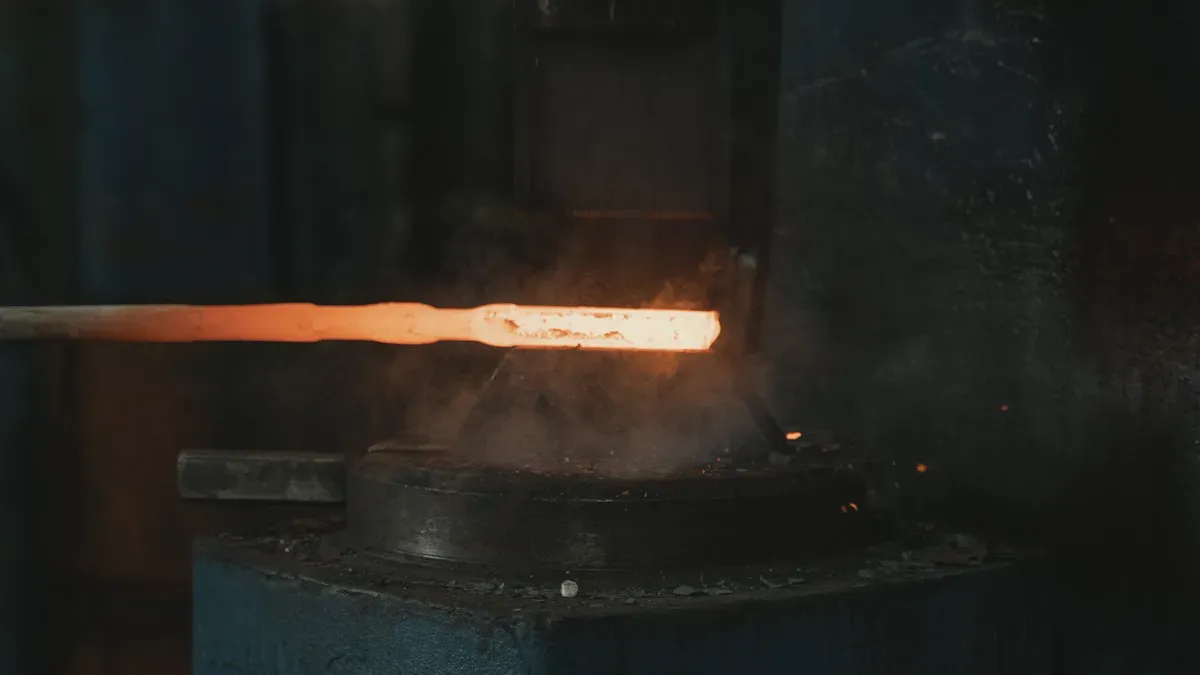
Similar requirements also apply to Post Weld Heat Treatment Equipment, where accurate temperature control is essential for achieving reliable treatment results. Factors such as heating frequency, power output, scanning speed, heating duration, and quenching conditions directly influence the hardness level, treatment depth, and consistency of the hardened layer. Proper parameter adjustment allows manufacturers to achieve the required surface properties according to different component designs and application requirements.
Heating frequency plays an important role because it affects how deeply electromagnetic energy penetrates into the metal. Higher frequencies generally provide shallower heating depths, while lower frequencies can achieve deeper hardening effects. Manufacturers select suitable frequencies based on component size, material characteristics, and required hardening depth.
In addition to heating parameters, cooling control is also essential for achieving stable metallurgical transformation. Insufficient cooling may result in incomplete hardening, while excessive thermal stress may affect component integrity. Therefore, precise process management is necessary to ensure that induction hardening produces consistent and reliable surface performance in industrial applications.
Induction Hardening Parameters Determine Heating Characteristics and Treatment Results
The performance of Induction Hardening depends heavily on accurate control of process parameters because different settings directly influence heating behavior, hardened layer formation, and final component quality. Unlike conventional heat treatment methods, induction technology relies on electromagnetic energy distribution, meaning that small changes in operating conditions can significantly affect the temperature profile inside the metal component. Therefore, manufacturers must carefully adjust parameters according to material characteristics, component geometry, and required surface performance.
Important Induction Hardening parameters include power output, operating frequency, heating time, scanning speed, coil design, and quenching conditions. Higher power levels can increase heating speed and processing efficiency, but excessive energy input may cause overheating or unwanted metallurgical changes. Similarly, frequency selection affects how deeply electromagnetic energy penetrates into the workpiece, which directly influences the final hardening depth.
In industrial production, maintaining stable parameters is essential for achieving consistent treatment results across large quantities of components. Variations in process settings may lead to uneven hardness distribution, insufficient strengthening, or excessive thermal stress. By optimizing Induction Hardening parameters through engineering analysis and process monitoring, manufacturers can achieve reliable surface performance while maintaining production efficiency and quality control.
Operating Frequency Controls the Effective Hardening Depth of Metal Components
Operating frequency is one of the most important factors affecting the hardening depth achieved during Induction Hardening. The electromagnetic field generated by the induction coil interacts with the conductive metal component, and the penetration depth of the induced current changes according to frequency selection. Generally, higher frequencies concentrate heating closer to the surface, making them suitable for shallow hardening applications, while lower frequencies allow deeper heat penetration for components requiring stronger subsurface reinforcement.
The selection of frequency depends on the size, shape, and functional requirements of the treated component. Small precision parts may require higher-frequency induction treatment to achieve accurate surface strengthening, while larger shafts, gears, and heavy mechanical components often require lower-frequency solutions to develop deeper hardened layers. Choosing an unsuitable frequency may result in insufficient hardening depth or unnecessary energy consumption.
Professional Induction Hardening systems must therefore provide flexible frequency control, including solutions based on Medium Frequency Induction Heating, to accommodate different industrial applications. By matching frequency characteristics with component requirements, manufacturers can achieve the desired relationship between surface hardness, hardening depth, and internal toughness. This flexibility makes induction technology suitable for a wide range of metal treatment processes.
Process Monitoring Ensures Consistent Induction Hardening Quality
Industrial Induction Hardening applications require continuous monitoring because maintaining stable process conditions is essential for producing reliable results. Parameters such as temperature, power output, heating time, and cooling performance must be controlled throughout the treatment cycle to ensure that every component meets the required hardness and structural specifications.
Modern induction systems often integrate monitoring and control technologies that allow operators to track process conditions in real time. These systems help identify abnormal operating conditions and reduce quality variations caused by manual adjustments or equipment instability. For manufacturers producing large volumes of metal components, automated monitoring provides significant advantages in improving repeatability and reducing production risks.
Consistent quality control is particularly important in industries where component failure may result in safety issues or significant economic losses. By maintaining precise Induction Hardening conditions, manufacturers can ensure that treated components achieve stable surface performance, accurate hardness distribution, and reliable long-term operation. Effective process monitoring therefore plays an essential role in connecting induction technology with modern industrial manufacturing requirements.
Induction Hardening Selects Suitable Materials for Different Surface Treatment Requirements
Material selection is an important factor affecting the effectiveness of induction hardening because different metals respond differently to electromagnetic heating and rapid cooling processes. Carbon steels and alloy steels are commonly used for induction hardening because their chemical compositions allow the formation of hardened surface structures after heat treatment.
The carbon content and alloy composition of a material influence its hardening capability, achievable hardness level, and required processing conditions. Materials with suitable hardenability can achieve stronger surface improvements, while materials with unsuitable compositions may not provide the expected treatment results. Therefore, manufacturers must evaluate material properties before applying induction hardening processes.
Different industrial components may require different material and treatment combinations. For example, gears may prioritize wear resistance and contact fatigue performance, while shafts may require a balance between surface hardness and core toughness. Selecting the appropriate material helps ensure that induction hardening delivers the desired improvement in component performance.
Carbon Content Determines the Hardening Potential of Metal Materials
The material composition of a metal component directly influences the effectiveness of Induction Hardening because the process relies on metallurgical transformation within the heated surface layer. Among different material factors, carbon content is one of the most important characteristics affecting the ability of steel to achieve higher surface hardness after induction treatment. Steels with suitable carbon levels can form hardened structures during rapid heating and cooling, allowing components to obtain improved surface performance.
Medium carbon steels and alloy steels are commonly used in Induction Hardening applications because they provide a suitable balance between hardenability, toughness, and mechanical strength. These materials can develop a strong hardened surface layer while maintaining a relatively tough internal structure. This combination is important for industrial components that require both wear resistance and resistance against mechanical impact during operation.
However, material selection cannot rely only on carbon content. Other factors, including alloying elements, component size, initial heat treatment condition, and final application requirements, also affect the final treatment results. By evaluating material characteristics before Induction Hardening, manufacturers can select suitable processing conditions and achieve consistent surface strengthening performance.
Alloy Elements Influence Induction Hardening Performance and Material Stability
Alloy elements play an important role in determining how metal materials respond to Induction Hardening. Elements such as chromium, nickel, molybdenum, and manganese can influence hardenability, structural stability, and the ability of steel to maintain improved mechanical properties after heat treatment. For industrial components operating under demanding conditions, selecting alloy materials with suitable characteristics can significantly improve the reliability of the final product.
For example, alloy steels with enhanced hardenability can achieve more uniform hardness distribution, especially when treating larger components that require deeper hardened layers. These materials are often used for gears, shafts, and heavy mechanical parts because they can maintain strength under continuous loads and complex operating environments. The interaction between material composition and induction parameters determines whether the required surface performance can be achieved effectively.
Proper material selection also helps reduce potential treatment defects. If a material is not suitable for Induction Hardening, problems such as uneven hardness, insufficient strengthening, or excessive internal stress may occur. Therefore, engineers must consider the complete relationship between material properties and treatment requirements before selecting an induction hardening solution.
Material Compatibility Affects Hardness Distribution and Treatment Reliability
Material compatibility is a key factor affecting the quality and reliability of Induction Hardening results. Different steels respond differently to electromagnetic heating and rapid cooling because their chemical composition and internal structure determine their transformation behavior. Selecting a compatible material allows manufacturers to achieve predictable hardness levels and maintain stable performance across different production batches.
In industrial manufacturing, components often have specific mechanical requirements based on their working environment. Parts exposed to high friction may require stronger surface hardness, while components subjected to impact loads may require a better balance between hardness and toughness. The selected material must therefore match both the Induction Hardening process and the actual operating conditions of the final application.
By evaluating material compatibility before treatment, manufacturers can avoid unnecessary processing adjustments and improve production efficiency. A suitable combination of material characteristics and induction parameters ensures that components achieve the expected surface properties while maintaining structural reliability during long-term industrial use.
Induction Hardening Equipment Supports Stable Industrial Heat Treatment Production
Induction hardening equipment plays an important role in achieving consistent and efficient industrial heat treatment results. A reliable induction hardening system must provide accurate power control, stable electromagnetic output, precise temperature management, and suitable cooling capabilities to ensure repeatable treatment quality during production.
Modern industrial manufacturers require reliable Induction Heating Equipment that can support different component sizes, production volumes, and process requirements. Advanced induction hardening equipment allows operators to adjust heating parameters according to specific applications, helping maintain consistent hardness distribution and treatment depth across different production batches.
Canroon provides professional induction heating solutions and industrial heat treatment equipment designed for various metal processing applications, including induction hardening, induction tempering, and other thermal treatment processes. With suitable equipment configuration and technical support, manufacturers can achieve more stable production efficiency, improve component performance, and optimize their metal treatment processes.
For companies seeking reliable induction hardening solutions, selecting equipment with appropriate power capacity, control functions, and application compatibility is essential. A well-designed induction hardening system helps manufacturers improve product quality while meeting the requirements of modern industrial production.