




You often face big induction brazing problems.
Your factory line can fail easily.
Heat can bend the parts.
The coil might line up wrong.
Gap sizes can be bad too.
Rust can ruin the joint.
These issues hurt the joint strength.
Fix your induction brazing process today.
Use a good plan for testing.
This stops defects during assembly.
Use smart induction brazing solutions.
Find root causes very fast.
Improve your machine settings right away.
This raises your total output.
Use great brazing techniques always.
This keeps product quality high.
It helps all factory jobs.
Key Takeaways
- Maintain joint gaps between 0.05 mm and 0.2 mm to ensure smooth filler metal flow.
- Clean all metal surfaces with solvents and tools before heating to prevent joint defects.
- Space coil turns closely and evenly to stop bad barber-pole heating patterns on parts.
- Use smart power controls and closed-loop chillers to protect machine tools from heat damage.
Common Mechanical Induction Brazing Problems
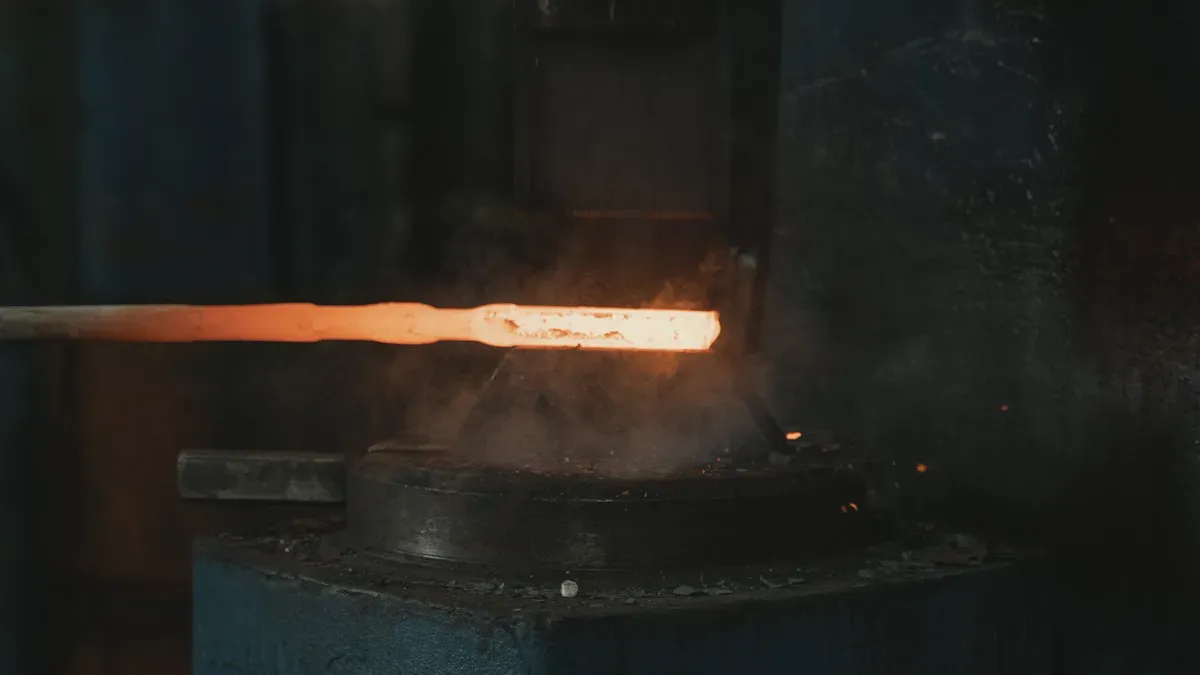
Mechanical alignment errors cause big defects.
They harm your assembly line.
Strictly control part fit-up.
Fix inductor geometry and hardware.
This eliminates common mechanical problems.
Joint Clearance Errors and Capillary Flow Failure
Bad fit-up stops filler metal flow.
This happens during induction brazing.
Keep tight clearances under 0.2 mm.
Keep gaps above 0.05 mm.
Clean all metal surfaces well.
Remove shop dirt and oils.
Remove all oxides too.
Correct gaps cause capillary action.
This pulls liquid alloy smoothly.
It enters the joint area.
Proper clearance creates strong joints.
This works every induction brazing cycle.
Improper Coil Spacing and Barber-Pole Heating
Bad inductor geometry heats unevenly.
Coil loops far apart cause spirals.
These are spiral thermal patterns.
Operators call this striping effect “barber-pole”.
It happens on cylindrical parts.
Re-center all inductor turns.
This balances heat during induction brazing.
Tip: Keep coil turn spacing tight. Make it symmetrical around cylindrical parts. This stops hot spots and structural failure.
Coil Faceplate Leaks and Alignment Instability
Frequent coil changeovers speed wear.
Shifting cracks small copper joints.
These sit behind faceplates.
This causes coolant fluid leaks.
| Defect | Primary Cause | Correction Strategy |
|---|---|---|
| Fluid Leaks | Cracked copper joints | Inspect faceplate connections regularly |
| Capillary Stoppage | Gap exceeds 0.2 mm | Recalibrate fit-up tolerances |
| Striped Heating | Wide loop distance | Re-space inductor turns evenly |
Firm alignment keeps joint quality high.
This helps big production runs.
Manage your brazing process carefully.
This gives consistent thermal results.
Precision setups boost brazing performance.
Proper brazing methods protect parts.
They stop dangerous heat stress.
Check induction brazing tools often.
This maintains total process stability.
Thermal Management and Equipment Controls
Overheating and Dissimilar Metal Cracking
Metals expand at different rates. Copper and steel create stress. Fast heat forms deep cracks. You must pre-heat parts evenly. Expansion balances out very fast. This keeps metal joints safe.
Power Delivery Control with Canroon Systems
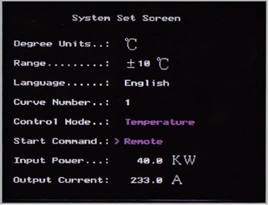
High power burns flux quickly. Heat ruins all raw parts. Canroon systems fix thermal problems. They adjust energy very well. Heat rises at steady rates. Smart controls protect metal strength.
Infrastructure Routing and Chiller Integration
Upgrading plants needs good plans. Induction brazing needs steady power. Stable voltage prevents heat drops. Add closed-loop chillers for cooling.
Note: Chillers cool hot coils fast. Water cooling saves expensive tools. It keeps the process steady.
| System Requirement | Primary Purpose | Facility Benefit |
|---|---|---|
| Dedicated Power Line | Keeps steady voltage | Prevents power drops |
| Closed-Loop Chiller | Cools copper coils | Protects machine parts |
Good wiring prevents costly downtime. Better chillers support long runs.
Material and Process Induction Brazing Solutions
Flux Burnout and Oxide Formation
Fast heating burns your flux.
Hot flux stops working fast.
Hot bare metal touches air.
Heavy oxides fill the gap.
Match heat to flux limits.
Smooth power guards flux chemistry.
Alloy Selection for Rapid-Cycle Induction Brazing
Fast cycles need good alloys.
Pick fast-flowing silver or copper.
Use wire or paste forms.
They melt very quickly.
Quick melting stops oxide damage.
Good forms yield solid joints.
Proper setups bring great results.
Surface Contamination and Pre-Brazing Cleaning
Dirt blocks liquid metal flow.
Flux cannot clean heavy grease.
Clean parts before heating them.
- Remove oil with good solvents.
- Scrub off rust using tools.
Solvents wash away thick oils.
Water-based lubricants need special soaps.
Scraping wheels remove tough rust.
Avoid oxide blasting media.
Dust ruins clean metal joints.
Modern machines spread heat evenly.
| Cleaning Phase | Target Contaminant | Recommended Techniques / Solvents | Key Considerations |
|---|---|---|---|
| Phase 1: Degreasing | Oils and Grease | Acetone, vapor degreasers, aqueous solvents | Apply before oxide removal; match solvent to oil type |
| Phase 2: Oxide Removal | Rust and Oxides | Stainless grinding wheels, metallic grit blasting | Use metallic media only to avoid joint contamination |
Clean metals prevent bad joints.
Master heat to fix issues.
Good prep brings top results.
Quality Control and Preventive Maintenance
Non-Destructive Inspection Frameworks
Check joint strength after every cycle.
Safe testing protects your finished parts.
Eye checks find surface holes quickly.
Sound waves show hidden inner gaps.
Heat cameras track real heating patterns.
These tools check joint quality safely.
High-frequency induction brazing needs full filling.
This helps withstand heavy mechanical stress.
Early tests catch factory line defects.
Routine System Maintenance with Canroon Equipment
Daily care helps machines last longer.
It keeps daily factory output steady.
Canroon tools make daily checks easy.
Use them during induction brazing jobs.
Check copper coils daily for wear.
Look for dark dirt and rust.
Clean dirty spots for good power flow.
Check chiller water pressure levels often.
Low water flow harms power parts.
This happens during high-power induction brazing.
💡 Maintenance Tip: Reset heat sensors every month. Correct readings keep the brazing process steady.
Watch live alerts on Canroon panels.
Update software for new metal alloys.
Good care stops coil heat damage.
Follow simple steps for every shift.
This helps maintain strong induction brazing.
You stop sudden machine breakdown delays.
This improves overall brazing performance fully.
Fix induction brazing issues fast.
Use smart steps for each error.
Check your machine setups daily.
Keep gaps small and tight.
Align coils very carefully now.
Control overall heat output well.
Use reliable Canroon power units.
Add water chillers for cooling.
This brings steady joint strength.
It makes every part strong.
| Core Engineering Metric | Operational Limits | Pre-Tuned Performance | Non-Pre-Tuned Performance |
|---|---|---|---|
| Mean / Average Absolute Temperature Error (°C) | ≤ 5.0 | 3.4 – 4.2 | 4.8 – 7.2 |
| Inter-Element Temperature Difference (°C) | ≤ 10.0 | 7.4 – 7.6 | 12.3 – 14.9 |
| Temperature Overshoot (°C) | ≤ 10.0 | 7.9 – 8.2 | 8.9 – 21.1 |
| Successful Process Rate / Completion (%) | ≥ 98% – 99% | 92% – 98% | 14% |
Try great induction brazing methods.
Improve your factory line today.
Good brazing process tools protect parts.
They help your shop output.
FAQ
What is the ideal joint clearance for induction brazing?
Keep gaps from 0.05 mm to 0.2 mm.
Capillary action needs this small size.
Gaps past 0.2 mm stop liquid metal.
Smaller gaps block full joint filling.
How do you prevent oxide formation during the brazing process?
Clean metals using solvents first.
Watch flux temperature limits while heating.
Digital controls guide induction brazing tools.
These smart units stop flux burnout.
They shield bare parts from air damage.
Why does barber-pole heating occur on cylindrical parts?
Far coil loops make spiral heat paths.
Fix this issue very quickly:
- Center all inductor loops
- Space loop turns closely
- Match coil shapes evenly
Balanced positions spread heat smoothly.
How do closed-loop chillers protect induction equipment?
Chillers send cold water into copper coils.
This water guards costly power parts.
Steady cooling keeps heating cycles smooth.