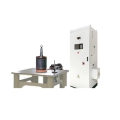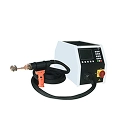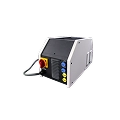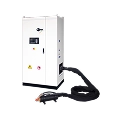





You use pwht, or post weld heat treatment, to make welding better and safer. When you do post-weld heat treatment, you help keep steel parts strong and follow important rules. The table below shows how heat treatment helps keep things safe and strong:
| Evidence Type | Description |
|---|---|
| Strength Retention | Post-weld treatments can keep or make the strength better. |
| Standards Impact | Following rules stops joints from losing up to 30% strength. |
| Treatment Methodologies | New ways help keep things strong and think about costs. |
Canroon gives trusted help so you can get good welds and strong parts.
Key Takeaways
- Post-weld heat treatment (PWHT) makes welded materials stronger and safer. It lowers leftover stress and makes them tougher.
- Different materials need certain temperatures and times for PWHT. This helps carbon and stainless steels work their best.
- It is important to follow industry rules for PWHT. This stops problems like cracks and brittleness, especially when stress is high.
- Using the correct PWHT method can save time and money. It also makes welds better and helps work go faster.
- Canroon gives advanced PWHT solutions that use less energy and cut costs. This makes welded parts strong and long-lasting.
What is PWHT in Welding
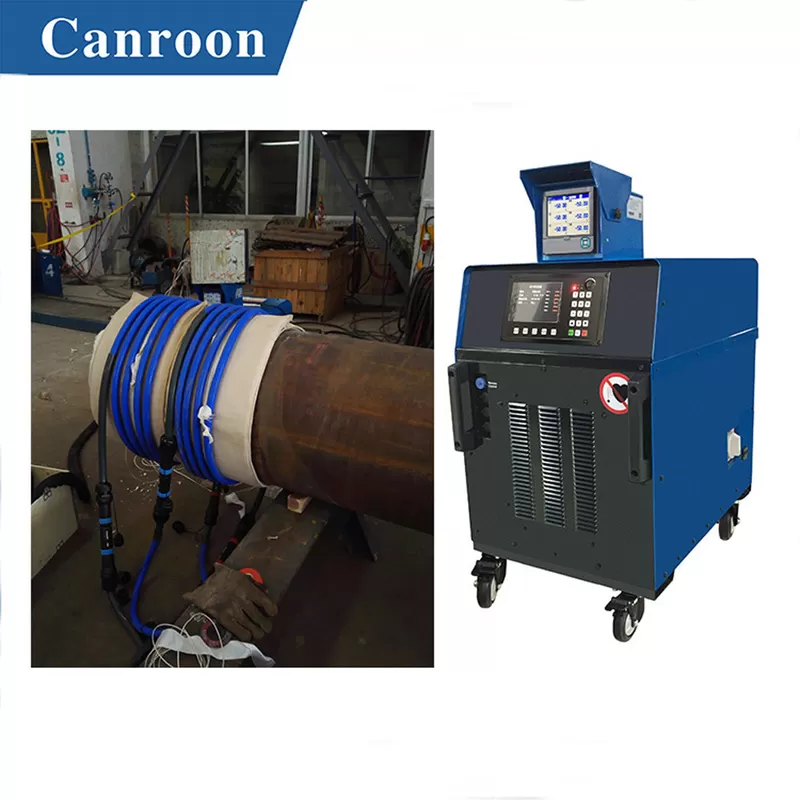
Definition of Post-Weld Heat Treatment
You use post-weld heat treatment to improve the quality and safety of welded materials. PWHT means you heat a welded part to a specific temperature and hold it there for a set time. This process helps change the structure of the metal after welding. You can see several important effects when you use heat treatment:
- PWHT reduces the leftover stress in welded materials.
- It helps the grains inside the metal rearrange, making the structure more even.
- Post-weld heat treatment improves how solid solutions and small particles spread out in the joint, which makes the weld stronger and tougher.
- If you keep the metal hot for too long, the grains can grow too big, and the structure can change in ways you do not want.
- Different ways of heating and cooling can change the metal’s structure and affect how strong or tough it is.
You can use post-weld heat treatment for many types of welding. Each method helps you get the right balance of strength and toughness. Canroon has deep experience in this area and can help you choose the best heat treatment for your project.
Purpose and Importance for Welded Materials
You need post-weld heat treatment for several reasons. The main goals are to make the welded part safer and stronger. The table below shows why you use PWHT and what it does:
| Reason | Explanation |
|---|---|
| Stress Relieving | PWHT helps to release leftover stresses that can cause cracks or other problems. |
| Hardness Control | You can adjust how hard the metal is after welding. |
| Enhancing Material Strength | PWHT makes the welded material stronger and more durable. |
When you weld, the heat can make the metal brittle or weak. Post-weld heat treatment helps fix these problems. You get better toughness in the welded joint, which means the part is less likely to break. Without PWHT, you may not reach the toughness you need for safe use.
You also use heat treatment to stop cracks from forming. It helps the metal handle stress and keeps it from breaking over time. This is very important for steel and other alloys. PWHT brings back the good qualities of the metal that welding can take away.
You can trust Canroon to guide you through the right steps for post-weld heat treatment. Their knowledge helps you get strong, safe, and long-lasting welded parts.
How Post-Weld Heat Treatment Works
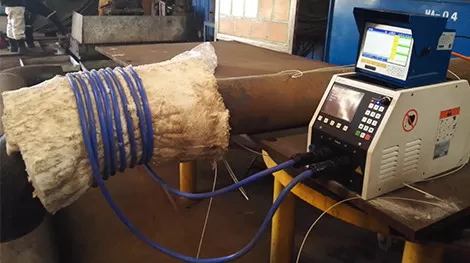
Key Factors: Temperature, Time, and Material
You need to watch a few things when you do post-weld heat treatment. The most important things are temperature, how long you hold it, and what material you use. You must pick the right temperature and time for each metal. For example, carbon steel and stainless steel need different heat ranges. The table below shows some common numbers:
| Material | Process | Temperature Range (°C) | Temperature Range (°F) | Holding Time |
|---|---|---|---|---|
| Carbon Steel | Stress Relieve | 580 – 650 | 1076 – 1202 | Varies |
| Stainless Steel | Stress Relieve | 593 – 816 | 1100 – 1500 | Varies |
You also need to control how fast you heat and cool the metal. If you heat or cool too quickly, you can get cracks or change the metal in the heat-affected zone. You must manage the temperature so you do not get hot spots or extra stress.
Common PWHT Methods in Welding
There are different ways to do post-weld heat treatment. Each way works best for certain jobs. The most common ways are:
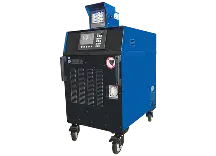
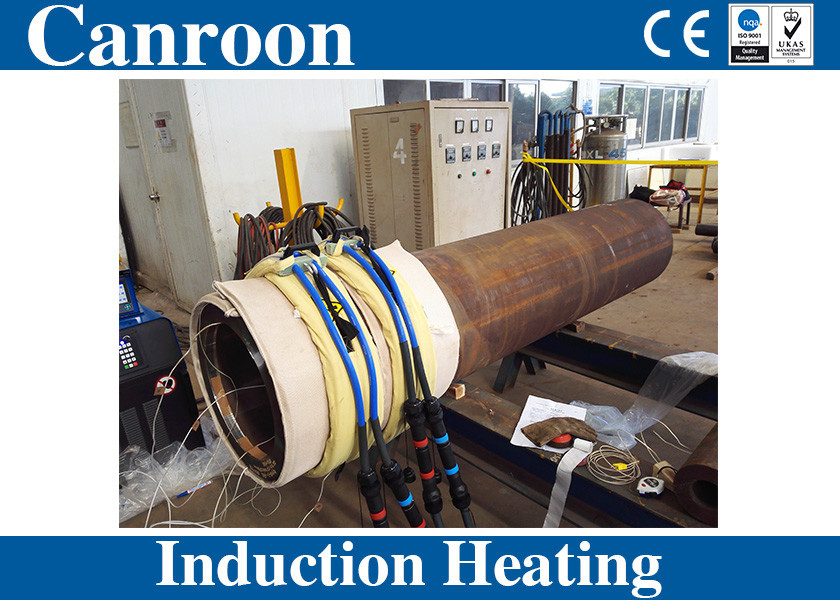
- Induction heating uses coils to heat the weld area. This is good for round welds, like on pipelines.
- Resistance heating uses pads or bands to heat the metal. This works well for straight or flat welds.
- Exothermic chemical methods use packs that make heat with chemical reactions. This is helpful for fixing things in the field.
You often use local post-weld heat treatment for big structures, like storage tanks and pressure vessels. This saves energy and keeps the heated area small.
Stress Relief and Crack Prevention
Post-weld heat treatment helps lower leftover stresses. These stresses can cause cracks, especially in strong steel welds. When you heat the metal in a controlled way, it expands and shrinks evenly. This can relieve up to 80% of pulling stresses. You lower the chance of cracks from hydrogen and make the weld tougher. You also help the weld fight fatigue and bending. This matters for pipelines, pressure vessels, and storage tanks.
You can trust Canroon’s advanced systems for accurate heat treatment after welding. These systems help you meet asme pwht rules and make your welded parts stronger and more resistant to rust.
PWHT Metallurgical Benefits
Residual Stress Relief in Welds
Residual stresses happen after welding. These stresses can make the welded part weak. They can also cause cracks. Post-weld heat treatment lowers these stresses by 70-80%. This makes welds stronger and safer. The metal relaxes and avoids sudden breaks. You can use heat treatment for carbon steels and stainless steels. This helps the structure stay strong.
- You lower the chance of cracks and brittle breaks.
- You make the welded area steadier.
- You help the part last longer in tough places.
Improved Toughness and Mechanical Properties
Welded materials need toughness to stop breaking. Post-weld heat treatment changes the microstructure in the weld and nearby metal. Using the right heat treatment improves toughness and mechanical properties. Studies show impact toughness can go up by 20-50 Joules. Ductility comes back, so the metal bends without breaking.
- You soften brittle microstructures.
- You lower high hardness in the heat-affected zone.
- You reduce hydrogen, which stops cold cracks.
Tip: Charpy impact tests show how tough the weld is after heat treatment. You can see how much energy the weld takes before it breaks.
| Improvement Type | Description |
|---|---|
| Residual Stress Reduction | PWHT relaxes residual stresses to about 20% of the yield strength, enhancing structural integrity. |
| Ductility and Toughness | Restores ductility and improves impact toughness, with Charpy V-notch values increasing by 20-50 J. |
| Corrosion Resistance | Improves resistance to stress corrosion cracking, extending service life in aggressive environments. |
| Hydrogen Diffusion | Reduces diffusible hydrogen levels from 10-20 ppm to below 5 ppm, mitigating cold cracking risks. |
| Microstructure Stabilization | Tempers brittle microstructures, promoting uniform load distribution and resistance to brittle failure. |
Restoring Material Properties After Welding
Welding changes the metal’s properties. Heat treatment after welding brings these properties back. You heat the metal to a set temperature. You hold it there and cool it slowly. This removes leftover stresses and makes the microstructure better. Ductility and toughness return after welding.
- You help the metal expand and shrink evenly.
- You balance hardness and toughness.
- You make sure the welded part can handle daily use.
Post-weld heat treatment fixes problems from fast heating and cooling. The metal becomes more stable and relaxed. You improve performance and make welded parts last longer.
When PWHT is Required
Industry Standards and Service Conditions
You have to follow industry standards to know if you need post-weld heat treatment. These rules help keep welded parts safe and strong. The table below lists some important standards and what they cover:
| Standard | Description |
|---|---|
| ASME B31.3 | Governs process piping and specifies PWHT requirements for certain applications. |
| ASME Section VIII Div. 1 | Covers pressure vessels and includes mandatory PWHT for welded joints. |
| API 650 | Pertains to the design and construction of storage tanks, including PWHT guidelines. |
| AWS D1.1 | Specifies welding requirements for structural steel, including PWHT. |
| PCC-2 | Provides guidelines for post-weld heat treatment in pressure equipment. |
You should check the asme pwht requirements for your project. Service conditions are also very important. When you weld, you melt the base metal and the weld metal. This changes the grain structure in the heat-affected zone. The highest temperature, how long you hold it, and how fast you cool it all change the final properties. If your part will face high pressure, heat, or chemicals, you need post-weld heat treatment. This stops cracks and keeps the weld tough.
Note: Service conditions like stress, temperature, and chemicals can cause problems. These problems include stress corrosion cracking, fatigue cracking, or brittle fracture. You use heat treatment to protect against these issues.
Material and Weld Type Considerations
You need to think about the material and the weld type. Some materials need heat treatment after welding more than others. The table below shows common materials and why you use heat treatment:
| Material/Application | Reason for PWHT |
|---|---|
| Pressure vessels | To manage extreme pressures and enhance mechanical properties. |
| Pipelines | To minimize risks of brittle fracture and hydrogen-induced cracking. |
| Heavy machinery | To ensure reliability and prevent premature failure under heavy loads. |
| Aerospace components | To improve toughness and resistance to cracking under high stresses. |
| Storage tanks | To enhance resistance to corrosion and ensure structural stability. |
| High-temperature systems | To prepare materials for demanding operational stresses like creep and thermal cycling. |
You use post-weld heat treatment for stainless steels, carbon steels, and other alloys. You also need it for thick welds or when you join parts that will face high stress. If you work with pipelines or pressure vessels, you must follow strict rules to keep the welds safe.
Special Cases and Exceptions
Not every weld needs pwht. There are some exceptions, especially for low-alloy steels. The table below shows when you can skip or must use heat treatment:
| Exception Type | Condition |
|---|---|
| Omission of PWHT | For carbon steel welds under 19 mm (3/4 in.) thickness in non-critical piping applications. |
| Mandatory PWHT | For welds in sour environments to mitigate hydrogen-induced cracking risks under NACE conditions. |
You can skip heat treatment for thin carbon steel welds in non-critical jobs. You must use it for welds in sour service to stop hydrogen-induced cracking. Always check the rules for your material and job. You keep your welded parts safe and long-lasting when you follow the right steps for post-weld heat treatment.
Drawbacks and Cost Considerations
Potential Risks and Limitations
There are some risks when you use post-weld heat treatment. If you do not follow the right steps, your weld can have problems. Here are some main risks:
- Brittle fracture risk goes up if you leave residual stresses.
- Machining can get harder if you skip heat treatment.
- Stress corrosion can attack the weld if you do not relieve stresses.
- The heat-affected zone and weld metal can get softer and lose strength.
- Yield strength drops by 5-10% in quenched and tempered alloys.
- Distortion, warping, or buckling can happen and cost more to fix.
- Tensile and creep strength can go down, causing early failure.
- Fracture toughness drops and brittleness increases, making the weld weaker.
- The weld can corrode and crack more easily, shortening its life.
- Parts can fail early if you ignore proper heat treatment.
Note: Watch out for hydrogen-induced cracking in process equipment and stainless steels. This problem can cause sudden breaks.
Economic Impact of Heat Treatment
Post-weld heat treatment can cost a lot of money. You need lots of energy to heat big parts. The process can take hours or days, depending on thickness. For example, you may need one hour per inch at 550–625°C for carbon steels. Long holding times can delay your project, especially for thick pressure vessels. You also need special tools, insulation, and skilled workers. These needs make your costs go up. Extra downtime and labor can raise expenses for process equipment and large structures.
Optimizing PWHT with Canroon
You can save money and keep quality high by using smart strategies. Here are some ways to make post-weld heat treatment better:
- Pick the right method for your material, like stainless steels or carbon steels.
- Use stress relief to lower leftover stresses.
- Follow industry rules, including asme pwht requirements, to avoid mistakes.
Canroon’s technology helps you save money and energy. The table below shows how Canroon compares to other companies:
| Aspect | Canroon Electrical Appliances | Competitors |
|---|---|---|
| Energy Efficiency | High | Varies |
| Operational Costs | Lower due to efficiency | Higher in some cases |
| Environmental Impact | Positive | Varies |
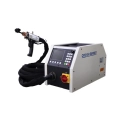
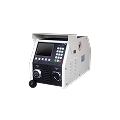
Canroon uses induction heating to heat metal directly. This method makes jobs faster and can cut time in half. You pay less for utilities and may get rebates for saving energy. Controlled heating helps fight corrosion and keeps your welds strong.
You help keep welded parts safe and strong by using post-weld heat treatment. PWHT gives you many good things, like less stress, better toughness, and stronger protection from rust. Canroon helps you with special induction heating systems. These systems make your work safer and faster. You should always think about PWHT for important fixes and upgrades. If you want to know more, look up information about types, uses, and rules for important repairs.
- Learn the basics of PWHT.
- Think about what your job needs.
- Pick the best process and tools.
FAQ
What does PWHT stand for?
PWHT stands for Post-Weld Heat Treatment. You use it to heat welded parts after welding. This process helps make the weld stronger and safer.
Do all welds need PWHT?
No, you do not need PWHT for every weld. You use it for thick, high-stress, or critical welds. Always check the rules for your project.
How do you know the right PWHT temperature?
You check the material type and follow industry standards. For example, carbon steel needs a different temperature than stainless steel. Always use a trusted chart or guide.
Can you skip PWHT to save time?
Skipping PWHT can make welds weak or unsafe. You risk cracks, early failure, or not meeting safety codes. Always follow the correct process.
What is the main benefit of PWHT?
You get stronger, safer, and longer-lasting welds. PWHT helps remove stress, improves toughness, and stops cracks from forming.