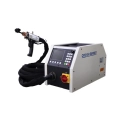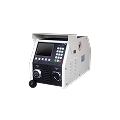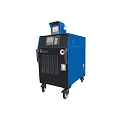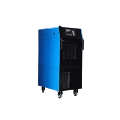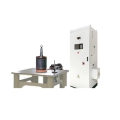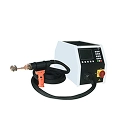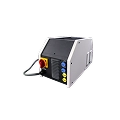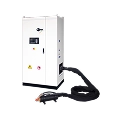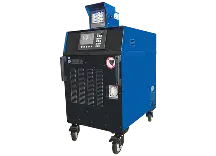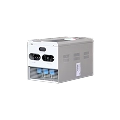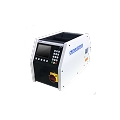





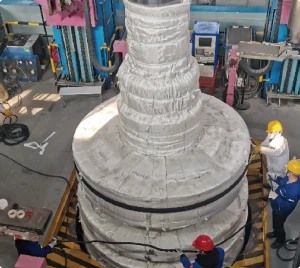
You use induction heating to put in and take out bearings fast and accurately. Induction heating uses a magnetic field on the bearing. The metal gets hot without touching anything. This way, you do not hurt the bearing and your work area stays safe. Advanced bearing heater devices, like the ones from Canroon, let you control the temperature exactly. Many industries pick induction heating because it makes assembly faster and cuts down on waiting time. Induction heating keeps the bearing from bending and helps it last longer.
Key Takeaways
- Induction heating lets you install and remove bearings quickly. It does not hurt the bearing.
- This way keeps your workspace neat and safe. It removes dangers from fire and smoke.
- Induction heating uses less energy and lowers costs. It heats only the bearing, not the air around it.
- Always wear safety gear like goggles and gloves. This keeps you safe when using induction heaters.
- Pick the right induction heater for the bearing’s size and type. This helps it work well and keeps you safe.
Induction Heating for Bearings
How Induction Heating Works
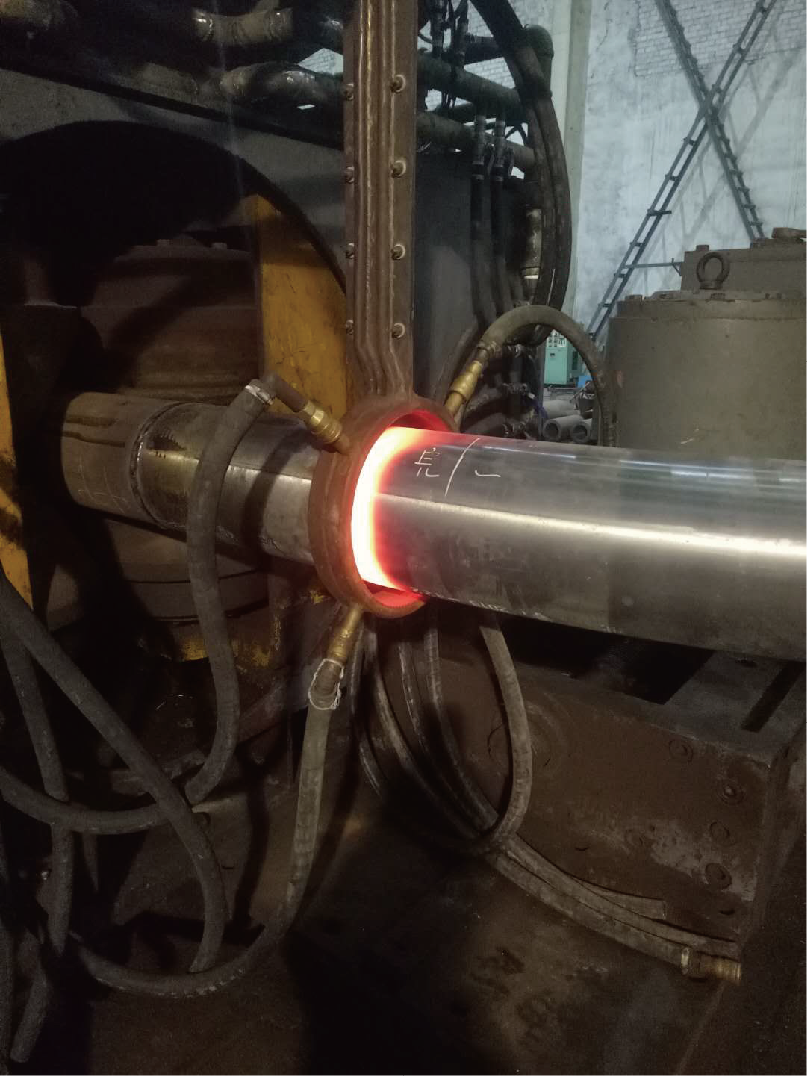
Induction heating helps you put in and take out bearings. It works by sending electric current through a coil. The coil makes a magnetic field around the bearing. The metal in the bearing gets hot from the magnetic field. You do not have to touch the bearing or use fire. The heat comes from inside the metal, so it heats evenly. When the bearing gets hot, it gets bigger and fits on a shaft. If you want to take the bearing off, you heat it so it gets loose and comes off easily. You can use special equipment to control the temperature. This stops the bearing from getting too hot or damaged.
Tip: Induction heating lets you set the right temperature. You can pick the best heat for each bearing size and material.
Here is a table that shows the best heating ranges for most bearings:
| Bearing Type/Material | Recommended Heating Range (°F) | Recommended Heating Range (°C) |
|---|---|---|
| Most Bearings | 230–250 | 110–120 |
Key Benefits for Installation and Removal
Induction heating gives you many good things when working with bearings. It is fast and works well. You only heat the bearing, not the air or other parts. This saves time because it heats up quickly. You do not use oil or fire, so you keep things clean. Induction heating lets you pick the right temperature, so you do not overheat the bearing. Your work area stays safe and tidy.
- Induction heating lets you control the heat very well.
- You do not have to worry about fires or lots of cleaning.
- The process is cleaner and keeps out dirt.
- The heat spreads evenly, so the bearing does not get hurt and lasts longer.
- You lower the chance of hurting the bearing or getting it dirty.
- Induction heating uses less energy because it only heats the bearing.
- The demagnetization feature helps stop future dirt problems.
You keep the bearing safe from inside stress. Even heating stops cracks, bending, and shaking. You can use two temperature probes to check both the inside and outside of the bearing. This helps you stop heat differences that can cause damage.
Common Bearing Types Heated
Induction heating works for many kinds of bearings. The most used types are cylindrical bearings and needle roller bearings. You also use induction bearing heaters for even heating. Hot plate bearing heaters are good for small bearings. Cone-style bearing heaters heat up different sizes fast and in one spot.
- Cylindrical bearings
- Needle roller bearings
- Ball bearings
- Tapered roller bearings
You pick the right heating tool based on the bearing’s size and type. Induction heating for bearings is used in many jobs, like making things, fixing cars, and doing maintenance.
Bearing Induction Heaters vs. Traditional Methods
Precision and Safety Advantages
You want your bearing work to be safe and correct. Bearing induction heaters heat bearings evenly and exactly. You do not need to worry about too much heat or uneven spots. Old ways, like using fire or ovens, can heat bearings unevenly. This can hurt the bearing. These old ways can also cause fires or burns. Bearing induction heaters have automatic shutoff. You keep your workspace clean and do not breathe in bad fumes.
Here is a table that shows the difference:
| Feature | Bearing Induction Heaters | Traditional Methods (Open Flames/Ovens) |
|---|---|---|
| Precision Heating | Uniform and precise heating, minimizing overheating risks | Inconsistent heating, higher risk of damage |
| Safety | No fire risk, clean operation, automatic shutoff features | Fire hazards, exposure to fumes and burns |
Note: Induction heating gives you more control and keeps you safer. Canroon’s bearing induction heaters protect from too much heat and let you set the temperature easily.
Damage Prevention and Efficiency
Induction heating helps you keep bearings safe. Bearing induction heaters heat bearings evenly and gently. This stops stress on the rolling parts. Both rings get bigger at the same time. You lower the chance of hurting the bearing when you put it in or take it out. Induction heating does not change the bearing’s material. Fast heating from other ways can damage the bearing.
- Induction heaters heat bearings evenly and gently, so rolling parts do not get stressed.
- Both rings get bigger together, which lowers the chance of damage when you install or remove the bearing.
- Induction heating does not change the bearing’s material, unlike fast heating methods.
Canroon’s bearing induction heaters help you work quickly and safely. You do not waste time fixing broken bearings.
Cost and Time Savings
Induction heating saves you money and time. Bearing induction heaters use less energy than ovens or resistance heating. You do not lose energy through touching or heat escaping. You only heat the bearing, not the air or other parts. This makes installing bearings fast and easy.
| Heating Method | Energy Efficiency | Energy Losses |
|---|---|---|
| Induction Heating | High | Minimal energy waste |
| Resistance Heating | Low | Energy lost through contact and heat escape |
Tip: Canroon’s bearing induction heaters help you finish jobs faster and save money on energy. You get good results every time.
Safety and Best Practices
Safe Operation Guidelines
You must be careful when using bearing induction heaters. Induction heating gets very hot, so you need to stay safe. Always wear safety goggles to protect your eyes. Put on heat-resistant gloves to keep your hands safe. Wear protective clothes and closed-toe shoes to avoid burns. These things help stop injuries from touching hot parts. Before you start, check the induction heater to make sure it works. Put the machine on a flat surface so it does not tip over. Center the bearing or workpiece in the right spot. Watch the heating process closely and follow the manufacturer’s instructions. By checking your equipment and paying attention, you keep your area safe and avoid accidents.
- Always wear safety goggles and heat-resistant gloves.
- Use protective clothing and closed-toe shoes every time.
- Check the induction heater before you use it.
- Make sure the machine is stable and the bearing is centered.
- Watch the heating and follow the manufacturer’s rules.
Tip: You stay safer and get better results if you follow these steps each time you use induction heating.
Overheating Protection Features
Modern bearing induction heaters have special features to stop overheating. These features help keep bearings safe and make heating safer. Automatic shutoff turns off the heater if it gets too hot. You can set the temperature you want, and the heater keeps it steady. Dual temperature probes let you check both inside and outside the bearing. International safety rules make companies build safer and cleaner induction heaters. These new features help you because they make induction heating work better and safer.
Maintenance Tips
You need to take care of your bearing induction heaters to keep them working well. Doing regular checks helps stop problems and keeps heating safe. You should look at the equipment every day, week, and month. The table below shows what to do:
| Frequency | Maintenance Practices |
|---|---|
| Daily Inspection | Look for leaks, check quench concentration, see water levels, check inductor, watch warning lights, listen for odd noises. |
| Weekly Maintenance | Clean the induction coil, check quench filters, test cooling water, make sure workpiece is lined up. |
| Monthly / Quarterly Maintenance | Do thermal scans, check fasteners, look at cooling hoses, test safety circuits, check sacrificial anodes. |
You keep your induction heater in good shape by following these steps. Clean the coil and look for any damage. Watch the heating time and check the cooling system. Put the machine away safely when you finish. These steps help your bearing induction heaters last longer and work their best.
Choosing a Bearing Heater
Key Selection Factors
You need to pick the best bearing heater for your work. First, think about the size and type of bearing you will heat. Check how fast and strong each induction heater is. Some bearings need to get hot quickly. Others need slow and even heat. Make sure the heater has temperature controls and safety features. See if it fits in your workspace and is easy to move. If you use many kinds of bearings, pick a heater that works for different sizes. Always check if the heater follows your industry’s safety rules.
Tip: Pick a bearing heater with automatic shutoff and dual temperature probes. These features help keep you safe.
Canroon Solutions
Canroon has many bearing induction heaters for different jobs. Their models have strong coils and smart controls. These heaters warm bearings evenly and help stop damage. Canroon’s products get high ratings from customers. Many people say they are simple to use and last a long time.
| Rating | Number of Reviews |
|---|---|
| 4.9 | 74 |
You can trust Canroon’s bearing heaters for small or big bearings. The heaters have demagnetization and overheating protection. You can set the right temperature for each job. This helps you get good results every time.
Application Scenarios
People use bearing induction heaters in many industries. Car factories use them to put bearings in engines and wheels. Power plants use them for turbines and generators. Aerospace companies use them for landing gears and engines. Railways use them for big bearings in trains. Manufacturing plants use them for machine tools and conveyor belts.
| Industry | Application |
|---|---|
| Automobiles | Mounting bearings in engines, wheel hubs, etc. |
| Power Generation | Installing bearings in turbines, generators, and more. |
| Aerospace | Fitting bearings in landing gears, shafts, and engines. |
| Railways | Fitting large bearings in locomotives and rolling stock. |
| Manufacturing | Mounting bearings on machine tools, conveyor belts, etc. |
Each industry needs something special. Car makers want fast heating to keep lines moving. Manufacturing plants want to save energy and be exact. Railways need quick and even heat for hard jobs. Aerospace companies follow strict rules for safety and quality. Energy companies use induction to make turbines work better and last longer.
You get lots of good things when you use induction heating for bearing installation and removal. The right bearing heater helps you finish jobs faster. It keeps the temperature steady and uses less energy. You also make your machines last longer and spend less money fixing them.
| Benefit | Description |
|---|---|
| Reduce cycle times | Induction heaters heat up bearings quickly. |
| Improve temperature consistency | Heats evenly, so parts do not get stressed. |
| Lower energy consumption | Uses less energy, which saves you money. |
| Extend equipment life | Good heating stops extra wear on your machines. |
| Reduce maintenance requirements | You do not need to fix things as often. |
You should always be safe and use the right tools for every job. Canroon has bearing heaters you can trust to help you work. In the future, there will be even smarter and more energy-saving induction systems as industries grow and change.
FAQ
How does induction heating keep bearings safe?
Induction heating warms bearings evenly. You do not touch the bearing with tools or flames. This method lowers the risk of cracks, bends, or dirt. You keep your bearings in good shape for longer use.
Can you use induction heating for all bearing sizes?
You can use induction heating for most bearing sizes. Small, medium, and large bearings all work with the right heater. Always check your heater’s size range before you start.
What safety gear should you wear?
You should wear safety goggles, heat-resistant gloves, and closed-toe shoes. Protective clothing helps prevent burns. Always follow the safety rules from the heater’s manual.
How long does it take to heat a bearing?
Heating time depends on the bearing’s size and the heater’s power. Most bearings heat up in a few minutes. You save time compared to ovens or open flames.