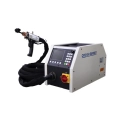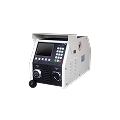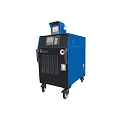




You can heat many metals using induction heating metals. These include steel, iron, nickel, copper, aluminum, brass, gold, and silver. These materials work well because they allow electricity to flow easily. Canroon helps you choose the best metal for your needs.
Основные выводы
- Induction heating works best with metals that carry electricity well, like steel and iron. These metals get hot fast and use energy well.
- Non-ferrous metals, like copper and aluminum, can also be heated. But they may need special coils and more power because they are less magnetic.
- Always check if your material can be heated by induction. Ask experts like Canroon for help with the best materials and ways for your needs.
Induction Heating Metals
Ferrous Metals
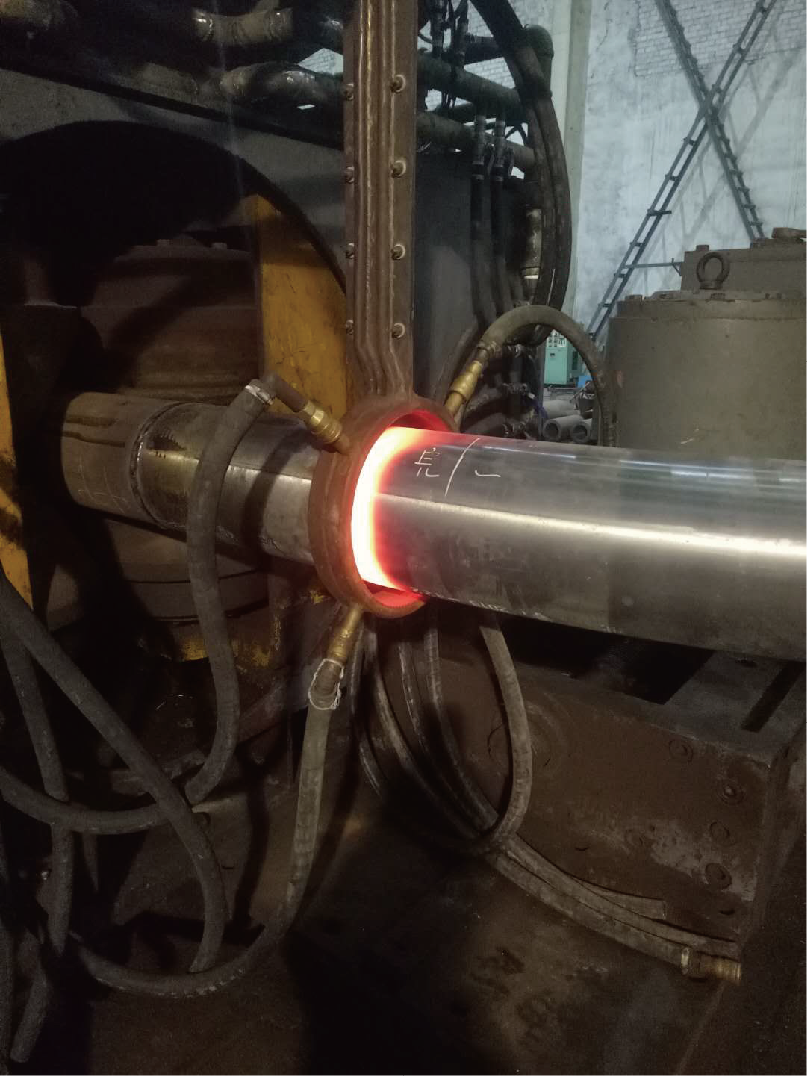
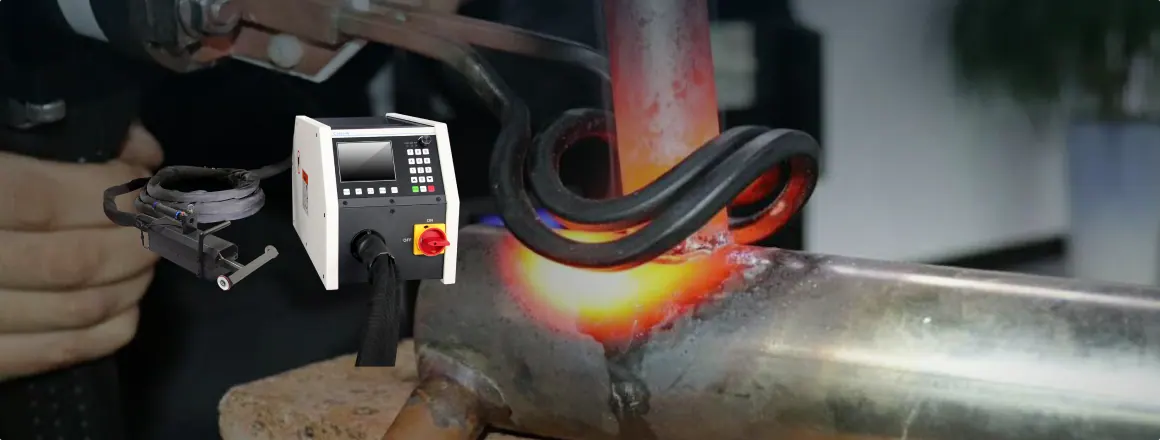
Induction heating technology heats ferrous metals very well. These metals are steel, alloy steel, carbon steel, cast iron, and wrought iron. Ferromagnetic metals like steel, iron, and nickel heat best with induction heating metals. This is because they use both eddy current and hysteresis heating. That makes them great for many jobs in factories.
- Common ferrous metals for induction heating:
- Steel (alloy, carbon, stainless)
- Cast iron
- Wrought iron
You see these metals in buildings, cars, shipping containers, train tracks, tools, and hardware. People often pick steel first for induction heating metal jobs. Steel heats up fast and evenly. Induction heating technology is used for heat treating, hardening, forging, welding, and induction annealing. You can also use it for induction brazing and soldering with steel. Canroon can help you pick the right induction coil and settings for your steel parts.
Совет: Ferromagnetic metals heat up faster and better than other materials. You can save energy and time if you use steel or iron for your induction heating process.
Non-Ferrous Metals
Induction heating technology can also heat non-ferrous metals. These metals do not have strong magnetic properties. But they still let electricity flow. Some common non-ferrous metals are copper, aluminum, brass, gold, silver, titanium, and platinum.
- Non-ferrous metals and their uses:
- Titanium: Used for surgical tools and airplane parts. Needs careful heat control.
- Aluminum: Heated for billets and alloys. Induction heating metals give heat without touching.
- Brass: Used in defense and airplanes. Induction annealing is often used.
- Gold and Silver: Used for melting and casting.
- Copper: Heated for brazing pipes. Induction brazing is safer than using a flame.
- Platinum: Used for annealing and hardening.
Copper and aluminum are non-ferrous metals with high electrical conductivity. They carry induced currents very well. But they do not get as hot as steel. You might need more power or a special induction coil to heat these metals. Induction heating technology still gives fast, clean, and focused heat for these jobs. Canroon can help you choose the best induction heating metal and equipment for your needs.
Semi-Conductors and Conductive Non-Metals
Some semi-conductors and conductive non-metals can be heated by induction. Induction heating technology works for materials like silicon, silicon carbide, and graphite. These materials are important in electronics, high-heat jobs, and crystal growth.
| Material | Electrical Conductivity (S/m) | Heating Application |
|---|---|---|
| Graphite | 700 – 2000 | Индукционный нагрев |
| Silicon Carbide | 0.1 – 10 | Resistance heating |
| Metals | Varies (generally high) | Индукционный нагрев |
- Graphite has high electrical conductivity and can handle very high heat. You can use it for induction melting and casting.
- Silicon carbide does not conduct as well. It works better with resistance heating than with induction heating.
- Silicon is used for crystal growth and cleaning in electronics.
| Semiconductor | Типичные сценарии использования |
|---|---|
| Silicon | Electronics, crystal growth, purification |
| Silicon Carbide | High-temperature applications, electronics |
Graphite also handles sudden temperature changes very well. You can use it as a susceptor to heat non-conductive materials. The induction coil heats the graphite. Then the graphite gives heat to the material you want to heat.
Materials Not Suitable for Induction Heating
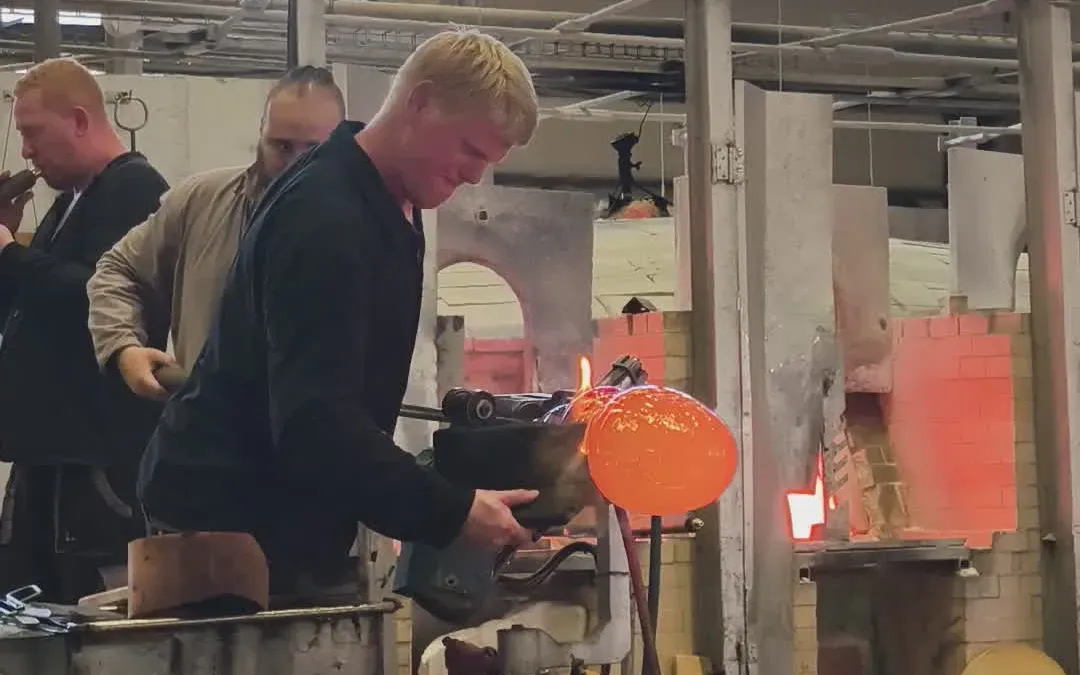
Some materials do not work well with induction heating metals. Non-conductive materials like glass, ceramics, and most plastics cannot be heated directly by induction heating technology. These materials do not let electric currents flow. So, they do not get hot in an induction coil.
- You can heat non-conductive materials by using a susceptor. The susceptor, often made of graphite, gets hot from the induction field and passes heat to the non-conductive material.
- Some metals, like aluminum, can be tricky. Their oxide layers can make induction brazing and welding hard. You need clean, oxide-free surfaces for good joints.
- Alloys that melt in a small range or have very reactive elements need careful temperature control during induction heating.
- Induction heating technology works best with metals and materials that conduct electricity. If you need to heat non-conductive materials, Canroon can help you find the right way.
Примечание: Always check if your material works with induction heating metal processes. Canroon’s experts can help you pick the best method for your job.
Factors Affecting Induction Heating
Магнитные свойства
Magnetic properties are very important in induction heating. Metals like iron and steel have high magnetic permeability. These metals heat up faster than others. This is because they use both eddy currents and magnetic losses. You can see in the table how permeability changes heating:
| Magnetic Permeability Level | Workpiece Power Effect | Coil Losses Effect |
|---|---|---|
| Low (<100) | Power goes up a lot | Coil losses rise slowly |
| Высокий | Less extra power | Coil losses go up a lot |
| Optimal | Best efficiency | Losses stay balanced |
When you heat ferrous metals, they can reach the Curie point. At this temperature, the metal loses its magnetic properties. After that, heating gets slower. For example, iron’s Curie temperature is between 1043°C and 1664°C.
Electrical Conductivity
Induction heating works best with materials that conduct electricity. When you put a metal in an induction coil, the coil makes a changing magnetic field. This field creates eddy currents inside the metal. The eddy currents meet resistance and turn into heat. Metals like copper and aluminum conduct electricity well, so they heat up fast.
- Higher conductivity makes stronger eddy currents.
- Stronger eddy currents create more heat.
Material Thickness and Shape
The thickness and shape of your material affect how heat spreads. The “skin effect” means high frequencies heat only the surface. Lower frequencies heat deeper into the metal. If you want to heat thick parts evenly, use lower frequencies. The shape of your part matters too. Parts with tricky shapes may need special coil designs.
Cooling is also important. You need to pick materials that work with your cooling system. This helps keep your process safe and efficient.
Induction Heating Metal Selection Tips
- Pick metals like steel, copper, or aluminum for good results.
- Check if the material conducts electricity well and handles heat.
- Make sure your coil design fits your part’s shape and size.
- Think about cooling needs and costs.
- Ask Canroon for help if you are not sure. Their experts can help you choose.
Совет: Always match your induction heating system to your material and job for the best results.
You should pick metals that let electricity flow well and have strong magnetic properties for induction heating. Having the right information about your material helps you get good results. Many businesses around the world use induction heating:
| Region | Market Size (2022) | Growth Dynamics |
|---|---|---|
| Северная Америка | $124.8 million | Moderate growth |
| Europe | $113.4 million | Government support |
| China | $74.1 million | Emerging market |
| Asia Pacific | Н/Д | Fast-growing area |
If you need help, talk to Canroon. Their team can help you pick the best materials and tools.
Часто задаваемые вопросы
What metals heat fastest with induction?
Steel and iron heat fastest. You get quick results because these metals have strong magnetic properties and conduct electricity well.
Can you heat non-metal materials with induction?
You cannot heat most non-metals directly. You can use a susceptor, like graphite, to transfer heat to non-conductive materials.
Do you need special coils for different metals?
Yes. You need to match your coil design to your metal type and shape. This helps you get even and efficient heating.