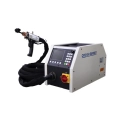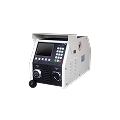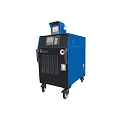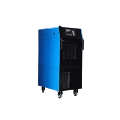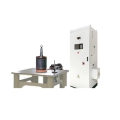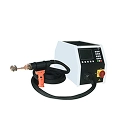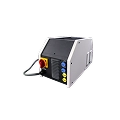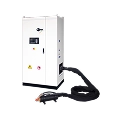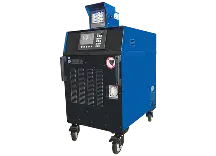





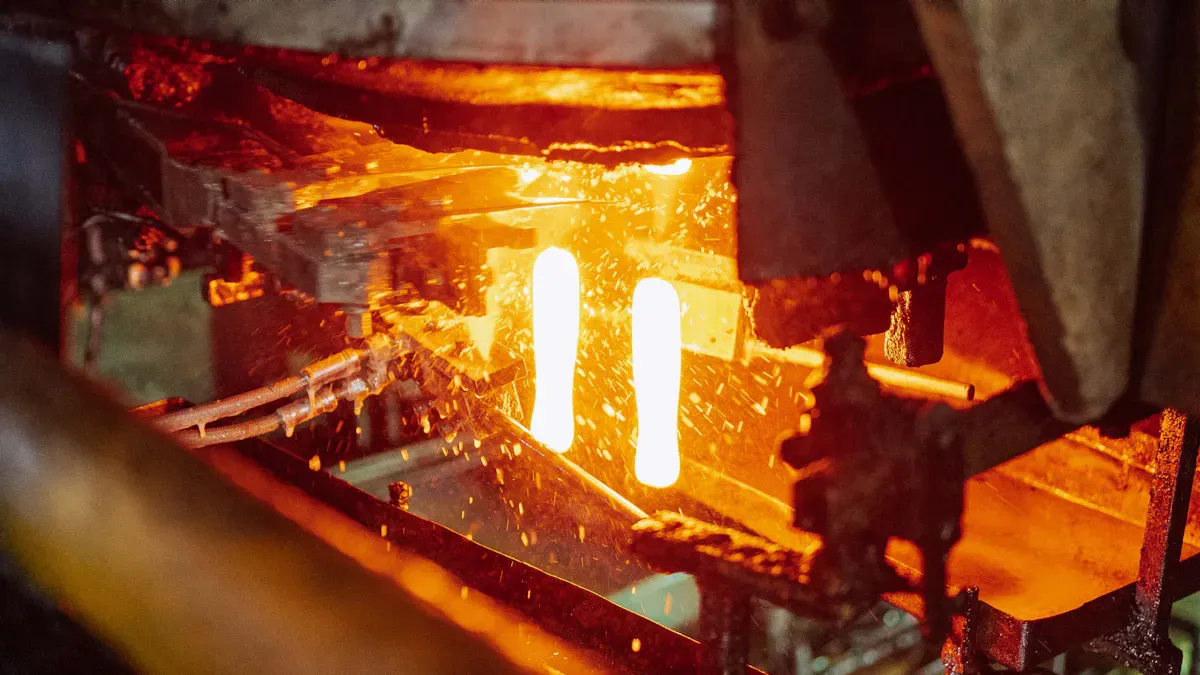
Industrial induction heating changes how companies make things and work with metal. This method uses electromagnetic fields to heat materials right away. It helps factories work faster and more accurately. Industry workers use industrial induction heating for quicker production and steady results. Canroon is a top company in this area. They give advanced solutions for industrial jobs.
- The global market size for industrial induction heating may reach USD 879.5 million by 2030.
- The market was worth USD 616.8 million in 2025.
- Experts think the market will grow 7.4% each year from 2025 to 2030.
Industrial induction heating makes work safer and cuts down on waste. Many industries use Canroon’s knowledge to get reliable and strong heating solutions.
Key Takeaways
- Industrial induction heating uses electromagnetic fields to heat things fast. It helps factories work quicker and more accurately.
- This method can save factories a lot of energy. It uses up to 95% less energy than old heating ways. This makes it cheaper for companies.
- Induction heating is safer because it does not use open flames. It lowers the chance of burns and keeps the workplace cleaner.
- Canroon has advanced induction heating solutions. These give exact temperature control. They help make results steady and trustworthy.
- Industries like automotive, aerospace, and energy use induction heating. It helps them make better products and waste less.
What Is Industrial Induction Heating
Core Principles
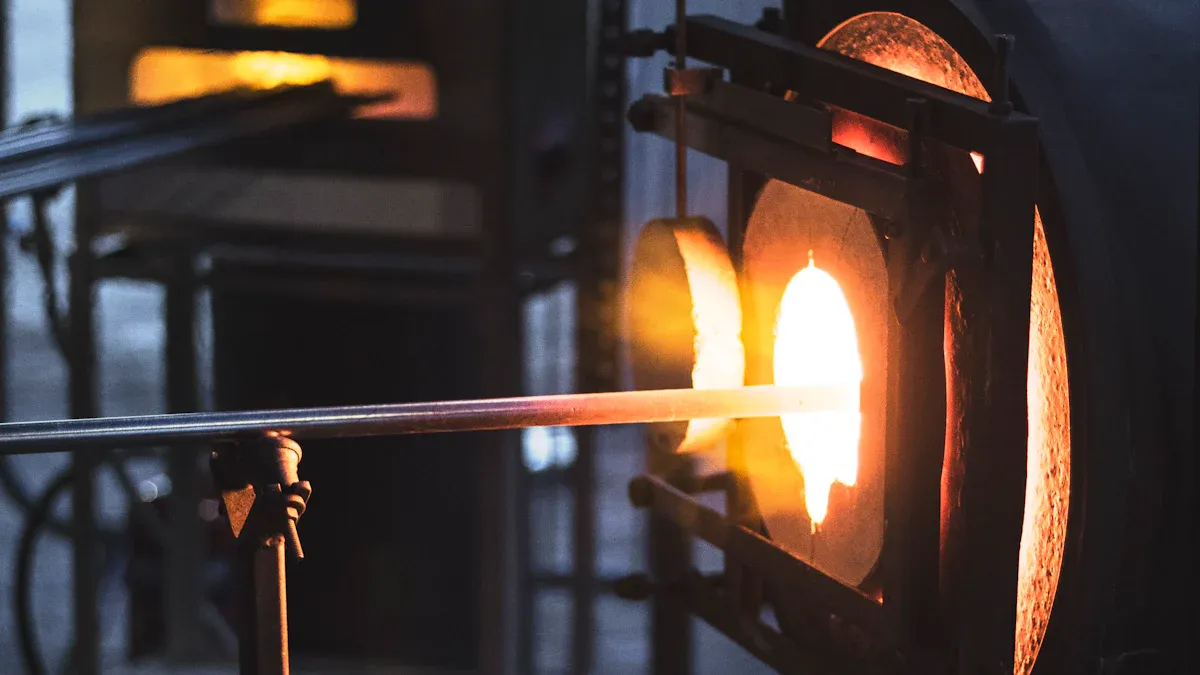
Industrial induction heating uses electromagnetic fields to heat metal. It also heats other materials that conduct electricity. The heat source does not touch the workpiece. Instead, it uses electromagnetic induction. First, an alternating current moves through a coil. This creates a magnetic field around the coil. The magnetic field makes eddy currents inside the material. The material’s resistance changes this energy into heat.
Induction heating is special because it heats only where needed. This helps companies save energy and make better products.
The main ideas behind induction heating are:
- An alternating current goes through the coil and makes a magnetic field.
- The magnetic field causes eddy currents in the workpiece.
- The material’s resistance turns electrical energy into heat.
The table below shows the main ideas:
| Principle | Description |
|---|---|
| Electromagnetic Induction | Induction heating uses Faraday’s law. A changing magnetic field makes an EMF in a conductor. |
| Skin Effect | Eddy currents stay near the surface. This makes heating work well. |
| Magnetic Hysteresis | Some materials keep a magnetic field. This helps control heating during the process. |
Induction heating makes heat inside the material. This lets people control the surface and inside temperatures very well. The process is fast and works well. Many factories use it for making things.
Key Benefits for Industry
Industrial induction heating gives many benefits to factories. Companies in car making, airplanes, oil and gas, power, electronics, and building use this technology to work better.
- Induction heating can be up to 90% efficient. Old heating methods are only 40–60% efficient.
- The process wastes less energy and makes things faster. Many companies finish jobs 50–70% quicker after switching to induction heating.
- Induction heating systems pay for themselves in 2–5 years. Using less energy, needing less fixing, and working faster saves money.
- The process lets workers control temperature very well. They can heat only the parts they need. This makes products better and cuts down on waste.
Industries that use induction heating the most are:
- Automotive – Hardening gears, axles, and crankshafts to make them last longer.
- Aerospace – Bonding and hardening metals with careful, no-touch heating.
- Oil & Gas – Welding pipes, stress relief, and heat treating for safety.
- Power Generation – Removing and fixing boiler tubes with less waiting.
- Manufacturing & Heavy Industry – Careful heat control for forging and brazing.
- Electronics – Soldering cleanly without hurting other parts.
- Railroad – Fixing wheels and axles faster and safer.
- Shipbuilding – Putting together hulls and engines quickly.
- Construction – Safer and faster rebar coating and bolt heating.
- Renewable Energy – Making and fixing wind turbine parts.
Induction heating helps keep workplaces safe and clean. There are no open flames or direct emissions. This helps companies protect the environment. Many industries use induction heating to make better products and stay ahead.
Canroon’s Expertise
Canroon is a trusted company for industrial induction heating. The company is known for giving reliable and advanced technology to factories. Canroon’s systems use digital control and series resonance technology. This makes heating precise and efficient.
Canroon’s products, like the CR2000 series, control temperature well and heat evenly. These features are important for welding preheat, post-weld heat treatment, and pipelines. Canroon’s solutions help companies get steady results and have less downtime.
Canroon has many certifications and patents. This shows they care about quality and new ideas:
| Certification Type | Number |
|---|---|
| CE | AT011505042E |
| CE | AT011505042S |
| Patent for Utility Model | ZL 2011 2 0288236.1 |
| CE | USG2016082601C-E |
| CE | USG2016082602C-L |
| Patent Design | AT011505042E |
| ISO9001:2008 | 35157 |
| Software Copyright | 2012SR025383 |
Canroon’s team helps clients from the first meeting to after-sales service. Their experience in industrial induction heating helps clients improve their work and get better results.
How Induction Heating Works
Electromagnetic Induction Basics
Induction heating uses electromagnetic fields to heat metal. It also heats other materials that conduct electricity. The process starts when a power supply changes regular electricity into high-frequency alternating current. This current goes through a copper coil and makes a strong magnetic field. When a workpiece is placed in this field, the magnetic force creates eddy currents inside the material. These currents make heat quickly and efficiently.
The steps for induction heating are clear:
- The system changes line power to high-frequency AC.
- The coil makes a magnetic field around the workpiece.
- The changing field goes into the material and causes eddy currents. This heats the material fast.
- The system heats up to the target temperature. It uses real-time feedback to control the process.
- Cooling happens after heating, depending on what is needed.
This method lets workers control temperature very well. It also heats things fast. Induction heating can make steel sheets hot in just seconds. This speed cuts down the time needed for jobs like austenization. It helps factories make more products.
System Components
Every induction heating system has three main parts. Each part is important for the process.
| Component | Function |
|---|---|
| Power Supply | Changes standard AC power into high-frequency alternating current for the induction coil. |
| Induction Coil | The main part that works with the workpiece to make heat through induction. |
| Workpiece | The final conductive material that gets heated without touching the coil. |
The induction coil is usually made from water-cooled copper tubing. This keeps the coil cool while heating. The workpiece can be any metal part, like a gear, pipe, or a piece of an induction furnace.
Heating Process Overview
Induction heating is known for being fast and even. It gives quicker processing times than older methods. It also reduces deformation and lets workers control hardening very well. The coil’s design and careful heating control make sure the temperature is spread evenly.
- Induction heating is faster and more reliable than flame or resistance heating.
- The process gives even heat, while flame heating can be uneven.
- Induction preheating reaches the target temperature in minutes. Resistance heating can take hours.
Note: Computer simulation technology helps engineers plan the induction heating process. This makes it efficient and accurate.
Induction heating technology is used in many industries. It gives reliable results for every job, from welding preheat to running an induction furnace.
Applications in Industry
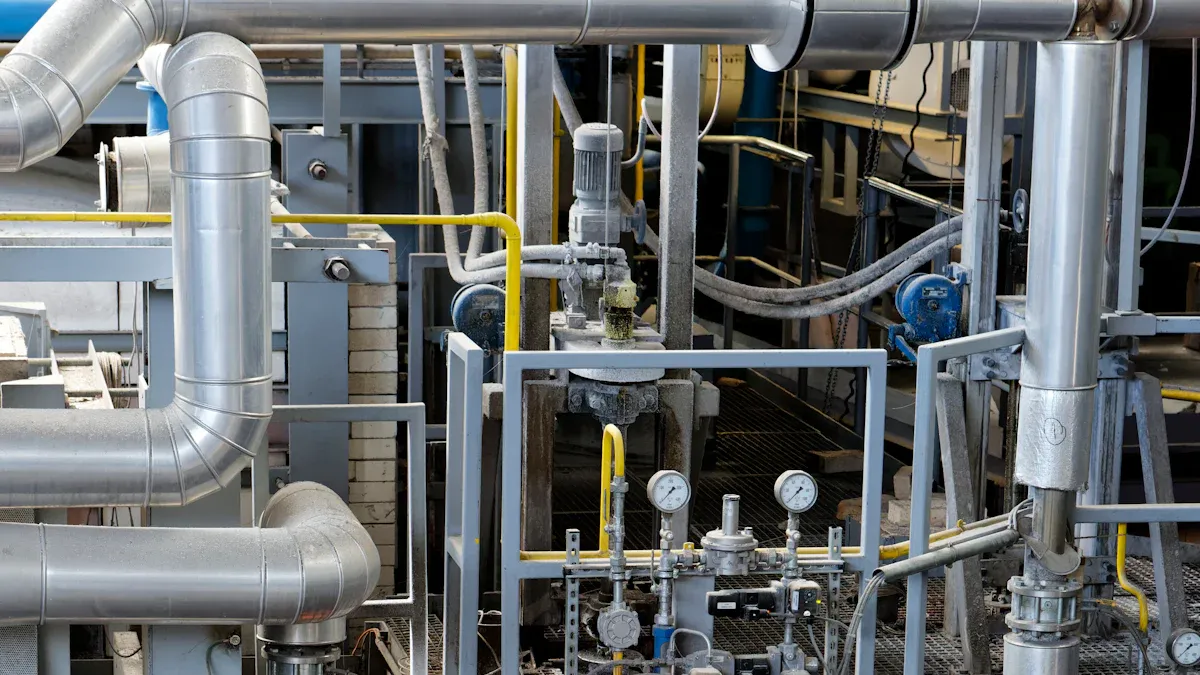
Metal Processing and Heat Treating
Factories use induction heating a lot in metalworking. It is important because it works fast and gives the same results every time. Induction heating helps with hardening, annealing, brazing applications, and melting. These steps make metal parts stronger and better.
- Hardening: Induction heating makes the outside of gears and shafts tougher. This helps car parts last longer and not wear out fast.
- Annealing: This step makes metal softer and takes away stress inside. Induction heating spreads heat evenly. This is good for big or tricky parts in cars and planes.
- Brazing applications: Induction heating joins metal pieces by melting a filler. This makes strong and clean joints in factories.
- Melting and casting: Factories melt metal with induction heating for casting. The process controls the temperature well and makes better cast parts.
Metalworking uses induction heating to make car, plane, and energy parts. These jobs need to be done well and quickly. Induction heating helps factories follow rules and make good products.
| Process | Metalworking Industry Use Case | Benefit for Automotive/Aerospace/Energy Generation |
|---|---|---|
| Hardening | Gears, shafts, axles | Improved wear resistance and longer life |
| Annealing | Tubes, wires, complex parts | Stress relief and better formability |
| Brasage | Joints in assemblies | Strong, clean connections |
| Melting/Casting | Engine blocks, turbine blades | High-quality, precise components |
Car and plane makers need induction heating for important parts. The process makes sure every part is safe and works well. The energy industry also uses induction heating to make and fix power equipment.
Welding and Pipeline Solutions
Induction heating has changed how factories weld and work on pipelines. It gives heat right where it is needed. This is important for strong welds and safe pipelines. Factories use induction heating before, during, and after welding.
- Induction heating makes welds better. It stops cracks and holes from forming. Welds become stronger and last longer.
- The process is helpful before welding. It gets pipes and metal ready for bending and joining. This is needed in cars, planes, and energy work.
- After welding, induction heating takes away stress and makes the metal better. This helps welded parts pass tough tests.
- Induction heating keeps pipeline temperatures steady. This is very important for energy companies to keep things safe.
Factories use induction heating for welding in cars, planes, and energy projects. The process helps workers stay safe and do a good job.
Tip: Induction heating machines can be used at the work site for fixing or building pipelines. This makes jobs go faster and safer.
Canroon CR2000 Series Use Cases
The Canroon CR2000 series is special for welding and pipeline jobs. It gives exact temperature control, even heating, and is easy to move. These things make it great for tough factory work.
- Welding preheat: The CR2000 series gets metal ready before welding. This stops cracks and makes welds stronger in cars, planes, and energy jobs.
- Post-weld heat treatment (PWHT): The system takes away stress and keeps welds strong. Factories use it for pipes, tanks, and big parts.
- Pipeline joint heating: The CR2000 series gives heat right where it is needed for building and fixing pipelines. It helps protect against rust and keeps things safe.
- Field operations: The CR2000 series is easy to carry. Workers can use it in hard-to-reach places. This helps car, plane, and energy companies.
The CR2000 series helps factories get good results in welding and pipeline work. Its smart design and strong build make it last and work well.
| CR2000 Series Application | Metalworking Industry Sector | Key Benefit for Automotive/Aerospace/Energy Generation |
|---|---|---|
| Welding preheat | Automotive part manufacturing, aerospace industry, energy generation | Prevents weld defects and improves strength |
| Post-weld heat treatment | Pipeline construction, heavy industry, power plants | Relieves stress and ensures joint quality |
| Pipeline joint heating | Oil & gas, petrochemical, energy generation | Uniform heating and anti-corrosion protection |
| Field operations | Construction, maintenance, repair | Portable and reliable for on-site work |
The CR2000 series helps factories meet the needs of car, plane, and energy work. Its careful induction heating makes sure every job is safe, fast, and high quality.
Advantages of Induction Heating
Efficiency and Precision
Industrial induction heating is very efficient and easy to control. Factories can make things faster and get better results with this process. The system sends heat straight to the workpiece. This means less energy is wasted and the process works better. Workers can change the temperature right away. This is good for hardening, annealing, melting, and casting jobs. The table below shows how efficient the systems are:
| System Type | Efficiency Rate (%) | Energy Consumption Reduction (%) | Processing Time Improvement (minutes) |
|---|---|---|---|
| Induction Heating Systems | 70 – 95 | Up to 62% | 45 to 1.5 |
| Traditional Furnace Systems | 45 – 50 | N/A | N/A |
Induction heating uses special electronics and sensors. These tools help workers control the temperature during annealing, hardening, melting, and casting. The process heats only the spots that need it. This saves energy and makes products better. Custom coils and different frequencies let workers control how deep and where the heat goes. This makes induction heating good for many factory jobs.
Safety and Clean Operation
Induction heating makes factories safer. There are no open flames or hot parts you can touch. This lowers the chance of fires and accidents. Workers are safer, even in places with things that can catch fire or in small spaces. The process keeps the work area clean and helps stop burns or injuries.
- No open flames, so fire risk is lower.
- No hot surfaces, so burns are less likely.
- Cleaner work areas, which protect people and machines.
Factories like these safety features. Induction heating helps keep workers safe and helps companies follow safety rules.
Environmental Impact
Induction heating is better for the environment than old heating methods. It does not make smoke or gases like carbon dioxide or nitrogen oxides. This helps factories make less pollution and keep the air clean. There is no smoke or fumes, so workers can breathe easier.
- No direct emissions, so it is better for the planet.
- No smoke or fumes, so the air at work is cleaner.
- More efficient, so factories use less fossil fuel and help the earth.
Factories pick induction heating to help the environment and make less waste. The process saves energy and is a smart choice for today’s factories.
Limitations and Considerations
Technical Challenges
Industrial induction heating has many good points, but there are also some problems. People need to know about these problems before using the process. These problems can change how well the process works in factories.
- Heating penetration depth: Most of the heat stays close to the surface. Big parts take longer to heat all the way through.
- Operating frequency: The process uses different frequencies for heating. Lower frequencies are better for big parts. Higher frequencies heat only the outside.
- Power application: The system must match the part’s size and weight. Bigger temperature changes need more power.
- Temperature rise: If you need a big temperature jump, the power supply must be strong enough. This can change what equipment you pick.
- Coil design: The coil should fit the part’s shape well. If the coil is not right, the process slows down and wastes energy.
- Coupling efficiency: The part and coil must work together well. Good coupling makes heating faster and saves energy.
Engineers have to plan each job with care. They need to make sure the system fits the part and the work.
Application Constraints
Industrial induction heating works best with metals that carry electricity and react to magnets. This means it only works for some metals and alloys. Some materials do not work with induction, so they cannot be heated this way.
The table below shows how stationary and portable induction heaters are different:
| Aspect | Stationary Induction Heater | Portable Induction Heater |
|---|---|---|
| Space Constraints | Needs a special spot in the work area. | Fits in small places and is easy to store. |
| Mobility | Not easy to move around often. | Simple to move from place to place. |
| Système de refroidissement | Uses water cooling for high power jobs. | Uses air cooling for lighter work. |
People in factories must think about these things when picking a system. The process might need a special space, cooling, or easy moving. Each job needs the right tools and setup to be safe and work well.
Note: Induction heating works best when the material, coil, and power supply all fit the job.
Choosing an Induction Heating System
Picking the right induction heating system is very important for factories. First, you need to know what material you will heat and how much power you need. You also have to match the frequency to the job. Then, you can pick the best Canroon product for your work.
Assessing Material and Power Needs
The kind of workpiece and what you want to do matter a lot. Workers should think about a few things before picking a system:
- Output power shows how fast the workpiece gets hot.
- The frequency range changes how deep and well things heat up.
- Load adaptability means the system works with many materials.
- The size and shape of the workpiece change how you heat it.
- Material characteristics decide how well induction heating works.
The table below shows the main things to think about:
| Factor | Description |
|---|---|
| Depth of heating penetration | Most heat stays near the top, so big parts need more time. |
| Operating frequency | Lower frequencies are good for big parts. Higher ones heat just the outside. |
| Power applied | How fast things heat up depends on size, temperature, and heat loss. |
| Rise in required temperature | If you need a big temperature jump, you need more power. |
| Design of the coil | The coil should fit the part’s shape to heat well. |
| Coupling efficiency | Good coupling helps more current flow and makes more heat, so the process works better. |
Frequency and Application Fit
The frequency you use changes how heat moves in the workpiece. Workers need to pick the right frequency for the job:
- Higher frequencies are best for heating just the surface or tube ends. They heat fast and keep the rest cool.
- Lower frequencies are better for big parts. They heat deeper, which is good for thick pieces.
- The kind of metal, how wide the part is, and how you want the heat to spread all matter.
- How long the job takes and how many parts you make also matter.
Tip: Picking the right frequency for the job helps the induction heating process work well and save energy.
Canroon Product Selection Guide
Canroon has many induction heating systems for factories. Each one heats evenly, saves energy, and is safe to use. The CR2000 series is great for welding preheat, post-weld heat treatment, and pipelines. It is easy to carry and controls temperature well, so it is good for field jobs and big metal parts.
When you pick a Canroon system, do these steps:
- Find out what the workpiece is made of and how big it is.
- Decide how deep you need to heat and how hot it should get.
- Pick the frequency range that fits your job.
- Choose a system with the right power and coil shape.
- Think about the CR2000 series if you want a system that is flexible, strong, and works well.
Canroon’s products help workers get good results every time.
Safety and Maintenance
Essential Safety Practices
Industrial induction heating systems need strict safety rules. Workers must follow steps to stay safe in foundries and steel plants. The process uses high power and strong electromagnetic fields. Training and preparation help everyone avoid accidents.
- Always wear gloves, goggles, and heat-resistant clothes.
- Keep the work area clean and remove things that can burn.
- Check all equipment before starting the induction process.
- Use grounding to stop electrical dangers.
- Do not touch the coil or workpiece during or after heating.
- Follow lockout and tagout steps before doing maintenance.
- Train all staff on how to shut down in emergencies.
- Put warning signs near induction heating machines.
- Watch the process closely for strange sounds or smells.
- Be ready for risks from melting and heating metals.
Safety in industrial induction heating protects people and equipment. Regular safety checks and clear steps help prevent accidents.
Maintenance Tips
Routine maintenance keeps induction heating systems working well. A well-maintained system makes the process safe and efficient. The table below shows important maintenance areas and steps:
| Maintenance Area | Procedures |
|---|---|
| Electrical Preventative Maintenance | Check meter readings, look at records, inspect insulation, check operation, tighten connections, test safety circuits, summarize service. |
| Power Supply Closed Water System | Look for leaks, check water level and flow, clean strainers, flush with cleaning solution. |
| Inductor Maintenance & Cleaning | Clean coils and hoses, tighten tools, fix parts if needed. |
| Thermal Image Analysis | Take thermal images, fix overheating, review images with the team. |
Regular checks help find problems early. Cleaning coils and checking water flow stop overheating. Reviewing thermal images helps find hot spots before damage happens. These steps keep the induction process reliable and help equipment last longer.
Tip: Plan maintenance often to stop downtime and keep the induction heating process safe.
Innovations and Future Trends
Digital Control and Automation
Digital control has made induction heating smarter. New systems use advanced technology to help factories work better. Many factories use these features now:
- Distributed parameter control uses digital models to guess how heat moves. The system changes power during the process for better results.
- Model predictive control (MPC) changes power in time and space. This helps with tricky shapes or sensitive materials.
- AI-based approaches use neural networks to learn from data. The system can change settings for different loads or hard jobs.
Automation is important in modern induction heating. Many systems connect to factory networks with PROFINET or EtherCAT. These systems talk to a master PLC. The process fits into a fully automated line. Robotic arms move parts in and out. The system starts with signals from the PLC. This setup makes production smooth with little human help. Some induction heating systems help cure composite materials. They make sure every part meets quality standards. Advanced software gives workers important data. It helps with predictive maintenance.
Sustainable Manufacturing
Induction heating helps factories be more green. The process uses less energy than old methods. It does not make smoke or harmful gases. Many steel plants use induction heating instead of gas furnaces for continuous annealing. This saves energy and cuts emissions. The process heats and soaks materials faster. This helps factories use less power. Induction heating makes advanced high-strength steels and quenched and tempered steels stronger. These benefits help factories meet green goals and make better products.
Canroon’s Vision
Canroon is a leader in induction heating innovation. The company invests in research to make the process better and more reliable. Canroon’s systems use digital control and smart automation. This helps factories work better. The company wants to support green manufacturing with clean and energy-saving solutions. Canroon plans to keep improving induction heating technology for the future of industrial production.
Industrial induction heating is a strong tool for today’s factories. Companies like it because it works in many ways and is very accurate. It also gives steady results every time. Canroon makes advanced systems that help factories stay clean and work well. This process saves a lot of energy, keeps workers safe, and uses digital tools to control everything. Many businesses use induction heating to get even results and help the planet. If you need special help, you can ask Canroon for advice.
- Induction heating systems do many jobs and always work the same way.
- The process is clean and does not make smoke, which is good for the earth.
- These systems can save up to 95% energy, which is much better than old ways.
- Safety is better because there are no flames or hot parts to touch.
- Digital tools help workers check the system and make sure it works right every time.
If you want more details or need a special solution, you can talk to Canroon’s team or look at their website.
FAQ
What is industrial induction heating?
Industrial induction heating uses electromagnetic fields to heat metals and other materials that conduct electricity. The process does not need the heater to touch the metal. Many factories use this method because it heats things fast, cleanly, and with good control.
Why do factories choose induction heating over traditional methods?
Factories pick induction heating because it saves energy and lets them control the temperature well. The process is cleaner and makes better products. It is also safer and faster than old ways of heating.
How does the induction heating process work in industrial settings?
The process starts when a coil makes a magnetic field. This field creates currents inside the metal part. The metal gets hot quickly and evenly. Factories use this for welding, hardening, and other jobs.
What are the main benefits of using industrial induction heating?
Industrial induction heating helps factories save energy and finish jobs faster. It also keeps workers safe. The process lets workers control the temperature exactly. Many industries use it because it gives steady results and needs less fixing.
Can induction heating be used for all industrial materials?
Induction heating works best on metals that carry electricity. Some materials, like some plastics or ceramics, do not heat up this way. Factories should check if their material works before using induction heating.