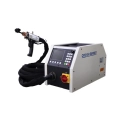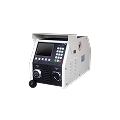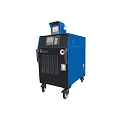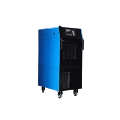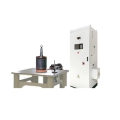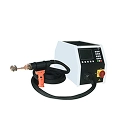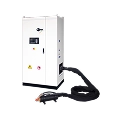




Choosing the right industrial induction heater begins with matching machine specs to what you need. You should check the material type, heating depth, and process needs before you decide. Induction heating works well, saves energy, and is safer for the environment. It also makes your workplace safer. You keep workers and machines safe when you focus on safety during heating. This guide helps you not make mistakes and shows Canroon as a trusted brand.
Tip: Always look at your heating goals and safety rules before picking equipment.
Points clés à retenir
- Think about what you need to heat. Look at the material, how deep you need to heat, and what the process needs before you pick an induction heater.
- Pick the right power and frequency. This helps heat things well and stops them from getting too hot or staying cold in some spots.
- Make a plan for your workspace. You need enough room for the induction heating equipment, cooling systems, and to keep things safe.
- Put safety first. Choose equipment with good shields and follow local rules to keep workers safe.
- Buy from a trusted company like Canroon. They give good help, training, and repairs so your induction heating system works its best.
Assessing Application Needs
Before you pick an machine de chauffage par induction, you need to know what your job needs. This helps you find the best equipment for your work. You should think about the material, the size of the area to heat, and the process you will use.
Material Type and Properties
You have to know what kind of material you want to heat. Different materials act in their own ways with induction. Metals that have high conductivity and permeability get hot faster. Magnetic materials are good for induction, especially if they are not too hot. When the temperature changes, the way the material heats up can also change.
- If a material has high conductivity and permeability, it heats better.
- These things can change when the material gets hotter, which changes how it heats.
- Magnetic materials help induction heating because of how they act.
Heating Depth and Area
You need to choose how deep and wide you want to heat the material. Skin depth means how far the heat goes inside the material. This depends on conductivity, permeability, and frequency. These things are usually set for each material, but they can change when the material gets hot. The right induction heating machine helps you control how deep and wide you heat.
Heating Processes
You should match the induction heating machine to your job. Induction works for many jobs in factories.
- Hardening makes the outside of metal parts stronger.
- Forging heats metal so you can shape it.
- Brazing and soldering join metal pieces together.
- Melting turns metal into liquid for casting.
- Preheating gets metal ready for welding.
- Annealing takes away stress from metal parts.
- Surface treatment cleans or changes the outside of metals.
Tip: Write down your material, how deep you want to heat, and your process before you pick your induction heating machine.
Key Technical Factors for Industrial Induction Heater Selection
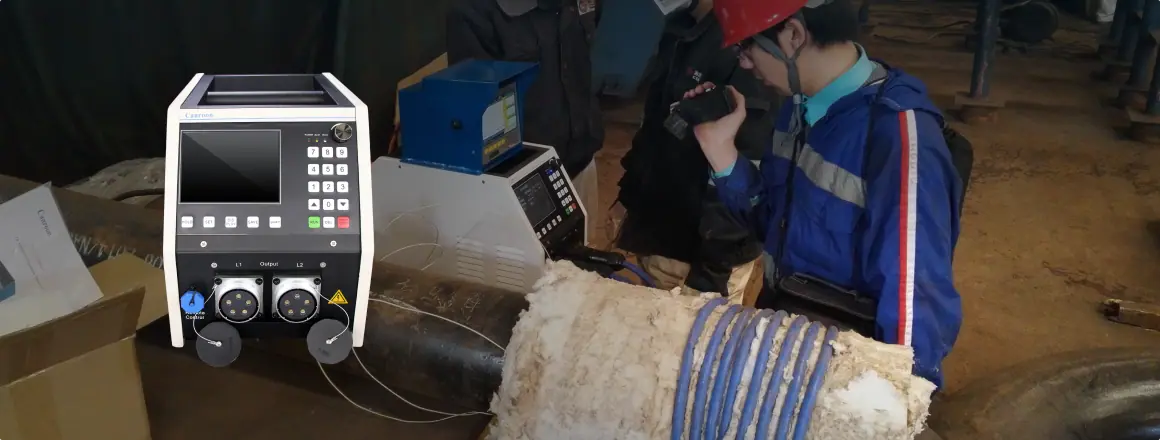
When you pick an induction heating machine, you need to match its features to your job. The right specs help you get good results. You should check power output, frequency, temperature rise, and coil design. Each one changes how well your machine works.
Power Output and Frequency
Power output and frequency are very important to check. Power output shows how much energy the machine gives. More power means faster heating, but do not use too much. Frequency controls how deep the heat goes. You need the right frequency for your job.
Here is a table that shows common frequency ranges and what they do:
| Gamme de fréquences | Description de l'application |
|---|---|
| 10 kHz – 1 MHz | Good for fast, controlled heating. Used for brazing, welding, and hot forging. |
| 60 kHz – 200 kHz | Most used for high-frequency induction heating. |
| Below 10 kHz | Good for jobs that need deep heat. |
- High frequencies heat only the surface. Use these for surface heating and hardening.
- Low frequencies heat deeper inside. These are best for thick parts.
The power and frequency you pick change how your machine works. High frequencies heat the outside fast. Low frequencies heat big parts more evenly. You need to balance these to get the right heat. This stops overheating or cold spots. For example, use high frequencies for surface hardening. This keeps the inside strong. Use low frequencies for deep heating, like with big steel pieces.
Tip: Always match power and frequency to your material and job. This helps you heat evenly and save energy.
Temperature Rise Capabilities
You need to know how fast and how high your machine can heat. Different jobs need different temperatures and times. Some jobs need quick, high heat. Others need slow, steady heat.
Here is a table that shows some common jobs and their temperature needs:
| Description de l'application | Target Temperature | Heating Time | System Used | Fréquence |
|---|---|---|---|---|
| Annealing stainless steel medical wire | 400°F (204°C) | 2.5 seconds | 2 kW Ambrell EASYHEAT | 245 kHz |
| Brazing stainless steel parts | 1,400°F (760°C) | 20-40 seconds | 2 kW Ambrell EASYHEAT | 336 kHz |
| Annealing thin-walled stainless steel tube | 2,000°F (1,093°C) | < 5 seconds | 2 kW Ambrell EASYHEAT | 218 kHz |
| Soldering connectors to wires | 450°F (220°C) | 7 seconds | 4.2 kW Ambrell EASYHEAT | N/A |
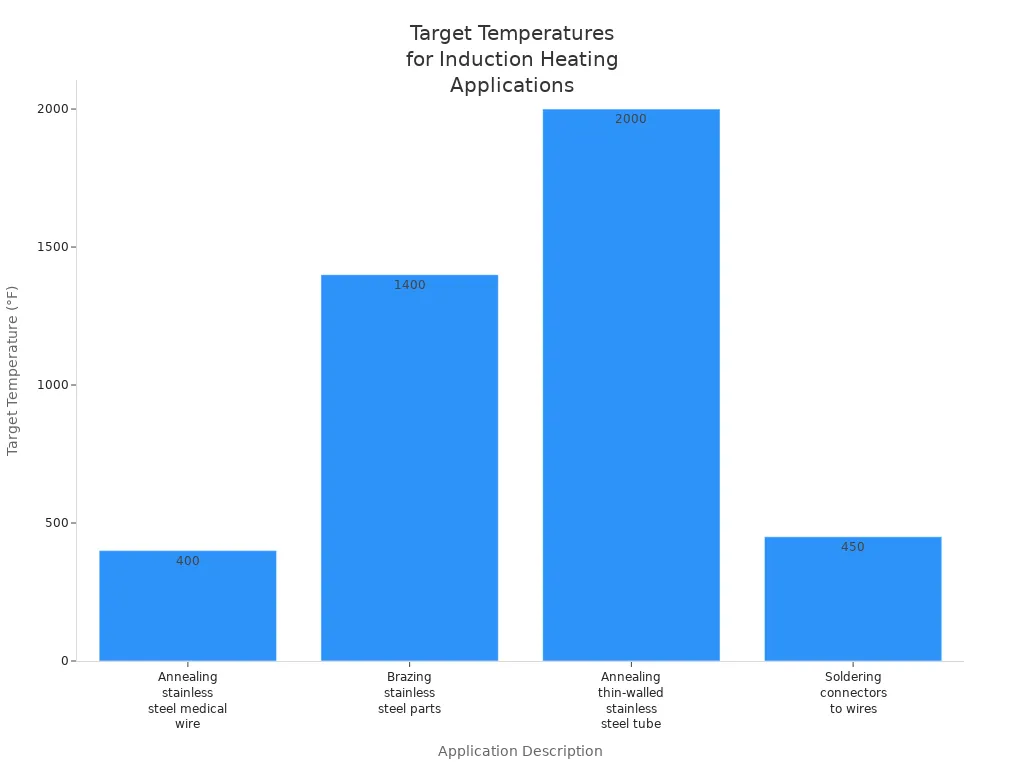
You should check if your machine can reach the heat you need in the right time. This helps you finish work faster and keeps the quality good.
Coil Design Considerations
The coil is a very important part of the machine. How you design the coil changes the magnetic field. This changes how the heat spreads and how much energy you use.
- Coil design changes the magnetic field. This helps heat spread evenly.
- Good coil spacing makes the field stronger. This saves energy.
- A good coil gives you the best heating on your workpiece.
You should always check the coil design when you pick a machine. The right coil helps you heat evenly and use less energy. This also helps your machine last longer and work better.
Note: The right technical choices help you get the most from your induction heater. Always match the specs to your job for the best results.
Practical Considerations for Induction Heating Equipment
Facility Layout and Space
You need to plan your workspace before you set up induction heating equipment. Think about where you will put the power supply and the workhead. The workhead does not have to be right next to the power supply. This lets you use your space in more ways than with regular ovens. You also need to make space for cooling systems. Small systems use water-to-air heat exchangers. Bigger systems need water-to-water heat exchangers or chillers.
- Make sure you have enough room for all parts of the induction heating equipment.
- Plan for cooling systems based on the power level you pick.
- Put the workhead where it helps your job the most.
Machine Footprint
Check the size of the induction heating equipment before you buy it. Smaller machines fit in tight spaces. This helps you use your facility better. Some machines can be moved if you change your layout. Always measure your space and compare it to the machine’s size. This step helps you avoid problems when you install the equipment.
Tip: A small machine can make your workspace safer and more neat.
Cooling and Environment
Cooling is very important for induction heating equipment. The right cooling keeps your machine working well and helps it last longer. You need to think about air temperature, dust, and humidity in your facility. These things can change how well your cooling system works.
| Facteurs clés | Impact on Cooling Performance |
|---|---|
| Ambient Temperature Range | Higher temperatures can make cooling less effective. |
| Dust, Humidity, and Contaminants | Dust and humidity can block cooling systems and cause problems. |
| Installation Conditions | Bad ventilation or high temperatures need special cooling to keep things working well. |
Induction heating equipment is good for the environment. These systems turn over 90% of electrical energy into heat, so you waste less energy. You can save more than 30% of energy compared to old heating methods. Induction heating does not use burning, so you avoid greenhouse gases and air pollution. You can also use renewable energy to power your equipment. This helps you lower your carbon footprint and keep the environment clean.
Evaluating Induction Heating System Features
Efficacité énergétique
You want your induction heating equipment to use energy well. Efficacité énergétique means you get more heat with less power. Induction heating systems can turn over 90% of electricity into heat. This helps you save money and pay lower energy bills. You also help the environment by using less electricity and making less waste. When you pick equipment with high efficiency, your process gets faster and cleaner.
Tip: Find systems that use new technology to boost energy efficiency and cut heat loss.
Safety and Compliance
Safety is very important when you use induction heating equipment. You must protect workers from magnetic field dangers and hot surfaces. Good equipment has shields and guards to keep people safe. You also need to follow rules and standards for safety and compliance. These rules help you avoid accidents and keep your workplace safe.
Here is a table that shows key safety and compliance areas:
| Compliance Area | Détails |
|---|---|
| Risk Assessment and Documentation | Standards need written risk checks, hazard studies, and records of risk-reduction steps. |
| Safety Control Systems | Rules ask for safety PLCs, extra stop circuits, and safe-states for equipment. |
| Combustion and Fuel-Handling Systems | Focus on safe fuel pipes, burner controls, flame checks, and protective control systems. |
| Guarding and Access Control | Use fixed guards, light curtains, and safe ways to get in for maintenance. |
| Inspection and Maintenance | Regulators need formal checks, preventive maintenance plans, and detailed records. |
Note: Always check that your induction heating equipment meets local and international safety standards.
Control Systems
Modern induction heating equipment uses advanced control systems. These systems help you set the right temperature and time for each job. You get a digital screen to see and change settings. You can adjust power and heating time for better results. The system saves your favorite settings, so you work faster next time. You also get real-time updates on how your equipment works. This makes your job easier and helps you avoid mistakes.
- Digital controls give you steady and even heating.
- You do not need to rely only on operator skill.
- You get better quality and less waste.
Portability
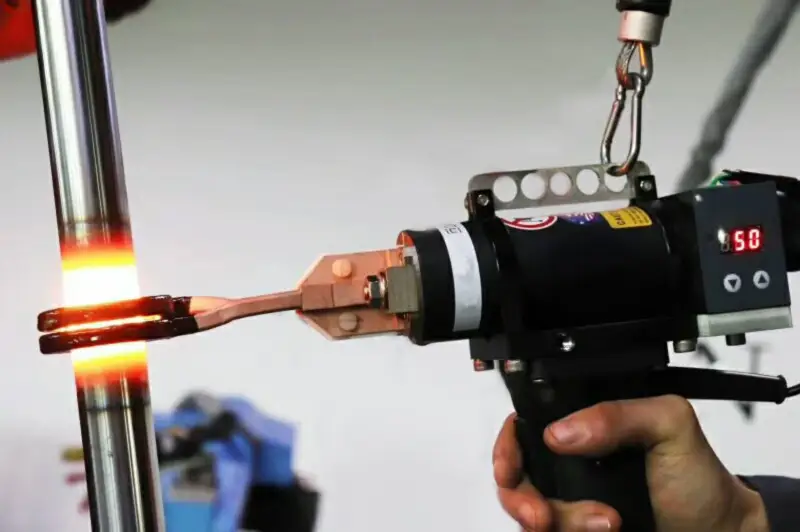
You may need to move your induction heating equipment to different places in your facility. Portable systems help you work in tight spaces or on large parts. These machines are smaller and lighter. You can set them up quickly and use them where you need them most. Portability gives you more options and makes your work more flexible.
Tip: Pick portable induction heating equipment if you need to heat parts in different places.
Types of Induction Heating Machines
Stationary vs. Portable
You need to pick between stationary and portable induction heating machines. Stationary machines stay in one spot. They are good for making lots of parts. These machines give steady heat every time. Portable machines can move around. You can use them in different places or take them to job sites.
Portable machines have some good points:
- They turn off by themselves if things get too hot. This keeps you safe.
- The surface does not get hot, so you can touch it. You can use them near people or in small spaces.
- Cleaning is simple. You do not have to worry about smoke or dirty air.
- You can carry them to other spots. This helps with fixing things in places like oil and gas or shipyards.
Stationary machines are best for big jobs that happen again and again. Portable machines are better if you need to move them or set up fast.
Frequency Options
You also need to check the frequency choices for your machine. Frequency changes how deep the heat goes in the material. Here is a table to help you see:
| Frequency Type | Application Suitability |
|---|---|
| Lower-frequency | Ideal for larger parts |
| Higher-frequency | Suitable for surface heating, shallower penetration |
Lower frequencies are good for big parts that need deep heat. Higher frequencies only heat the outside. This is good for surface jobs or small pieces.
Application Fit
You should match your machine to your job. Different machines work best for certain tasks. Here is a table that shows which machines fit common jobs:
| Type de candidature | Description | Avantages |
|---|---|---|
| Trempe par induction | Uses electromagnetic induction to heat and cool the surface quickly. | Fast heating, strong surface, less oxidation, and control over how deep the hard layer goes. |
| Welding | Uses induction heating to join materials by melting them together. | Precise heat control, less distortion, and high efficiency. |
| Forgage | Uses induction heating to shape materials by making them soft. | Better material properties and lower energy use. |
You get the best results when you pick the right machine for your job. This helps you save energy, finish work faster, and keep your process safe and clean.
Choosing a Manufacturer and Support
When you buy an industrial induction heater, you should pick a manufacturer you can trust. Good support and training help you use your machine safely. They also help you get the best results. You need to check the company’s reputation, the service they give, and how they help you after you buy.
Reputation and Experience
You want a manufacturer with lots of experience in induction heating. A good company uses new technology and follows safety rules. They give you support no matter where you work. They can change machines to fit your job. You can use the table below to see what is important:
| Critères | Pourquoi est-ce important ? |
|---|---|
| Technologie | Makes machines work better and saves energy |
| Certification | Shows safety and quality are met |
| Assistance internationale | Helps you anywhere you are |
| Personnalisation | Changes machines for your job |
| Réputation sur le marché | Shows the company is trusted and reliable |
A company with a good reputation makes you feel safe. You know you will get a machine that works well and lasts long.
Warranty and Service
You should check what kind of warranty and service the company gives. Top companies offer many types of support. They help you fix problems and keep your machine working. Here are some common options:
- Factory-approved replacement parts
- Circuit board repair help
- Maintenance support
- Troubleshooting help
- Energy-saving options
Some companies send parts to many countries. Others help you pick the right equipment and use less energy. Good service helps you fix problems fast and avoid long waits.
Canroon Support
Note: Canroon is a trusted choice for induction heating equipment. The company gives strong support after you buy, training, and technical help. You get help with setup, using, and taking care of your machine. This support helps you use your machine safely and get the best results for your business.
Cost and Investment Considerations
Initial and Operating Costs
You need to plan your budget before you buy an industrial induction heater. The initial cost depends on the power rating of the machine. Higher power machines cost more, but they can handle bigger jobs. You also need to think about the operating costs, which include electricity and regular upkeep. Here is a table to help you see the typical price range for different power levels:
| Power Rating | Approximate Price Range |
|---|---|
| 10–15 kW | ₹1 – ₹2.5 hundred thousand |
| 25–30 kW | ₹2.8 – ₹4.5 hundred thousand |
| 40–60 kW | ₹5 – ₹8 hundred thousand |
| 80–100 kW | ₹9 – ₹15+ hundred thousand |
You should match the power rating to your job needs. If you pick a machine that is too big, you may spend more than you need. If you pick one that is too small, you may not finish your work on time. Operating costs also depend on how often you use the machine and how much energy it uses. Induction heaters use energy well, so you can save money over time.
Tip: Always check both the price and the energy use when you plan your budget.
Maintenance and Parts
You must think about maintenance when you buy an induction heater. Regular care keeps your machine running well and helps it last longer. Maintenance costs usually range from 2% to 5% of the initial price each year. These costs cover things like cleaning, checking parts, and replacing worn-out items.
- Induction heaters need skilled technicians for repairs and upkeep.
- The technology uses advanced power electronics and control systems.
- You may pay more for expert help, but this keeps your machine safe and efficient.
- Good maintenance stops big problems and saves money in the long run.
You should plan for these costs in your budget. When you take care of your machine, you get better performance and fewer breakdowns. This helps you get the most value from your investment.
Common Mistakes in Induction Heating Equipment Selection
When you pick an industrial induction heater, you want to avoid mistakes. These mistakes can make your results worse. Some people do not match the machine to what they really need. Others forget about their building’s limits or do not think about support and safety. If you learn about these mistakes, you can get better results from your équipements de chauffage par induction.
Overlooking Application Needs
You should always pick a machine that fits your job. If you skip this, you might waste energy or get bad results. For example, if you do not think about electromagnetic pollution, your system may not work well. This is a big problem for sensitive jobs. The coil design is also very important. If the coil does not fit your job, you waste energy and get weak heating. If you do not use enough shielding, electromagnetic interference can happen. This makes your induction heating equipment work less well. Always check what your job needs before you pick a machine.
Ignoring Facility Constraints
Some people forget to look at their building before they buy equipment. This can cause big problems. The table below shows some common limits and what can go wrong:
| Constraint Type | Consequence |
|---|---|
| Sélection de la fréquence | Problems with instruments, EMC, and maintenance |
| Electrical Stability | System may become unstable at higher frequencies |
| Temperature Assumptions | Wrong assumptions can cause failures |
| Temperature Distribution | Ignoring gradients can lead to process failures |
| Conductor Losses | Underestimating losses causes inefficiency |
You should always check your building’s limits before you buy a machine.
Neglecting Support and Safety
Support and safety are very important for induction heating. If you do not install and ground your equipment right, you could have fires or damage. Regular care keeps your machine safe and working longer. You also need to train your team and practice safety drills. This helps stop mistakes and keeps everyone safe.
Tip: Always plan for support and safety when you pick an induction heating machine. This keeps your team and your investment safe.
You can choose the right induction heater by following a clear process.
- Check your power needs and workpiece size.
- Pick the right frequency for your job.
- Select a coil design that fits your part.
- Make sure the cooling system works well.
- Use a control system for accurate heating.
- Look for features that match your application.
You should always match induction heating equipment to your needs. Put safety, efficiency, and support first. If you want the best results, talk with experts or trusted brands like Canroon.
FAQ
What materials can you heat with an induction heater?
You can heat most metals, like steel, copper, and aluminum. Induction heating works best with magnetic metals. Non-magnetic metals also heat up, but they may need more power.
How do you choose the right power rating?
You should match the power rating to your job size and speed. Higher power heats faster and works for bigger parts. Lower power fits small jobs or thin materials.
Is induction heating safe for workers?
Yes, induction heating is safe when you follow safety rules. The equipment has shields and guards. You should always wear protective gear and get training before use.
En quoi le chauffage par induction permet-il de réaliser des économies d'énergie ?
Induction heating uses over 90% of the electricity for heating. You lose less energy compared to gas or flame methods. This helps you lower your energy bills and protect the environment.