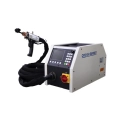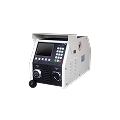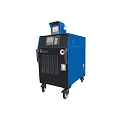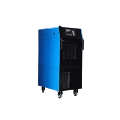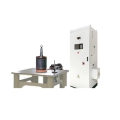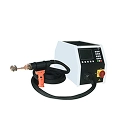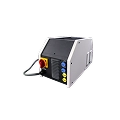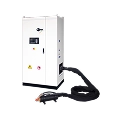



You want the best results in metalworking. Induction preheating equipment heats metal faster. It makes the process safer. It also gives better quality. When you use induction, heating takes only minutes. The risk of burns goes down. The heat spreads evenly. Canroon is a leader in this area. They offer reliable solutions. Look at how induction compares to resistance and open flame methods:
| Característica | Calentamiento por inducción | Resistance/Open Flame |
|---|---|---|
| Heating Time | Less than 30 minutes | Hours |
| Seguridad | Fewer risks | Higher risk |
| Eficiencia energética | Up to 90% | Inferior |
Puntos clave
- Induction preheating makes metal hot fast and evenly. You do not have to wait long, usually less than 30 minutes. Safety gets better with induction heating. There are no open flames, so burns are less likely. Induction heating saves energy. It can use up to 90% less energy than other ways. Preheating before welding makes joints stronger. It also helps stop cracks and mistakes. Picking the best preheating method depends on the metal type. It also depends on how big the project is and what safety rules you need.
Why Preheating Is Essential
Preheating in Welding
You want your welds to be strong and last a long time. Preheating helps you do this. When you heat metal before welding, you lower the chance of damage. This step is important in many jobs, like shipbuilding and mining. You get better welds and the process works better.
Here are some reasons why preheating is important in welding:
- You make cracks less likely in joints that have a lot of stress.
- You help the weld go deeper, especially in thick pieces.
- You make the heated areas less hard.
- You stop problems caused by hydrogen.
- You help welded parts last longer.
Preheating also makes the metal cool down slower after welding. This helps stop cracks, especially in carbon steels. You remove water that can cause holes or hydrogen cracks. You also lower the chance of thermal shock in big or thick parts. These things make your work safer and more efficient.
Factors in Method Selection
You need to pick the best preheating method for your job. Many things can help you decide. The type and thickness of the metal are important. The size of your project matters too. You must follow safety rules and industry codes.
| Factor | Descripción |
|---|---|
| Material Thickness and Type | Minimum preheat temperatures are often specified based on the thickness and composition of the material. |
| Project Scale | Different scales of projects may require different types of preheating equipment, such as portable vs. stationary units. |
| Compliance Requirements | Industry codes dictate specific preheating requirements that must be adhered to for safety and quality. |
You should also think about saving energy. Induction preheating equipment uses less energy and gives you better control. This helps you save power and get the same results every time. When you use less energy, your work gets better and you save money.
Preheating Methods Overview
Induction Preheating Equipment Basics
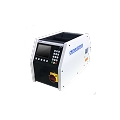
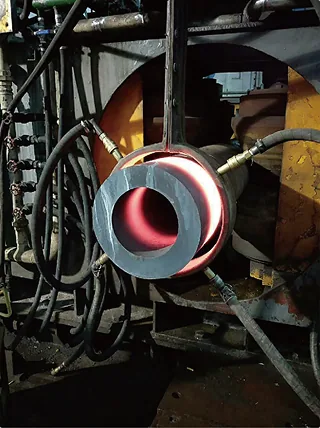
You use induction preheating equipment when you want fast, efficient, and precise results. This method works by creating an electromagnetic field around the metal. The field causes electric currents inside the metal, which makes it heat up from within. You do not need to touch the metal or use a flame. This non-contact process keeps your work area safer and cleaner.
Induction heating is common in many industries. You see it in shipbuilding, power plants, and car manufacturing. You also use it for repairs and maintenance. Induction helps you heat-treat parts, cure coatings, and dry materials. You get even heat and can control the temperature very well.
Tip: Induction preheating is great for projects where you need speed and accuracy.
Resistance Heating Methods
You use resistance heating when you want a simple and steady way to heat metal. This method works by passing an electric current through a wire or strip that touches the metal. The resistance in the wire makes it hot, and the heat moves into the metal. You often see this method in welding shops with many workers.
Resistance heating is good for large projects. You can use it for multi-operator welding systems. It gives you steady heat, but you may not get the same level of control as with induction. You need to make sure the wires or strips are in the right place for even results.
Open Flame Heating
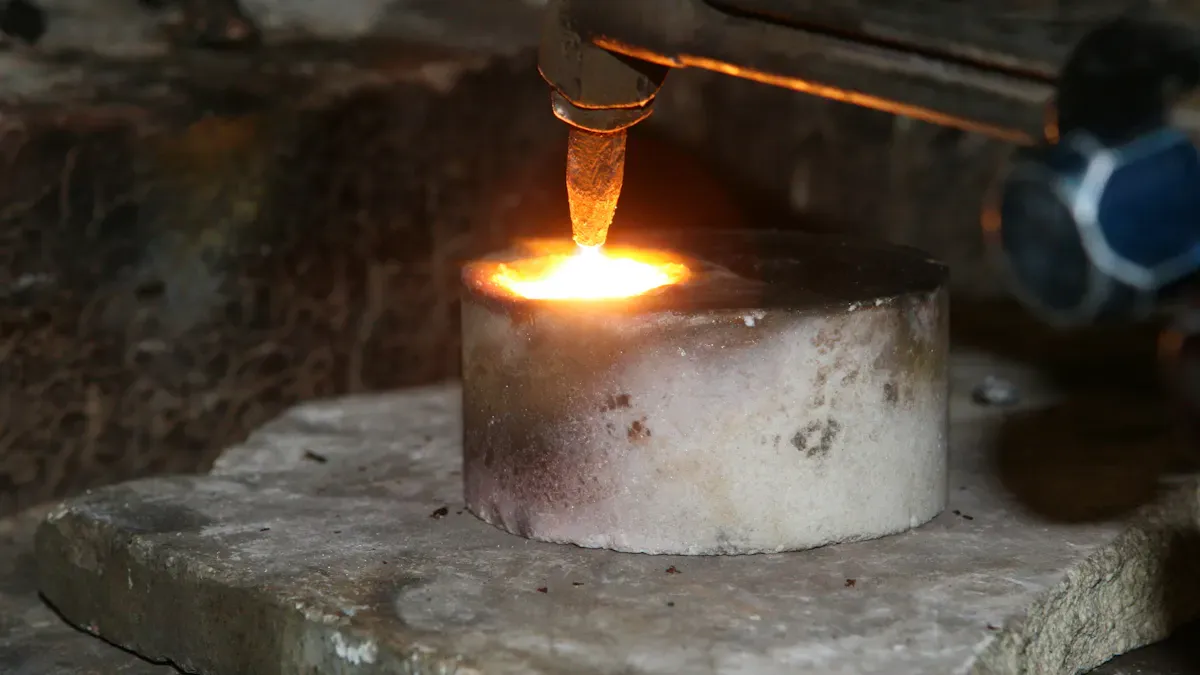
You use open flame heating when you want a traditional and portable way to heat metal. This method uses a gas torch to apply a flame directly to the metal surface. You see this method in small shops or on job sites where you need to heat metal quickly.
Open flame heating is easy to set up. You use it to raise the temperature of base metals before welding. However, you do not get as much control over the heat. The flame can make the metal too hot in some spots and not hot enough in others. You also need to be careful because open flames can be dangerous.
Note: Open flame heating is best for simple jobs where speed matters more than precision.
Induction vs. Resistance vs. Open Flame
Efficiency and Speed
You want your metalworking to go fast and easy. Induction preheating is the quickest way. It uses electromagnetic fields to heat metal from inside. The metal gets hot in just a few minutes. You do not have to wait for hours. Induction spreads heat evenly everywhere. You do not waste time waiting for equipment to cool. Resistance heating is slower than induction. It uses wires or strips to heat the metal. You need to check the process so it does not get too hot. Sometimes, the heat is not even. Some spots get too hot or stay cold. Open flame heating is the slowest and not very steady. The flame can make some parts too hot and miss others. Wind or air can change the temperature fast.
- Induction heating keeps the temperature the same everywhere and helps stop weld cracks.
- You save a lot of time with induction.
- Induction makes sure the heat is even, so welds are better.
Safety and Hazards
You want to be safe at work. Induction preheating equipment helps keep you safe. The coils do not get hot, so you will not get burned. You do not need to watch the machine all the time. Induction does not use flames or make bad fumes. This keeps your work area clean and safe. Resistance heating can get very hot. You need insulation to stay safe. Wires and strips can break and cause problems. The room can get hot and uncomfortable. Open flame heating is the most risky. You must watch for fires and deal with smoke and gases. Someone has to watch the flame all the time.
Tip: Induction heating systems are ready in five minutes and do not need someone to watch them all the time.
Cost and Operations
You want to save money and make work simple. Induction preheating equipment costs less to use over time. It uses energy well and is easy to set up. You can use insulation again, which saves money. Resistance heating costs more because you need new wires and must handle waste. It takes longer to set up and needs more workers. Open flame heating uses fuel, so it costs more. You also need extra people to watch for fires.
| Método de calentamiento | Costes operativos | Maintenance Requirements |
|---|---|---|
| Calentamiento por inducción | High efficiency, lower long-term costs | Simple setup, reusable insulation |
| Resistance Heating | Higher labor and consumable costs | Fragile materials, hazardous waste disposal costs |
| Open Flame Heating | Labor-intensive, recurring fuel costs | Requires fire watchers, slow heating process |
Induction heating can be over 90% efficient. You use less energy and do not spend much on fixing things.
Result Quality
You want your finished work to look good and last. Induction preheating gives the best results. It heats fast, right, and the same every time. It uses less energy and does not need open flames. You can use machines to run induction for big jobs. This helps you get the same good results each time. Resistance heating and open flame do not give the same quality. They take longer to heat up. Sometimes the heat is not even, so cracks or weak spots can happen. Open flame heating makes more smoke and dust, which can hurt the final product.
| Ventaja | Calentamiento por inducción | Resistance/Open Flame Methods |
|---|---|---|
| Heating Time | Minutes | Hours |
| Seguridad | Alto | Moderate to Low |
| Fuel Costs | Ninguno | Significant |
| Fume Production | Bajo | Alto |
| Particulate Emission | Bajo | Alto |
- Induction heating gets hot fast.
- You get a cleaner and safer workspace.
- Induction makes welds and parts better.
Impacto medioambiental
You want to help the environment while you work. Induction preheating does not burn fuel, so it does not make smoke or bad gases. You use less energy, so you make less pollution. Resistance and open flame can make dangerous chemicals like dioxins and PCBs. These can hurt the air and your health. Induction heating is clean and saves energy. You do not need to worry about smoke or extra waste. Open flame heating wastes most of its energy in the air. Resistance heating can waste energy if wires do not touch the metal well.
| Método de calentamiento | Eficiencia energética | Notes |
|---|---|---|
| Calentamiento por inducción | Alto | Generates heat directly in the part, leading to lower energy consumption and faster heating. |
| Resistance Heating | Moderado | Often does not maintain consistent contact, leading to uneven heating and energy waste. |
| Open Flame Heating | Bajo | Wastes most heat energy in the open air, resulting in higher energy costs. |
Note: Induction preheating equipment from Canroon heats fast, has safety features, and saves money. It is a modern way to do metalworking today.
Applications and Use Cases
When to Use Induction Preheating Equipment
Induction preheating equipment is good for fast jobs. It heats metal quickly and keeps the temperature steady. You can use it for melting metal, keeping heat during casting, and heat treatment. This equipment is best when you need to work fast and keep the temperature just right. It also helps keep your workspace clean and safe. Canroon’s induction preheating equipment lets you finish jobs faster and keeps your products high quality.
| Scenario | Ventajas |
|---|---|
| Metal Melting | Heats metal well, keeps shape, and controls temperature closely. |
| Insulation During Casting | Heats without touching, stays clean and safe, and works for long casting jobs. |
| Heat Treatment | Keeps melted metal at the right temperature and saves energy with good control. |
| Preheating of Pouring Systems | Keeps temperature changes small, usually within five degrees Celsius. |
You can use induction preheating equipment for welding, pipe work, and after-weld heat treatment. It gives you fast preheats and helps you work better every time.
Resistance Heating Scenarios
Resistance heating is good for big parts that need slow, steady heat. It works well for welding flat plates and simple shapes. You can use resistance heating when you do not need to heat things fast. This method is good for thick materials that need even heat. Resistance heating is also good for jobs with many workers.
| Material Thickness | Recommended Preheat Temperature |
|---|---|
| Less than 3/16 in. thick | Usually no preheat needed |
| 3/16 to 1/2 in. | 300 to 400 degrees Fahrenheit |
| 1/2 to 1 in. | 400 to 500 degrees Fahrenheit |
| Greater than 1 in. | 600 to 800 degrees Fahrenheit |
You can use resistance heating on-site when you do not need to work fast.
Open Flame Use Cases
Open flame heating is good for small jobs or repairs. It is helpful when you need to heat something quickly but do not need perfect temperature control. Open flame works best for easy jobs and when there is no electricity. You can use it for on-site heat treatment in faraway places. Open flame heating is not as safe or productive as induction or resistance, but it can help in emergencies.
Tip: For most modern metalworking, you get better and safer results with induction preheating equipment from Canroon.
Advances in Induction Preheating Equipment
Canroon Innovations
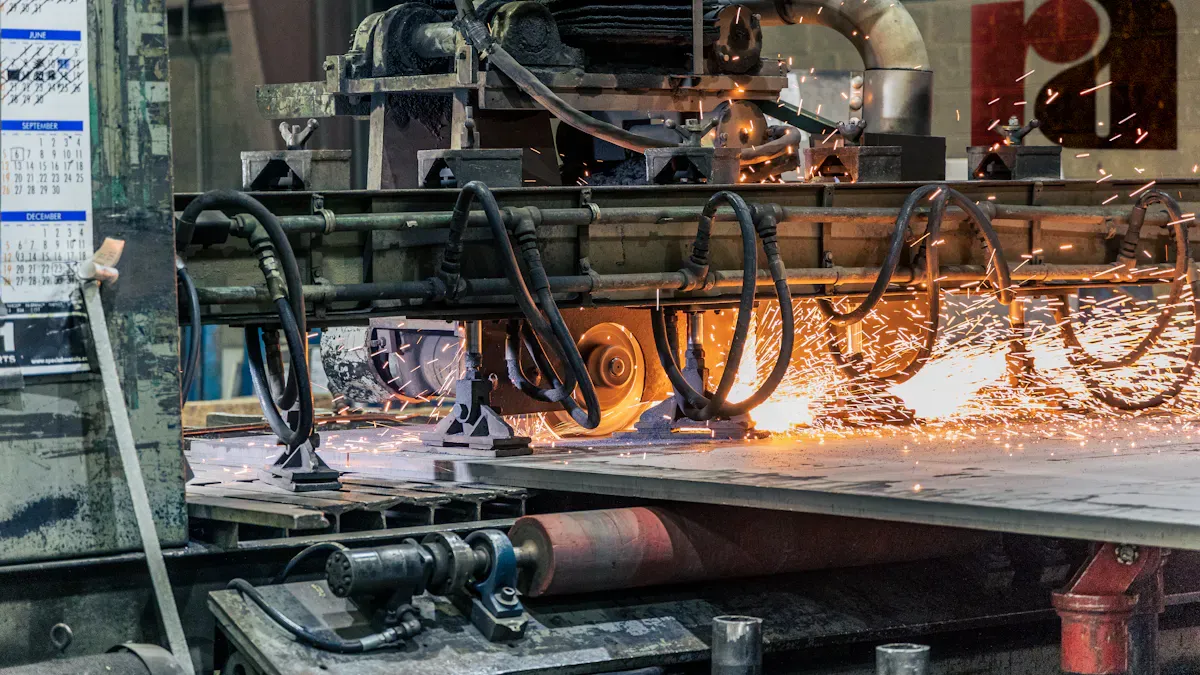
Induction preheating equipment has changed a lot. Canroon is a leader in new technology. Their machines make your work safer and easier. You get better heat control because insulation keeps heat where you want it. Smart systems use predictive algorithms to set the best heating profiles. These systems help you use less energy and save money.
Here’s how these new features help you:
| Aspecto | Descripción |
|---|---|
| Thermal Management | Insulation keeps heat from escaping during preheating. |
| Predictive Algorithms | Smart systems check conditions and set heating profiles to save energy. |
| Energy Loss | Induction heating makes heat inside the metal, so less energy is lost. |
| Costes operativos | Using less energy means you spend less money. |
| Eco-friendliness | You help the environment by making less pollution. |
| Control de temperatura | Induction heating lets you control the temperature very well. |
| Calidad del producto | Good control keeps products from getting too hot and makes them better. |
| Energy Conversion Rate | Induction systems use energy well, up to 95% efficiency. |
| Heat Generation | Heat is made inside the metal, so energy is not wasted. |
Induction heating gives you good temperature control. This stops overheating and keeps your products high quality. Canroon’s machines can reach up to 95% efficiency. You use less power and get more heat where you need it.
Tip: Canroon’s smart induction systems help you work faster and safer. You also save energy.
Integration with Modern Processes
Induction preheating equipment works in many metalworking jobs. High-speed factories use induction heating to get parts ready for joining. For example, you heat axle hubs before friction welding. This makes welds strong and the same every time.
In precision assembly, induction heating helps with shrink fitting. You put parts into heated housings because you know how much they will grow. Making electric motor rotors now uses induction heating instead of old ovens. This change makes work faster and saves space.
- You get steady heat for joining parts.
- You use heat to make parts fit together better.
- You save space and time in motor production.
Induction heating works well with machines and sensors. You can control the process with automation. This makes your work more reliable and keeps your workspace safe.
You get lots of good things with induction preheating equipment.
- You save energy because almost all of it turns into heat.
- You can heat metal quickly and only in the spots you want.
- You stay safer since there are no flames or smoke.
Canroon’s machines help you finish work fast. People in car factories say they heat gears quicker and use less power. You can count on Canroon for help and fewer problems. If you want safe, quick, and clean metalworking, induction is the best way.
Preguntas frecuentes
¿Qué es el calentamiento por inducción?
Induction heating uses electromagnetic fields to warm metal from inside. You do not have to touch the metal or use fire. This way heats metal fast, safe, and evenly for many jobs.
Is induction heating safer than open flame methods?
Yes, induction heating keeps you safer. You do not use open flames or hot wires. The equipment does not make smoke or bad gases. You lower the chance of burns and fires at work.
Can I use induction preheating equipment for all metals?
Puedes utilizar induction preheating equipment for most metals like steel, iron, and copper. Some metals, like aluminum, might need special settings. Always check the equipment guide to get the best results.
How do I choose the right preheating method?
| Factor | Best Method |
|---|---|
| Velocidad | Calentamiento por inducción |
| Low Cost | Resistance/Open Flame |
| High Precision | Calentamiento por inducción |
| Portabilidad | Open Flame |
Think about what your project needs, how safe it is, and your budget before you pick.