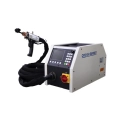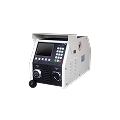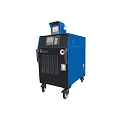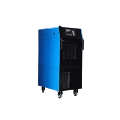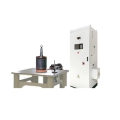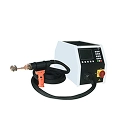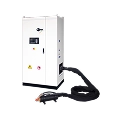





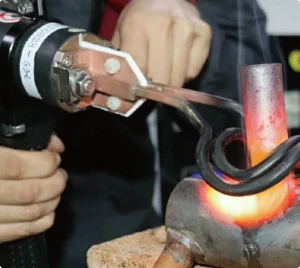
Your work needs strong seals in heating systems. New HVAC induction brazing connects metals fast. It uses no open flames on copper parts. It also works on brass, steel, and aluminum. Old torch ways for HVAC brazing often cause leaks and safety risks. They also slow down your total work speed. You can stop open flames with targeted magnetic heat. This heat stays in one exact spot. This clean way makes stronger joints that last. It gives great quality every single time.
| Método de calentamiento | Single Pipe Joint Time | Assembly Processing Time |
|---|---|---|
| Brasaje por inducción | 20–30 seconds | Minutes (automated cell) |
| Traditional Torch | 90+ seconds | Hours (manual torch) |
This smart heat makes the work much faster. It creates leak-proof joints every single time.
Puntos clave
- Induction brazing stops dangerous open flames. This makes workplaces safer for workers.
- Exact magnetic heat makes strong metal joints. These joints do not leak at all. This process takes twenty to thirty seconds.
- Correct pipe gaps and nitrogen cleaning protect inner copper tubes. They stop heat harm and rust.
- Smart sensors and automated systems boost daily factory output. They also keep product quality consistent.
Benefits of Induction Brazing in HVAC Systems
Limitations of Traditional Flame Heating
Open fire methods bring real dangers. Open flames get very hot. They reach up to 3,100°C. They raise burn risks. They slow down work speed. Fire risks ban open flames in refrigerant areas.
Torch accidents create huge costs for your factory. Open flames need special work permits. They require pricey safety gear.
| Category | Specific Detail / Impact | Metric / Cost Data |
|---|---|---|
| Primary Safety Hazards | High heat open flames (~3,100°C) | Burn injury risks (70% small, 25% medium, 5% bad) |
| Direct Claim Costs | Bad burn accidents | $50,000 – $200,000 for each bad burn injury |
| Insurance Cost Impact | Hot work zone extra costs | Normal 10–20% rate increase for flame areas |
| Long-term Financial Impact | Total worker claim costs | One bad claim can cost $150,000 – $600,000 total |
Precision Localized Heating and Thermal Cycles
Special heat coils give exact process control. Magnetic heat puts energy right on the joint. This fast process keeps heat away from nearby parts. It protects close hvac parts from heat damage.
You shield delicate parts during every heat cycle. Induction heats only selected areas. It keeps heat from spreading around. This keeps filler metal in the joint area. Surrounding parts stay cool and safe.
Reduced Oxidation and Energy Efficiency
Clean induction brazing stops heavy surface scaling. Fast heat cycles lower metal surface oxidation. Less rust means less acid wash later. This protects inner tube surfaces after brazing.
You save power while keeping work speeds high. Small induction tools heat metal parts directly. They do not waste heat in the air. Switching to induction stops torch flames. It boosts heating power. It builds better factory systems. Fast brazing improves total product quality.
Key Applications in HVAC Brazing with Canroon
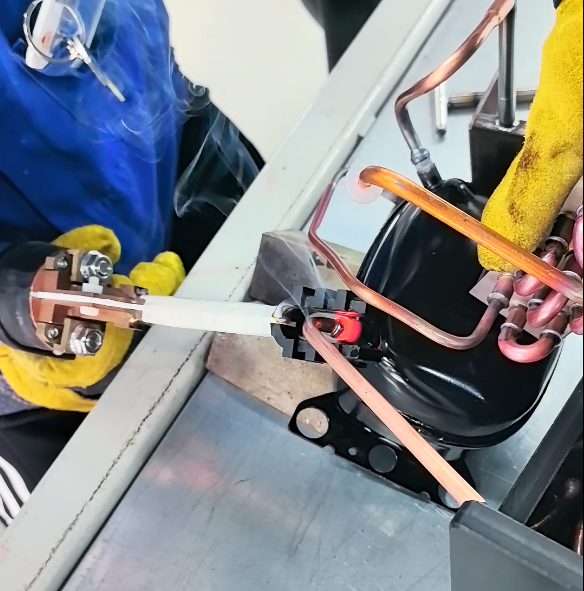
Canroon machines power important cooling tasks. Custom coils heat single target spots. You can try HVAC induction brazing today.
Heat Exchanger Coils and Header Joints
Heat coils need fast heating times. Canroon heat protects tiny metal fins. Special coils focus energy on joints.
This safe heat guards delicate parts. Fast heat melts metal filler smoothly. You stop bent metal and rust.
Joining Copper, Brass, and Dissimilar Metals
Copper and brass need exact heat. Metals absorb heat at different rates. Smart induction heat balances both metals.
- Filler Metal: Silver alloys make strong metal bonds fast.
- Flux: Custom flux cleans surfaces for bonding.
Good filler creates tight seals easily. You make strong mixed metal joints.
Compressor Fittings and Service Valve Seals
Compressors use thick steel and copper. Tight spots hold soft valve seals. Open flames burn rubber seals quickly.
Induction heats outer service valve joints. Fast heat keeps inner parts cool. You guard key parts while working.
Aluminum Tubing in Refrigeration Circuits
Cooling systems use light aluminum tubes. Good aluminum brazing needs strict thermal limits. Canroon tools stop melted tube walls.
Good heat control simplifies hard tasks. Soft heat flows filler metal smoothly. Better aluminum brazing stops bad pipe leaks.
Best Practices for High-Quality HVAC Joints
Joint Clearance and Capillary Action Optimization
Good joint design gives great results. Keep small gaps between metal parts. Make gaps 0.001 to 0.005 inches. Liquid metal flows into small gaps fast. This action makes tight, strong seals.
Bad gaps stop metal flow. Wide gaps weaken the joint strength. Proper gaps make every joint strong. They stop bad leaks under pressure.
Nitrogen Purging Protocols for Internal Protection
Push dry nitrogen through copper tubes. Hot air makes black copper oxide rust. Moving liquid pushes rust toward small valves. This loose rust blocks tiny tube openings fast. Blocked tubes break your entire system.
Constant nitrogen flows push air away. This step keeps inner tubes clean. It stops inner scale from forming.
Selecting Appropriate Alloys and Flux Compounds
Pick matching metal fillers for base metals. Try controlled atmosphere brazing for clean lines. This step keeps joint quality high.
| Joining Scenario | Flux Requirement | Key Application Factors |
|---|---|---|
| Fluxless Brazing | Not Required | Metal mixes join clean copper easily. No extra flux chemicals are needed in controlled atmosphere brazing. |
| Flux-Required Brazing | Required | Special flux cleans dirty rust fast. It connects copper to brass or steel. |
Custom Induction Coil Design Strategies
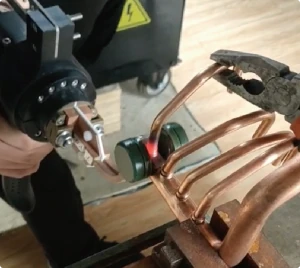
Exact heat control makes brazing work well. Custom coils match your joint shapes. Fast, local heat protects nearby hvac parts.
Engineers build special coils for fast heat. Even heat improves every joint quality. Matching heat gives leak-proof seals every time.
Canroon Equipment for Manual and Automated Lines
Handheld Induction Units for Flexible Assembly
You can upgrade assembly lines. Use portable Canroon machines. Handheld guns heat pipe layouts. Tiny tools reach tight frames. Easy handles stop user fatigue. Workers move cables around objects. Workers stay safe and far.
These light tools join copper. Special coils give fast heat. You get good joints. You do not need flames. Portable units save heat settings. Handheld tools help with repairs.
Automated High-Volume Production Systems
Big factories need fast tools. They need less downtime. HVAC brazing automation stops human errors. Canroon builds custom factory setups. Moving tables shift parts quickly.
Multi-axis robots move custom coils. They align joints with precision.
Robot arms follow set paths. Automated tools heat big coils. Automated setups boost daily output. They lower scrapped part counts.
Infrared Temperature Control and Monitoring
Good heat control stops damage. Canroon tools use smart sensors. They measure heat without touching. Closed-loop systems change power fast. Fast sensors spot temperature shifts.
Monitors log heat data automatically. Quality teams track exact temperatures. Real-time control protects thin tubes. Automated tools make strong seals.
Moving to induction brazing fixes bad leak issues fast. It speeds up cycle times. It boosts factory output quickly.
Flameless heating removes open fire dangers. It protects your workers well. It improves shop safety.
New Canroon technology gives steady heat control. This process guards delicate nearby parts. It ensures high joint quality.
HVAC makers get great efficiency. This works in all tough production jobs.
Upgrading your lines with induction heating ups yield. It guarantees long product reliability.
Contact Canroon engineers today for testing. Find custom heating choices for your line.
Preguntas frecuentes
What joint clearance tolerance do you need for induction brazing?
Keep gaps tight.
Use 0.001 to 0.005 inches.
Liquid metal flows deep.
Capillary action pulls it in.
This makes leak-proof seals.
How does induction heating improve workplace safety over open flames?
No open fires are needed.
Flames reach 3,100°C.
Induction stops burn risks.
It removes fire dangers.
This lowers shop costs.
No hot work permits needed.
Can you join dissimilar metals in refrigeration systems?
Yes, you can easily connect them.
Join copper, brass, steel, and aluminum.
Induction heat targets small areas.
It balances heat rates fast.
You get strong, clean bonds.
It works on many systems.
Why should you use infrared temperature sensors during brazing applications?
Infrared sensors track target heat.
They do not touch parts.
Smart controls adjust power fast.
This stops thin tubes from melting.
You watch heat cycles live.
This keeps quality very steady.