




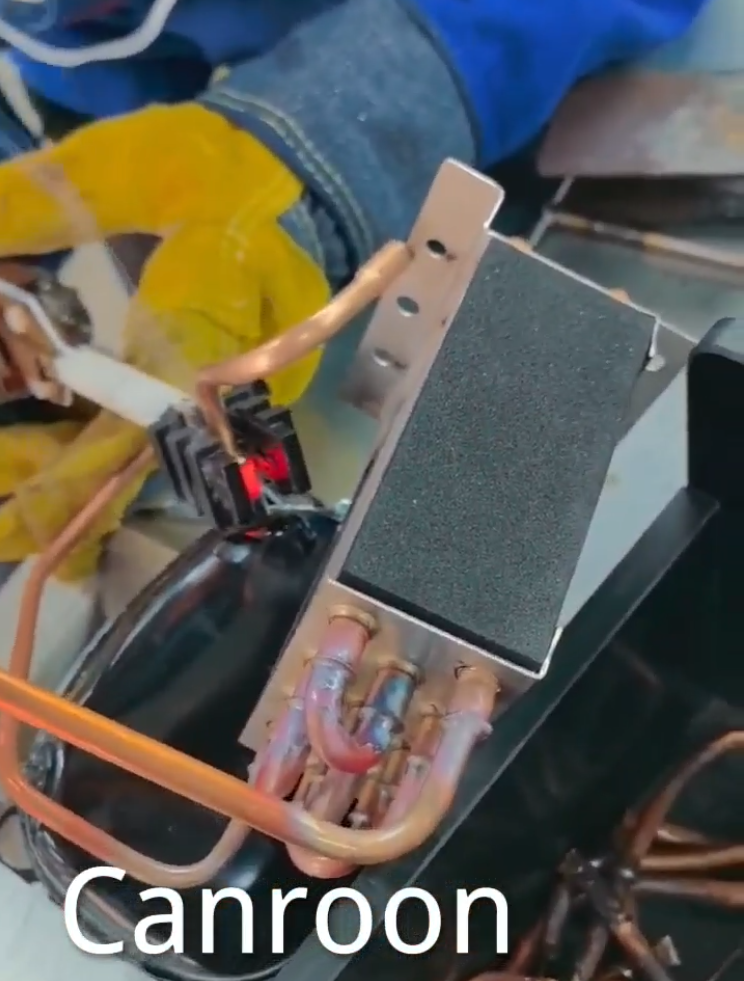
Copper tube induction brazing uses electromagnetic heating. It joins copper tubes fast and with accuracy. You get quick, focused heating because copper conducts electricity well. This process gives you short cycles. It saves energy and lowers heat distortion. You see neat, strong joints. These joints are important in HVAC systems and other industries. Brands like Canroon offer advanced equipment for copper brazing. This makes your work efficient and dependable.
Key Takeaways
- Induction brazing uses electromagnetic heating. It joins copper tubes fast and with accuracy. This saves both time and energy.
- You must prepare well by cleaning and fitting the tubes. This step is very important for strong and reliable brazed joints.
- Induction brazing makes cleaner joints. There is less contamination. This means you do not need to clean much after brazing.
- Portable induction machines help you braze in small or hard places. This makes it easier to use in many different jobs.
- You need to do regular maintenance and train operators. This keeps the process safe and gives high-quality results.
Induction Brazing Basics
What Is Induction Brazing
Induction brazing joins metals by melting a filler. It uses induction heating to make heat with electromagnetic fields. A coil sits close to the metal. The coil makes currents inside the metal. These currents heat the metal fast and accurately. You do not need to touch the metal or use fire. Induction brazing works on many metals. Copper brazing gives strong and neat joints.
How It Works for Copper Tubes
Copper tubes heat up well with induction. This is because copper conducts electricity very well. The coil, usually made from water-cooled copper tubing, wraps around the tube. The coil shape matches the tube’s size and form. Good coil design helps the process work better. Bad coil design wastes time and money. Induction heating can weld seams and join tube edges. The process heats the edges enough for brazing when pressed together. Copper brazing gives steady and repeatable results.
Tip: Always check your coil design before you start. The right coil makes brazing work well and saves time.
Induction vs. Vacuum Brazing
You can pick induction brazing or vacuum brazing. Induction brazing uses electromagnetic induction to heat certain spots. This lets you heat only the needed areas. Vacuum brazing heats the whole part in a special chamber. This gives even heating but can cause stress from heat. Induction brazing is faster and uses less energy. Both ways make strong joints. Induction brazing is easier to set up and gives more control.
| Feature | Brasaje por inducción | Vacuum Brazing |
|---|---|---|
| Heating Method | Localized, electromagnetic | Whole assembly, controlled |
| Speed | Fast, short cycle | Slower, longer cycle |
| Joint Quality | High, precise | High, uniform |
| Setup | Minimal | More involved |
Induction heating is great for copper brazing. It gives you speed, accuracy, and strong joints.
Applications in Copper Brazing
HVAC and Industry Uses
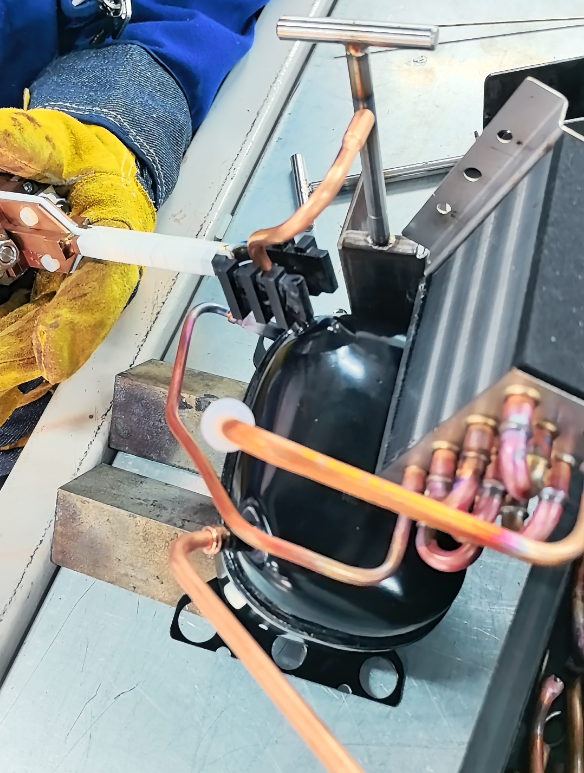
Copper pipe brazing is used in many fields. HVAC makers use copper brazing to connect tubes and fittings. It helps build heat exchangers, ducts, and valves. Car companies use copper brazing for radiators and fuel lines. Aerospace engineers use copper pipe brazing for aircraft parts and honeycomb shapes. Electronics factories use copper brazing to attach connectors and heat sinks. Medical device makers use copper pipe brazing for strong joints.
| Industry | Primary Applications |
|---|---|
| Automotive | Brazing of heat exchangers, radiators, condensers, fuel lines |
| Aerospace | Brazing of honeycomb structures, aircraft components |
| Electronics | Brazing of heat sinks, connectors, terminals |
| Medical Devices | Brazing in device manufacturing |
| HVAC Manufacturing | Brazing of copper tubing and fittings |
Copper pipe brazing is found in water systems and fuel lines. It is also used in drainage and vents. Induction heating makes strong copper brazing joints. It does not melt the base material. Flux stops oxidation and keeps the joint clean. Capillary action pulls filler metal into the joint. This makes brazing work well.
Note: Copper pipe brazing gives neat and strong joints. These joints last in tough places.
Portable Induction Machines
Portable induction heating machines are used for copper pipe brazing. These machines are small and easy to carry. You get fast heating and good control. Portable machines let you braze hard-to-reach parts. You can use them in tight spaces, like inside vehicles or HVAC corners.
- Portable induction heating machines make copper pipe brazing faster.
- You can braze fuel lines and brake parts in car shops.
- You can braze generator and transformer parts in electrical shops.
- Aviation workers use portable machines for fan blades and hydraulic systems.
Copper pipe brazing lets you join parts without melting the base metal. This keeps the structure safe and gives you a strong copper brazing joint.
Benefits of Induction Copper Brazing
Speed and Efficiency
Induction heating lets you finish brazing jobs quickly. The heat starts inside the copper tube wall. This helps you reach brazing temperature fast. You do not need to wait for a flame to warm the metal. Induction heating can cut cycle times from over 90 seconds to just 20-30 seconds. This speed helps you meet tight deadlines in factories that make many parts each day.
- Induction heating gives you heat right away.
- You can braze more tubes in less time.
- Shorter cycles help you save time and work faster.
Tip: If you need to make lots of parts, use induction heating for copper brazing.
Clean and Consistent Joints
Induction brazing makes joints cleaner and more reliable than torch brazing. You do not use a flame, so you avoid dirtying the metal. The process makes very little smoke or fumes. You control the heat exactly, so every joint looks the same and stays strong. You often do not need to clean the joint after brazing.
| Feature | Brasaje por inducción | Torch Brazing |
|---|---|---|
| Heating Method | Non-contact heating | Open flame |
| Contamination Risk | Minimal contamination | Higher risk of contamination |
| Smoke/Fumes | Produces minimal smoke or fumes | Can produce significant smoke/fumes |
| Heating Control | Precise control over heating parameters | Manual process with variability |
| Joint Quality | Consistently strong, leak-proof joints | Variable quality, potential defects |
| Post-Braze Cleaning | Often eliminates need for extensive cleaning | May require extensive cleaning |
You get strong, leak-proof joints every time. This makes copper brazing a smart choice when you need good quality.
Energy and Environmental Advantages
Induction heating uses energy well. You only heat the metal that needs brazing, so you waste less energy. This matters in big factories where energy costs are high. Induction heating does not make direct emissions like carbon dioxide or nitrogen oxides. You keep the air clean and protect workers from smoke and fumes.
- Induction heating targets just the joint area.
- You save energy because you do not heat the whole part.
- The process does not make harmful emissions.
- You improve air quality and lower health risks for workers.
- Energy transfer efficiency can reach 90%, much higher than gas heating.
- Faster heating means you use less energy.
- Consistent heating lowers waste and makes products better.
- Less oxidation during brazing reduces material loss and environmental harm.
Note: Induction heating helps you protect the environment and save money. You get strong copper brazing joints without polluting the workplace.
Copper Brazing Process Steps
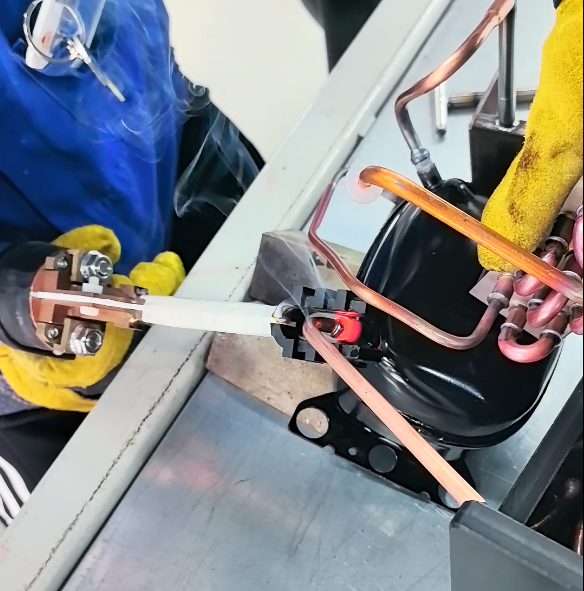
The induction brazing process for copper tubes follows a series of important steps. You need to prepare the tubes, apply the filler metal, use induction heating, and then cool and inspect the joint. Each stage helps you get strong and reliable results.
Preparation and Setup
You start by getting your copper tubes ready for brazing. Good preparation makes a big difference in the final joint quality. Here are the steps you should follow:
- Clean the Copper Tubes: Remove all dirt, grease, and oxidation from both the inside and outside of the tubes. Use a wire brush or a clean cloth. Clean surfaces help the filler metal flow and stick well.
- Prepare the Joint: Make an overlap or socket joint. The overlap should be at least three times the thickness of the tube wall. This gives you a strong connection.
- Clamp the Tubes: Hold the tubes in place with clamps or fixtures. This keeps them steady during the induction brazing process and helps you get a neat joint.
Tip: Always check the fit of your tubes before you start. A good fit helps the filler metal flow smoothly.
Applying Filler Metal
You need to use the right filler metal and apply it correctly. This step is key for a strong and leak-proof joint.
- Surface Preparation: Make sure the tubes are free of oil and oxidation. Clean surfaces let the filler metal wet the joint.
- Check Joint Clearance: Keep the gap between the tubes between 0.05 mm and 0.13 mm. This small space helps the filler metal flow by capillary action.
- Apply Flux: Brush flux on both surfaces before you heat the joint. Flux stops oxidation and helps the filler metal spread.
- Position the Filler Metal: Place the filler metal at the joint area. You can use rings, rods, or preforms. Make sure the filler touches both parts.
Note: If you want reliable joints, always use enough flux and keep the joint gap small.
Induction Heating Cycle
Now you use induction heating to melt the filler metal and join the tubes. Inductive heating gives you fast and even heat right where you need it.
- Place the coil around the joint area. Make sure the coil fits well.
- Turn on the induction heating machine. Watch the temperature and heating time closely.
- The joint area heats up quickly. The filler metal melts and flows into the gap by capillary action.
- Keep the heat steady until the filler metal fills the joint.
Here is a table with the main parameters for the induction heating cycle:
| Parameter | Value Range |
|---|---|
| Time | 15s to 40s |
| Potencia | 5kW to 16kW |
| Frecuencia | 112kHz to 130kHz |
Tip: Control the heating profile. Watch the ramp-up speed, target temperature, and cool-down rate. This helps the filler metal flow well and makes a strong joint.
Cooling and Inspection
After brazing, you need to let the joint cool and check its quality.
- Let the joint cool down naturally. Do not move the tubes while they are hot. This prevents cracks and keeps the joint strong.
- Wait at least one hour before handling the joint for further work.
You should inspect the joint to make sure it is strong and leak-proof. Here are some common inspection methods:
| Inspection Method | Description |
|---|---|
| Visual inspection | Look for smooth, even joints without cracks or gaps. |
| Leak testing | Check for leaks using pressure or vacuum. |
| Ultrasonic examination | Use sound waves to find hidden flaws. |
| Liquid penetrant examination | Use dye to find surface cracks. |
| Radiographic examination | Use X-rays to see inside the joint for voids or poor fit. |
| Proof testing | Apply a load greater than normal use to test strength. |
| Metallographic examination | Cut and examine the joint under a microscope for porosity or bad fit. |
Callout: Always inspect your joints. Good inspection helps you catch problems early and keeps your products safe.
By following these steps, you can master the induction brazing process for copper tubes. Careful preparation, correct filler application, controlled inductive heating, and thorough inspection give you strong, clean, and reliable brazed joints every time.
Equipment and Materials
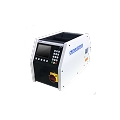
Induction Machines (Canroon)
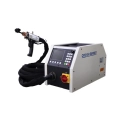
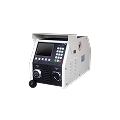
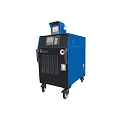
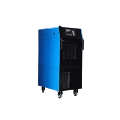
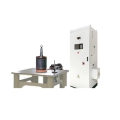
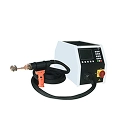
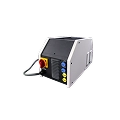
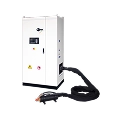
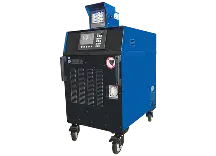
You need a good induction heater for copper tube brazing. Canroon makes machines with smart features. These machines let you control heat very well. They work for many brazing jobs. The table below lists what Canroon machines can do:
| Feature | Description |
|---|---|
| High-frequency generators | Give strong and exact heat for many brazing jobs. |
| Safety features | Use water cooling, fire barriers, and safety gear to keep you safe. |
| Automation | Software helps control heating and cooling, so you make fewer mistakes. |
| Versatility | Works with different metals and fits into many factory lines. |
Tip: Look at power, frequency, and safety when you pick a machine. Pick one that fits your brazing work.
Coils and Tooling
The coil is an important part of the induction heater. The shape of the coil changes how heat goes into the copper tube. You need to pick the right coil for each job. Here are some things to know about coils and tools:
- The coil’s shape changes how well it heats the tube.
- The frequency you pick changes how the heating works.
- The space between the coil and tube affects how well energy moves.
You can use special coils for odd tube shapes. Good tools help you get the same results every time.
Brazing Alloys and Fluxes
You need the right alloys and fluxes for copper tube brazing. The table below shows some common alloys:
| Alloy Type | Description |
|---|---|
| BCu | Copper brazing alloys with copper as the main part. |
| BCuP | Has phosphorus, works as a flux, good for copper-copper and copper-brass joints. |
| RBCuZn | A copper alloy for brazing, depends on what is in it. |
Fluxes stop the metal from rusting during brazing. You can pick powder, paste, flux-coated alloy, or liquid flux. Choose the flux that works best for your metals and job.
Safety Gear
You must wear safety gear when using an induction heater. Wear gloves, goggles, and clothes that do not burn. Safety gear keeps you safe from burns and fumes. Always check your machine for safety before you start.
Callout: The right equipment and materials help you make strong, clean, and safe brazed joints.
Best Practices for Quality Joints
Tube Cleaning and Fit-Up
Start with clean copper tubes to get strong joints. Dirt, oil, or rust can stop the filler metal from moving. Pick the right way to clean your tubes for each job. The table below lists some good ways to clean tubes before you put them together:
| Cleaning Method | Description |
|---|---|
| Grit Blasting/Tumble-Deburring | Use only metal materials so you do not leave rust on the tube. |
| Deionized Water | Rinse tubes with deionized water to keep out things that block brazing. |
| Ultrasonic Cleaning | Use a special cleaner with fluid to remove dirt and oil. |
After cleaning, check how the tubes fit. Make sure they fit close but leave a small space for the filler metal. A good fit helps the brazing work better.
Heating Parameters
You can make better joints by setting the right heating rules. The table below shows what you should watch:
| Key Factor | Description |
|---|---|
| Heating Method | Pick a way that heats both sides of the tube the same. |
| Control de temperatura | Keep the heat steady so the filler flows well. |
| Capillary Action | Leave a small gap so the filler can move by capillary action. |
| Joint Design | Use a design that lets the tubes grow a little when hot. |
| Flux Role | Put on flux to stop rust and keep the joint clean. |
Tip: Use temperature sensors that check heat all the time for best results.
Joint Quality Monitoring
Always check your joints while you braze and after you finish. Follow these steps to make sure your joints are strong:
- Use holders made from ceramic or stainless steel so they do not heat up.
- Watch the temperature with sensors or thermometers.
- Make sure both sides of the joint get hot at the same time.
- Wait a little after the filler flows so it fills the gap.
Note: Keeping the heat even and checking often helps you get leak-proof joints every time.
Equipment Maintenance
Take care of your induction brazing machine with regular checks. Follow these best steps:
- Check the machine every day before and after you use it. Clean it after each use.
- Make a plan for weekly, monthly, and every-three-months checks.
- Teach all workers how to find and fix problems early.
A machine that is cared for gives you good brazing and lasts longer.
Common Challenges and Solutions
Incomplete Filler Flow
Sometimes, the filler metal does not fill the joint. This can leave gaps or weak spots. Many things can cause this problem:
- Oil, grease, dirt, or oxides on copper tubes stop the filler metal from sticking.
- The base metals may not get hot enough for brazing, so the filler metal cannot move well.
- If you do not use flux the right way, the filler metal will not bond.
- Bad heating can leave some spots cooler, which stops the filler metal from flowing smoothly.
You can fix these problems by cleaning the tubes well. Check your heating method and put flux on evenly. Always make sure the joint gets hot enough for the filler metal to flow.
Overheating Issues
Too much heat can hurt copper tubes or burn the filler metal. You can stop this by watching coil spacing and coupling distance. Keep the coil loops close together for even heating. Make sure the gap between the coil and tube stays the same. Try different frequency settings to find the best heating rate for your materials. Careful setup helps you avoid overheating when brazing.
Tip: Watch the temperature all the time. Change the coil and frequency if you see overheating.
Calibration Problems
Calibration mistakes in your induction brazing equipment can cause bad results. You can find these problems by doing these steps:
- Check if the sensor reading matches the real temperature with a calibrated thermocouple.
- Look at the controller for error messages or strange actions. Make sure the set point and output are right.
- Calibrate the sensor or controller if you see differences. Follow the instructions from the manufacturer.
- Check the heating element for damage or wear. Replace it if needed.
Regular calibration keeps your brazing process working well.
Operator Errors
Operator mistakes can make weak joints or waste materials. You should train all workers to follow the right steps for brazing. Teach them how to clean tubes, set up the coil, and watch the heating cycle. Tell them to check each joint after brazing. Good training and clear instructions help you stop mistakes and make better quality.
Callout: Training and supervision help your brazing process stay safe and work well.
Safety Considerations
Electrical Safety
You must follow strict electrical safety rules when using induction brazing machines. Always get proper training before you start. Training helps you understand the equipment, risks, and what to do in an emergency. Wear heat-resistant clothing and electrical safety gear to protect yourself from shocks and burns. Set up clear shutdown steps and make sure you know first aid basics. Keep your work area safe by using machine guards and making sure the space has good airflow. Inspect your equipment often to catch problems early.
- Get trained on equipment and emergency steps.
- Wear heat-resistant and electrical safety gear.
- Know how to shut down machines quickly.
- Use machine guards and keep the area ventilated.
- Check machines often for any issues.
Tip: Never skip safety checks. They help prevent accidents.
Handling Hot Materials
Hot copper tubes can cause burns if you do not handle them with care. Always keep your hands and body away from the live coil. Metal objects near the coil can heat up fast, so keep them away. People with pacemakers should not go near the induction coil because of electromagnetic fields. Use a coil that fits the tube well and place it carefully. Watch the heating process with an infrared thermometer to avoid overheating. Use ceramic or high-temperature plastic holders instead of metal clamps. These holders do not conduct heat and help prevent burns. Inspect all tools and fixtures before you start.
- Keep hands and metal away from the live coil.
- Use the right coil for the job.
- Watch the temperature closely.
- Use non-conductive holders.
- Check equipment before use.
Fume Extraction
Brazing can create fumes that are harmful if you breathe them in. Always work in a space with good ventilation. Use fume extractors or local exhaust systems to pull fumes away from your breathing zone. This keeps the air clean and protects your lungs. If you work in a small area, make sure the extractor works well before you start.
Note: Clean air helps you stay healthy while you work.
PPE
Personal protective equipment (PPE) keeps you safe during induction brazing. Wear heat-resistant gloves, safety goggles, and flame-resistant clothing. Use a face shield if there is a risk of splatter. Closed-toe shoes protect your feet from hot metal drops. Make sure your PPE fits well and is in good condition before each job.
| PPE Item | Purpose |
|---|---|
| Gloves | Protect hands from burns |
| Safety goggles | Shield eyes from sparks/fumes |
| Flame-resistant suit | Guard body from heat/splatter |
| Face shield | Extra face protection |
| Closed-toe shoes | Protect feet from hot metal |
Callout: The right PPE can stop most injuries before they happen.
You can boost your work with copper tube induction brazing. This method gives you fast cycles, clean joints, and strong results. You follow simple steps: clean, fit, heat, and inspect. You save energy and keep your workspace safe.
- Get reliable joints every time.
- Work faster and smarter.
- Protect your team and the environment.
Canroon offers smart machines and support. Try induction brazing in your industry for better quality and less waste.
Preguntas frecuentes
What is the main advantage of induction brazing over torch brazing?
Induction brazing heats metal much faster than a torch. It makes cleaner joints because there is no open flame. The electromagnetic fields heat only the needed area. This helps stop dirt and keeps the joint strong. You get the same good results every time.
Can you use induction brazing for different copper tube sizes?
Yes, you can use it for many tube sizes. You pick a coil that fits the tube. You also change the machine settings for each job. Induction brazing works for both small and big copper tubes. Many industries use it for different projects.
Do you need special training to operate induction brazing machines?
Yes, you should learn before using the machine. Training teaches you how to stay safe and use the controls. You also learn the best ways to braze copper tubes. This helps you make strong joints and avoid mistakes.
How do you check if a brazed joint is leak-proof?
You can test the joint in a few ways. Leak testing uses air or vacuum to find leaks. You can also look at the joint to see cracks or holes. Ultrasonic checks use sound waves to find hidden problems.