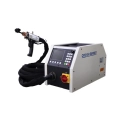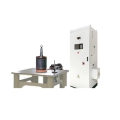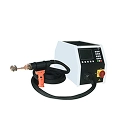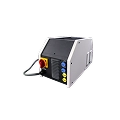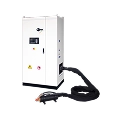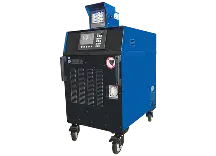





You may have induction heating problems like overheating or uneven heating. Sometimes, the system shuts down suddenly or there is arcing. There can also be problems with material compatibility. You can fix these problems by following clear steps and helpful tips. This induction heating troubleshooting guide gives you the latest solutions for 2026. It does not matter if you know the technical details or not. You will find easy instructions here. Use this blog as a quick guide when you need help.
Key Takeaways
- Look for power problems by checking if there is no heat or if the machine stops suddenly. Check the wires often and make sure air can move well to stop problems.
- Watch your induction coil for any damage or if it gets too hot. Use the right design and good materials to make it work better and last longer.
- Pick the right materials for your workpiece so it heats evenly. Use sensors to check the temperature and change it if you need to for better results.
- Take care of your cooling system by cleaning it often and looking for things that block it. Good cooling stops the machine from getting too hot or breaking.
- Check and clean your induction heating system often. Regular care helps you find problems early and keeps your machine working well.
Calentamiento por inducción Troubleshooting: Power Issues
Power Symptoms
When your induction heating system has power problems, you may see different signs. These can be no heat, uneven heating, sudden shutdowns, or arcing. Sometimes, you feel tingling if you touch the equipment. You might notice one spot on the part gets too hot. Fault trips can happen on and off. The table below lists common symptoms, their causes, and ways to fix them.
| Symptom | Probable Cause | Resolution |
|---|---|---|
| No heating despite enable signal | Coil not resonant, capacitor failure | Check tuning; replace resonant capacitors |
| Part overheats locally | Uneven flux distribution | Reposition part; use flux concentrator |
| Intermittent fault trips | Loose connection, water flow fluctuation | Check all grounds; verify flow rate |
| Operator feels tingling | Ground fault, damaged insulation | IMMEDIATELY LOCKOUT; inspect coil and cabling |
| 5kV arcing to ground | Isolation transformer failure, moisture | Do not operate; replace transformer assembly |
Power Causes
Voltage changes, bad connections, or blocked vents often cause these problems. Loose wires or broken insulation can make ground faults. Moisture inside the transformer can cause dangerous arcing. Uneven flux can lead to heating that is not steady. Sometimes, a broken capacitor or coil tuning problem stops the system from heating.
Tip: Always look for discoloration or oxidation on connections. These signs help you find problems early.
Power Solutions
You can fix most power problems by following easy steps. First, check if the power stage works. Watch frequency and current readings. Check supply settings and look at the DC bus voltage. Then, check the work coil and all connections. Look for discoloration and make sure connections are tight. Make sure airflow or coolant flow is good. Check the matching transformer for cracks or oxidation. Check impedance and capacitor values. Test the system under load with temperature feedback turned off. Run tests in manual mode and watch the current. Check the workpiece temperature.
If you need more help, find guides with new ideas for induction heating troubleshooting. These steps help you fix power problems and keep your system working well.
Coil Problems & Solutions
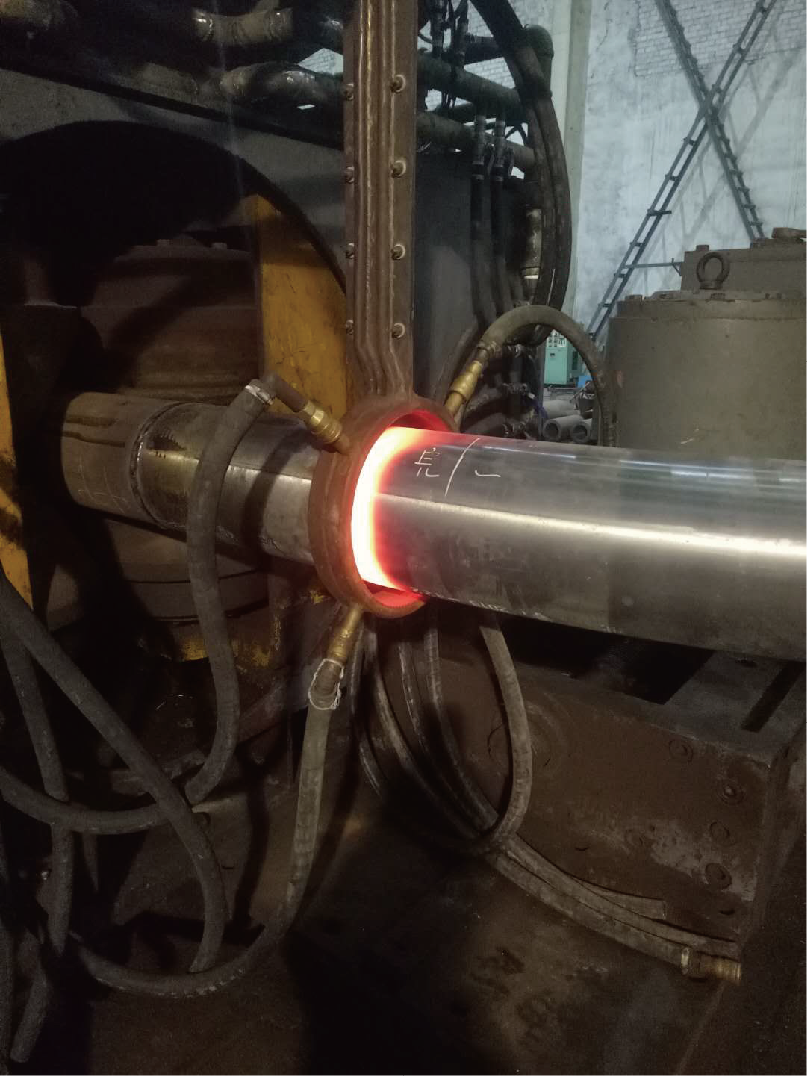
Coil Symptoms
You might see some signs if your induction coil has problems. Look for these common issues:
- Heating is not even across the part.
- The system does not work as well as before.
- The coil or the workpiece gets too hot.
- Water drips or leaks from the coil area.
- The machine uses more power than usual.
- The part does not turn out well after heating.
- The workpiece has too much scale or gets bent.
If you notice any of these, start troubleshooting your induction heating system right away.
Coil Causes
Most coil problems come from a few main things. Here are the top reasons:
- If the coil is not designed right, it can get too hot and not work well.
- If water does not cool the coil enough, it can overheat and break.
- If the insulation breaks down, arcing can happen and hurt the coil.
- If the coil gets hit or shakes, it can get damaged and leak water.
- If the frequency is wrong, some spots can get too hot.
Tip: Always look for damage or worn insulation on your coil. Finding problems early can stop bigger issues later.
Coil Solutions
You can fix most coil problems by following good steps and using smart ideas. First, check the coil for cracks, leaks, or color changes. Change out any coil that is damaged. Use good design to help your coil last longer and make better parts. Pick the right materials so the coil does not fail. Make sure water flows well and use pumps if you need more cooling. Control the magnetic flux to heat better. Try using computer models to see how heat and magnetism will act. Do not use sharp corners in your coil design. You can also split flux concentrators into pie shapes to help the coil last longer.
If you need more help, find guides about checking and redesigning coils. These steps will help your coil work well and stop problems in the future.
Workpiece Issues & Solutions
Workpiece Symptoms
You might see problems if your workpiece does not heat right. Some spots can get too hot, while others stay cold. Sometimes, the part never gets hot enough for induction heat treatment. You may notice the part bends, cracks, or has marks after heating. Sometimes, the part does not heat up at all. These problems can slow down your work and make the quality worse.
Tip: Always look at the workpiece’s surface and shape before you start. Checking early helps you stop bigger problems later.
Workpiece Causes
Many things can cause workpiece problems in induction heating. The most common reasons are the material type, shape, and how even the material is. Induction cannot heat non-conductive materials by itself. If you use different metals, each one heats up in its own way. Odd shapes can make some areas too hot or too cold.
Here is a table that shows the main reasons:
| Cause of Incompatibility/Inconsistent Heating | Explanation |
|---|---|
| Non-conductive materials | Induction heating only works with materials that conduct electricity; non-conductive ones do not heat up this way. |
| Variability in conductive materials | Different metals have different electrical and magnetic properties, so they heat unevenly. |
| Irregular shapes | Odd shapes can make the magnetic field uneven, causing some spots to get too hot or not hot enough. |
Workpiece Solutions
You can fix most workpiece problems with a few easy steps. First, pick materials that work well with induction heating. Use the same kind of metal for each batch. If you need to heat a non-conductive part, use a susceptor to move heat to it. For odd shapes, change the coil design or spin the part while heating. You can also use sensors to watch the temperature and make changes fast.
If you want more help, find guides that show how to match the workpiece and coil. Many companies use computer models to guess how the part will heat up. These tools help you get better results and avoid mistakes. Good planning and smart choices will make your induction heat treatment work better every time.
Cooling System Troubleshooting
Cooling Symptoms
You can find cooling problems by watching for easy signs. Look for these things:
- Coils or power units get too hot.
- The cooling system makes strange sounds.
- Power output goes up and down while running.
If you see any of these, check the cooling system fast. Too much heat can break your equipment and stop your work. Strange sounds often mean something is wrong inside the cooling path. If power changes a lot, the cooling system may not be working right.
Tip: Always listen for new sounds and touch the coils to check heat. Finding problems early helps you stop bigger issues.
Cooling Causes
Most cooling problems come from a few main things. The table below shows the main causes and what they mean:
| Cause | Explanation |
|---|---|
| Cooling System Failure | Not enough water cooling causes heat stress and alarms. |
| Driving Frequency Out of Range | If the frequency is not right, high frequency alarms can happen. |
| IGBT Module Degradation | Heat stress over time can wear out IGBT modules and cause alarms. |
You should check water flow and keep the frequency in the right range. If you see alarms, look at the IGBT modules for damage.
Cooling Solutions
You can fix cooling problems with a few easy steps. Clean the inductor after each use to stop scale from building up. Every six months, flush the coil’s water path with cleaning liquid to get rid of calcium. Make sure water goes down the center leg first on ID coils for best flow. You can add a booster pump to help water move faster and cool better.
- Keep water flowing well to stop overheating.
- Do regular checks to stop clogs and keep cooling strong.
- Use good water-cooled systems to remove heat and keep things working.
These steps help protect your equipment and keep your work steady. Taking care of your system often stops most cooling problems and keeps it working well.
Control & Sensor Troubleshooting
Control & Sensor Symptoms
You can spot control and sensor problems in your induction heating system by watching for certain signs. Sometimes, the power level flashes but you see no heat. You may get a “pan not detected” message or notice the system heats for a short time and then shuts off. The cooktop might keep beeping, or the controls do not respond at all. One zone may work while another fails. You might even see the breaker trip when you start the cooktop.
Here is a table that shows common symptoms, likely causes, safe checks, and when you should book technical support:
| Symptom | Likely Cause | Safe Check | Book Service If |
|---|---|---|---|
| Power level flashes, no heat | Pan not compatible or too small | Try magnet test and a known induction pan | Multiple pans fail on the same zone |
| “Pan not detected” message | Pan base not magnetic, pan not centered | Center pan, use correct zone size | All zones show the same message |
| Heats for a short time, then shuts off | Overheat protection or ventilation issue | Let it cool, keep vents unobstructed | Shutdown repeats during normal cooking |
| Cooktop keeps beeping | Touch sensor interference or safety alert | Clean and dry control area | Beeping continues on a clean, dry surface |
| Controls do not respond | Control Lock, moisture, touch panel fault | Unlock, dry surface, power reset | Controls remain dead after reset |
| One zone works, one zone fails | Zone-specific sensor or coil issue | Test with same pan on different zones | The same zone always fails |
| Breaker trips when cooktop starts | Electrical fault or high-draw event | Stop using it, do not keep resetting | Any repeat trip or burning smell occurs |
Tip: Always check the induction coil and control panel for signs of wear or moisture before you start troubleshooting.
Control & Sensor Causes
You may find that most control and sensor issues come from a few main sources. If the induction coil does not detect the pan, the pan may not be compatible or centered. Moisture or dirt on the touch panel can cause the controls to stop working. Overheat protection may shut down the system if vents are blocked. Sometimes, a sensor or coil in one zone fails, so only that zone stops working. Electrical faults can trip the breaker and stop the system.
You should check the induction coil, control panel, and sensors for damage or dirt. Make sure pans are magnetic and fit the zone size. Keep the area dry and clean to avoid sensor errors.
Control & Sensor Solutions
You can fix most control and sensor problems with simple steps. Clean and dry the control panel before you use the system. Center the pan on the induction coil and use a pan that passes the magnet test. If the system shuts off, let it cool and check that vents are clear. Unlock the controls and reset the power if they do not respond. Test each zone with the same pan to find coil or sensor issues. If the breaker trips, stop using the system and call technical support.
Note: If you see repeated shutdowns or dead controls after a reset, you should contact technical support. They can help you fix deeper problems and keep your induction heat treatment safe.
You can prevent many issues by keeping the induction coil clean and checking sensors often. Regular care helps your system work well and keeps your work safe.
Preventive Maintenance Tips
Routine Checks
You can stop most induction heating problems with daily checks. Start your day by looking for leaks and checking water levels. Watch for warning lights and listen for odd sounds. Look at the induction coil for burn marks. Clean the induction coil and check quench filters every week. Make sure the cooling water is clean and the workpiece is in the right spot. Wipe bus insulators to stop electrical trouble. Once a month, look for hot spots and check bolts for tightness. Check cooling hoses for damage. Test safety circuits and look at sacrificial anodes. Checking things often helps you find problems early. Watching the cooling system and looking for leaks keeps your equipment safe. Checking the coil’s shape and insulation helps it work well.
Cleaning & Monitoring
Cleaning and watching your system helps it stay strong. Clean heating parts often to stop dust and scale from building up. This helps heat move better. Check if connections are loose or worn out. Loose parts can waste energy or be unsafe. Use automatic tools if you have a big system. These tools find changes fast. Look at heating parts for cracks, rust, or bending. If you see damage, fix it right away. Fixing problems quickly keeps your coil working and makes heating even.
Tip: Clean the induction coil often and check for damage you can see. Fixing things early stops bigger problems.
Maintenance Solutions
You can make your induction heating equipment last longer with smart care. Good maintenance stops big breakdowns and helps things run better. Fix or rebuild the induction coil when needed. This makes it work better and saves money. Making your system better helps you get good results and have fewer problems. Custom fixes fit your needs and help your equipment last longer.
| Maintenance Solution | Benefits |
|---|---|
| Proactive maintenance | Stops big breakdowns and helps things run better |
| Induction coil repair/rebuild | Makes the coil last longer and work better |
| System optimization | Gets the best results and stops more failures |
| Custom solutions | Fits your needs and helps equipment last longer |
You can keep your induction heating system strong by using these tips. Checking, cleaning, and smart care help you avoid trouble and get good results.
You can fix most induction heating problems with simple steps. Look at the coil position and check cooling. Make sure power settings are correct. Clean the quench system so it does not fail. Doing regular maintenance keeps your system working well. It also helps you avoid long stops. Make a checklist with easy steps. Check cookware, look at power, and unlock controls.
Tip: Check your system every day and do scheduled maintenance. This helps you find problems early and keeps your equipment strong. If you stay ahead, your induction heating system works its best.
Preguntas frecuentes
What should you do if your induction heater keeps shutting down?
You should check for loose connections and overheating. Make sure the cooling system works. If the problem continues, contact support. They can help you find the cause and fix it quickly.
How often should you clean your induction heating system?
You should clean your system every week. Remove dust and scale from coils and cooling paths. Regular cleaning helps your equipment last longer. If you need help, reach out to support for cleaning tips.
Why does your induction heater make strange noises?
Strange noises often mean cooling or coil problems. Check for blockages or leaks. Listen for new sounds each day. If you cannot find the cause, ask support for advice. They can guide you through safe checks.
Can you fix sensor errors by yourself?
You can try simple fixes like cleaning the control panel and checking pan placement. If errors continue, contact support. They can walk you through more steps or send real-time technical support if needed.
When should you call for professional support?
Call for professional support if you see repeated shutdowns, dead controls, or burning smells. Do not try to fix electrical faults alone. Support teams have the right tools and training to keep you safe.