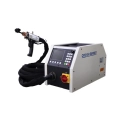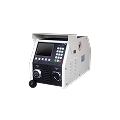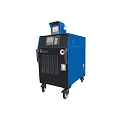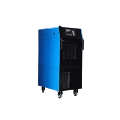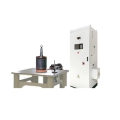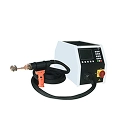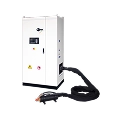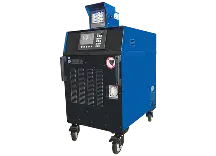





You usually see the best induction heating frequency is between 100 Hz and 1 MHz. Most factories use 3–35 kHz for their work. The Canroon CR2000 series works in this good range. It is great for pipeline welding and joint heating. The induction heating frequency you pick depends on the material. It also depends on the size of the workpiece, heating depth, and what you need to do. Choosing the right induction heating frequency saves energy and heats things faster. The table below shows common ranges used in factories:
| Frequency Range | Description |
|---|---|
| 5–35 kHz | Medium frequency induction heating system output |
You can count on Canroon for good induction heating frequency solutions.
Key Takeaways
- Induction heating frequencies from 3 kHz to 35 kHz work well for most factory jobs. These frequencies help heat things quickly for jobs like welding and heating joints.
- The type of material is very important when picking a frequency. Ferromagnetic materials heat up well at lower frequencies. Non-magnetic materials need higher frequencies to heat up well.
- The size and shape of the workpiece also matter. Small parts use higher frequencies for fast surface heating. Big parts need lower frequencies for deeper heating.
- It is important to know about heating depth. Low frequencies give deep and even heating. High frequencies heat only the surface. This makes them good for different jobs.
- Canroon’s induction heating products controls temperature very well and saves energy. This makes it a good choice for many induction heating jobs.
Factors Affecting Induction Heating Frequency
Material Properties
When picking induction heating frequency, you must think about the material. Ferromagnetic materials like steel heat up fast. They have high magnetic permeability. Non-magnetic materials, such as aluminum, need different frequencies to heat well. Materials with higher resistivity heat easier at lower frequencies. The table below shows how materials change frequency selection:
| Material Type | Frequency Influence |
|---|---|
| Magnetic Materials | Works well at lower frequencies because of hysteresis |
| Higher Resistivity | Heats easily, affects which frequency you pick |
| Non-Magnetic | Needs higher frequencies to heat enough |
The type of metal changes how frequency works. Iron and steel heat evenly at lower frequencies. Aluminum and copper need higher frequencies for even heating.
Workpiece Size and Shape
The size and shape of your workpiece matter for frequency choice. Small or thin parts use higher frequencies. This heats them quickly and evenly on the surface. Large or thick parts need lower frequencies. Lower frequencies help heat deep inside and keep it even. The shape of your workpiece is important too. Coil design should fit the shape for good heating and energy use. Custom coils help with complex shapes to move energy well.
| Evidence | Description |
|---|---|
| Coil Design | Fits part shape for even heating |
| Energy Requirements | Shows which frequency range is best |
| Coupling Effectiveness | Decides coil shape for good energy transfer |
Heating Depth Requirements
Heating depth tells you which frequency to use. Low frequency induction furnace systems (5 kHz to 30 kHz) heat deep and evenly. Medium frequencies (30 kHz to 400 kHz) balance how deep and how fast things heat. High frequencies (above 400 kHz) heat just the surface. This saves energy for surface heating. You must pick the right frequency for the heat depth you want.
| Frequency Range | Heating Depth Description |
|---|---|
| Low Frequency (5–30 kHz) | Deep, even heating for thick materials |
| Medium Frequency (30–400 kHz) | Balanced depth and speed of heating |
| High Frequency (>400 kHz) | Surface heating for small parts |
Application Type
Different jobs need different frequencies. Forging and heat treating thick parts use low frequencies for even heating. Surface hardening and brazing use high frequencies for focused heating. Car and airplane factories use high frequency induction heaters for preheating, post-weld heat treatment, and hardening gears and shafts. You must match the frequency to your job for even heating and good energy use.
| Frequency Range | Heating Characteristics | Suitable Applications |
|---|---|---|
| Low Frequency | Deep heating, even temperature | Forging, thick pipe preheating, heat treatment |
| High Frequency | Surface heating, shallow heat | Surface hardening, brazing, tool edge hardening |
Canroon’s Approach
Canroon helps you control temperature and get even heating. The CR2000 series uses PID closed-loop temperature control for steady heating. You can use temperature or power control modes with an LCD screen. The CR2000 series has power from 5KW to 160KW. Custom heating tools and coils help move energy for special shapes. You get strong performance and deep heating for factory jobs.
Tip: Canroon’s CR2000 series gives even heating and saves energy for pipeline welding, joint heating, and maintenance work.
Induction Heating Frequency for Industrial Applications
Calentamiento por inducción de frecuencia media
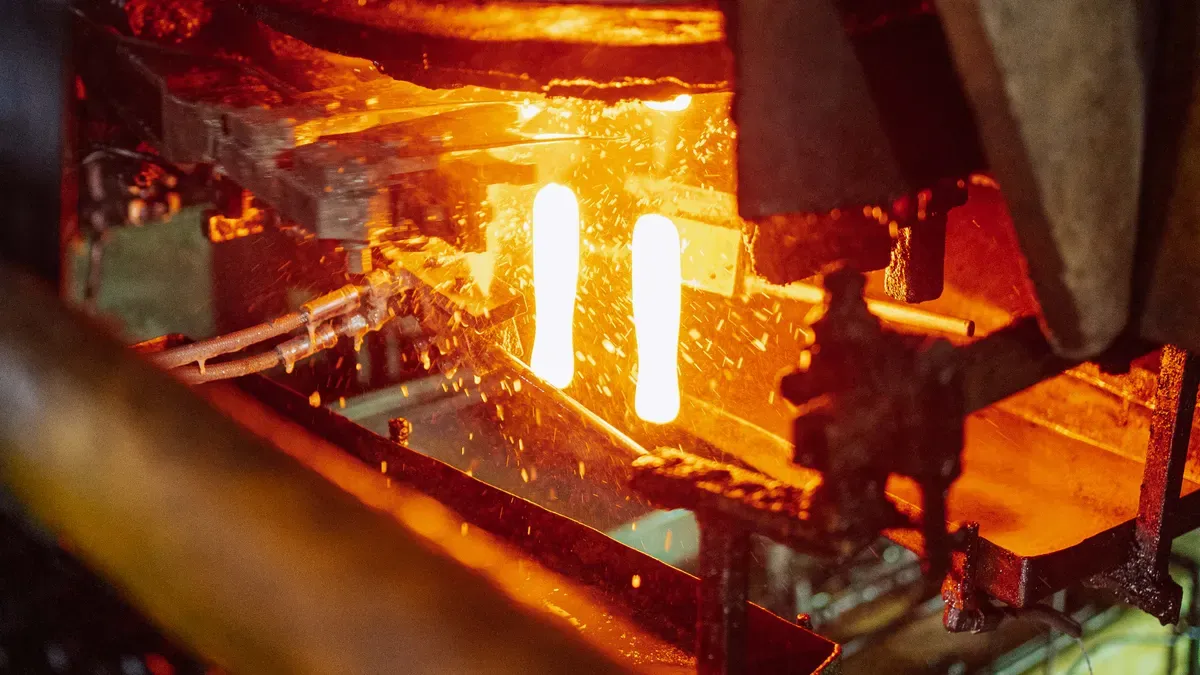
Medium frequency induction heating is good for deep, even heat. It works best with big or thick metal parts. The frequency is usually from 1 kHz to 10 kHz. This range is used for tempering, quenching, and heating large pieces. Medium frequency induction furnace systems heat metal fast and evenly. They save energy and let you control the heat well. The process is clean and safe because it does not make smoke or fumes.
| Advantage | Description |
|---|---|
| Rapid Heating | Induction heaters heat metal fast and raise temperatures quickly. |
| Uniform Temperature Distribution | They spread heat evenly, which is important for forging. |
| High Energy Efficiency | These systems lose little heat, so they save energy. |
| Precise Control | Induction heating lets you control the heat very well. |
| Clean Heating Process | Induction heating does not make smoke or fumes, so it is safer. |
You can use these systems for forging and annealing. They give you the same results every time and less oxidation. You can also set up automatic production lines with this technology.
High Frequency Induction Furnace
High frequency induction furnace systems heat metal surfaces very fast. They are used for melting small amounts and for surface hardening. The frequency for these jobs is above 10 kHz. You can control where the heat goes because of the skin effect. This effect keeps the heat near the surface. You can harden steel by heating just the outside. The inside stays strong and does not change. You get fast heating and better wear for tools and machine parts.
| Frequency Range | Application Description |
|---|---|
| Line Frequency (50/60 Hz) | Used in holding furnaces to keep lots of molten metal hot, giving deep heat and strong mixing. |
| Medium Frequency (150 Hz – 10 kHz) | Used in coreless induction furnaces to melt scrap and make the final product even. |
| High Frequency (>10 kHz) | Used for melting small batches of special alloys and for jobs like brazing and surface hardening. |
High frequency induction heating is good for jobs that need fast surface heat and careful control.
Application-Specific Frequency Ranges
You need to pick the right frequency for each job. Brazing uses high frequencies, from 100 kHz to 500 kHz. Welding uses lower frequencies, from 0.1 kHz to 20 kHz. Melting metals uses line frequency, about 50 Hz. The hardening depth changes with frequency. Higher frequencies heat only the surface. Lower frequencies heat deeper inside the metal.
| Application | Frequency Range | Hardening Depth |
|---|---|---|
| Soldadura fuerte | 100-500 kHz | 0.5-2.5 mm |
| Welding | 0.1-20 kHz | 2-10 mm |
| Melting | 50 Hz | Up to 10-20 mm |
| Forjado | 1-10 kHz | Deep penetration |
| Heat Treatment | 1-10 kHz | Deep penetration |
Induction brazing uses much higher frequencies than normal AC current. These high frequencies give strong surface heat. You need to match the frequency to the metal and the job for the best results.
Canroon CR2000 series induction heating equipment Use Cases
You can use the Canroon CR2000 series for welding pipes and heating joints. This equipment works well in oil, gas, and power plants. You can heat pipes before welding and control cooling after welding. The CR2000 series helps with post-weld heat treatment and stress relief. This makes welds stronger and lowers the chance of cracks.
The CR2000 series gives an output frequency from 3 kHz to 35 kHz. This range fits many factory heating jobs. You can see the details in the table below:
| Power (kW) | Frequency (KHz) |
|---|---|
| 4.5 | 5-60 |
| 9 | 3-35 |
| 13.5 | 3-15 |
| 18 | 3-15 |
| 36 | 3-35 |
| 72 | 2.5-35 |
| 108 | 2.5-35 |
| 145 | 2.5-35 |
Tip: The Canroon CR2000 series gives you good temperature control and even heating. This equipment helps you save energy and make better pipelines.
Frequency Selection Guide
Step-by-Step Process
You can pick the right frequency for induction heating by following these steps:
- Learn about the skin effect. This effect decides how far heat goes into metal.
- Find out how deep you need to heat your workpiece. The depth depends on what you want to do.
- Match the frequency to the shape and size of your workpiece. The shape and metal type are important.
- Check the material’s electrical resistivity and magnetic permeability. These properties change how the metal heats up.
- Choose the lowest frequency that gives you the heating you need. Lower frequencies heat deeper, higher frequencies heat the surface.
Tip: You can use careful control to get the best heating. Always check your workpiece and job before picking the frequency.
Here is a table showing important things to think about:
| Factor | Description |
|---|---|
| Material Type | Different materials heat up in different ways with induction heating. |
| Frequency Effects on Heating Depth | The frequency changes how deep heat goes into the material. |
| Power Output | The power must fit the frequency for good heating. |
| Coil Design | The coil shape changes how well things heat and how much noise you hear. |
| Noise Generation | The frequency can change how loud the system is. |
Common Mistakes
You might make mistakes if you do not match the frequency to your job. Using the wrong frequency can hurt the coil or heat the metal unevenly. Sometimes, you forget to change the coil design for different frequencies. This can make the current flow poorly and heating less effective. You must also think about how deep the eddy currents go. If you ignore this, your workpiece may not heat enough. Always match the frequency to your heating needs and check the coil design.
Note: You can avoid mistakes by using careful control and checking each step.
Canroon Support
Canroon gives you strong help for picking the right frequency. You can ask for help with coil design, power output, and temperature control. The CR2000 series lets you control heating for many jobs. You can use the LCD screen to set the temperature and power. Canroon’s experts help you choose the best frequency for your job. You get reliable performance and good heating every time.
Callout: If you need help, you can contact Canroon for advice and support. You can trust Canroon to help you get the best results with your induction heating system.
Induction Heating Frequency Reference Tables
You can look at reference tables to find the right frequency for your job. These tables show how frequency changes heating depth. They also show which jobs use each frequency range. If you check these tables first, you save time and make fewer mistakes.
Frequency vs. Heating Depth
You should know how deep heat goes into your material. High frequencies heat just the surface. Low and medium frequencies heat deeper inside the material. The table below shows how frequency changes heating depth and which jobs use each range:
| Frequency Type | Heating Depth | Best For | Material Type |
|---|---|---|---|
| High Frequency (100–500 kHz) | Shallow (surface) | Surface hardening, brazing, thin parts | Magnetic materials |
| Low/Medium Frequency (1–10 kHz) | Deep (core) | Through-heating, forging, melting, thick parts | All conductors |
Tip: Use high frequency for surface jobs. Use low frequency for thick or big parts.
Application Frequency Table
You can use this table to match your job to the right frequency. It shows which frequencies work best for different heating needs:
| Frequency Range | Heating Depth | Key Applications |
|---|---|---|
| High (100–500 kHz) | Surface (0.5–2.5 mm) | Case hardening, tempering, brazing |
| Low (50 Hz–10 kHz) | Deep (2–20 mm) | Forging, melting, preheating, stress relief |
You can control how deep the heat goes by picking the right frequency. High frequencies heat the outside layer. Low frequencies heat deeper inside.
Canroon Recommended Ranges
The Canroon CR2000 series gives you many frequency choices for different jobs. You can use these settings for common factory work:
| Application Type | Potencia | Voltaje | Frequency Range | Corriente |
|---|---|---|---|---|
| Anti-Corrosion Coating | 160 KVA | 3-phase 400V(+20%) | 50–60 Hz | 192–288 A |
| Stress Relieving | 160 KVA | 3-phase 400V(+20%) | 50–60 Hz | 192–288 A |
| General Heating | 145 kW | N/A | 2.5–35 kHz | N/A |
Note: The CR2000 series works well for pipeline welding, joint heating, and other factory heating jobs. The wide frequency range helps you get the right heat for every job.
You get better results when you pick the right induction heating frequency for your job. This helps things work better and makes your products good.
- You use less energy and heat things faster.
- You can control the temperature for better work.
- You make less waste and finish jobs quicker.
Frequency changes how deep the heat goes. Lower frequencies heat deeper inside the metal. Higher frequencies heat only the outside. Picking the right one gives strong and even heating.
Canroon’s CR2000 series helps you do your work well. Look at the tables and rules before you choose. If you need help, ask Canroon for advice.
Preguntas frecuentes
What is the best frequency for induction heating?
You should pick a frequency from 3 kHz to 35 kHz for most factory jobs. This range is good for welding pipes, heating joints, and other metalwork.
How does frequency affect heating depth?
High frequencies heat just the outside layer. Low frequencies heat deeper inside the metal. You can pick the frequency by how deep you want the heat.
Can I use the same frequency for all materials?
No. Each material needs its own frequency. Steel heats well with low frequencies. Aluminum and copper need higher frequencies to heat well.
Why should I choose Canroon’s CR2000 series?
You get exact temperature control, strong heating, and save energy. The CR2000 series has many frequency choices for different factory jobs.