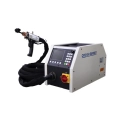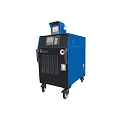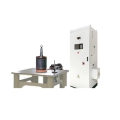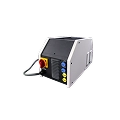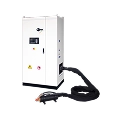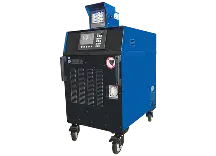





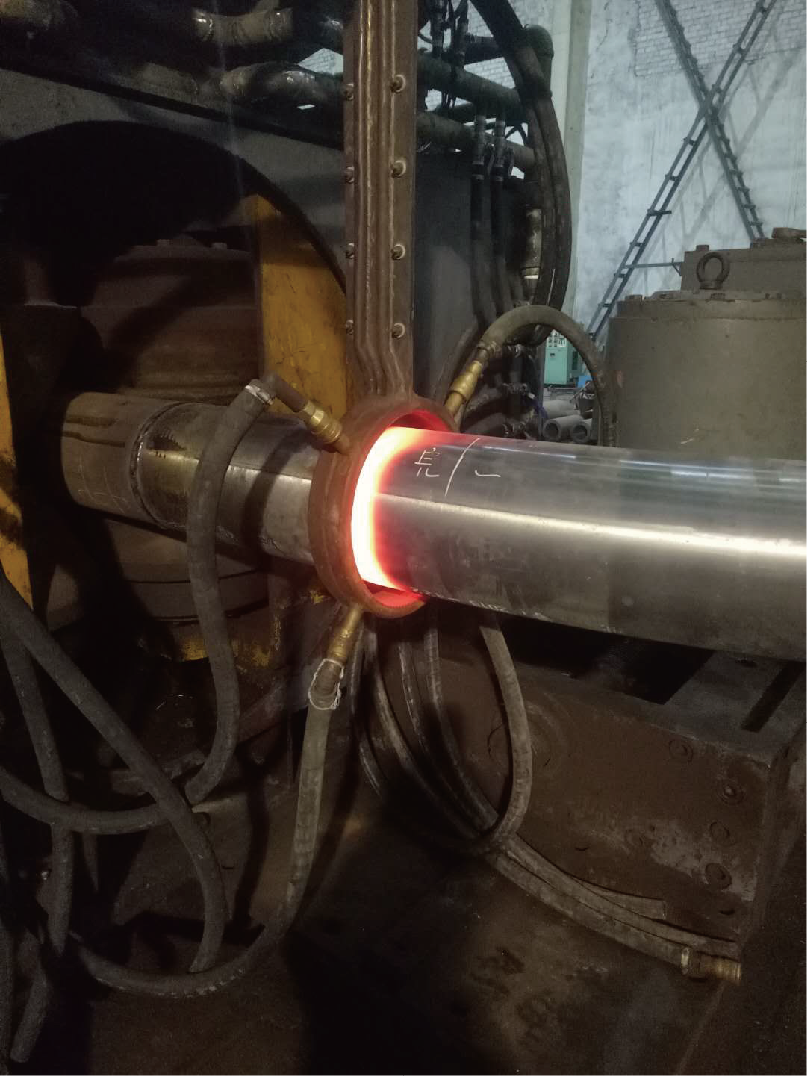
Surface heat treatment uses high-frequency energy fields during the induction hardening process to change steel parts directly. Non-contact induction heating works fast, heating only the outer steel layer to a high temperature quickly. Fast liquid cooling follows right away, turning the hot layer hard. This process builds strong surface wear resistance while keeping the inside soft, ensuring the core stays very tough.
| Market Metric | Value | Industrial Significance |
|---|---|---|
| Market Segment Share | 28.8% | Hardening & tempering leads the full market. |
| Market Growth (CAGR) | 6.6% | Big demand drives steady tool use. |
Основные выводы
- Induction hardening heats outer steel using magnetic fields. It creates a strong, tough surface.
- Machine frequency controls the heat depth. High frequencies quickly make thinner hard layers.
- Fast liquid cooling creates hard martensite outside. It keeps the inner core tough.
- Low-temperature tempering lowers internal stress after cooling. This stops surface cracks and boosts toughness.
- Spot heating stops whole-part warping. It saves time and money on grinding.
Fundamentals of Induction Hardening Surface Treatment
Learn the induction hardening process with three basic rules. These rules move energy into the outer steel layer.
Faraday’s Law and Eddy Current Generation
First, run high-frequency current through a copper coil. This flow creates a fast magnetic field around it. Field power changes quickly with your power supply frequency.
+------------------+      +--------------------------+      +------------------------+
| Alternating      | ---> | High-Frequency           | ---> | Localized Eddy         |
| Current in Coil  |      | Alternating Magnetic     |      | Currents Induced in    |
|                  |      | Field                    |      | Workpiece Surface      |
+------------------+      +--------------------------+      +------------------------+
Put steel inside this field to trigger Faraday’s law. The active field cuts right through the steel surface. This push creates small loops of electric power inside. Experts call these circular electric paths eddy currents. Move your coil to guide currents to specific spots.
Joule Heating and Surface Heat Distribution
Making eddy currents starts the heating process right away. Currents fight against the natural resistance of steel. This resistance turns electric energy into heat energy. Experts call this action Joule heating or resistance heating.
Key Process Insight: Heat output follows the math rule $P = I^2R$. Here, $P$ is heat power, and $I$ is eddy current size. $R$ stands for electric resistance. Small current boosts cause huge jumps in heat output.
Get fast heating rates above hundreds of degrees per second. Индукционный нагрев focuses high energy directly inside the surface layer. So, you heat the outer steel skin very fast. You do not need slow heat from a furnace.
The Skin Effect and Current Penetration Depth
Alternating current does not flow evenly through steel parts. The skin effect pushes current toward the outer edge. Current strength drops quickly as it goes deeper inside.
| Operating Frequency Range | Electrical Skin Depth ($\delta$) | Typical Surface Heat Application |
|---|---|---|
| Low Frequency (1 kHz – 10 kHz) | 1.5 mm – 4.5 mm | Heavy gears, large shafts, deep case profiles |
| Medium Frequency (10 kHz – 50 kHz) | 0.5 mm – 1.5 mm | Medium axles, steering components, splines |
| High Frequency (100 kHz – 500 kHz) | 0.1 mm – 0.5 mm | Thin-walled tubing, precision fasteners, small pins |
Control depth by picking the right system frequency. Find the electrical skin depth ($\delta$) with this formula:
$$\delta = \sqrt{\frac{\rho}{\pi \cdot f \cdot \mu}}$$
- $\rho$ means electrical resistivity
- $f$ means alternating current frequency
- $\mu$ means magnetic permeability
High frequencies create shallow skin depths for surface heat. Lower frequencies push current deeper for thick cases. Setting frequency, power, and time controls final depth before cooling.
Metallurgical Mechanisms and Microstructure

Austenitizing Temperature and Surface Heating Rates
Fast heating changes standard metal transformation paths quickly. Heat moves through outer steel layers very fast. Steel passes critical temperatures in just seconds. High energy creates superheating inside metal crystals. Carbon dissolves into matrix layers very quickly. Homogenous austenite forms right before core heat grows.
Quenching Kinetics and Martensite Transformation
+-------------------+      +-------------------+      +-------------------+
| Rapid Heating to  | ---> | Fast Liquid       | ---> | Hard Martensite   |
| Austenite Phase   |      | Quenching         |      | Surface Layer     |
+-------------------+      +-------------------+      +-------------------+
Cool hot surfaces instantly using liquid sprays. Fast cooling locks carbon in iron spaces. This quick action stops soft ferrite production. It also prevents soft pearlite from forming. Austenite changes into hard martensite shapes instantly.
Residual Stress and Core Ductility Retention
| Zone | Primary Microstructure | Mechanical Characteristic |
|---|---|---|
| Surface Layer | Untempered / Tempered Martensite | High Hardness & Wear Resistance |
| Transition Zone | Mixed Martensite & Ferrite | Gradient Toughness |
| Inner Core | Original Ferrite-Pearlite / Tempered Structure | High Ductility & Impact Strength |
Закалка changes only outer shell areas today. You keep soft inner core regions safe. Martensite takes up more space overall now. Volume growth builds strong compressive surface stress. High stress stops outer cracks from spreading.
Microstructure Tip: You get peak fatigue life with proper depth. High surface compressive stress protects soft inner cores.
Post-Hardening Stress Relieving and Tempering
New martensite stays very brittle after hardening. Apply low-temperature tempering right after quenching steps. Mild heat lowers stress inside the metal. Surface hardness stays high during this step. Proper tempering boosts toughness for heavy industrial uses.
The Four-Step Induction Hardening Process
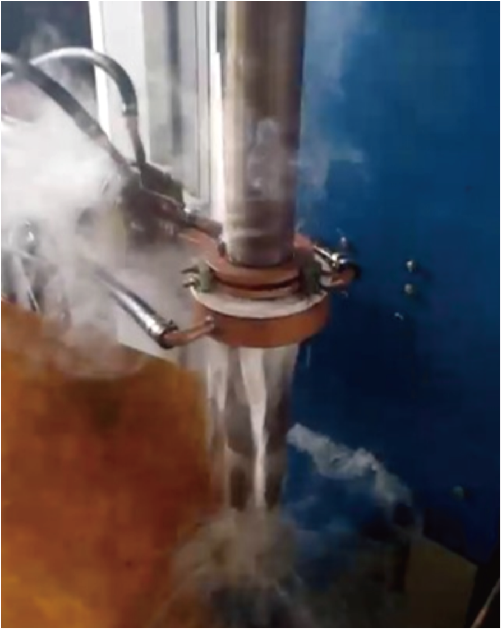
Follow clear thermal steps. You get great wear resistance. Keep the steel very strong. Learn these four basic steps. Follow key metal heating rules.
Electromagnetic Pre-Heating and Soak Times
Start with smart energy setup. Send power into steel parts. Copper coils make eddy currents. Currents heat outer metal fast. Big parts need early heat. Heat helps avoid thermal shock.
Step 1: Electromagnetic Pre-Heating  --->  Step 2: Rapid Austenitization
                                                      |
Step 4: Low-Temperature Tempering   <---  Step 3: Immediate Liquid Quench
Hold the heat a bit. Let heat sink inside slightly. This soak smooths surface temperature. Steel warms up very evenly. Manage your entire heating process. Use exact digital tools today.
Austenitization and Temperature Control
Heat outer layers much higher. Pass upper critical heat points. Reach 850°C to 950°C fast. High energy changes metal structure. Ferrite turns into austenite quickly. The change takes few seconds.
Thermal Control Tip: Infrared pyrometers check surface heat. Change power levels right away. Stop overheating or metal melting.
Fast heating keeps grains small. Small grains give strong advantages. Old batch furnaces work slower. Keep heat in tight ranges. Get even surface hardness everywhere.
Rapid Quenching with Liquid Media
Cool hot metal layers fast. Stop heating before cooling starts. Fast cooling triggers phase changes. Rings spray water-polymer mixtures. Liquid hits hot metal directly.
| Quench Parameter | Operational Setting | Metallurgical Outcome |
|---|---|---|
| Fluid Type | Polymer Water Solution | Controlled cooling speed without vapor pockets |
| Spray Pressure | 1.5 to 3.5 bar | Constant impact breaking the steam barrier |
| Fluid Temperature | 25°C to 40°C | Uniform transformation rate across the profile |
Quick cooling traps carbon inside. Trapped carbon creates hard martensite. Martensite resists heavy surface wear. Inner core metal stays soft. Soft cores keep high toughness. Cool metal without any delay. Fast steps help factory work.
Tempering for Crack Mitigation
New martensite stays quite brittle. Internal stress remains very high. Finish steps with mild tempering. Use ovens or induction loops. Heat surfaces to 200°C max.
- Tempering lowers strong internal stress.
- Tempering boosts metal toughness quickly.
- Tempering stops cracks from hitting.
Low heat calms inner stress. Steel keeps its hard shell. Complete all steps in order. Build top parts for jobs.
Key Variables Controlling Penetration and Quality
Change key settings to control part quality. Proper tuning ensures high surface strength. It also stops internal part damage.
Frequency Selection for Target Depth
Pick the right power frequency first. Match it to your target depth. High frequencies heat outer edges only. Low frequencies push heat much deeper. Match frequency settings to your depth goals. This step builds the right pattern.
| Frequency Category | AC Frequency Band (kHz) | Hardening Case Depth | Target Applications |
|---|---|---|---|
| High Frequency | 100 kHz – 400+ kHz | Shallow (0.5 – 2.0 mm) | Gear teeth, small parts |
| Medium Frequency | 3 kHz – 50 kHz | Moderate to Deep (2.0 – 6.0 mm) | Industrial shafts, axles, crane wheels |
| Low Frequency | < 3 kHz | Deep case / Full through-hardening | Large pins, heavy-duty rollers |
Power Density and Heating Duration
Balance power density with cycle time. High power makes fast surface heat. Quick heating stops core heat leaks. Inner steel stays nice and soft. Control heat inputs to improve results.
Process Tip: High power density paired with brief heating cycles protects core toughness while maximizing surface hardness.
Quench Spray Dynamics and Pressure
Liquid flow shapes the final structure. Spray cold liquid on hot parts. Strong liquid pressure clears steam fast. Even sprays stop soft spots everywhere.
Carbon Content and Alloy Suitability
Carbon levels set maximum hardness potential. Steels with 0.35% to 0.60% carbon work best. These metals change into hard martensite easily. They also lower overall cracking risks.
Inductor Coil Design and Energy Transfer
Good tools send magnetic lines into your parts. Precision copper coils send strong electric power. Power moves fast without touching the metal.
Flux Concentrators and Magnetic Field Control
Flux concentrators change magnetic fields. They boost overall energy transfer. They push power paths into small areas.
| Performance Metric | Without Magnetic Core | With Magnetic Core |
|---|---|---|
| Electrical Efficiency | 70% | 84% |
| Coil Current & Reactive Power | Baseline (High demand) | Reduced by >50% |
| Magnetic Area & Flux Path | Narrow, restricted flow | Magnetically expanded, closed loop |
Magnetic controllers give three clear helper steps:
- Field Focus & Intensity: Tools point magnetic strength right at chosen spots.
- Prevention of Energy Waste: Covering safe areas stops bad heat growth.
- Coil De-coupling: Special rings separate near coils from interference.
Impedance Matching and Power Transfer
Match coil impedance to your main power source. Proper impedance matching brings total energy into steel. Good matching increases efficiency. It accelerates target heating rates fast. You get steady part hardness now. You shield inside parts from high currents.
Custom Coils for Complex Workpiece Profiles
Hard part shapes need special custom coils. You get even surface hardness by planning paths.
Coil Engineering Tip: Keep coil spaces small to grow energy efficiency.
Engineers check big design needs for tricky shapes:
- Magnetic Flux and Geometry Profile: Match coil turns and pipe sizes to parts.
- Electrical Insulation & Clearance: Use tough coatings to stop high voltage.
- Coupling Efficiency: Fix magnetic gaps to raise total power.
- Structural Reinforcement: Add real supports to block big forces.
- Thermal Management: Use inner water lines to stop heat.
Processing Methods for Industrial Components
Pick the right path for part heating. Shapes need special tool setups.
Single-Shot and Spin Hardening
Put target spots inside custom coils. The system heats the whole part fast.
[Stationary Coil] ---> [Energize & Heat Surface] ---> [Immediate Full Quench]
Spin round parts inside the active coil. Spinning stops bad hot spots. Spray liquid right after heating. This quick method saves big time. It helps make fast car parts.
Progressive Scanning Hardening
Process Advantage: Scanning heats long items using less power.
Move coils along long metal parts. Use scanning on long shafts and rails.
| Component Parameter | Single-Shot Method | Progressive Scanning |
|---|---|---|
| Part Geometry | Short, symmetrical shapes | Long shafts and axles |
| Required Generator Power | High power density | Medium power density |
| Distortion Control | Maintained through spinning | Minimized via localized heating |
Small heat zones move down parts. Following sprays cool hot spots fast. You get smooth hard layers everywhere.
Tooth-by-Tooth Gear Hardening
Big gears need careful heating steps. You heat each tooth one time. Use custom coils for every gap.
This method builds top wear strength. Gear cores stay very tough inside. Your factory saves money on grinding.
Industrial Execution of Induction Hardening with Canroon Systems
Use Canroon power supplies for good control. They power your индукционная закалка projects. These systems give steady electric power. Energy goes right into steel parts.
Precision Power Delivery in Canroon Supplies
Canroon индукционный нагрев systems offer smart features:
- Automatic Frequency Tracking: It matches load needs fast.
- Full-Bridge Inverter Topology: IGBT tools keep power very stable.
- Full-Range Power Control: Adjust power smoothly up to 100%.
| Feature Category | Capability | Operational Benefit |
|---|---|---|
| Power Stability | Digital controls with quick DSP tools | Keeps power output steady as loads shift. |
| Power Stability | Smooth power control (1%–100%) | Controls heat output without quick jumps. |
| Power Stability | Grid stability protection | Shields operations from bad power inputs. |
| Frequency Control | Wide frequency output (1–20 kHz) | Matches many coils and part shapes. |
Process Control and Quality Monitoring
Fast digital processors check power values continuously. Track power, voltage, and time right away. Good control stops bad heat errors. Make every hard layer match in runs. This step improves the surface hardening process. Parts gain strong wear resistance.
Operational Insight: Live tracking keeps hard depths even. Microstructures stay same across batches.
Thermal Profiling for Reduced Distortion
Quick heat changes warp complex metal parts. Canroon systems stop distortion using active profiling. Change energy outputs as parts get hot. Gentle power ramps heat outer layers evenly. Avoid giving metal deep heat shocks. Save tight part shapes during индукционная закалка. Keep inner metal very tough inside.
Advantages, Trade-Offs, and Process Optimization
Energy Efficiency and Rapid Cycle Times
Change old oven methods now. You save money fast. The induction hardening process cuts energy use by 80%. Standard heat treatment needs much more power. This fast option uses just one-fifth. You send magnetic energy directly to outer surfaces. No power heats big rooms or room air. Quick heat cycles cut factory costs. Your daily work keeps moving fast.
Efficiency Insight: Direct energy power drops heating times to seconds. You make far more parts each day.
Distortion Control and Dimensional Integrity
Heat only outer zones to control part size. Local индукционный нагрев protects inner metal from shock. Steel keeps its original shape today. Cold inner cores stop hot outer layers from expanding. You skip hard grinding work and save big money. This smart surface treatment secures gears, splines, and drive shafts.
Electromagnetic and Thermal Process Simulation
Test tricky heat settings using smart FEA software. Engineers build models of magnetic fields and heat. They find target depth before building real parts.
| Coupling Approach | Modeling Mechanism | Key Characteristics & Limitations |
|---|---|---|
| Unidirectional Two-Step | One magnetic model makes heat inputs for thermal tests. | It skips heat shifts and fits basic low-heat metals. |
| Indirect / Staggered Method | Magnetic and heat math recalculate steps one by one. | Most popular choice; it updates shifting heat values fast. |
| Direct / Fully Coupled Method | Heat and magnetic math solve together at once. | Shows real physics well; needs long computation times. |
Virtual computer models use key math ideas:
- Harmonic Approximation: Simplifies complex wave math by using smooth current patterns.
- Effective Permeability Concept: Uses simple material ideas to guess true power losses in steel.
Computer tests fix coil designs. They save setup costs for every surface heat treatment job.
Rapid cooling with magnetism makes metal surfaces very hard. It keeps inner cores safe and flexible.
You must control system speeds, tool designs, and cooling sprays. Canroon power tools help balance these key steps. Learning this smart metal heating method gives you full control. It makes machine parts last much longer. It also stops surface wear and boosts overall workplace output.
Часто задаваемые вопросы
Which steels work best for induction hardening?
Medium carbon steel works best. Choose steel with 0.35% to 0.60% carbon. Alloy steels like 4140 work well. Steel 4340 also works great. These metals turn into hard martensite fast. Quick cooling hardens the metal. This steps prevents surface cracks.
How do you control the hardening depth?
Change the power frequency first. Frequency sets the heat depth. High frequencies heat top layers. Low frequencies send power deep inside. You must balance power density. You must balance heat times too. This builds the best hard shape.
Why must you temper parts after induction quenching?
Fast cooling makes hard martensite. Martensite breaks very easily. Apply low heat right away. Heat lowers strong inner stress. This step builds metal toughness. It stops surface cracks later.
How does induction hardening reduce component distortion?
Heat only the outer surface layer. Keep the inner core cool. The cool core stays very rigid. This fast heat prevents shape warping. It stops bad heat shock. You skip costly grinding steps later.