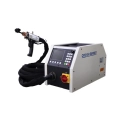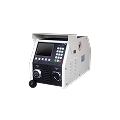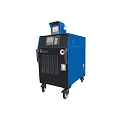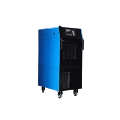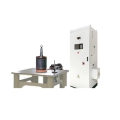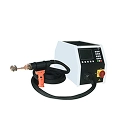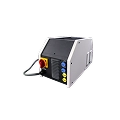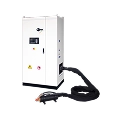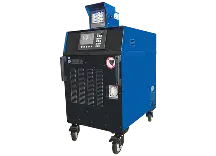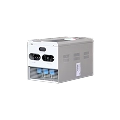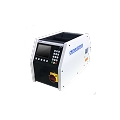



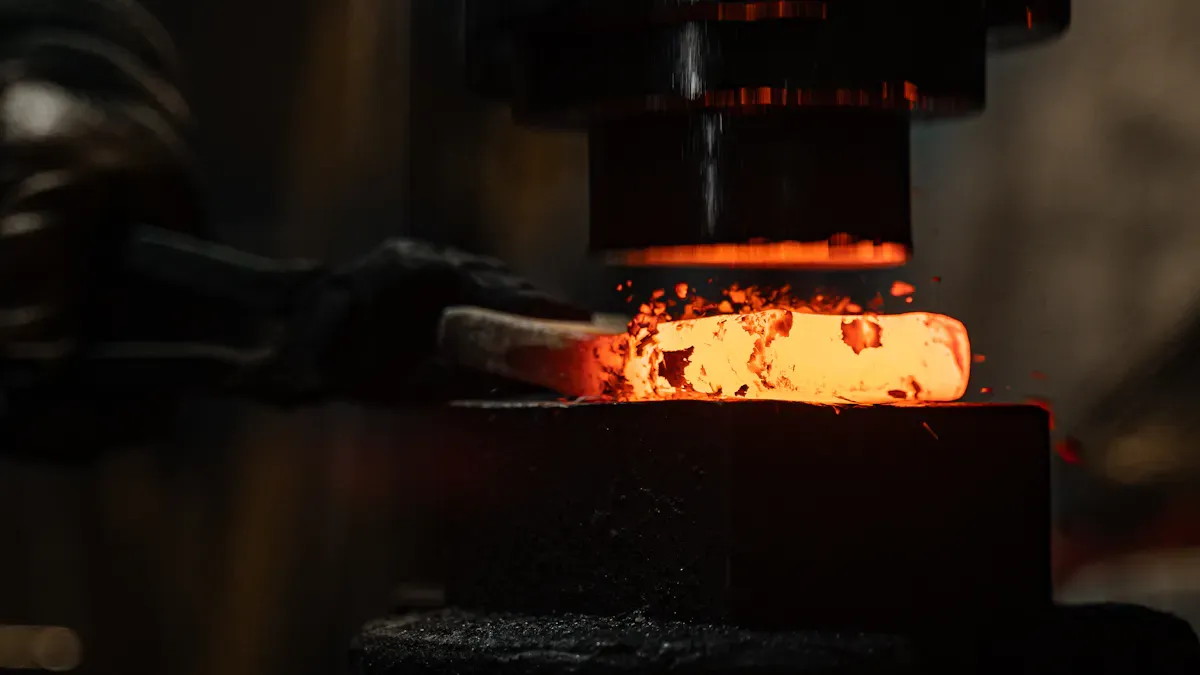
You can make hot forming work better with an induction forging heater. Induction forging heats things fast. It lets you control heat well. It also makes less waste. Canroon solutions help you get steady results. They also make work safer.
- Production output goes up by over 500%.
- Waste goes down by more than 30%.
- You do not need to keep Oxy Acetylene.
| Advantage | Description |
|---|---|
| Energy Efficiency | Induction heating warms the workpiece right away. This saves energy. |
| Precise Temperature | You can set temperatures exactly. This makes forging better. |
| Shorter Heating Times | Induction forging makes heating faster. This speeds up hot forming. |
Key Takeaways
- Induction forging heaters can help you make more parts. They can boost your output by over 500%. This makes your hot forming process much faster and better.
- This technology helps you waste less. It can cut waste by more than 30%. This saves you money and important resources.
- Induction heating lets you control the temperature very well. This means your parts are always the same quality. It also lowers the chance of making bad parts.
- Using induction heaters makes your work safer. There are no open flames, so fire risks are lower. Your workspace stays cleaner too.
- Induction heating uses less energy. It works at 85-95% efficiency. This means you spend less on energy than with gas heating.
Induction Forging Heater Overview
What Is an Induction Forging Heater
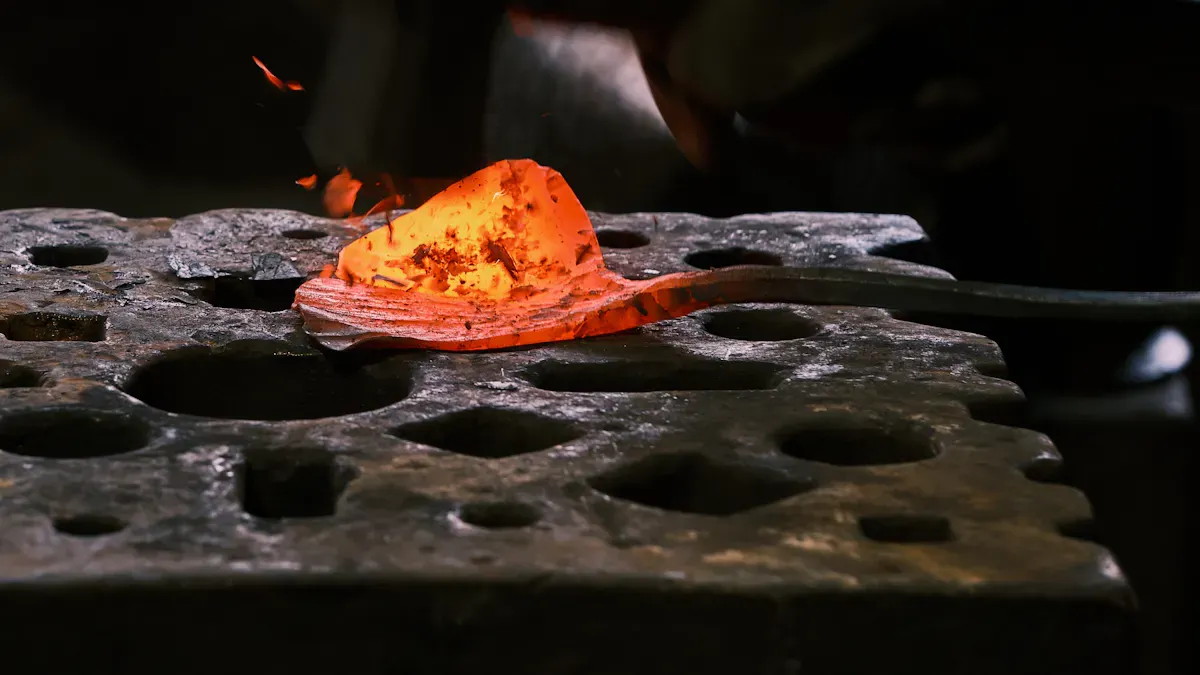
An induction forging heater warms metal parts fast. It uses electricity to heat metal without touching it. You can count on induction forging for quick results. It keeps your workspace neat. The heater only heats the metal you want. It does not heat everything around it. You can control the temperature exactly. This helps you make better forged items.
- Induction heating makes heat inside the metal part with electric currents.
- The process does not touch the metal and stays clean, so you skip mess and extra steps.
- You can heat just one section or the whole part, based on what you need.
- Induction heating gives you accuracy that is hard to get with other ways.
Induction forging heaters help you use less energy and make less waste. You can depend on this equipment for even heating and steady results. Many factories pick induction heating because it makes forging quicker and more dependable.
How Induction Heater for Forging Works
The induction heater for forging uses electromagnetic induction to heat metal. You put the metal inside a coil. The coil makes a strong magnetic field that changes direction. This field makes electric currents flow in the metal. These currents heat the metal by the Joule heating law. If you use magnetic metals, extra heat comes from changes in the metal’s magnetism below the Curie point.
You do not have to touch the metal to heat it. Induction heating works quickly and lets you control the temperature. You can heat metals fast and evenly, which saves time and makes forging better.
Induction forging works for many uses. You can use it to heat steel, iron, or other metals. The heating depth depends on the magnetic field’s frequency and the metal type. You get good results every time you use induction forging equipment.
Efficiency Benefits of Induction Forging
Fast Heating Cycles
Induction forging helps you heat metal very fast. The induction forging heater makes hot forming quicker and easier. You can reach the right temperature in just a few seconds. This fast heating lets you make more parts in less time. You do not have to wait for slow furnaces anymore. Steel rods can be heated quickly for hot heading. This helps your tools last longer and makes forging more steady.
- You heat metal faster and finish cycles sooner.
- You get steady results with heating just one spot or the whole part.
- You use less energy than gas or resistance heating.
Induction heating gives even heat everywhere. This makes forging more exact and can cut down on extra work after forging.
Induction forging lets you heat only the part you want. The inside of the part stays cool and strong. This saves energy and keeps the part safe. You do not need to pre-heat or post-heat. This makes your work faster and easier to grow.
Precise Temperature Control in Hot Forming
Induction forging lets you set the exact temperature you need. You can pick the right heat for each part. This stops the metal from getting too hot or too cold. It also keeps the metal strong and stops it from rusting. You get the same good results every time.
- Induction furnaces let you control the heat and stop rust.
- The metal stays strong and the coating sticks well.
You can heat just one area or the whole thing. You can change the process for different metals and shapes. This makes your products better. You also get fewer mistakes and less waste.
Energy Savings and Reduced Scrap
Induction forging saves energy and cuts down on waste. You use less power than old gas heaters. Less heat escapes into the air. This saves you money on bills. You also throw away less metal.
| Heating Method | Efficiency (%) | Key Advantages | Key Disadvantages |
|---|---|---|---|
| Индукционный нагрев | 85–95 | High efficiency, minimal heat loss | Higher initial costs |
| Gas Heating | 30–60 | Lower installation costs | Significant heat loss, lower efficiency |
Induction heating turns electricity into heat very well. It works at 85–95% efficiency. Gas furnaces only reach 30–60%. Gas furnaces lose heat through pipes and doors. Induction gives you better heating and less waste. You also get less scrap because the heat is even.
- Induction heating lets you control the heat exactly.
- This means fewer mistakes and less waste.
- The metal stays strong and the coating sticks better.
| Benefit | Description |
|---|---|
| Consistent Heating | Induction heaters give even heat to all parts. |
| Reduced Process Variations | Fewer changes mean fewer mistakes. |
| Lower Defect Rates | Better heating means fewer bad parts. |
Improved Quality and Consistency
Induction forging helps you make better parts every time. You can set the power and time with a program. The coil shape stays the same. You can put the part in the right spot each time. The machine does the work, not the person, so there are fewer mistakes.
| Source of Variability | Control Measures |
|---|---|
| Power and Time | Easy to set with programs |
| Coil | Shape stays the same |
| Part | Right spot every time |
| Operator | Machine does the work |
- You can control the heat to get the same hardness.
- Heating just one spot makes the hardness even.
- Car parts work better and last longer.
Induction forging gives you the same good quality every time. You get even hardness and steady results. Your products are better and you have fewer mistakes. Your hot forming process is faster and more reliable.
Induction Heaters vs. Traditional Methods
Efficiency Comparison
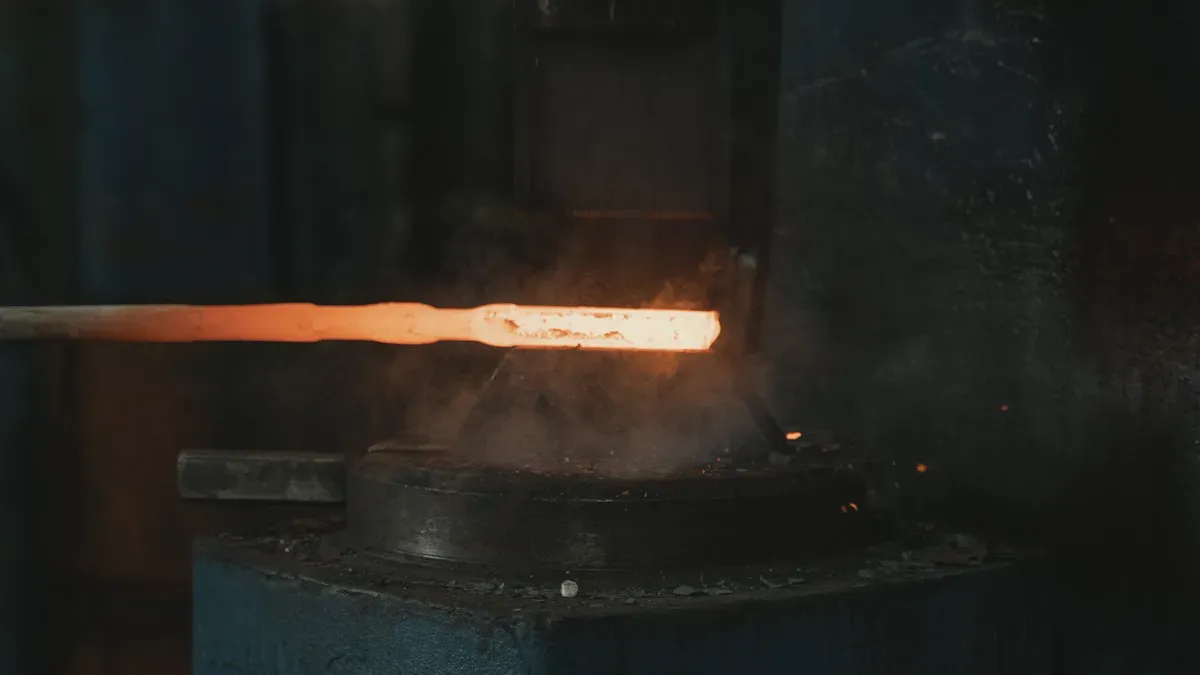
When you look at induction forging heaters and old heating methods, you see big changes. Induction forging heats metal well and saves energy. It starts up fast and loses less heat. The heater uses new technology to make heat inside the metal. Gas heating wastes energy because heat escapes into the air.
| Parameter | Индукционный нагрев | Gas Heating |
|---|---|---|
| Energy Conversion Efficiency | 85–95% | 30–60% |
| Heat Transfer Loss | Very Low | High |
| Start-up Time | Seconds to minutes | Tens of minutes to hours |
| Standby Loss | Minimal | Significant |
Induction forging can heat metal with up to 90% efficiency. You can finish parts much faster than with old furnaces. After a break for maintenance, induction heating can warm tools from below 200 °C to working heat in just 5 to 10 minutes. Old methods take more than 20 minutes. Induction forging saves both time and energy.
Operational Advantages in Forging Applications
Induction forging gives you many good things in your forging work. You get better quality and safer conditions. Induction heating does not use open flames, so fire risks go down. There are no hot surfaces, so burns are less likely. The process does not make harmful emissions, so your workspace stays clean.
- Induction forging is a safe way to heat metal for hot forging.
- No flames means fewer accidents.
- Clean operation works well in clean rooms.
You spend less time fixing the equipment. Induction heating machines use strong materials and last longer. You get less downtime and pay less for repairs. The equipment can handle tough jobs. You get steady quality and reliable results every time.
Induction forging gives you good heating, better quality, and a safer place to work. You can trust induction equipment to make your forging process better and help your business grow.
Applications and Implementation
Induction Heaters for Forging Applications
Induction heaters are used in many industries for forging. They heat metal parts before shaping them with presses or hammers. This method is common in metal and foundry work. You can heat billets, bars, and bar ends fast and evenly. Induction forging works for aluminum, brass, copper, steel, and stainless steel. You can make many parts and keep the metal strong. Induction heating equipment lets you set the time and temperature up to 1100°C. You can use machines that work by themselves or with some help to fit your needs.
- Induction heaters for forging applications heat steel, iron, and aluminum bars.
- You can use one coil for different shapes and materials.
- Induction gives fast and even heating, which makes the process better.
Real-World Examples with Canroon
Canroon makes equipment for induction forging that helps save energy and improve quality. You can find Canroon machines in factories that make car parts, tools, and hardware. One factory started using an induction heater for forging and cut scrap by 30%. Another plant used induction heating to warm steel rods for hot forming. They made better parts and had less downtime. Canroon’s new technology lets you control the heat for each part. You get steady results and less waste.
| Application | Benefit | Canroon Solution |
|---|---|---|
| Automotive Forging | Higher quality, less scrap | Automated induction |
| Tool Manufacturing | Faster cycles, energy savings | Custom coil design |
| Hardware Production | Consistent heating, easy control | Programmable equipment |
You can trust Canroon induction heaters for forging applications to work well and help you grow your forging business.
Key Considerations for Adoption
You should think about a few things before picking induction heating equipment for forging. Check the newest technology in induction systems. Market changes might change your choice. You need to match the inductor design and impedance for the best results. Magnetic flux concentrators can make the system work better. You should also look at what you make and how much people want it in your area.
- Think about what you make and the shape of your parts.
- Make sure the equipment works with different materials.
- Look for machines that are easy to use and can change settings.
Tip: You can ask equipment experts to help you pick the best induction solution for your hot forming work.
You can make your hot forming process better with induction forging. Induction heats metal fast. It lets you control the heat well. It also makes your work safer. Canroon solutions help you get these good things in your factory.
- You use less energy and get exact results.
- Induction forging heats parts quickly. You can do the process again easily.
- You can change from batch to lean manufacturing. This helps your workflow.
- Induction keeps your workspace clean and safe.
If you want to make your forging better, try induction for your next upgrade.
Часто задаваемые вопросы
What is induction heating in forging?
Induction heating warms metal parts fast. It uses electromagnetic fields to make heat inside the metal. This method gives quick and clean heating. You can control the heat easily. It helps you get better forging results.
How does induction equipment improve safety?
Induction equipment does not use open flames. This lowers fire risks and cuts down burns. The process keeps your workspace cool and clean. You can work safely and focus on making good parts.
Can you use induction for different metals?
Yes, induction works for many metals. Steel, aluminum, copper, and brass all work well. You can change the settings for each metal. This makes it easy to meet different production needs.
What maintenance does induction equipment need?
You should check coils and connections often. Clean the equipment to keep it working well. Regular checks help stop breakdowns. Simple care keeps your production steady.
Why choose induction over traditional heating?
Induction heats parts faster and gives better control. You save energy and make less waste. The equipment heats only the part you want. You get higher quality and more efficient forging every time.