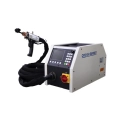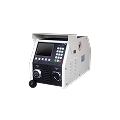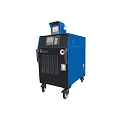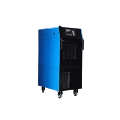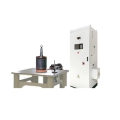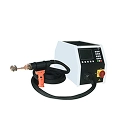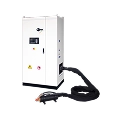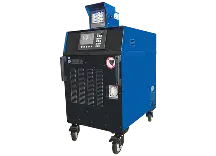





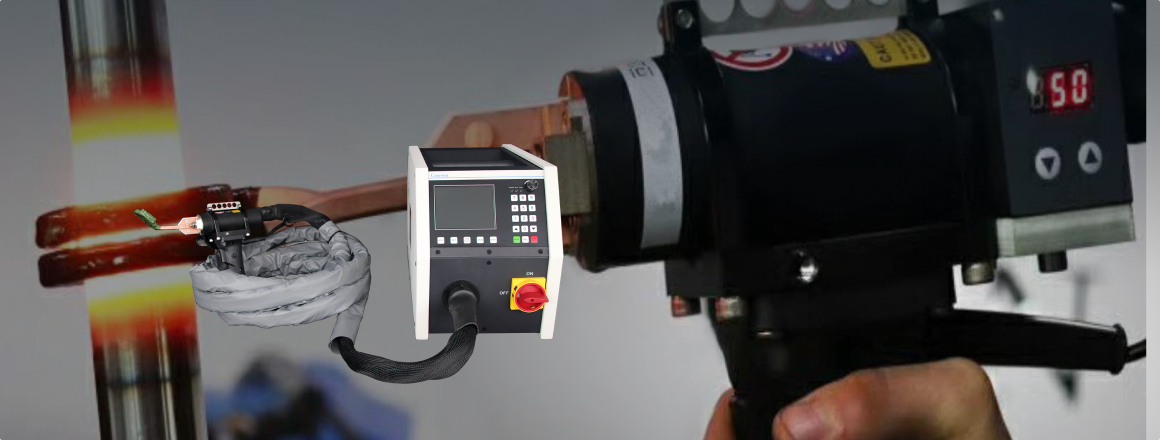
You should pick the right induction brazing machine for your job and materials. If you choose the wrong one, your joints may be weak or your machine may get too hot. Many people forget to match the machine’s power, coil shape, and cooling to what they need. You also need to see if induction heating fits your brazing process. Remember, cleaning the joint is very important. Canroon can help you avoid mistakes and find the best induction brazing machine for your work.
Основные выводы
- Pick the induction brazing machine that fits your job. Think about how big the parts are, what material you use, and how fast you need to work.
- Know why cleaning joints before brazing matters. Clean joints make strong bonds and help stop problems.
- Choose the right power and frequency for your materials. This lets you heat things well and keeps them safe.
- Automated machines can help you work faster and save money. They give steady quality and make fewer mistakes.
- Always ask experts for help and try machines before buying. This helps you choose wisely and avoid expensive mistakes.
What Is Induction Brazing
Induction Brazing Principles
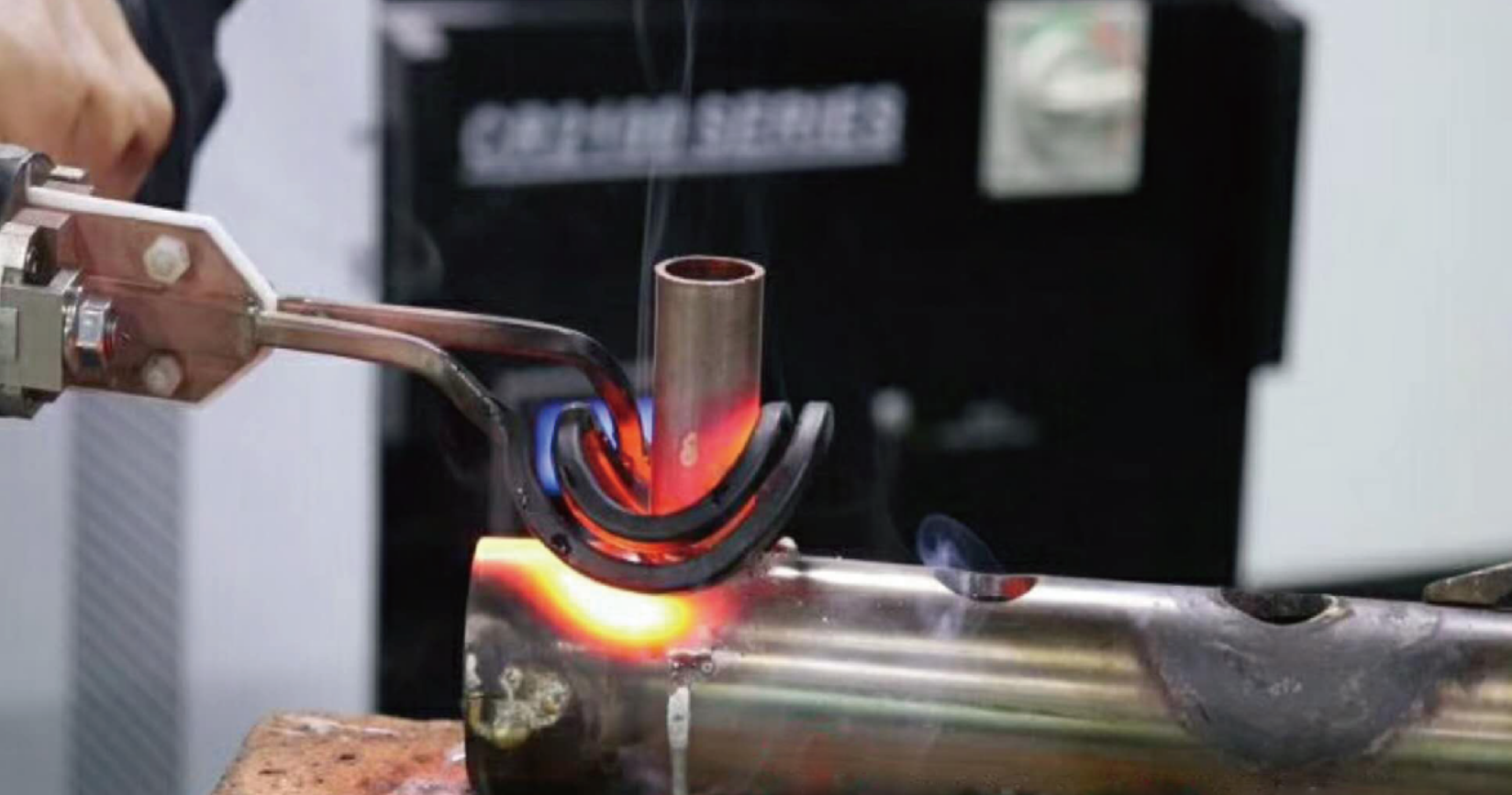
Induction brazing joins metals by using heat from electromagnetic fields. There is no open flame in this process. You put the metal parts inside a coil. The coil makes a magnetic field. This field creates eddy currents in the metal. These currents heat up the metal. You add a filler metal that melts at a lower temperature. The melted filler flows into the joint by capillary action. When it cools, it makes a strong bond.
- Induction brazing heats metal with electromagnetic fields.
- Eddy currents make the metal hot inside the magnetic field.
- The filler metal melts and joins the parts together.
- Capillary action moves the melted filler into the joint.
Benefits Over Traditional Brazing
Induction brazing has many benefits over other brazing ways. It works faster and heats only where you need. The machines are smaller and safer to use. You do not have to worry about flames or smoke. It also saves energy and lowers your costs.
Here is a table that shows how induction brazing is different from other ways:
| Аспект | Индукционная пайка | Other Brazing Methods |
|---|---|---|
| Thermal Cycles | Shorter (seconds-minutes) | Longer (hours) |
| Precision Heating | Heats certain spots | Heats the whole assembly |
| Equipment Size | Smaller and compact | Bigger and heavier |
| Безопасность | No smoke or flames | More danger from flames |
You use less energy and make more products with induction brazing.
| Аспект | Индукционная пайка | Flame/Resistance Brazing |
|---|---|---|
| Energy Consumption | 30-70% savings | Uses more energy |
| Heat Loss | Very little | Loses a lot of heat |
| Production Efficiency | Better | Not as good |
Common Brazing Applications
Induction brazing is used in many industries. Some examples are:
- Joining copper FNPT fittings to steel plates.
- Brazing diamond cutting inserts to core bits.
- Connecting copper tubes to stainless steel bushings.
These examples show that induction brazing is faster and safer. You get strong and clean joints every time.
Induction Brazing System Components
A modern induction brazing system has many important parts. Each part helps you make strong and clean joints. These parts also keep the system safe. You need to know how these parts work together. This helps you pick the best system for your job.
Power Supply And Generator
The generator is the main part of the induction brazing system. It makes high-frequency energy for heating. There are different generators for different jobs. Some, like the ENRX Minac system, give strong heat for tough repairs. Others, like the ENRX Sinac system, give high-frequency and precise heating for nonstop work. Canroon’s generators use new technology to give steady power. This helps you work faster. You can use these systems for small or big jobs.
| Компонент | Функция |
|---|---|
| Индукционная катушка | Made to fit the brazing process and saves energy. |
| ENRX Minac System | Gives strong, focused heat for tough repairs and production. |
| ENRX Sinac System | Gives high-frequency, precise heat for nonstop work. |
Induction Coil Design
The coil is where the heating happens in the system. The coil’s design affects how well heat gets to the joint. A good coil design gives even heating and strong joints. You can pick a coil shape that fits your job. This saves energy and gives better results.
- The coil’s shape controls how energy moves to the joint.
- A good coil gives even heating.
- The right coil makes your brazing faster and better.
Cooling And Safety Features
Your system needs cooling to stop the generator and coil from getting too hot. Most systems use water cooling to stay safe and steady. Safety features are very important. You should always:
- Take away things that can catch fire.
- Use barriers that resist fire to protect surfaces.
- Make sure there is good air flow and wear safety gear.
- Have someone watch for fire after brazing.
- Check all equipment before you start.
- Test for gases that can catch fire in the workspace.
Canroon’s solutions focus on safety and working well. These systems help you start fast and lower risks during assembly.
Control And Automation Options
Control and automation make your system smarter. You can use software to set heating times and cooling cycles. This gives you the same results every time. Automation lowers mistakes and helps you meet quality rules. Canroon offers systems that are easy to add to your production line. Pre-made systems save time and fit well with automated lines. You can use these systems for many metals and big jobs.
Tip: Pick a system that fits your job and can grow with your work.
| Integration Option | Описание |
|---|---|
| Easy Production Line Integration | Machines can be added without big changes. |
| Faster Heating and Cooling Cycles | Makes production faster and lowers downtime. |
| Multi-Material Compatibility | Works with many metal types in different industries. |
| Stable Operation | Made for nonstop use in busy production places. |
Key Factors In Induction Brazing Machine Selection
Brazing Application Needs
First, look at your brazing job. Every job is different. Think about what you want to join. Check how big the parts are. Count how many parts you need to make. The type of job decides which machine is best. If you work in cars, you need a fast machine. If you join small pieces, you need control and repeatability.
Here are things to check for your brazing job:
- Base materials
- Joint configuration
- Part size
- Brazing alloy type
- Expected production rates
- Part geometry
- Joint location
- Material conductivity
- Thermal mass of components
Match the machine to your brazing job. Automated machines are good for big jobs. Robotic machines give speed and repeatability. Hand-held machines are good for repairs and small batches. General-purpose machines can do many jobs but may not be the most efficient. If you are unsure, ask Canroon experts for help. They can help you pick the right machine for your job.
Material And Filler Compatibility
Know what materials you want to join. The base material and filler alloy change how you set up your job. Some metals heat up fast. Others need more time. The filler alloy must match the base metals and brazing temperature. Using the wrong filler alloy can make weak joints.
The base material and filler alloy affect heating. Some pairs do not need flux because of chemical reactions. You must understand your materials to get strong, clean joints and repeatability. For example, in car work, you may join copper to steel with a special filler alloy. Pick the right filler alloy for each job.
Power And Frequency Selection
Pick the right power and frequency for your job. Power controls how fast you heat parts. Frequency changes how deep the heat goes. Induction brazing works well when you cannot heat parts directly. Frequency can go from 60 hertz to 450 kilohertz. High frequency gives shallow heat for thin parts. Low frequency heats deeper for thick parts.
Match power and frequency to your job. Too much power can damage parts. Too little power can stop the filler alloy from flowing. Think about the brazing temperature for your filler alloy. The right settings give repeatability and quality.
Control Features And Flexibility
Modern machines have many controls. These controls help you get the same results every time. You can set how fast the temperature goes up. You can set how long you hold the heat. You can set how fast you cool down. You can switch between jobs quickly. Automation lets you use robots for big jobs, like in car factories. This gives repeatability and quality.
| Особенность | Contribution to Flexibility |
|---|---|
| Ramp Rate | Controls how fast temperature goes up for different materials |
| Soak Time | Adjusts how long for best filler flow |
| Cool Down | Manages cooling to avoid cracks |
| Quick-change | Lets you switch sizes and setups fast |
| Автоматизация | Works with robots for efficient production |
Pick a machine with the right controls for your job. This helps you get strong joints and repeatability. If you need help, Canroon can show you machines with advanced controls.
Maintenance And Support
Keep your machine in good shape for quality and repeatability. Preventive maintenance finds problems early. This keeps your job running and lowers costs. Waiting until something breaks can waste time and money. Intermittent maintenance is better than waiting but can let small problems grow.
| Maintenance Type | Impact on Reliability | Cost Efficiency |
|---|---|---|
| Preventive Maintenance | Finds and fixes problems early for steady performance and joint quality. | Cuts total cost by 40-60% over five years compared to waiting. |
| Reactive Maintenance | Causes longer downtimes and higher repair costs because you fix problems after they happen. | Usually means 30-50% longer downtimes. |
| Intermittent Maintenance | Better than waiting but lets small problems become big failures. | Not as cost-effective as preventive maintenance. |
Think about support too. Good support helps you fix problems fast and keeps your job running. Canroon offers support and training for all jobs. This helps you keep high quality and repeatability.
Tip: Always ask your machine supplier about maintenance plans and support. This keeps your job strong and your joints safe.
Comparing Induction Brazing Machine Types
Automated Vs. Manual Machines
You can pick automated or manual induction brazing machines. Automated machines use programs and sensors to run the process. Manual machines need you to do the work by hand. Both types have good and bad points.
| Особенность | Automated Brazing Machines | Manual Brazing |
|---|---|---|
| Production Capacity | Makes 10-20 times more parts | Makes fewer parts |
| Labor Costs | Lower because of automation | Higher because of more work |
| Качество продукции | More even, fewer mistakes | More mistakes from people |
| Skill Level Dependency | Does not need skilled workers | Needs skilled workers |
Automated machines help you make more parts faster. You spend less on workers and get better results. Manual machines cost less to buy, but you need trained people. People can make more mistakes with manual work.
Tip: If you want lots of parts and steady quality, automated machines are a good pick.
Robotic And Hand-Held Options
Robotic induction brazing machines use arms and sensors to move things. They make fast, repeatable joints with little effort. These machines are great for car factories and big shops. Hand-held machines are flexible. You can use them for repairs or small jobs. You control the work, so you need practice and training.
- Robotic machines are fast and repeatable.
- Hand-held machines work on many shapes and sizes.
General-Purpose Units
General-purpose induction brazing units work for many jobs. You can use them with different metals and joints. These machines heat parts carefully. This stops damage and warping. You get clean, strong joints that do not leak. You spend less time fixing mistakes. Fast heating helps you finish jobs quickly.
- Heats only the joint, not the whole part.
- You get better joints and less rust.
- Short cycles mean less waiting and more work done.
Suitability For Different Brazing Applications
Pick the right machine for your job. Automated and robotic machines are best for making lots of parts. They give you:
| Особенность | Описание |
|---|---|
| Localized Heating Control | Heats just the joint for strong bonds. |
| Fast Thermal Response | Short cycles for quick work. |
| Reduced Oxidation Levels | Cleaner joints and less waste. |
| Repeatable Results | Same quality every time. |
| Easy Production Line Integration | Fits into your work with little change. |
| Stable Operation | Runs for long hours without stopping. |
| Consistent Production | Every joint meets your needs. |
Hand-held and general-purpose units are good for repairs, custom jobs, or small batches. You get more control and can do many kinds of work. Always think about what you need before picking a machine.
Step-By-Step Selection Guide
Assessing Your Brazing Application
You should start by understanding your brazing job. Follow these steps to make sure you get the best results:
- Check Joint Design: Look at how the parts fit together. Choose the right filler metal for strong and corrosion-resistant joints.
- Clean the Metals: Remove oil, grease, and rust from all surfaces. Clean parts help the filler flow and make strong bonds.
- Apply Flux: Use flux to stop oxides from forming. This keeps the metal clean while you heat it.
- Plan Inspection: Decide how you will check the joints. Good inspection methods help you find problems early.
Tip: Careful preparation leads to better brazing and fewer mistakes.
Matching Machine Specs To Needs
You need to match the machine’s features to your job. Think about the size of your parts, the type of metal, and how many pieces you want to make. Choose the right power and frequency for your materials. Pick a machine with controls that fit your process. If you want to grow your business, select a system that can expand with you.
| Фактор | What to Consider |
|---|---|
| Part Size | Small or large components |
| Тип материала | Copper, steel, or other metals |
| Production Rate | Low or high volume |
| Control Features | Manual or automated settings |
Reviewing Case Studies
Many companies have improved their work with induction brazing. For example, an HVAC manufacturer switched from open torch to induction brazing. This change helped them meet strict industry standards and improved both quality and reliability. Another company used induction brazing to heat fishhooks inside a steel tube. They reached the right temperature in 35 seconds or less. These stories show how the right machine can boost efficiency and quality.
Canroon customers often report better production rates and fewer defects after upgrading their systems.
Requesting Demos And Consultations
Before you buy, ask for a demo or a trial. You can test the machine with your own parts. This helps you see if the machine meets your needs. You should also talk to experts at Canroon. They can answer your questions and suggest the best setup for your job.
Note: Testing and expert advice help you avoid costly mistakes and choose the right machine the first time.
You should think about three big things when picking an induction brazing machine. These are material compatibility, equipment complexity, and temperature control. The table below explains why each one is important:
| Фактор | Почему это важно |
|---|---|
| Совместимость материалов | You need the right metals and fillers for strong joints. |
| Equipment Complexity | Some machines are hard to use and need trained people. |
| Регулирование температуры | The right heat helps you get good and strong results. |
Pick a machine that fits your job. Talk to Canroon or other experts if you need help. Try out machines before you buy one. Make good choices so your brazing works well.
Часто задаваемые вопросы
What materials can you braze with induction machines?
You can braze copper, brass, steel, stainless steel, and some aluminum alloys. Always check if your filler metal matches your base metals. If you are unsure, ask your machine supplier for advice.
How do you choose the right induction coil?
Pick a coil that fits your part’s shape and size. The right coil gives even heating and strong joints. You can ask experts for help with custom coil designs.
Do you need special training to use induction brazing machines?
You do not need advanced skills, but you should learn basic safety and setup steps. Many suppliers offer training. This helps you get the best results and avoid mistakes.
Can you automate induction brazing for high-volume production?
Yes, you can add automation to induction brazing. Automated systems use sensors and controls to make many parts quickly. You get better quality and lower labor costs.