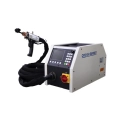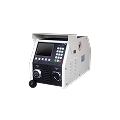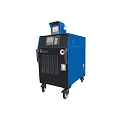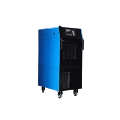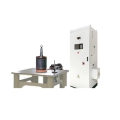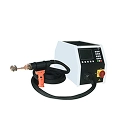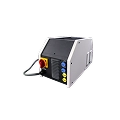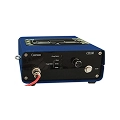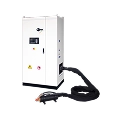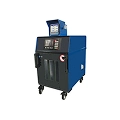

An industrial induction heater uses electricity and magnetism to heat metal quickly. You can see it in factories when parts need heating without touching them. This way is special because it heats only where you want. It keeps workers safer and saves energy. Here is how it compares to other ways to heat:
| Benefit | Description |
|---|---|
| Speed | Metal gets hot in a few seconds. |
| Safety | No flames means less fire risk. |
| Precision | Only the right spot gets heated. |
| Efficiency | Most energy becomes heat. |
| Eco-friendly | No smoke or burning fuel. |
You get more control, cleaner air, and lower costs with an industrial induction heater.
Key Takeaways
-
- Industrial induction heaters use electricity and magnetism to heat metal fast and safely. They do not use flames. This way of heating saves energy. It can save up to 50% more energy than old methods. Induction heating lets you control the temperature very well. This means you get the same results each time and make less waste. The process is clean and safe. It does not make smoke or bad gases. This is better for the environment. Induction heating can be used in many industries. Some examples are automotive, food processing, and manufacturing.
Industrial Induction Heater Basics
What Is an Industrial Induction Heater
People use an industrial induction heater to heat metal parts fast and safely. This machine works by making heat inside the metal, not outside it. You put the metal part in a coil. The coil makes a strong magnetic field. The metal gets hot very quickly from this field. There are no flames or smoke when you use it. The process is clean and easy to control every time.
Industrial induction heaters are different from other heaters. You can see the main ways they are not the same in the table below:
| Characteristic | Industrial Induction Heaters | Other Industrial Heaters |
|---|---|---|
| Energy Efficiency | Up to 50% more efficient | Varies by method |
| Precision Control | Targeted heating | General heating |
| Speed | Rapid heating cycles | Slower heating cycles |
| Safety | No open flames | Open flames present |
| Consistency | Repeatable results | Variable results |
| Clean Process | No combustion byproducts | Possible contamination |
Key Features and Benefits
There are many good things about using an industrial induction heater. The best thing is that it saves energy. Induction heating makes heat right inside the metal, so less energy is wasted. It also heats up metal very fast. The temperature goes up in just seconds. This helps you finish work faster and make more products.
Modern induction heaters let you control the temperature very well. You can pick the exact heat you want and get the same result each time. New machines, like the ForgeMax series, have smart controls and special cooling. These new features save over 35% more energy and make things heat up 10% faster. The ForgeMax system uses a distilled water-to-water heat exchanger. This keeps the machine working well and helps it last longer.
Tip: Induction heating does not use open flames or make bad smoke. This keeps your work area safer and cleaner.
You can count on an industrial induction heater to give you steady, clean, and safe heat for tough jobs.
How Induction Heating Works
Electromagnetic Induction Principle
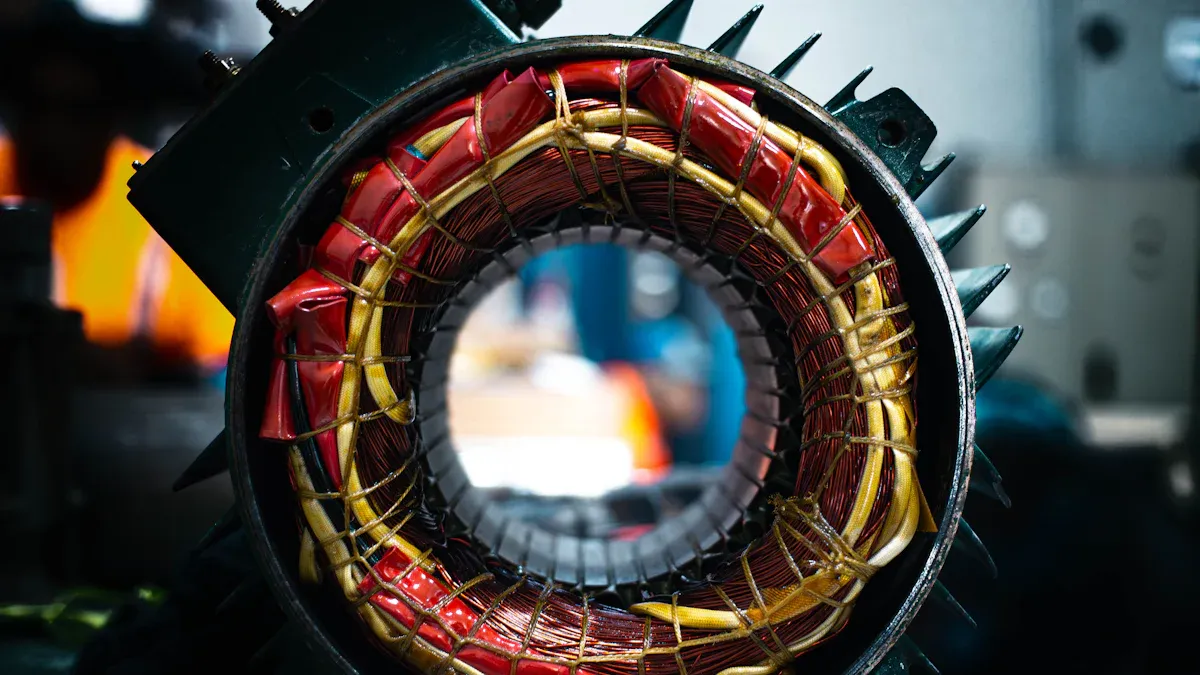
Induction heating happens when you put metal in a coil. The coil connects to a power supply. This supply sends fast-changing electricity through the coil. The coil makes a strong magnetic field. The field switches direction quickly. When metal is inside this field, electromagnetic induction starts.
Electromagnetic induction means the magnetic field makes electricity inside the metal. These are called eddy currents. The system changes regular power to high-frequency power. This high-frequency power goes to the workhead. The workhead holds capacitors and the coil. The coil’s magnetic field gives energy to the metal part. The metal heats up cleanly and exactly where you want.
-
- Induction heating uses a magnetic field to make eddy currents in the metal.
-
- The system changes regular power to high-frequency power.
-
- The coil’s magnetic field sends energy to the metal.
Note: The frequency of the electricity is very important. It decides how well energy moves from the coil to the metal and how deep the heat goes.
Eddy Currents and Heat Generation
Eddy currents move through the metal and meet resistance. This resistance turns electricity into heat. The metal gets hot from the inside. In ferromagnetic metals, there is extra heat from hysteresis losses. This means the magnetic field makes the metal’s molecules move, which adds more heat.
Here is how induction heating works step by step:
-
- Put the metal part inside the coil.
-
- The coil gets high-frequency electricity.
-
- The changing magnetic field makes eddy currents in the metal.
-
- Eddy currents meet resistance and make heat.
-
- In ferromagnetic metals, hysteresis losses add more heat.
Eddy currents stay near the surface with higher frequencies. Lower frequencies let heat go deeper into the metal. This changes how heat spreads and how strong the metal gets after heating.
-
- Eddy currents happen inside the metal.
-
- Hysteresis losses happen in ferromagnetic metals.
-
- Both effects make fast heating inside the metal.
Eddy currents move through the metal’s resistance and make heat mostly by Joule heating. In ferromagnetic metals, magnetic hysteresis losses make extra heat.
Non-Contact Heating Process
Induction heating is special because it heats metal without touching it. The coil never touches the metal part. The magnetic field does all the work. You get fast, clean, and safe heating. You control where the heat goes and how much heat you use. This makes induction heating great for jobs that need careful heating.
-
- You do not need flames or direct contact.
-
- The process keeps your workspace safer and cleaner.
-
- You can heat only the spot you want, saving energy and time.
| Feature | Benefit |
|---|---|
| Non-contact heating | No contamination, safer work |
| Targeted heating | Only the right area gets hot |
| Fast response | Metal heats up in seconds |
Tip: Matching the right frequency helps energy move better and makes heating more efficient. Higher frequencies heat the surface, while lower frequencies heat deeper.
Induction heating is used in many industries because it gives control, speed, and safety. The process uses electromagnetic induction and eddy currents to make heat inside the metal. You get good results every time.
Main Components of Industrial Induction Heaters
When you know the main parts of an induction heating system, it is easier to see how they work together. Each part has a special job. These jobs help the system heat things fast and safely.
Power Supply and Oscillator
The power supply is like the heart of the system. It takes normal electricity and turns it into high-frequency power. This high-frequency power is important. It decides how deep and how fast your workpiece gets hot. The oscillator works with the power supply. It sets the exact frequency and shape of the power. If you use a strong power supply and a good oscillator, your system works better. You get better heating and save energy.
Tip: A strong power supply and a good oscillator help heat your workpiece faster and more evenly.
Induction Coil
The induction coil is where most of the action happens. You put your workpiece inside or near the coil. The coil carries high-frequency power and makes a magnetic field. The shape, size, and number of turns in the coil change how well the system works. For example, a coil with more turns or a special shape can heat different parts of your workpiece. Some coils wrap around the workpiece. Others are flat or split apart so you can load parts easily.
| Coil Type | Best Use |
|---|---|
| Encircling Coils | Cylindrical parts and shafts |
| Pancake Coils | Flat surfaces and end faces |
| Split Coils | Assembled parts without disassembly |
| Channel Coils | Gears and special profiles |
The coil often uses water cooling. This keeps it from getting too hot. Cooling helps the system last longer and work better.
Workpiece and Cooling System
The workpiece is the thing you want to heat. Its material and shape change how the system works. Metals like alloy steel, titanium, and aluminum heat up well. The system sends energy into the workpiece. This makes it hot from the inside out.
To keep things safe, the system uses a cooling system. Most systems use water cooling. Some use air or special mixtures. Cooling stops the coil and electronics from getting too hot. You might see closed-loop water cooling, water-to-air exchangers, or glycol-water mixtures in your system.
-
- Closed-loop water cooling
-
- Water-to-air heat exchangers
-
- Direct water cooling of coils
Control System
The control system helps you run the induction heating system. It lets you set the power, frequency, and heating time. Modern systems use digital controls for better accuracy. You can use tools like pyrometers and thermocouples to check the temperature. These tools help you avoid overheating. They also help you get the same results every time.
-
- Digital controls for power and frequency
-
- Temperature sensors for safety
-
- Automated process control for steady results
Note: A good control system keeps your workpiece safe and helps the process go smoothly.
| Component | Contribution |
|---|---|
| Power Supply | Changes regular power into high-frequency power. This affects how strong and deep the heat goes. |
| Induction Coil | Carries high-frequency power. Its design changes how well energy moves into the workpiece. |
| Workpiece | Takes in energy from the magnetic field. How it heats depends on its material. |
| Система охлаждения | Keeps the coil and electronics cool so they do not overheat. |
| Control System | Controls power, frequency, and safety to make sure heating works right. |
When you know what each part does, you can use the system to heat your workpiece fast, safely, and with good control.
Applications and Advantages of Induction Heating
Industrial Uses
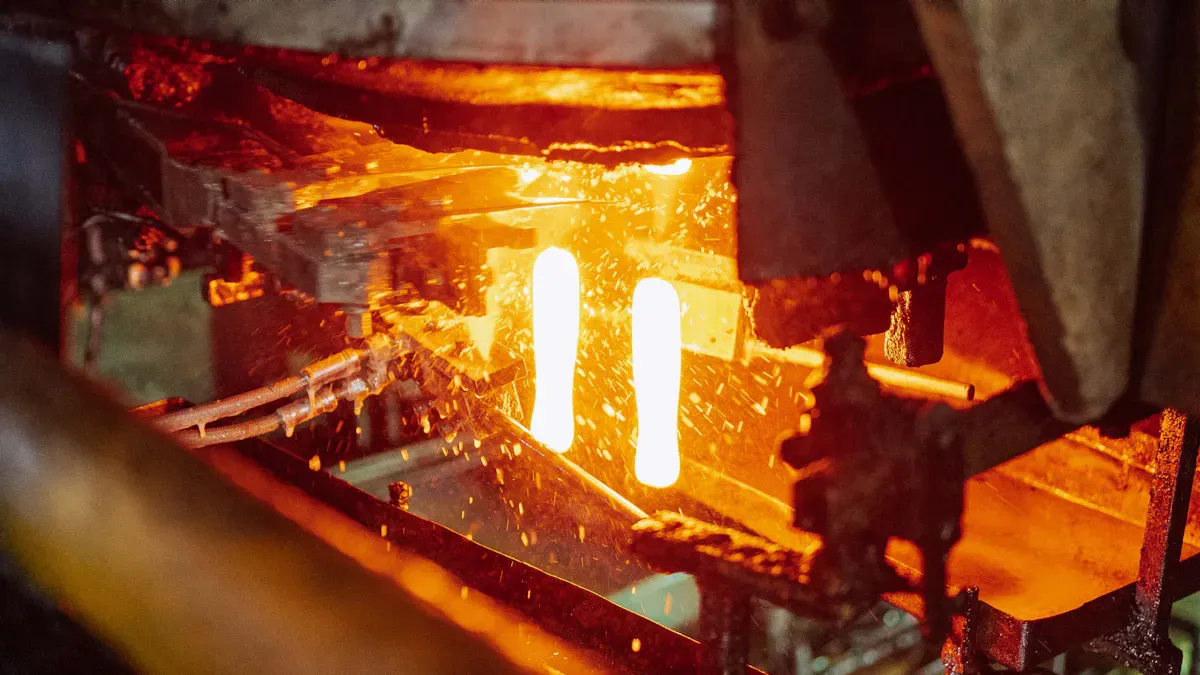
Induction heating is used in many different industries. It helps heat metal parts fast and safely. People use it to harden gears and temper shafts. It is also used for welding and heat treating metals. In food and beverage factories, induction heating is used for cooking, pasteurizing, and sterilizing. The table below shows some common uses:
| Industry | Application |
|---|---|
| Automotive | Hardening and tempering of gears and shafts |
| Food & Beverage | Cooking, pasteurizing, and sterilizing |
| Manufacturing | Welding and heat treating metals |
Induction heating gives quick results and lets you control the heat. You can use it for preheating, stress-relieving welds, and making metal harder.
Efficiency and Precision
Induction heating is very efficient and precise. You can set the temperature, power, and time for each job. This process heats only the spot you want, so you save energy and make less waste. The heat spreads evenly, so your parts turn out the same every time. Induction heating is easy to add to machines that work by themselves. The table below shows the main benefits:
| Advantage | Description |
|---|---|
| Precise Temperature Control | Accurate power and frequency settings for specific temperature profiles |
| Uniform Heating | Consistent quality and repeatability in every process |
| Energy Efficiency | Up to 50% energy savings by minimizing heat loss |
| Integration into Automation | Easy to add to automated lines, improving throughput |
You get the same results again and again. Your products are stronger and do not bend or twist as much.
Safety and Environmental Benefits
Induction heating makes your workspace safer. There are no open flames, so fire risk is lower. You do not have to worry about breathing in smoke from burning fuel. The process is clean and easy to use with machines. The table below compares safety features:
| Safety Feature | Индукционный нагрев | Open-Flame/Resistance Heating |
|---|---|---|
| Fire Hazards | Reduced | Higher |
| Clean Operation | Yes | No |
| Risk of Operator Injuries | Lower | Higher |
| Integration with Automation | Easy | Difficult |
| Exposure to Combustion Byproducts | None | Present |
Induction heating is also better for the environment. It lowers air pollution and saves energy. You make less waste and use less space in your factory.
-
- Induction heating lowers air pollution.
-
- You make less waste and can reuse more materials.
-
- You keep your work area safer.
Tip: Induction heating works best with materials that conduct electricity. You might need special coil shapes for big or tricky parts.
nduction Heating vs. Traditional Methods
Key Differences
Induction heating and traditional heating are not the same. Induction heating uses electromagnetic fields to heat metal right away. Traditional heating uses burning fuel or hot elements. These heat the air first, then the metal. This makes induction heating much faster and saves more energy.
Here is a table that shows how these systems compare:
| Aspect | Индукционный нагрев | Traditional Heating |
|---|---|---|
| Efficiency | Up to 90% efficiency, minimal energy waste | 40-60% efficiency, significant energy loss |
| Cost | 2-5 year payback, lower lifetime costs | Higher energy and maintenance costs |
| Precision | Precise temperature control, reduces defects | Uneven heating, potential for distortion |
| Safety | Clean, flameless heating | Involves open flames, higher workplace hazards |
| Environmental Impact | Supports sustainability goals | Higher emissions due to combustion |
Induction heating works faster because it heats only the metal. The air around the metal does not get hot. This means less energy is wasted. Traditional heaters need more repairs and stop working more often. Induction systems last longer and break less.
Note: Induction heating does not make smoke or harmful gases. This keeps your workspace safer and cleaner.
Unique Benefits
Induction heating has special benefits that other methods do not have. Here are some of them:
-
- You save energy because induction heating turns electricity into heat very well.
-
- You heat metal fast, so jobs finish quicker and you make more products.
-
- You can pick the exact spot and temperature, so your products have fewer mistakes.
-
- You work safer because there are no flames or bad fumes.
-
- You can use one system for many kinds of metal, so your work is flexible.
-
- You spend less money fixing things because induction systems have fewer parts and strong coils.
-
- You get the same results every time, so your products are always good.
-
- You waste less metal, so you use your materials better.
-
- You help the planet by making less pollution and using less energy.
Tip: If you want a clean, safe, and smart way to heat metal, induction heating is the best choice for today’s factories.
Industrial induction heaters help you work faster and use less energy. These systems heat metal quickly and safely. You can control the heat exactly where you need it. The process keeps your workspace clean. You spend less money fixing machines. Factories make less pollution and work better. Companies get higher quality products and fewer problems. As factories look for smarter and greener ways, induction heating is a good option.
| Benefit | Why It Matters |
|---|---|
| Energy Efficiency | Uses less energy and saves money |
| Improved Safety | No flames or hot surfaces |
| Cleaner Operation | No smoke or bad gases |
| Consistent Results | Better quality and less waste |
Tip: Pick induction heating if you want faster, safer, and greener factory work.
Часто задаваемые вопросы
What materials can you heat with induction heating equipment?
You can heat metals like steel, copper, aluminum, and titanium. Induction heating works best with things that let electricity flow. Non-metal things do not heat up well with this equipment.
How safe is an induction heating machine?
Induction heating machines make your workspace safer. They do not use open flames. The coil never touches the metal part. You do not get smoke or bad gases. The system lowers fire risks and keeps things clean.
Can you control the temperature with induction heating?
You can pick the exact temperature you want. Modern machines use sensors and digital controls. You get the same results every time and do not overheat things. This helps you make strong and good products.
What industries use induction heating?
Many industries use induction heating. You see it in car making, factories, food processing, and airplanes. Companies use it for hardening, welding, cooking, and sterilizing.
How fast does induction heating work?
Induction heating works in just a few seconds. You can heat metal parts very quickly. The process saves time and energy. You finish jobs faster and make more products.
Tip: You get faster heating and better control when you use the right coil shape and frequency.