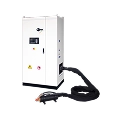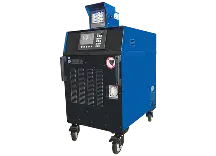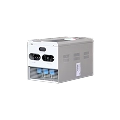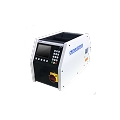



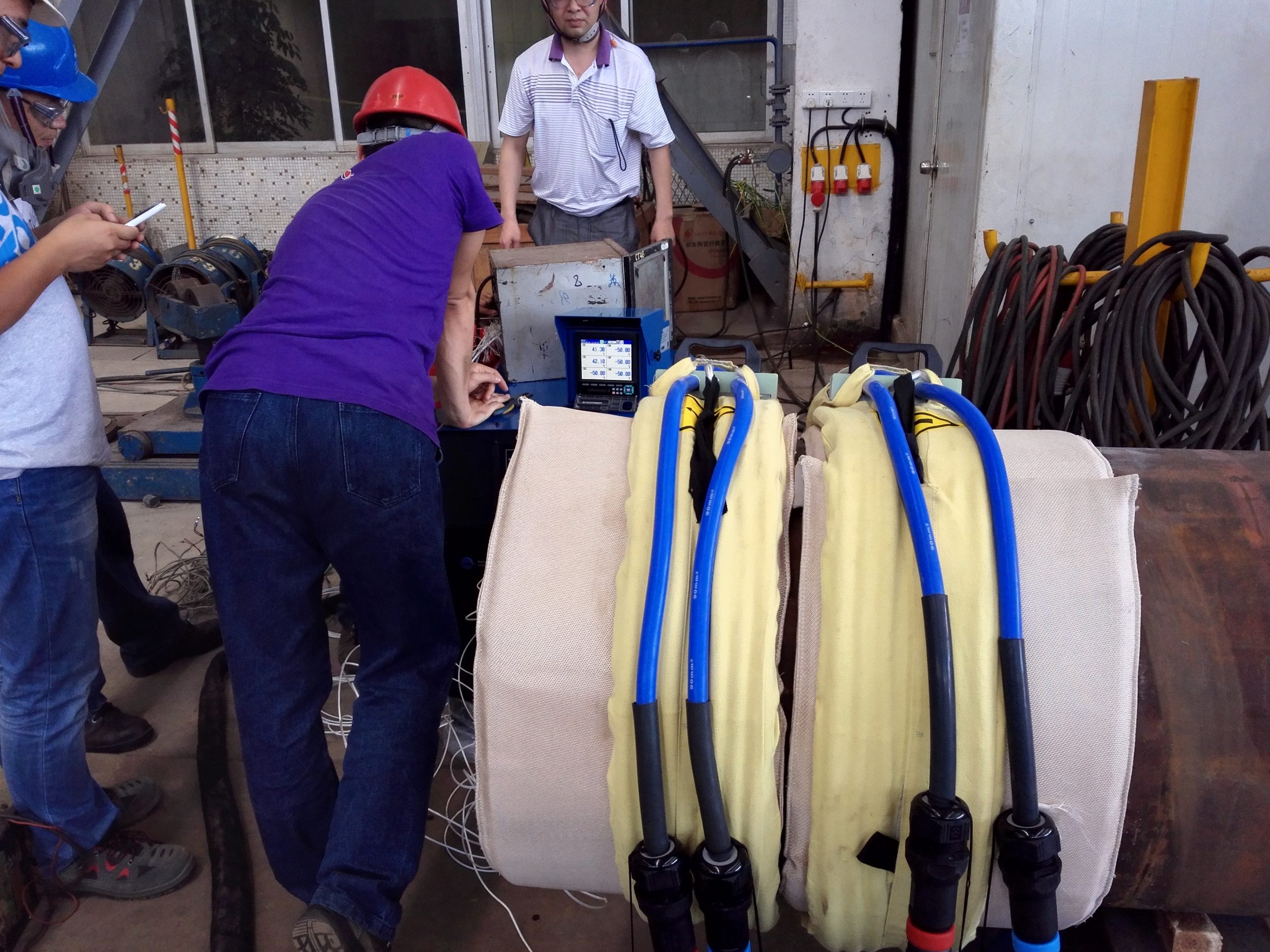
You use preheating in welding to warm up metal before joining. This step helps stop cracks and other problems. Post-weld heat treatment, called PWHT, makes the weld area stronger and safer. Canroon gives you new induction technology that heats metal fast and evenly. You get better results than old ways. You also get a pwht machine that works for many welding jobs.
Основные выводы
- Heating metal before welding stops cracks and makes welds stronger. – PWHT lowers stress and makes welds tougher. – Induction heating gives quick, even heat, saving time and energy. – Induction methods are safer because there are no open flames and fewer risks. – Picking the right PWHT machine gives better welds and meets standards.
Preheating and PWHT in Welding
What Is Preheating?
Preheating in welding means warming up the base metal before joining. This helps you reach the right temperature for safer welding. It also makes the weld more reliable.
As per AWS D1.1, Preheat is defined as: The temperature of base metal in the volume surrounding the point of welding, immediately before the welding is started. In a multi-pass weld, it is also the temperature immediately before the second and subsequent passes are started.
Preheating helps get rid of moisture on steel. Heating lets hydrogen leave the metal, so cracks are less likely. Slower cooling keeps the weld from getting hard and brittle. This makes the steel bend easier and not break. Electromagnetic induction preheating heats metal fast and evenly. You can control the temperature better with this method.
You need preheating when welding thick steel or strong alloys. It is also needed if the material has lots of hydrogen. Cold weather or certain rules may require preheating too. Preheating is important for both shop and field welding jobs.
Why Use Post-Weld Heat Treatment?
Post-weld heat treatment, or pwht, is done after welding. You heat and cool the steel in a controlled way. This helps the weld and the area around it get stronger. You follow steps to reach the right temperature and hold it long enough.
- Reduces stress from welding
- Makes the weld stronger and tougher
- Stops hydrogen cracks
- Helps fight rust
- Makes the grain structure better
Post-weld heat treatment (PWHT) plays a crucial role in preventing stress cracking in welded joints by reducing the residual stresses in the material.
Pwht helps remove stress and brings back the steel’s strength. It lowers the chance of cracks. It also makes the heat-affected zone softer, so it is easier to shape. The weld gets tougher and bends more before breaking. Pwht also helps stop rust, which is important for pipes and tanks.
You need pwht for thick steel or high-pressure parts. Some codes like ASME or API require it. You also use it to meet strict client rules or make welds last longer.
Importance for Weld Integrity
Preheating and pwht both help make welds strong and safe. These steps stop problems like cracks, bending, and weak spots.
- Preheating slows cooling to stop hard, brittle areas and cracks.
- It lowers shock and stress, so there is less bending.
- Preheating lets hydrogen escape, so cracks are less likely.
- Welds are better because heat goes deeper.
- Pwht removes leftover stress and makes steel bend easier.
- It makes the weld stronger and less hard, so it does not break.
- PWHT also gets rid of hydrogen to stop cracks.
- It keeps the weld the right shape by lowering stress.
Induction heating for pwht gives even heat to the weld area. It is safer than using flames. Induction heating works well in shops and at job sites. You can meet welding standards like ASME, AWS, and ISO with good heat control. Induction pwht machines come in many types, so you can pick what you need.
Using preheating and pwht helps your welds last longer and work better. You protect your project and keep everyone safe.
Induction Heating Process for Welding
How Induction Preheating Works
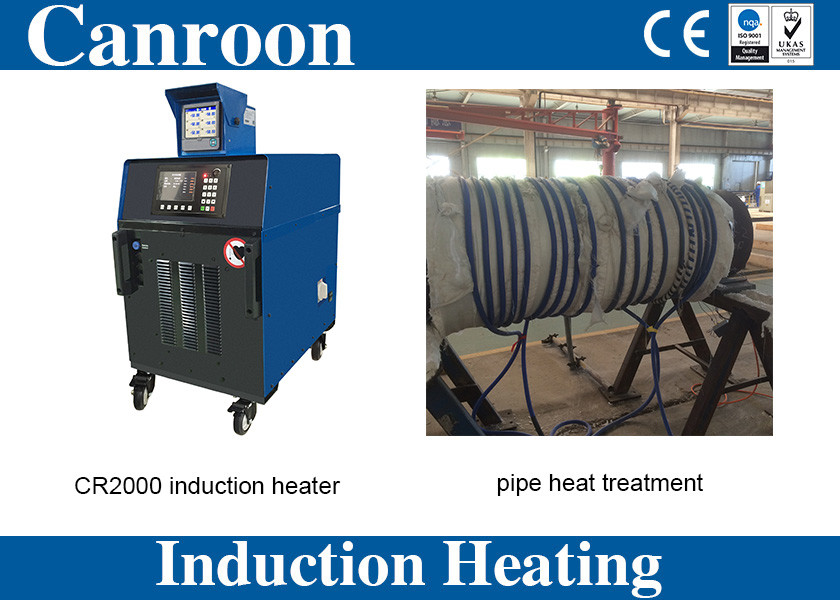
Induction warms metal before welding. This is called preheating. Induction sends electromagnetic fields into the metal. These fields make eddy currents inside the workpiece. The currents heat the metal from the inside. You get quick and even heating every time.
Here is a table that explains how induction preheating works:
| Mechanism | Описание |
|---|---|
| Heat Generation | Induction heating makes heat inside metal using electromagnetic fields. |
| Eddy Currents | The coil creates currents that heat metal evenly. |
| Uniform Heating | You get the same temperature across the weld area. |
| Эффективность | Induction is faster and uses less energy than other methods. |
You can control the temperature very well. This helps stop cracks and keeps the weld strong.
Induction in Post-Weld Heat Treatment
Induction is used for pwht after welding. This method heats the weld and nearby area quickly and accurately. You can follow these steps for pwht:
- Clean the surface and put sensors on it.
- Heat the weld at a steady rate.
- Keep the weld at the right temperature.
- Cool the weld slowly.
- Check the weld for any problems.
Induction heating lets you control the temperature at each step. You get better results and save energy. This method helps you meet welding standards and keeps your welds safe.
Comparison with Traditional Methods
Induction has many benefits over old heating ways. You set up faster and finish jobs sooner. You use less energy and control the process better.
| Особенность | Индукционный нагрев | Традиционное отопление |
|---|---|---|
| Эффективность | 80-90% | 50-70% |
| Speed of Heating | Seconds to minutes | Minutes to hours |
You get even heat across the weld. Sensors help you watch the temperature. This means you avoid hot spots and weak joints. Induction also keeps workers safer because there are no open flames.
Benefits of Induction Heating in PWHT and Welding
Improved Weld Quality
You want your welds to last and work well. Индукционный нагрев gives even preheating and pwht. This helps stop defects from happening. Using induction lowers hydrogen in the weld. Less hydrogen means fewer cracks and better welds. The table below shows how induction heating cuts hydrogen in different samples:
| Описание | Mean Value of HD (ml/100g) | Relative Reduction | Statistical Evaluation |
|---|---|---|---|
| Sample 1 | 54.8 | -31% | n = 29, p < 0.005 |
| Sample 2 | 44.1 | -28% | n = 22, p < 0.005 |
| Sample 3 | 45.9 | -17% | n = 28, p < 0.120 |
| Sample 4 | 38.4 | -34% | n = 24, p < 0.005 |
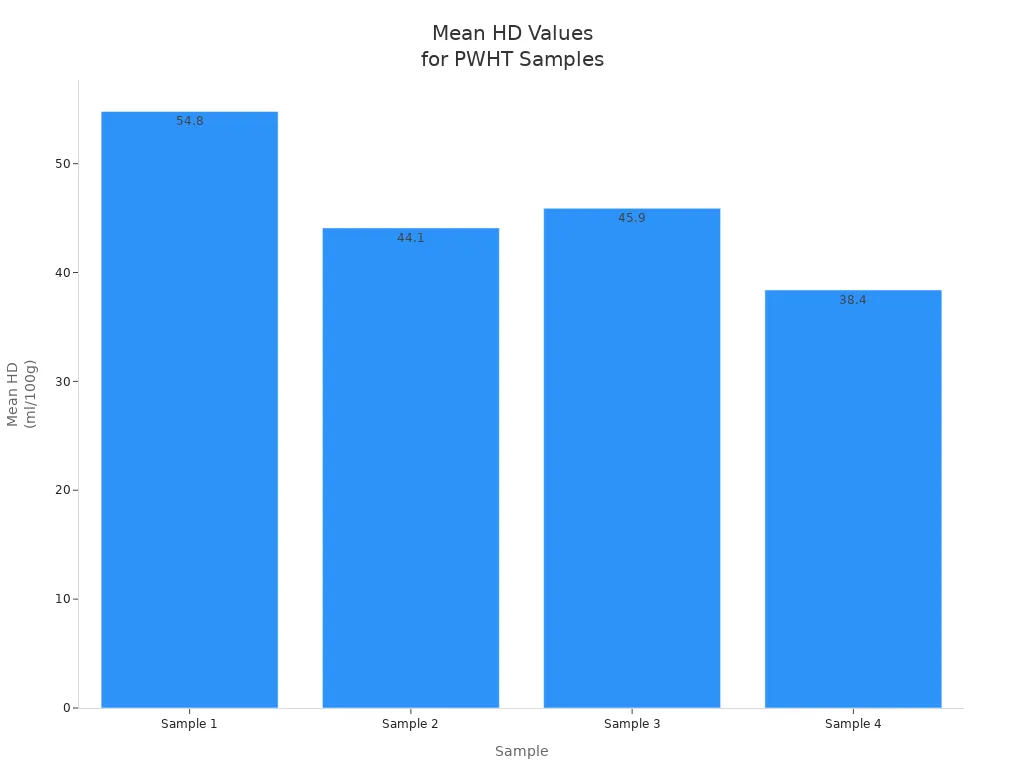
You can see hydrogen drops in the welds. This shows induction heating makes welds better and safer.
Enhanced Safety and Efficiency
Induction heating keeps your workspace safer. You do not need flames or explosive gases. You avoid burns and UV light. The table below lists some safety gains:
| Safety Improvement | Описание |
|---|---|
| Reduction in risk of contact burns | Induction heating limits hot spots, so workers are less likely to get burned. |
| Zero explosive gases | Electricity means no handling dangerous gases, so risks go down. |
| No Ultraviolet (UV) Exposure | Induction heating does not make UV rays, so skin and eyes are safe. |
You also use less energy. Induction heats metal fast and does not waste heat. You finish jobs in half the time. Utility bills go down, and you might get rebates for saving energy. Canroon’s induction systems help you work faster and safer.
Induction heating makes heat inside the part, so less energy is wasted. Old methods lose most heat to the air.
Compliance with Standards
You must follow strict rules for welding and pwht. Induction heating helps you meet these rules with good control. The table below lists some important standards:
| Standard | Relevance to PWHT and Welding |
|---|---|
| Раздел VIII стандарта ASME | Sets rules for pressure vessels and pwht steps |
| ASME B31.3 | Covers process piping and pwht for some welds |
| API 582 | Gives pwht guidelines for oil and gas jobs |
| API 934-A | Talks about pwht for pipelines |
| NACE MR0175/MR0103 | Sets rules for materials in sour service places |
Canroon’s induction heating systems help you follow these standards. You get safe and good welds for every job.
PWHT Machine and System Types
Portable Induction Units
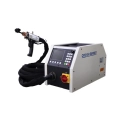
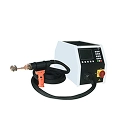
Portable induction units are good for on-site heat treatment. They are easy to move from one job to another. You can set them up fast and carry them easily. These systems work well for welding in the field or far away places. There are different types you can pick from. The table below shows the main choices for on-site heat treatment:
| Configuration | Ideal for | Описание |
|---|---|---|
| Portable Induction Heating Units | Field welding, remote sites | Lightweight and compact with fast deployment |
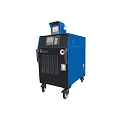
| Mobile Induction Heating Systems | Pipeline maintenance, workshop mobility | Includes wheeled cart, integrated cooler |
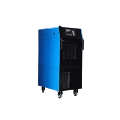
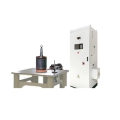
| Cabinet-Based Systems | Heavy component welding | Stable, high-power, with programmable controls |
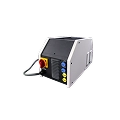
| All-in-One Compact Units | Limited space, modular lines | Combines power, cooling, and control in one enclosure |
You can use these units for heat treatment almost anywhere. They give you good results and help you save time.
Integrated PWHT Machines
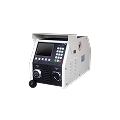
Integrated pwht machine systems give you more control for heat treatment. You can use them in big shops or on large projects. These machines have power, cooling, and control all together. You get steady heat and can set the temperature just right. Integrated systems help you follow strict welding rules. You can use them for heavy parts or hard welds. You get the same good results every time.
You can count on integrated pwht machine systems for heat treatment when you need strong and safe work.
Choosing the Right Solution
You need to pick the best pwht machine for your job. You should think about a few things. The table below helps you compare your choices:
| Фактор | Описание |
|---|---|
| Appropriate PWHT Method | Different materials need special ways, like annealing for some steels. |
| Heating and Cooling Processes | The right heat and cool down speed are important for stress relief. |
| Environmental Factors | Things like humidity can change how heat treatment works. |
| Post-Weld Usage | How you use the part later can change which machine is best. |
You can also look at Canroon’s machines and others. Canroon gives you high energy savings and lower costs for heat treatment. You also help the environment. The table below shows how Canroon is different:
| Аспект | Canroon Electrical Appliances | Конкуренты |
|---|---|---|
| Энергоэффективность | Высокий | Различается |
| Операционные расходы | Lower due to efficiency | Higher in some cases |
| Воздействие на окружающую среду | Positive | Различается |
You should pick a pwht machine that fits your heat treatment needs. You get better welds, safer work, and spend less money.
Applications in Welding Projects
Примеры промышленного применения
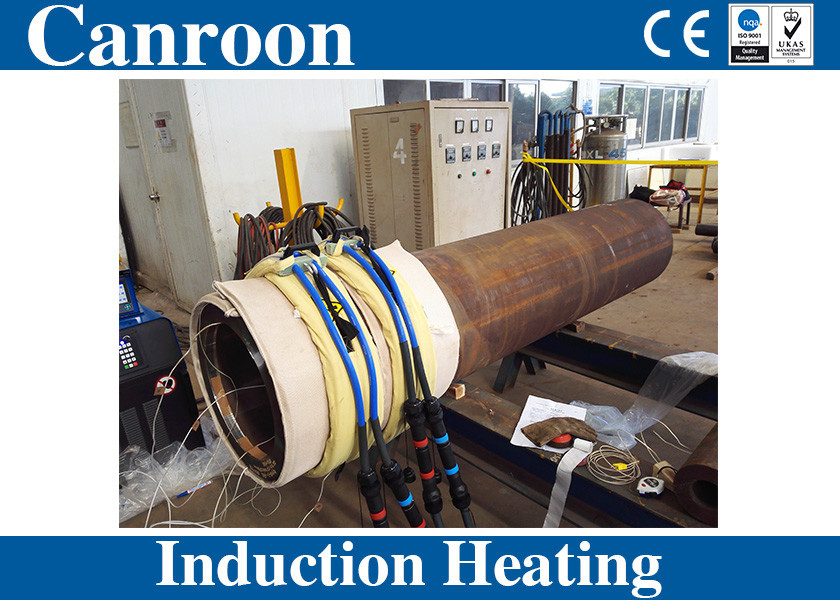
Induction preheating and post-weld heat treatment are used in many industries. These methods help you finish welding jobs faster and make them better. Some common places where induction heating is used are:
- Oil and gas pipeline construction
- Power plant maintenance, like boilers and turbines
- Shipbuilding and offshore platforms
- Wind tower welding
- Structural steelwork and bridge welding
- Petrochemical and refinery shutdowns
- Heavy machinery manufacturing
In North America, workers used induction heating on an oil pipeline. They fixed encirclement sleeves much faster. The repair time went from twelve hours to four hours. For STOPPLE fitting repairs, the time dropped from eighteen hours to seven hours. This shows induction heating helps save time and keeps projects on track.
Induction systems heat metal quickly. You reach the right temperature much faster, even with thick pipes or big tanks. The setup is fast, so you spend less time getting ready and more time welding.
Suitability for Different Environments
Induction heating works in many places. You can use it inside shops or outside at job sites. There are no open flames, so it is safer and meets rules.
Induction heating uses electricity. You can get this power from wind or solar energy. You only use power when you need to heat, so you do not waste energy. This makes induction heating better for the environment than gas-fired systems.
Here is a table to help you pick the right induction system for your welding job:
| Environment | Recommended System Type | Основные преимущества |
|---|---|---|
| Remote pipeline sites | Portable induction units | Easy transport, fast setup |
| Large fabrication shops | Integrated PWHT machines | High power, precise control |
| Offshore platforms | Mobile induction systems | Safe, reliable in harsh conditions |
| Urban construction zones | All-in-one compact units | Space-saving, low noise |
You can choose the best system for your job. This helps you get better welding results anywhere.
You get lots of good things when you use induction preheating and PWHT for welding. The table below lists the main benefits:
| Преимущество | Описание |
|---|---|
| Ensures Structural Integrity | Preheating removes moisture and slows cooling to stop cracks. |
| Reduces Defects | It spreads out stress and keeps welds from getting too hard or brittle. |
| Relaxation of Residual Stress | PWHT lowers stress and keeps welded parts strong. |
| Prevents Brittle Cracking | PWHT done right stops brittle cracking and keeps your structures safe. |
Canroon’s induction heating systems let you control the temperature exactly. You get welds that are strong and tough. These welds last a long time in hard jobs. You can count on Canroon to give you good results.
To pick the best solution for your project:
- Think about your preheat needs.
- Use Carbon Equivalent formulas to check if your material can be welded.
- Look at thickness, welding process, hydrogen, and how tight the joint is.
- Make sure cooling is slow enough to stop cracks.
- Always follow welding rules and steps.
You can ask Canroon for help and get induction heating solutions made just for you.
Часто задаваемые вопросы
What is induction preheating in welding?
Induction preheating uses electromagnetic fields to heat metal before you weld. This method gives you fast and even heating. You can control the temperature easily. Induction preheating helps you stop cracks and makes your welds stronger.
Why should you choose induction heating over flame heating?
Induction heating is safer. You do not use open flames or gas. You get faster heating and better control. You also save energy and lower your costs.
Можно ли применять индукционный нагрев для всех металлов?
You can use induction heating for most metals like steel, stainless steel, and some alloys. Metals that do not conduct electricity, like some plastics, will not work with induction.
How do you select the right PWHT machine?
| Фактор | What to Check |
|---|---|
| Job Size | Small or large parts? |
| Location | Shop or field use? |
| Power Needs | How much heat is required? |
| Controls | Do you need precise settings? |
You should match the machine to your project needs.