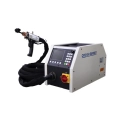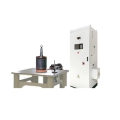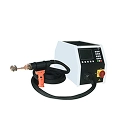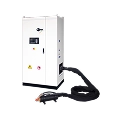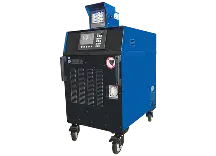





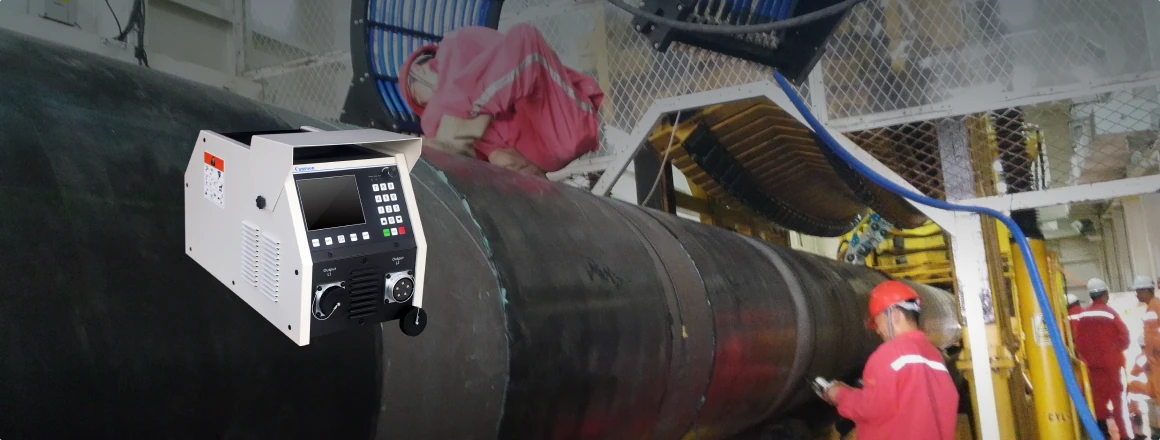
You can see many kinds of induction heating equipment today. Some machines are easy to move. Others stay in one spot. These machines use electromagnetic fields to heat metal fast. They also do it in an efficient way. You should think about power, frequency, and automation level. These things help you pick the best equipment. Canroon gives good solutions for your needs.
Key Takeaways
- Induction heating uses electromagnetic fields to heat metals fast and safely. It works better than old heating methods.
- Pick the right induction heating equipment for your needs. Think about the metal type, how deep you need to heat, and what you want to do.
- Induction heating systems let you control the temperature exactly. This stops overheating and gives steady results.
- There are different induction heaters, furnaces, and coils for many jobs. You can use them for hardening or melting metals.
- Canroon gives custom solutions and help. They help you choose and use induction heating equipment for your work.
Induction Heating Principles
How Induction Heating Works
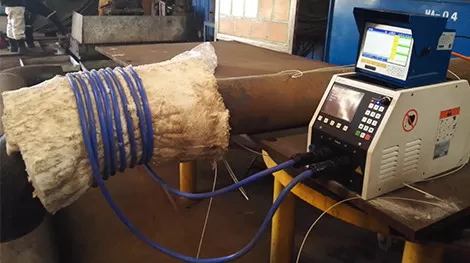
Induction heating lets you heat metals fast and safely. You use a coil with electric current. The coil makes a magnetic field. Put the metal workpiece inside the coil. The magnetic field makes electric currents in the workpiece. These currents heat the workpiece from inside. You do not need to touch the metal or use fire. This makes induction heating safer and cleaner than other ways.
Induction heating is quick and efficient. You can heat a workpiece much faster than old methods. The process turns almost all electrical energy into heat. This saves energy and money. You can use less energy than older heating methods. You also control the temperature better. This helps you keep the workpiece from getting too hot.
Tip: Induction heating lets you set exact temperatures. You get feedback right away during the process.
Here is a simple comparison:
| Feature | Индукционный нагрев | Traditional Heating |
|---|---|---|
| Speed | Heats much faster | Heats slower |
| Energy Efficiency | More efficient | Loses more energy |
| Safety | No fire, safer in small spaces | Uses fire, makes smoke |
| Precision | Set temperatures, get feedback | Harder to control |
| Setup and Flexibility | Quick setup, no waiting | Takes longer to set up |
Key Components
Induction heating systems have a few main parts. Each part helps heat the workpiece:
| Component | Function |
|---|---|
| Power Supply | Changes normal electricity into high-frequency current. This current is needed for induction heating. |
| Impedance Matching | Makes sure the power supply and workpiece work well together. This helps you get the most energy transfer. |
| Resonance Tank | Uses capacitors and inductors to keep the system at the right frequency. This helps energy move smoothly. |
| Induction Heater Inductors | Makes the magnetic field that heats the workpiece. The coil’s shape and size change how the workpiece heats up. |
You put the workpiece inside or near the coil. The coil surrounds the workpiece and focuses the magnetic field. The power supply sends energy to the coil. The resonance tank keeps the system steady. Impedance matching helps use energy well. All parts work together to heat the workpiece fast and evenly.
Induction heating systems are used in many industries. You can use them to melt, harden, or join metals. You get fast, clean, and precise results every time.
Types of Induction Heating Equipment
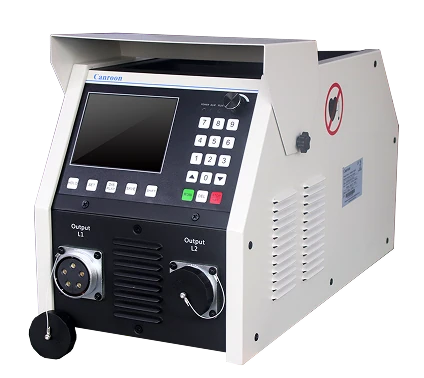
Induction Heaters
An induction heater heats a workpiece fast and well. It makes a strong electromagnetic field around the induction coil. The coil sends energy to the workpiece. This makes the workpiece heat up from inside. There are different types of induction heaters. Each type works for different jobs and power levels.
| Type of Induction Heater | Frequency Range | Power Output Range | Applications |
|---|---|---|---|
| MF Induction | 1 kHz to 10 kHz | 50 kW to 500 kW | Induction forging of larger components |
| RF Induction | 100 kHz to 10 MHz | 2.5 kW to 40 kW | Induction hardening of smaller parts |
| Mains Frequency | Standard AC supply | Low-current devices | Localized heating, drum heaters |
Induction heating equipment is used in many fields. You use it for surface hardening, melting, brazing, soldering, heat treating, and shrink fitting. It is also used in cars, medical devices, packaging, and material testing.
Note: Canroon gives induction heaters with smart control systems. You can set the temperature exactly and get steady results for your workpiece.
Induction Furnaces
Induction furnaces melt metals using electromagnetic induction. You put the workpiece inside the induction coil. The coil heats the metal directly. This lets you control the temperature very well. You lose less metal to oxidation, use less energy, and get a cleaner melting process than other furnaces.
- Induction furnaces use less energy, about 480-600 kWh per ton.
- No combustion gases are made, so the process is safer and cleaner.
- Melting is faster and maintenance costs are lower.
- These furnaces are good for small jobs and special steel making.
| Furnace Type | Typical Capacity Range | Primary Application | Key Characteristic |
|---|---|---|---|
| Coreless Furnace | <1 kg to 65+ tons | Batch melting, diverse alloys | Maximum flexibility, cold start capability |
| Channel Furnace | 15-25 tons to 100+ tons | Continuous melting/holding of single alloy | High thermal efficiency, requires liquid metal heel |
Pick the furnace type based on your workpiece size and melting needs. Canroon gives induction furnaces that are efficient and have good safety features.
Induction Coils
The induction coil is the main part of induction heating equipment. You wrap the coil around or put it near the workpiece. The coil’s shape changes how the workpiece heats up. You can pick from different coil shapes and materials.
| Design Type | Heating Performance Impact |
|---|---|
| Helical/Solenoid Coil | Wide range of heating behaviors; maximum heating rate in area of greatest magnetic flux. |
| Precision Machined Coil | Complex design enhances efficiency and effectiveness. |
| Frequency Selection | Higher frequencies for surface heating; lower frequencies for through-heating. |
| Power-Density Requirements | Higher power densities for short cycle heating and confined hot zones. |
| Material Type | Advantages | Disadvantages |
|---|---|---|
| Laminations | High flux densities, cost-effective | Less flexible, labor-intensive to mount |
| Pure Ferrites | Outstanding magnetic permeability | Brittle, difficult to machine |
| Iron Powders | Easy to shape, high flux densities | Risk of overheating, lower working temperature |
Laminations are used for long coil sections at lower frequencies. Soft-magnetic composites are good for medium to high frequency coils and round sections. Canroon engineers help you pick the right induction coil for your job.
Band Heaters
Band heaters wrap around surfaces to give steady heat. You use them for surface heating in parts that wear out easily. They keep the workpiece at a steady temperature during start-up and cycles.
- Band heaters are used in textile work, drum heating, and injection molding machines.
- In injection molding, they keep the melt steady and make parts the same every time.
- For drum heating, they give even surface temperature and better product quality.
- In chemical and plastics work, they stop bottlenecks by keeping things warm.
| Aspect | Details |
|---|---|
| Common Types | Mica (up to 480°C), Ceramic (up to 760°C), Mineral Insulated (high durability) |
| Key Applications | Plastics processing, pipe heating, drum warming, food service equipment |
| Selection Factors | Temperature needs, cost, efficiency, durability requirements |
Band heaters heat fast and conduct heat well. You can change voltage, wattage, and insulation materials. Canroon gives band heaters that work well for industry needs.
Cartridge Heaters
Cartridge heaters are round parts that fit into holes in machines. You use them to heat solid objects from inside. They heat evenly and have fewer cold spots because of their coils.
- You can change cartridge heaters for special heating needs.
- They come in different sizes and power levels.
- Cartridge heaters are cheap and easy to use, fix, and replace.
- You can add thermocouples for exact temperature control.
Cartridge heaters are used in induction heating equipment for local heating of the workpiece. Canroon gives cartridge heaters that last long and can be changed for your needs.
Induction Power Supplies
The power supply is the main part of induction heating equipment. It gives steady DC power to the circuit. Voltage sets the electrical pressure. Current limits the heating power. The power supply controls how fast, well, and reliably the equipment heats.
| Aspect | Role in Induction Heater |
|---|---|
| Primary Function | Provides stable DC power for the entire circuit |
| Key Specifications | Voltage sets electrical pressure; current limits heating power |
| Impact on Performance | Determines heating speed, effectiveness, and system reliability |
| Common Ratings | 12V-48V DC, with current capacity critical for high-power needs |
| Selection Advice | Match current rating to circuit demands to avoid under-powering |
Coils and inductors make the high-frequency transformer winding. Capacitors control the power supply and store energy for bursts. Rectifiers change AC to DC. Inverters change DC back to AC for good power use.
Tip: Canroon uses advanced power semiconductors like IGBTs and SiC MOSFETs for good power conversion. You can adjust power exactly and lose less energy. Smart control systems and digital tools let you watch and fix problems in real time.
You can use induction heating equipment at many frequencies, from 50Hz to 300 kHz. Canroon’s power supply units work well in tough places and last a long time.
There are many types of induction heating equipment. Each type works for a certain job and workpiece. You can pick the right induction heater, furnace, coil, band heater, cartridge heater, or power supply for your needs. Canroon helps you choose and change equipment for the best results.
Specialized Induction Heating Systems
Hardening Systems
Hardening systems help metal parts get stronger. They make parts last longer. These systems use induction heating to heat the surface fast. The surface gets tough, but the inside stays soft. This works for steel and aluminum.
Benefits of induction hardening systems:
- You make parts harder and more resistant to wear. This helps gears and bearings last longer.
- You only treat the spots that need hardening. This saves energy and keeps the rest of the part unchanged.
- You control the process closely. This gives you results that are always the same.
- You finish jobs faster than other heating ways.
- You use less energy because you heat only what you need.
Tip: Induction hardening makes parts stronger against fatigue. It lowers friction and helps stop corrosion. Parts stay the same size even in tough conditions.
Different industries use hardening systems in many ways:
| Industry | Applications |
|---|---|
| Automotive Industry | Crankshafts, camshafts, axle shafts, gears, steering parts, transmission parts |
| Aerospace Sector | Landing gear, turbine blades, shafts |
| Power Generation | Turbine blades, generator shafts, rotor parts |
| Heavy Machinery | Excavator bucket pins, hydraulic cylinders, machine tool spindles, shafts |
| Hardware and Tools | Drill bits, milling cutters, punches |
| Railway Systems | Wheel sets, axles |
Brazing Equipment
Brazing equipment uses induction heating to join metal parts. It uses a filler metal to make strong, clean joints. The base materials do not melt. You can braze many shapes and sizes, from small medical tools to big mining machines.
Common uses for induction brazing equipment:
- In cars, you join aluminum parts to make them lighter. This helps save fuel.
- In planes, you attach wear pads to jet blades for better performance.
- In medical devices, you put together parts for tools and machines.
- In mining, you braze steel tube fittings for strong connections.
| Industry | Applications |
|---|---|
| Automotive | More induction brazing for aluminum parts to reduce weight. |
| Aerospace | Regular brazing of nickel and other wear pads to jet blades. |
| Medical Devices | Used for assembling parts in medical equipment. |
| Mining Equipment | Induction brazing for many steel tube fittings. |
Induction brazing is faster than old heating methods. It uses energy better. You control the heat closely, so you avoid overheating. You get results that are always the same.
Melting Systems
Melting systems use induction heating to melt metals fast. You can melt iron, steel, stainless steel, copper, aluminum, and special alloys. These systems heat evenly and avoid hotspots. This helps stop defects.
Induction melting systems cost more at first. But you save money over time. You melt metals quickly and pay less for energy. You waste less material and make fewer emissions. This is better for the environment than old heating ways.
| Feature | Induction Melting | Traditional Melting |
|---|---|---|
| Melting Time | Faster | Slower |
| Energy Efficiency | Increased | Higher consumption |
| Регулирование температуры | Improved | Less control |
| Material Wastage | Minimized | Greater wastage |
| Operational Costs | Reduced | Higher costs |
| Environmental Impact | Eco-friendly | More emissions |
Main features of induction melting systems:
- You get even heating and no hotspots.
- You use less power to reach the right temperature.
- You lower the risk of contamination and safety problems.
- You melt metals with high accuracy and precision.
You can melt many materials. These include alloy steel, cast iron, copper, aluminum, silicon, and special metals for planes and medical tools.
Industrial Applications
Specialized induction heating systems are used in many industries. They help you harden, braze, and melt metals quickly and accurately. You can use them in cars, planes, factories, and more.
| Sector | Application Description | Key Benefits |
|---|---|---|
| Automotive | Hardening crankshafts, camshafts, and gears | Makes parts stronger and last longer |
| Aerospace | Precise heat treatment of high-performance alloys | Keeps parts safe and strong |
| Manufacturing | Induction brazing, hardening, and composite curing | Improves material quality and reliability |
Induction heating systems work well in metal shops, car factories, and even food plants. Many companies use these systems to save space and energy. They also upgrade their equipment. You can add small, custom modules to your process. This helps you stay ahead and follow new energy rules.
Note: Induction heating systems give you great precision, speed, and energy efficiency. You can use them for heat treatment, forging, brazing, and cooking. Their flexibility makes them a smart choice for many industries, from faucets to planes.
Choosing Induction Heating Equipment
Application Factors
You must pick the right induction heating equipment for your job. First, decide what you want to do. Are you hardening, brazing, or melting? Think about the metal you need to heat. Steel and copper act differently with induction heating. Figure out how deep you want the heat to go. Some jobs only need surface heating. Others need heat to reach the inside. Choose a coil shape that fits your workpiece. Find equipment that is easy to use and simple to fix.
- Application requirements: Set clear goals for heating.
- Material properties: Learn about conductivity and permeability.
- Heating penetration depth: Decide how deep the heat should go.
- Operating frequency: Pick the best frequency for your job.
- Power requirements: Find out how much power you need.
- Coil design: Match the coil to your part’s shape.
- User-friendly operation: Choose equipment with easy controls.
Power and Frequency
You need to pick the right power and frequency for your job. Medium-frequency equipment works best for bigger parts and deeper heating. High-frequency equipment is good for smaller parts and surface heating. Check this table to compare:
| Type of Induction Heating Equipment | Frequency Range |
|---|---|
| Medium-Frequency | 1 kHz to 10 kHz |
| High-Frequency | 60 kHz to 200 kHz |
Power output depends on how big your part is and how fast you want to heat it. More power heats faster but costs more. Always match the equipment to your job.
Efficiency Considerations
Efficiency is important for saving money and getting good results. Induction heating equipment turns most energy into heat. This saves money and cuts waste. Compare these numbers:
| Efficiency Metric | Induction Heating Performance |
|---|---|
| Energy Conversion Efficiency | 80-90% |
| Heating Rate Performance | 100-1,000 K/s |
| Temperature Uniformity | ±5°C |
| Power Density | 1-5 MW/m³ |
High efficiency means lower costs and better products. Even heating stops defects and makes quality better.
Canroon Solutions
Canroon helps you pick the best induction heating equipment. You get solutions made just for your needs. Their technology lets you control temperature exactly. Training and support help your team learn more. Scalable options fit your needs now and later. Energy-efficient processes save money and help the environment.
| Solution Description | Benefits |
|---|---|
| Tailored induction heat-treating solutions | Solves heating problems for your needs |
| Advanced technology for precise control | Stops distortion and material damage |
| Comprehensive training and support | Makes your team better and saves money |
| Scalable solutions for investment concerns | Helps you grow and change when needed |
| Energy-efficient processes | Cuts costs and helps the planet |
Tip: You can ask Canroon for expert help. Their team will help you pick and use induction heating equipment for any job.
You can find induction heating equipment in lots of industries. It helps keep food safe by sterilizing it. In cars, it makes metal parts harder. In planes, it helps cure special materials. People use it to solder parts in electronics. It also helps weld plastic pieces together. Farmers use it to dry crops faster. Picking the right equipment gives you exact heating and strong results. Induction heating works with many materials and jobs. If you need help or a custom solution, you can ask Canroon for support.
Часто задаваемые вопросы
What is induction heating?
Induction heating uses electromagnetic fields to warm metal. You put the metal inside a coil. The coil makes a magnetic field. The metal gets hot fast and safely.
How do you choose the right induction heating equipment?
You check what your job needs. Look at the material, size, and how deep you need to heat. Pick the right power and frequency. Ask Canroon for help if you need advice.
Can you use induction heating for all metals?
You can use induction heating for most metals. Steel, copper, and aluminum work well. Some metals heat up faster than others.
Is induction heating safe?
Induction heating is safer than old heating ways. You do not use fire or flames. You can control the temperature easily. You avoid smoke and fire dangers.
What industries use induction heating equipment?
Induction heating is used in cars, planes, factories, and food processing. It helps with hardening, brazing, melting, and sterilizing.