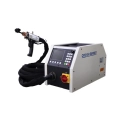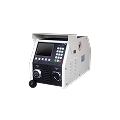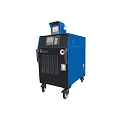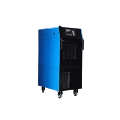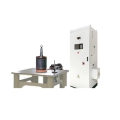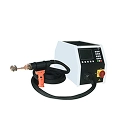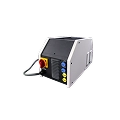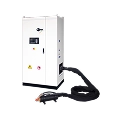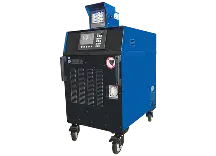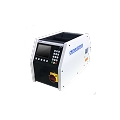





You make pipelines safer and work faster with induction heating. Canroon’s solutions let you control the heat very well. This helps find leaks, keeps things safe, and makes sure oil and gas flow well. Good heating lets you lower stress on pipelines. It also helps you follow safety rules. You can use induction heating for preheating, stress relief, and other important jobs.
- Temperature control in pipelines gives you:
- Finding leaks early
- Safer machines
- Better flow when it is cold
- Stronger pipelines
- Easier rule following
- Keeping nature safe
Key Takeaways
- Induction heating makes pipelines safer because it does not use open flames. This lowers the chance of fire and stops hydrogen from forming during repairs.
- This method helps workers finish repairs and maintenance faster. It also saves time and uses less energy, which lowers costs.
- Induction heating lets workers control the temperature very well. Only the needed parts of the pipeline get hot, so it is better for the environment.
- Regular checks and using induction heating can find problems like corrosion early. This makes pipelines safer and helps them work better.
- Using induction heating helps companies follow safety rules. It keeps workers and the environment safe.
Pipeline Maintenance Challenges
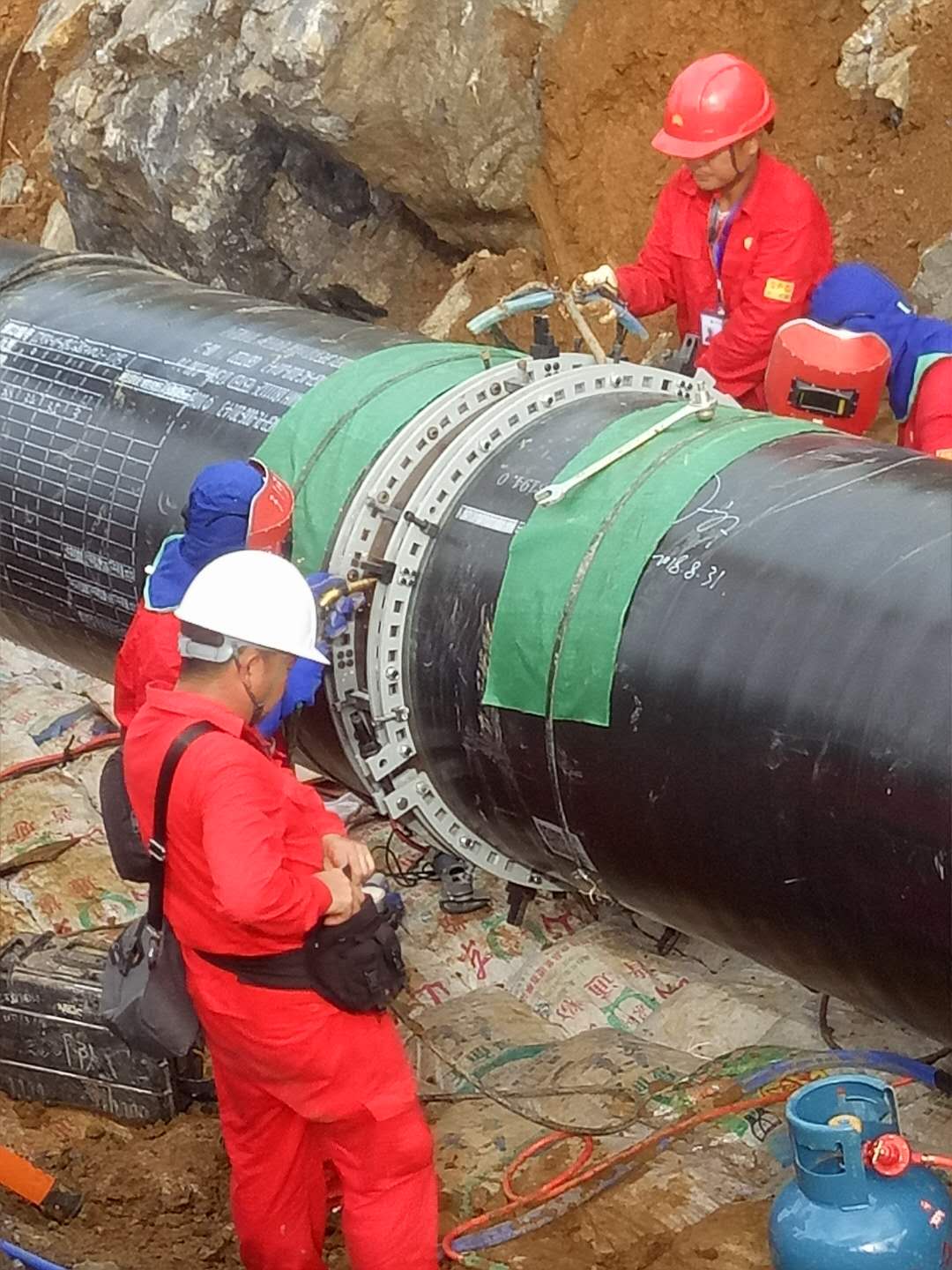
Common Pipeline Issues
Working with pipelines in oil and gas is hard. There are many problems you must solve fast. If you do not fix them, your work can be unsafe. Some common issues are:
- Corrosion and wear slowly harm pipes. The metal breaks down from things inside and outside the pipeline.
- Pressure changes can cause quick damage. If pressure goes up or down too fast, cracks or leaks can happen.
- Soil and weather can make pipelines weaker. Heavy rain, moving ground, or hot and cold days can cause trouble.
- You must follow strict rules to keep everyone safe.
You also need to look out for:
- Corrosion, which makes pipes weaker over time.
- Third-party damage, like when workers hit a pipeline by mistake.
- Material and weld defects, which can start when the pipeline is built.
- Operational errors, which happen when people make mistakes.
Note: Most pipeline failures in oil and gas come from corrosion. Internal corrosion can cause big problems for people, nature, and your business.
| Evidence Type | Details |
|---|---|
| Corrosion Statistics | Most pipeline failures in oil and gas are caused by corrosion. |
| Internal Corrosion | More than half of corrosion failures happen inside the pipe. |
| Risk Assessment | Operators must check risk using past incident data. |
| Remediation Requirement | Operators must fix pipeline parts with similar corrosion problems. |
| Consequences of Failure | Internal corrosion can cause huge failures that hurt safety and nature. |
Safety and Efficiency Needs
You must keep pipelines safe and working well. This protects people and nature. The oil and gas industry needs you to check pipelines often and keep records. Here are some important steps:
- Routine checks help you find corrosion, leaks, and other issues early.
- Hydrostatic testing checks if a pipeline can handle high pressure.
- Corrosion protection, like coatings, keeps pipes strong.
- Mechanical repairs make sure valves and pumps work right.
- Good records help you follow the rules.
Accurate data helps you meet safety standards and manage risks. You need to check your pipeline often and fix problems fast. Federal rules, like 49 CFR Part 192, tell you what to do to keep pipelines safe. You must also make plans to manage risks and keep your pipeline in good shape.
Induction Heating in Pipeline Maintenance
Induction Heating Principles
Induction heating helps make pipeline work safer and faster. It sends electromagnetic energy into the metal pipe. This energy makes eddy currents inside the pipe. The currents heat the metal quickly and evenly. Magnetic materials get extra heat from their moving magnetic parts.
Here is a table that explains the main ideas of induction heating:
| Principle/Factor | Description |
|---|---|
| Energy Transfer | Electromagnetic induction puts energy into the pipeline metal. |
| Eddy Currents | Currents inside the metal make heat through resistance. |
| Hysteresis Losses | Magnetic materials heat up as their magnetic parts move. |
| Key Factors | Power, size, shape, material, and how well the coil fits the pipeline. |
Induction heating lets you control the temperature very well. Canroon’s systems help you set the exact heat you need. The system keeps the temperature steady every time. You do not worry about overheating or cold spots. This makes welds stronger and repairs last longer.
Comparison with Traditional Methods
Old heating methods, like gas torches or resistance blankets, waste energy and take longer to heat pipes. You may face safety risks from open flames or hot surfaces. Induction heating is different. It is much more efficient. Up to 95% of electricity turns into heat. Gas heating only gets about 60% efficiency. This saves energy and money.
You also get these benefits:
- You only heat the part of the pipeline you need. The rest of the pipe stays cool and safe.
- The system heats up fast. You spend less time waiting for the right temperature.
- You avoid open flames, so your work area is safer and cleaner.
- You can use induction heating with automated tools. This helps you finish jobs faster and with fewer mistakes.
Canroon’s induction heating systems give you more control. You can program the temperature and time for each job. The system uses energy only when needed. Advanced controls adjust power in real time, so you do not waste heat. You get a tough, ductile weld area and fewer repairs.
Tip: Induction heating makes quick and focused heat. The hottest spots are where the magnetic field is strongest. You can focus heat exactly where you need it. There is less risk of hurting nearby areas. Thin parts heat up quickly. The heat does not spread far. This keeps the heat-affected zone small and protects the pipeline.
If you want your pipeline safe, strong, and efficient, induction heating is the best choice. You get better results, lower costs, and a safer work site.
Induction Heating Techniques
Preheating Applications
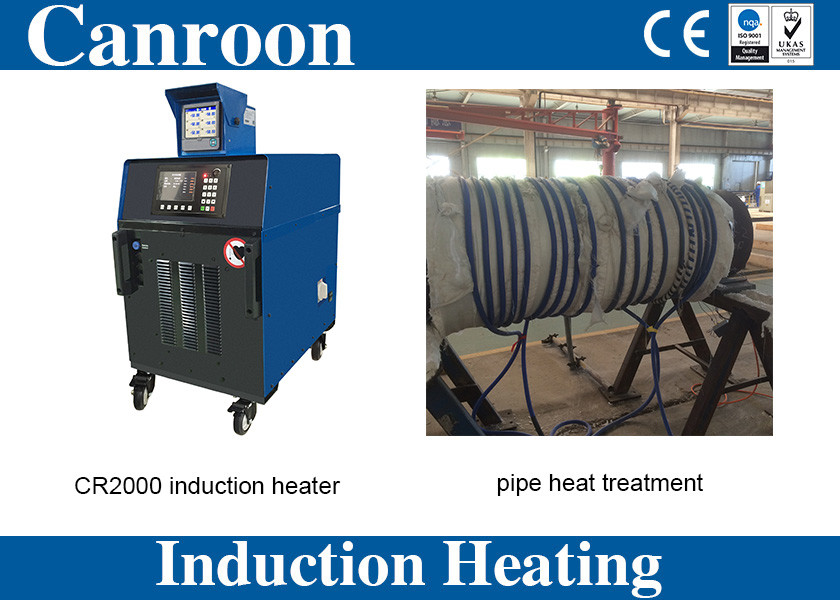
Induction heating makes pipeline work safer and more dependable. You use induction preheating to get pipes ready for welding. This keeps the metal warm before you weld steel pipes. It helps stop cold cracks and keeps welds strong.
When you preheat before welding, you get many benefits. You keep oil pipelines safe to use. You lower risks when fixing pipelines. You help pipelines last longer. You save energy and make things more reliable. You also heat quickly and protect nature.
Induction heating keeps the heat even during welding. This lowers the chance of cracks and keeps the metal strong. You can control the heat well and warm up pipes fast.
You set up insulation and cables without trouble. The setup takes less than 15 minutes. Operators can change the system fast. Induction heating keeps the right preheat level. You do not need to stop oil or gas flow. Air-cooled induction blankets heat pipe areas for epoxy coating to cure. This step helps stop corrosion when you fix pipes. You can work on pipelines while they are still running.
Tip: Induction heating lets you work faster and safer. You keep the pipeline running while you get ready to weld.
Stress Relieving Methods
Induction heating helps take away stress in pipelines after making or welding them. This method lowers stress that builds up during forming or welding. You get even heat without big insulation or long waiting times. Induction heating works well for big or long pipelines. Old methods may not work for these sizes.
In high-pressure steam lines or hydrocracker pipes, you need heat to go deep. The pipe wall can be over two inches thick. Induction heating lets both the inside and outside get hot enough at the same time. You do not have the problems of old heating tools.
Thick pipes need careful heat control. Ceramic heaters may not keep the right heat difference. Induction heating makes sure both sides of thick pipes get hot enough. This keeps the pipeline strong and safe.
Note: Induction heating makes weld stress relief better. You avoid uneven heat and lower the chance of problems.
Post-Weld Heat Treatment
Induction heating is used after welding to make pipelines stronger. This step helps remove leftover stress and makes the weld area tougher. You set up the system fast and reach the right heat quickly. You spend less time with the plant shut down and finish jobs sooner.
Induction heating gives even heat and keeps things safe. You do not use open flames and it is easier to follow safety rules. You meet industry standards with less trouble. For example, you can cut the time to weld a 48-inch pipe from 11.5 hours to 5.5 hours. This means you work 52% faster. You also get better safety than with old heating ways.
You trust induction heating for post weld heat treatment because it is quick to set up and heats up fast. You keep pipelines safe and working well. Canroon’s know-how helps you get steady results and good performance.
Callout: Induction heating saves time and boosts safety. You finish post weld heat treatment faster and keep your pipeline in great shape.
Induction Heating Benefits
Safety Advantages
You want your pipeline work to be safe. Induction heating helps you stay safe. This method does not use flames or hot tools. You do not have to worry about sparks or fire. This is important in oil and gas places. Induction heating also stops hydrogen from forming during repairs. This makes your job even safer. You have fewer risks than with old heating ways.
- Induction heating is safer than other heating methods.
- It lowers the dangers of old heating methods.
Tip: You can use induction heating in places that might explode. This keeps your team and the pipeline safe.
Energy Efficiency
Induction heating saves you time and energy. One oil pipeline company in North America changed from propane torches to induction heating. The repair time for encirclement sleeves went from twelve hours to four hours per weld. For STOPPLE fitting repairs, the time dropped from eighteen hours to seven hours per weld. This means you finish jobs faster and use less energy.
Here is a table with real results from oilfields:
| Location | Old Preheating Time | New Preheating Time | Steam Saved (tons) | CO2 Reduced (tons) |
|---|---|---|---|---|
| Xinjiang Fengcheng Oilfield | 320 days | 163 days | 37,900 | 4,846.6 |
| Bagwala Oilfield | <20 barrels/day | 40-50 barrels/day | N/A | N/A |
You can see that induction heating saves energy and helps make more oil. You also make less pollution.
Precision and Environmental Impact
Induction heating gives you good control. You only heat the part of the pipeline you need. The rest of the pipe stays cool and safe. Induction heating does not make smoke or exhaust. You do not put bad gases in the air. Your work area stays cooler and cleaner.
- Induction heating does not make emissions, so it is cleaner for oil and gas work.
- You help the environment by making less pollution.
- Workers breathe better air and stay healthier.
Note: When you use induction heating, you keep your pipeline and the planet safe.
Induction heating helps pipelines stay strong and work well. Canroon’s technology lets you heat oil and gas pipelines exactly right. This means you spend less money fixing things and pipelines stop working less often. You keep pipeline joints safe and put on coatings that last a long time. Oil and gas work becomes safer and runs better. More companies are starting to use induction heating because it is fast and accurate. Many oil and gas companies pick these systems for tough places. You get ready for a time when pipeline maintenance uses smart heating solutions.
FAQ
What makes induction heating safer for pipeline work?
You do not use open flames or hot tools. This means there is less chance of fire. Your team and equipment stay safer. You can work in places where explosions could happen. Everyone is safer with induction heating.
How fast can you set up induction heating equipment?
Most induction heating systems are ready in under 15 minutes. You can move cables and insulation fast. You start heating right away. This helps you save time and keeps your project on track.
Can you use induction heating on pipelines that are still running?
Yes, you can heat pipelines while oil or gas is moving inside. You do not have to stop the pipeline. This means you can fix or coat pipes without stopping the work.
Does induction heating help reduce energy costs?
Induction heating uses electricity in a smart way. You only heat the part you need. You use less energy and finish faster. This lowers your energy bills and helps the environment.