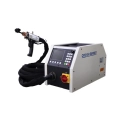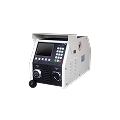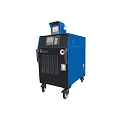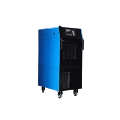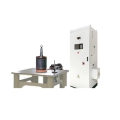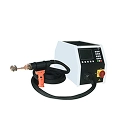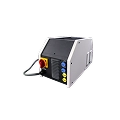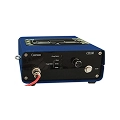



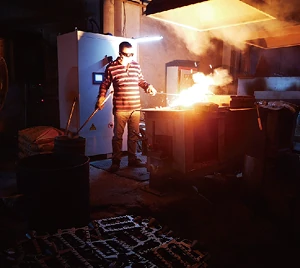
Induction forging heats metal with electromagnetic induction before shaping. The heating is fast and exact, and there are no open flames. This makes induction forging safer and cleaner than old forging ways. You can control the process well, so the quality gets better. Manufacturers and engineers like this method because it saves energy and cuts down on waste. Canroon is a top company with new induction forging solutions.
Induction makes forging work safer and more efficient.
Key Takeaways
- Induction forging heats metal fast and accurately with electromagnetic induction. It is safer and cleaner than old ways of heating metal. This process saves energy and cuts down on waste. It makes strong metal parts that are always high quality. Induction forging works very well and uses up to 90% of energy. Gas furnaces only use about 30–60% of energy. Many industries use induction forging, like car, airplane, and tool making. It can work with many metals and different part sizes. Canroon gives advanced induction forging solutions. These solutions help make work safer, more efficient, and better for the environment.
Induction Forging Basics
What Is Induction Forging?
Induction forging is used to heat metal fast and shape it with great accuracy. The process heats the metal from inside using induction. There are no open flames or touching the heat source. Induction forging is different from old forging because you get more control and better results.
Here are the main ideas that make induction forging special:
- The metal heats up quickly and right where you want it. This saves energy and lets you make more parts faster.
- The heat spreads evenly, so you can keep the temperature just right. This helps make strong metal parts that last a long time.
- The metal does not get as dirty or rusty because heating is quick and focused. The surface stays cleaner, and you do not need extra cleaning steps.
Induction forging helps save time, energy, and money. Canroon is a leader in this area and gives you new ways to get the best results.
How Induction Heating Works
Induction heating uses electromagnetic induction to warm up metals. You put the metal part inside a coil. The coil has electric current that goes back and forth. This makes a changing magnetic field around the metal.
Here is what happens inside the metal:
- The magnetic field makes electrons move in circles. These are called eddy currents.
- The metal fights these currents, which causes friction and heat. This is called Joule heating.
You can change the temperature by adjusting the power and frequency. This lets you heat only the part you want, and you can do it very quickly.
Let’s see some of the biggest improvements in induction forging in the last ten years:
| Advancement | Description |
|---|---|
| Precision | You can control the heat better, so your parts have the exact shape you need. |
| Efficiency | You heat only what is needed, so the process is faster and you make more parts. |
| Energy Savings | You use less energy because you do not waste heat, which saves money. |
| Reduced Material Waste | You use less material by heating only the right spots, which saves money and resources. |
Canroon uses these new ideas to help you make your forging better. Their equipment gives you results that are reliable, fast, and high quality.
Induction Forging Process
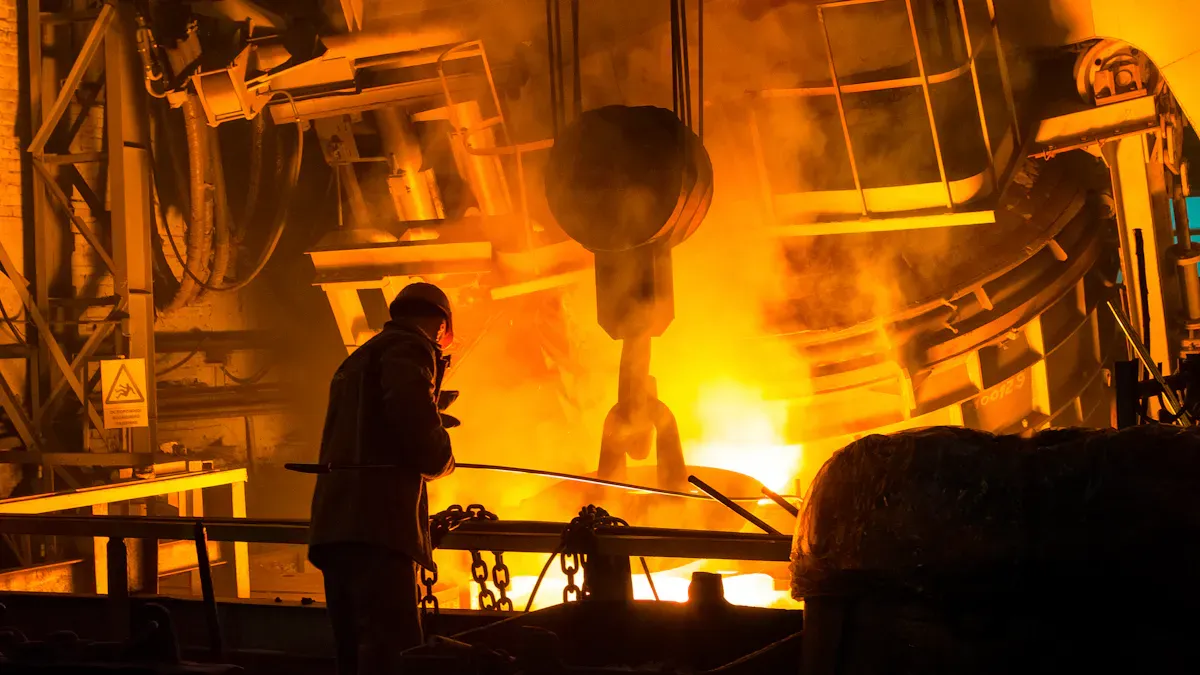
Preparing the Metal
You begin by getting the metal ready. This step helps make sure the metal can be shaped well. Here is what you do:
- Use an induction heater to warm the metal. The metal heats up fast and reaches the right temperature. You do not need open flames, so the surface stays clean.
- Put the hot metal on an anvil. Then, use a hammer or press to shape it. The metal stays strong and does not get weak.
- Cool the shaped metal in water or oil. You can also let it cool in air if you do not want it to get hard.
Tip: Induction forging does not use extra oxygen. This keeps the surface cleaner and stops oxidation.
Induction Heating Steps
Induction heating is the main part of induction forging. You use electromagnetic induction to heat the metal fast and evenly. You can control the heat very well. The coil makes a magnetic field, and the metal heats from inside.
| Heating Step | Temperature Range (°C) |
|---|---|
| Initial Heating | 1040–1060 |
| Forging Temperature | Specific range needed |
You change the power and frequency to get the right temperature. Fast heating saves energy and cuts down waste. You only heat the part you need, so it works efficiently.
Forging and Shaping
After heating, you start shaping the metal. You use a press or hammer to form it. Induction forging gives you more control and better results than old methods.
| Feature | Chauffage par induction | Traditional Heating |
|---|---|---|
| Efficiency | 85–95% | 30–60% |
| Heat Loss | Minimal | Significant |
| Control of Heat | Precise | Less precise |
| Quality of Forged Parts | Consistent and uniform | Variable |
| Waste Material | Less | More |
| Safety | Safer, no flames/smoke | More hazardous |
You get parts that are strong and uniform. There is less waste. The work area is safer because there are no flames or smoke.
Cooling and Finishing
After shaping, you cool and finish the metal parts. You can use water, oil, or air to cool them. Protective coatings help stop oxidation and decarburization. These coatings keep the surface clean and make the parts better.
Note: Always check the temperature while cooling. If you do not control it, you might have problems like tool failure or carbides not dissolving.
You put coatings on the metal during cooling to protect it. This step keeps the forged parts strong and looking good. You avoid surface problems and get reliable parts.
- Some challenges in cooling and finishing are:
- Carbides not dissolving can cause tool failure.
- You must check and control the temperature carefully.
- Change your heating plan if you see issues.
Induction forging is a fast, efficient, and safe way to shape metal. You get high-quality parts with less waste and cleaner surfaces. You do not need extra oxygen, so you avoid oxidation and save energy.
Equipment and Selection
Induction Power Supply
You need the correct power supply for induction forging. The power supply sends high-frequency electric current to the coil. Most equipment uses a frequency between 1 kHz and 100 kHz. Some machines work as low as 50 Hz or as high as 200 kHz. The power can be just a few kilowatts or many megawatts. Pick the power supply based on the metal’s size and type.
Coil Design and Size
The coil is very important in induction heating. The coil’s shape and size change how the magnetic field heats the metal. If you use the right coil shape, the metal heats evenly and saves energy. The number of turns and spaces in the coil control how deep the heat goes. Most coils are made from pure copper for good electricity flow. You must keep the coil cool so it works well.
Cooling Systems
Cooling systems keep induction equipment safe and working right. They stop the coil and other parts from getting too hot. Water or special liquids move through the coil and parts. This keeps the temperature steady and stops damage. You should check the cooling system often to make sure it works.
Choosing the Right Equipment
You need to think about many things when picking induction heating equipment. Here are some important things to check:
- Make sure the power matches the heat you need.
- Pick the right frequency for good heat depth.
- Think about what materials you will use.
- Use the newest technology in your system.
- Match the inductor design for the best results.
- Use magnetic flux concentrators to help performance.
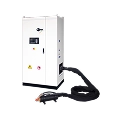
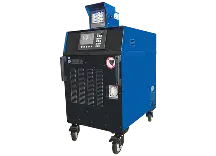
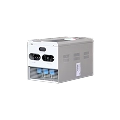
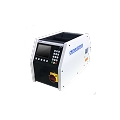
Canroon has advanced induction heating equipment with smart controls, good cooling, and custom coil designs. You get equipment that fits your needs and makes forging better.
| Component | Description |
|---|---|
| Machine de chauffage par induction | Makes high-frequency currents for good control. |
| Inductor Coil | Goes around the workpiece and makes the magnetic field for heating. |
| Système de refroidissement | Keeps the coil cool and stops overheating. |
| Control Panel | Lets you set heat levels and watch the temperature. |
| Power Supply | Changes electricity into the right frequency and voltage. |
| Temperature Sensors | Checks the workpiece temperature for good control. |
| Feeding and Drive System | Moves bars or workpieces into the coil for heating. |
Pick equipment that matches your goals and the materials you use. The right induction heating equipment helps you make strong parts with less waste and more safety.
Advantages of Induction Forging
Efficiency and Precision
Induction forging helps you heat metal fast and save energy. It is much more efficient than gas furnaces. Induction forging can reach up to 90% efficiency. Gas furnaces only reach about 30 to 60%. This means you use less energy and lose less heat. Induction heating warms tools from below 200 °C to working heat in just 5 to 10 minutes. Old forging methods take over 20 minutes. You spend less time waiting and more time making parts.
| Heating Method | Efficiency (%) | Key Advantages | Key Disadvantages |
|---|---|---|---|
| Chauffage par induction | 85–95 | High efficiency, minimal heat loss | Higher initial costs |
| Gas Heating | 30–60 | Lower installation costs | Significant heat loss, lower efficiency |
Induction forging lets you control the temperature very well. You can shape metal parts with the same quality every time. You control how the heat spreads and how hot it gets. This means your parts always match your design. In the aerospace industry, induction forging helps make turbine blades with special shapes.
Efficient heating and good temperature control help you make quality parts every time.
Safety and Environment
Induction forging makes the workplace safer. There are no open flames or hot surfaces. This lowers the chance of accidents. Induction heaters do not make smoke or fumes. The air stays clean. You do not have fire risks because there is no fire.
Induction forging is also better for the environment. It can be up to 90% energy efficient. It does not make direct CO2. Gas and oil furnaces release harmful gases. Induction forging does not make smoke or emissions. This helps keep the air clean and lowers your carbon footprint.
- Induction forging does not need extra oxygen.
- You avoid rust and keep surfaces clean.
- You protect workers and the environment.
Application Flexibility
You can use induction forging in many industries. You can heat and shape many kinds of metals. You can change the process for each job. Induction lets you control the heat and how fast you heat things. You can make parts for cars, airplanes, and tools. You can work with small or big batches. Induction forging can fit what you need.
Induction forging gives you fast heating, safety, and flexibility for today’s factories.
Induction Forging vs. Traditional Forging
Heating Methods
There are different ways to heat metal for forging. Traditional forging uses gas furnaces or ovens that burn fuel. These furnaces take a long time to get hot. You cannot turn them on or off quickly. They must stay on for hours, even if you do not need them. Induction heating is not the same. It gives you heat right when you want it. You can start or stop it fast. Induction heating gets very hot in seconds and is very exact.
- Gas furnaces take a long time to warm up.
- Induction heaters heat metal much faster.
- Traditional ways use gas or fuel, but induction uses electromagnetic energy.
- Induction heating keeps heat loss low and heats metal evenly, so there is less waste.
Process Efficiency
You want your forging to work well and not waste energy. Induction forging works at 85–95% efficiency. Gas furnaces only reach 30–60%. Induction heating lets you heat just the part you need. This saves energy and makes less scrap. You also get the same results every time. Traditional forging loses a lot of heat to the air. This makes it less efficient and can cause uneven heating.
Induction forging helps you control temperature and quality better. You can make more parts in less time.
Cost and Maintenance
When picking equipment, think about cost and how hard it is to fix. Induction forging machines cost more at first, but you save money later. You use less energy and do not need as many repairs. Maintenance is easier because induction systems have fewer moving parts. Traditional forging machines need more care. Gas furnaces and ovens break down more and need fixing.
Here is a simple chart:
| Equipment Type | Energy Efficiency | Maintenance Requirements | Productivity Enhancement |
|---|---|---|---|
| Induction Forging | High | Lower | Enhanced |
| Traditional Forging | Low | Higher | Standard |
Induction forging is much more efficient than old ovens. You get more work done and spend less money over time.
Applications
Automotive and Aerospace
Induction forging is used a lot in cars and airplanes. Car makers use induction to make important parts like crankshafts and connecting rods. These parts need to be strong and not break. Induction also helps make gears, shafts, and stampings from metals like steel, aluminum, titanium, and copper. This makes the parts work better and last longer.
In airplanes, induction forging makes turbine blades, landing gear, and other strong parts. These parts must handle tough jobs and lots of pressure. The table below shows some parts made with induction forging in airplanes:
| Application | Description |
|---|---|
| Turbine Blades | Parts that can take a lot of heat and stress. |
| Landing Gear | Strong pieces that help planes land safely. |
| Structural Components | Exact parts that give strength and do not break easily. |
Canroon’s CR2100 machine helps car factories heat gears faster. Workers say they can control the process better and use 25% less energy. The machine does not break down much, so you do not have to fix it often. Canroon’s technology gives you speed, accuracy, and good support.
Tools and Hardware
Induction forging is used to make many tools and hardware. You can make metal parts, billets, bars, and bar ends this way. It works with aluminum, brass, copper, steel, and stainless steel. Induction makes the surfaces clean and the shapes strong. The tools last longer and work well.
- Metal parts
- Billets
- Bars
- Bar ends
- Parts made from many metals
Induction forging helps you make tools quickly and with less waste.
Industrial Use Cases
Many industries use induction forging. It heats metals fast and evenly, so you save time and energy. You get the same quality every time because you control the temperature. This process makes less scrap and stops metal from bending wrong. Your workplace stays safe and clean.
- Aerospace: Strong parts for engines and landing gear
- Automotive: Engine, transmission, suspension, and steering parts
- Energy: Equipment for oil, gas, and power plants
- Medical: Implants for bones and tools for surgery
- Mining: Drill bits, pumps, and machines for moving rocks
Induction forging helps you work faster and spend less money. You do not have to worry about fire or bad fumes. Canroon’s solutions help you get better results in every industry.
Induction forging gives you strong parts for many uses. You save energy, make less waste, and keep your workplace safe.
You now know how induction forging works and why it is important. This process heats metal fast and shapes it very accurately. There are many good things about it:
- You can make more parts in less time.
- It helps you save money.
- The parts you make are high quality.
- You can shape metal exactly how you want.
- It uses less energy.
- You waste less material.
- You can use it in many different industries.
Canroon is a top company in induction forging. They give you ways to save energy, work faster, and keep your workspace safe.
| Benefit | Description |
|---|---|
| Energy Efficiency | Uses less energy but still gets good results. |
| Quick Heating | Heats metal fast, so work goes quickly. |
| Workflow Flexibility | Works for both big batches and small jobs. |
| Safety and Cleanliness | Keeps the workspace clean and safe while working. |
If you want to do better in making things, induction forging gives you what you need to win.
FAQ
What metals can you use with induction forging?
You can use steel, aluminum, copper, brass, and titanium. Induction forging works with many types of metal. The parts come out strong and the surfaces stay clean.
Is induction forging safe for workers?
Induction forging makes your workspace safer. There are no open flames or bad fumes. This lowers the chance of burns or accidents.
How fast does induction forging heat metal?
Induction forging heats metal in seconds or minutes. It is much faster than gas furnaces. You save both time and energy.
Can you control the temperature during induction forging?
You can control the temperature easily. You set the power and frequency. This gives you the right heat for every job.
What industries use induction forging?
| Industry | Common Parts |
|---|---|
| Automotive | Gears, shafts |
| Aerospace | Turbine blades |
| Tools | Wrenches, hammers |
Induction forging is used in many industries. It helps make parts that are strong and last a long time.