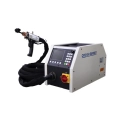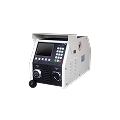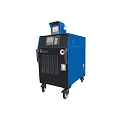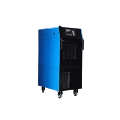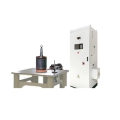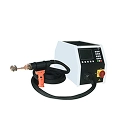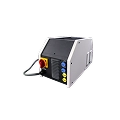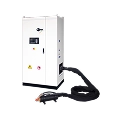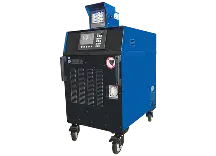




You will see that the best induction heating equipment depends on what you need. Air cooled models are simple and cost less money. Water cooled models cool better and get rid of heat faster. Here is a quick comparison:
| Feature | Air Cooling | Water Cooling |
|---|---|---|
| Cooling Method | Simple and not expensive | Works better and cools more |
| Efficiency | Not as good | Works better |
| Maintenance | Needs less checking | Needs to be checked often |
| Environmental Impact | Hurts the environment less | Uses more water |
You should pick based on what you do, where you work, and how much you can spend. Canroon has both types to help you.
Key Takeaways
- Pick air-cooled induction heating for small projects. It is simple to use and move around.
- Use water-cooled induction heating for big jobs. It can handle high heat and long hours.
- Think about how much care each system needs. Air-cooled systems need less care than water-cooled ones.
- Look at your budget. Air-cooled systems are cheaper at first, but water-cooled systems save money later.
- Make sure your equipment fits your work area. Air-cooled systems work best in cool and dry places.
Air Cooled Induction Heating Equipment
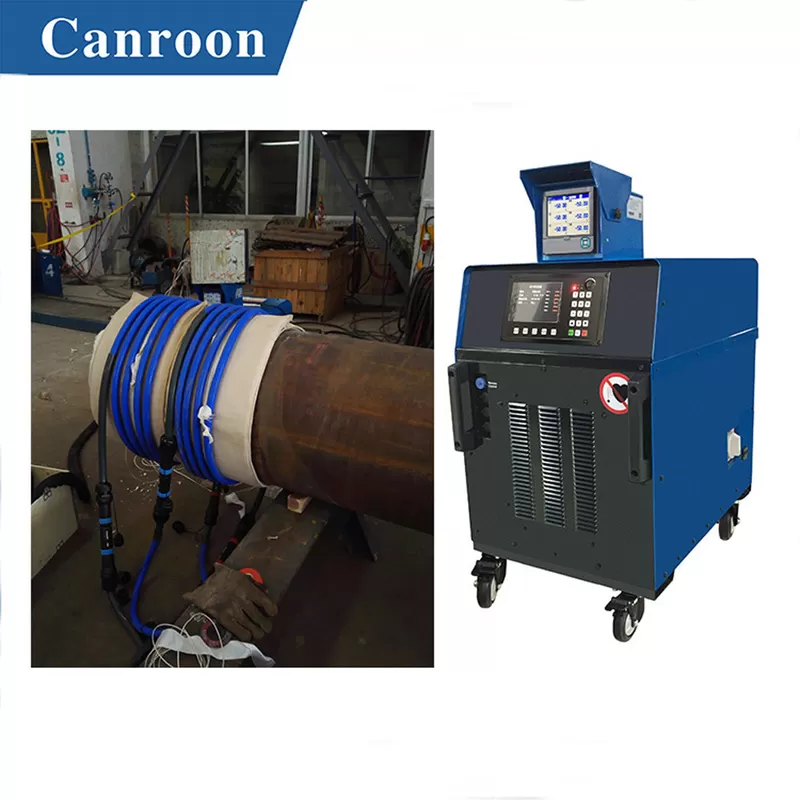
Caractéristiques
Air-cooled induction heating equipment has many helpful features. You do not need a water cooling system for it. This makes it easy to set up and move around. You can use it for jobs under 500°F (260°C). Fans help keep the unit cool while it works. You can use a 5-inch LCD touch screen to control it. The screen lets you pick programs and set the temperature. You can also check if the system is working well.
Here is a table that lists the main features of air-cooled induction heating equipment:
| Feature | Description |
|---|---|
| No water cooling system | Good for low temperature jobs up to 500°F/260°C |
| LCD screen | 7” display with programs, temperature control, and system checks |
| Modular system | Easy to fix and take care of |
| Load impedance matching | Works with many coils and loads |
| Automatic frequency scanning | Changes settings for different jobs |
| Safety features | Has built-in safety and system checks |
| Output regulation | Controls voltage, power, and current |
| Compact design | Small size and fans turn on by themselves |
| User controls | Pick automatic, remote, or local control |
| Programmable parameters | Set up many user programs |
| Contrôle de puissance | Change power from 1% to 100% |
| Advanced options | Has temperature checks and saves data |
Canroon has air-cooled induction heating equipment for many needs. You can count on Canroon for easy and reliable heating equipment.
Note: Air-cooled induction heating equipment cannot handle very high heat. It may not work as well for heavy-duty jobs.
Applications
Air-cooled induction heating can be used for many jobs. It is good for heating small parts and taking out bolts. You can also use it for shrinking fittings. It works well in repair shops and small factories. It is also good for jobs at different sites. Air-cooled induction heating is a smart choice if you want something simple and easy to move. You do not need to worry about water or leaks. This makes it safe and easy to use in many places.
If you need to heat big parts or use the system for a long time, you should think about water-cooled induction heating equipment. Air-cooled induction heating is best for light or medium jobs.
Water Cooled Induction Heating Equipment
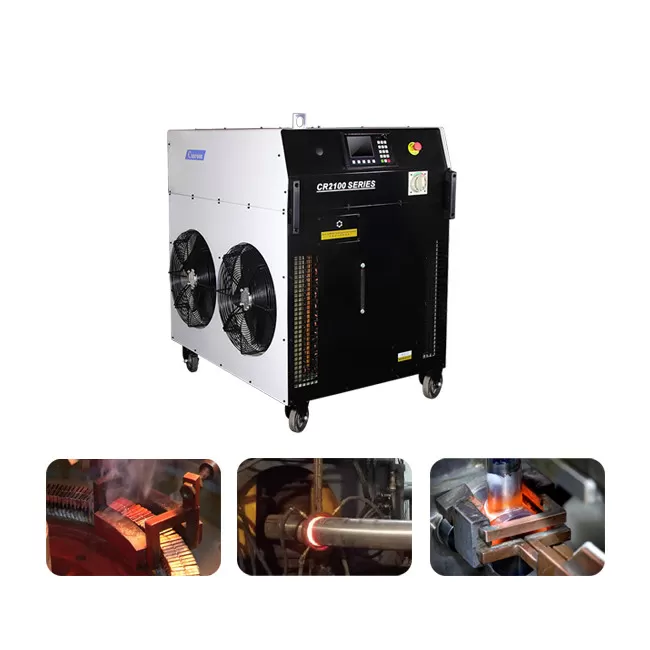
Caractéristiques
Water-cooled induction heating equipment is strong and works well for hard jobs. You can use it to heat big parts or reach very high temperatures. Water-cooled induction heating uses water to cool the coils and electronics. This keeps the system from getting too hot and lets you use it longer. You can get temperatures over 2000°C, which is much hotter than air-cooled systems.
Water-cooled induction heating equipment has special coil designs. Makers build the coils from solid copper and add cooling passages. These passages let water move through the coil and take away heat fast. The size and shape of the passages help the coil last longer and work better. Power supplies and thermal transfer improvements make heating steady and dependable.
Here is a table with the main features of water-cooled induction heating equipment:
| Feature | Description |
|---|---|
| Inductor Coil Design | Solid copper coils with cooling passages for better heat control |
| Cooling Water Passages | Sized and placed for good heat removal and longer coil life |
| Thermal Transfer | Improved power supplies and thermal transfer for steady performance in tough jobs |
| High Temperature Range | Can reach temperatures above 2000°C |
| Extended Operation | Keeps coil and electronics cool for long, high-power heating |
| Fast Heating | Water cooling lets the system heat up quickly and work more efficiently |
Canroon has water-cooled induction heating equipment for big industrial jobs. You can trust Canroon for strong equipment that handles hard work.
Applications
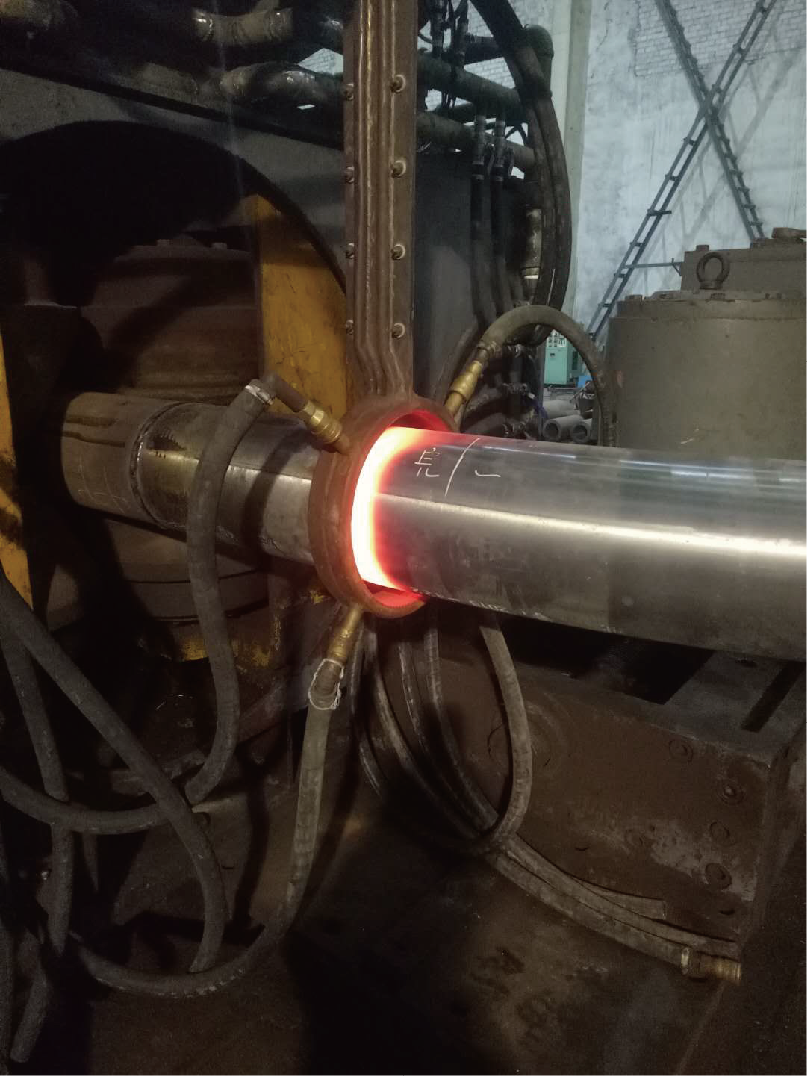
Water-cooled induction heating is used for many factory jobs. It works well for heating big metal parts, forging, hardening, and welding. You can use it for pipe bending and stress relieving too. Water-cooled induction heating is great for factories and workshops that need lots of power and long use.
- Water-cooled induction heating systems reach higher temperatures and heat faster.
- You can use them for jobs that need to run all the time and be very efficient.
- Water cooling helps you handle bigger loads and harder induction heating jobs.
If you need strong induction heating equipment for tough work, water-cooled induction heating gives you the power and efficiency you want.
Comparing Cooling Methods in Induction Heating Equipment
Efficiency
You want your induction heating system to work well and not waste energy. Water-cooled induction heating systems are more efficient. They can handle more power and keep the temperature steady. You can use them for big jobs that need strong heat. Air-cooled induction heating systems are better for smaller jobs. They do not cool as well, so they cannot handle a lot of heat. If you need to heat something fast and keep the system on for a long time, water-cooled induction heating is a better pick. Air-cooled systems are simple to use but may waste more energy.
Maintenance
You need to take care of your induction heating system so it works well. Air-cooled systems need you to check air filters and electrical parts. You clean them when they get dirty. Water-cooled systems need more care. You must do daily, weekly, or monthly checks. These systems use water, so you look for leaks and keep the cooling parts clean. Water-cooled induction heating systems work harder and need more attention. Air-cooled systems are easier to take care of but do not work as well for tough jobs.
| System Type | Maintenance Requirements | Key Characteristics |
|---|---|---|
| Air-Cooled | Needs regular checks of air filters and electrical parts; clean when dirty. | Low–medium power, used sometimes; sends heat to the air; not as good at cooling. |
| Water-Cooled | Needs careful and frequent checks; may have daily, weekly, or monthly tasks. | Medium–high power, used a lot; keeps temperature steady; cools better. |
Space and Installation
You need to think about space and how to set up your induction heating equipment. Air-cooled systems are smaller and easy to put in. You can use them in places with not much room. They are good for small or medium jobs. Water-cooled systems need more space. You must have room for a heat exchanger or chiller. These systems are more complicated and need a water supply. If you have a big factory or need to heat large parts, water-cooled induction heating is a good choice. Air-cooled systems are flexible and simple to set up.
| System Type | Space Requirements | Installation Requirements |
|---|---|---|
| Water-Cooled | Needs space for a big water-to-water heat exchanger or chiller for high power. | Needs a cooling system and enough power in the building. |
| Air-Cooled | Usually needs a small water-to-air heat exchanger for lower power. | Easier to install than water-cooled, but still needs power supply space. |
Tip: Air-cooled induction heating systems are easy to set up and take care of. Water-cooled systems are better for big jobs but need more space and planning.
Cost
You want to save money and get good value. Air-cooled induction heating systems cost less. They do not need extra cooling parts. You can use them for preheating jobs up to 400°F. Water-cooled systems cost more because you need water cooling equipment. They work for hard jobs and can reach up to 1,450°F. You pay more for water-cooled induction heating, but you get better results for tough jobs. Air-cooled systems are a smart pick for simple jobs and small budgets.
Environmental Impact
You care about the environment and want to use less energy. Induction heating uses electricity and does not burn fuel. Air-cooled systems use less water and have a smaller effect on the environment. They help you make less pollution and lower your carbon footprint. Water-cooled systems use more water and energy. They work better but may affect the environment more. Both types of induction heating help you save energy and cut down on pollution.
| Aspect | Description |
|---|---|
| Energy Efficiency | Induction heating wastes less energy, so you pay less to run it. |
| Emissions Reduction | Does not burn fuel, so it makes less harmful emissions. |
| Carbon Footprint | Helps you make less pollution and reach your green goals. |
Note: Induction heating equipment helps you protect the environment and reach your sustainability goals.
Pros and Cons Summary
Air Cooled
You can choose air cooled heating for many reasons. Here are the main pros and cons:
- You set up air cooled heating quickly. You do not need a water supply.
- You move this heating system easily from one place to another.
- You spend less money on this heating system. It costs less to buy and run.
- You do not worry about leaks or water quality.
- You use air cooled heating for small or medium jobs.
Note: Air cooled heating does not work well for very high temperatures or long jobs. The fans may not cool enough for heavy-duty work.
- You may see less efficiency with air cooled heating. The system cannot handle big loads.
- You may need to clean the air filters often.
Water Cooled
You use water cooled heating when you need strong power and high temperatures. Here are the main pros and cons:
- You get steady and fast heating for big jobs.
- You use this heating for long periods without overheating.
- You reach very high temperatures with water cooled heating.
- You can trust this heating for tough factory work.
- You need to check the water quality often. Good water keeps your heating equipment reliable.
- You may have problems if the water is dirty. Bad water can cause damage and may void your warranty.
- You spend more money on water cooled heating. The system needs more parts and space.
- You must check for leaks and keep the cooling system clean.
Tip: Water cooled heating works best for heavy-duty jobs. You need to care for the system to keep it running well.
Choosing the Right Induction Heating Equipment
Application Guidance
You need to match your induction heating system to your job. Start by looking at what you want to heat and how big it is. If you work with small or thin parts, an air-cooled induction heating system works well. For thick or large metal parts, you need a water-cooled induction heating system. Think about how often you use the system. If you need portable induction heating for quick jobs, air-cooled systems are easy to move. For high power induction heating in factories, water-cooled systems give you high efficiency and steady results.
Here is a table to help you choose:
| Factor | Air-Cooled | Water-Cooled |
|---|---|---|
| Workspace Size | Small, easy to move | Needs more space for tanks/pipes |
| Material Size | Thin or small parts | Thick or large metal parts |
| Maintenance | Simple, easy to clean | Needs water checks and cleaning |
| Water Supply | Not needed | Must have water |
You should also check the heating frequency, power, and coil shape. These affect how deep and fast the heat goes into your workpiece. Canroon offers induction heating systems with smart controls and many coil options for different industrial applications.
Environmental Factors
Your work environment changes how your induction heating system performs. Air-cooled systems depend on the air around them. If your shop gets hot or humid, these systems may not cool well. Water-cooled systems work better in tough conditions. Water takes away heat fast, so the system stays cool even when it is hot outside. Canroon’s induction heating systems work in extreme cold, down to -40°C, so you can trust them in any weather.
| Cooling System Type | Effect of Temperature and Humidity |
|---|---|
| Air Cooling System | Strongly affected by air temperature and airflow |
| Water Cooling System | Less affected, stays cool in most environments |
Tip: Pick a system that matches your shop’s temperature and humidity for the best heating results.
Budget Considerations
You want to get the most value from your induction heating system. Air-cooled systems cost less at first, about $250,000. Water-cooled systems cost more, around $340,000, but they last longer—up to 30 years. You spend less each year to run a water-cooled system, saving about $20,000 every year. By the fourth year, you can see a 23% return on your investment. Canroon’s induction heating systems give you rapid heating, safe operation, and high efficiency, so you save money over time.
- Air-cooled: Lower starting cost, shorter life, easy care.
- Water-cooled: Higher starting cost, longer life, lower yearly costs.
Note: Choose the induction heating system that fits your budget and job needs. Canroon can help you pick the right system for your work.
You should think about your work, how much money you have, and how much room you need before picking induction heating equipment. Here is a simple chart to help you:
| Factor | Air-Cooled | Water-Cooled |
|---|---|---|
| Cooling | Not as strong | Cools better |
| Cost | Costs more to use | Costs less to use |
| Installation | Easy to set up | Harder to set up |
| Maintenance | Simple to take care of | Needs more attention |
Canroon has models you can move and use in different places. You can talk to Canroon’s experts for help. They will help you choose the right system for your job.
FAQ
What is the main difference between air cooled and water cooled induction heating equipment?
Air cooled systems are good for small jobs. Fans blow heat away from the unit. Water cooled systems are used for big jobs. Water moves through coils to cool the system. Water cooled equipment can handle hotter temperatures and longer work times.
When should you choose air cooled induction heating equipment?
Pick air cooled equipment for light or medium jobs. It works well in small shops. You can move the system easily. You do not need a water supply. You save money on setup and care.
Why do factories prefer water cooled induction heating equipment?
Factories use water cooled systems for tough jobs. These systems get hotter and run longer without overheating. You get better efficiency and faster heating. Water cooled equipment is good for big production.
How much maintenance does each system need?
| System Type | Maintenance Level |
|---|---|
| Air Cooled | Low; clean air filters |
| Water Cooled | High; check water, clean pipes, watch for leaks |
You spend less time caring for air cooled systems. Water cooled systems need more attention.
Can you use induction heating equipment outdoors?
You can use both types outside. Air cooled systems work best in dry, cool air. Water cooled systems work better in hot or humid weather. Always keep your equipment safe from rain and dust.