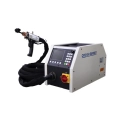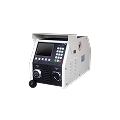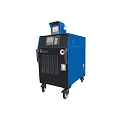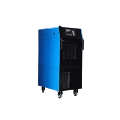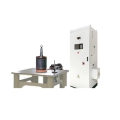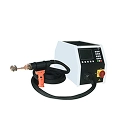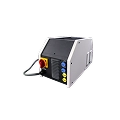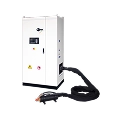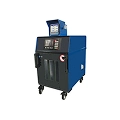





You may ask how an induction heater works. Induction heating uses a changing magnetic field. This makes metal parts heat up fast and safe. The process does not need direct contact. Only the metal gets hot. You will not burn things near the metal. Many industries use induction heating because it works well. It gives good control and is safe to use. Canroon is a trusted company for induction solutions.
Key Takeaways
- Induction heating warms metal fast and safe. It does not touch the metal.
- Eddy currents form in the metal. These currents make heat because of resistance. This makes induction heating work well and saves energy.
- The induction coil’s design matters a lot. Its shape and size change how energy moves to the workpiece.
- Induction heating can do many jobs. It is used for hardening, brazing, and melting metals. This makes it useful in many industries.
- This method is safe and clean. It lowers the chance of burns and fires. It also keeps the workspace tidy.
Induction Heating Principles
Electromagnetic Induction
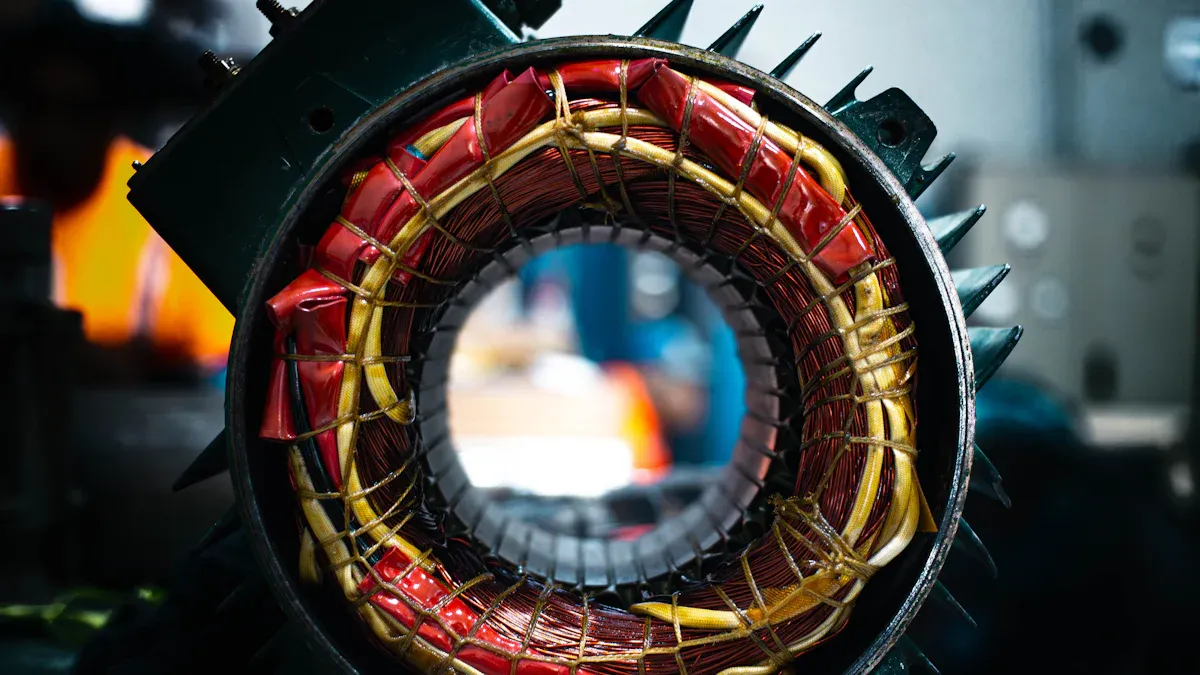
Induction heating happens because of electromagnetic induction. If you put a metal inside a coil with alternating current, the coil makes a changing magnetic field. This field goes around the metal and makes electric currents inside it. These currents are called eddy currents. You do not have to touch the metal for this to work. The process does not need contact, so it is clean and safe.
- The changing magnetic field creates eddy currents in the metal.
- These currents move through the metal and hit resistance.
- Resistance changes electric energy into heat.
- In some metals, the magnetic field moves tiny magnetic parts, which adds more heat.
Induction heating is useful for many jobs because it heats only the metal you want. This lets you control the process and saves energy. You can heat parts fast and stop when you reach the right temperature. The process does not waste heat on the air or things nearby.
Eddy Currents and Heat
Eddy currents are important in induction heating. When you put metal in a changing magnetic field, the field pushes electrons inside the metal. This makes loops of current called eddy currents. Faraday’s Law says a changing magnetic field makes these currents.
- Eddy currents flow in the metal and face resistance.
- Resistance makes the metal heat up. This is called Joule heating.
- The heat depends on how strong the current is and how much resistance the metal has.
- The formula is H = I²R, where H is heat, I is current, and R is resistance.
Induction heating is efficient. The heat forms inside the metal, so you do not lose energy. You can use induction heating for jobs that need speed and accuracy. The process works well for many kinds of metals and shapes.
Induction Heater Components
When you use an induction heater, you need three main parts. Each part has a special job in the heating process. These parts work together to make induction heating quick and effective.
Power Supply
The power supply is the main part of the induction heater. It turns normal electricity into high-frequency currents. These currents help make the magnetic field for induction heating. The way the power supply is built changes how well the heater works. Solid-state inverters help the heater use energy better. Impedance matching lets the power supply and coil work at the best level. The resonance tank keeps energy moving between the coil and capacitor at one frequency. This helps the heater work better.
Tip: For the best results, make sure your power supply matches the coil and workpiece.
Here is a table that lists the main parts and what they do:
| Component | Function |
|---|---|
| Power Supply | Changes AC to high-frequency DC for induction heating |
| Impedance Matching | Helps send power from supply to load |
| Resonance Tank | Moves energy at a set frequency |
| Induction Coils | Makes a magnetic field to heat metals |
Work Coil
The work coil makes the magnetic field for induction heating. You put the coil around or near the workpiece. The coil’s shape and material are important. Iron coils make strong magnetic fields and send power well. Stainless steel coils must fit close to the workpiece. Mild steel coils also work because they have good magnetic properties.
| Material | Properties | Effectiveness in Induction Heating |
|---|---|---|
| Iron | Ferromagnetic, strong magnetic link | Strong field, heats well |
| Stainless Steel | Slightly magnetic, high resistance | Needs close fit, heats from currents |
| Mild Steel | Good magnetic properties | Heats well |
Workpiece Materials
You can use many metals as workpieces in an induction heater. Some metals heat up faster because they have high magnetic permeability and medium resistance. Iron, carbon steel, and alloy steel heat up quickly. Copper, aluminum, and brass also work, but you need more power or higher frequency. Stainless steel, titanium, and graphite heat well with eddy currents.
| Metal Category | Key Properties | Primary Heating Mechanism | Common Examples |
|---|---|---|---|
| Excellent Responders | High magnetic permeability, medium resistance | Hysteresis + Eddy Currents | Iron, Carbon Steel, Alloy Steel |
| Good Responders | Not magnetic, low electrical resistance | Eddy Currents (needs higher frequency) | Copper, Aluminum, Brass |
| Specialized Responders | Low magnetic permeability, high resistance | Eddy Currents (very efficient) | Stainless Steel, Titanium, Graphite |
You can pick the right materials and parts to get the best results from your induction heater. Each part helps you control the process and makes heating safe and accurate.
How Induction Heater Transfers Energy
Magnetic Field Generation
First, you turn on the induction heater. The power supply sends alternating current into the coil. This current moves back and forth very fast. The coil acts like an electromagnet. It makes a magnetic field that changes quickly. The magnetic field spreads out from the coil to the metal workpiece.
- The induction heater uses an electronic oscillator to make high-frequency alternating current.
- The coil makes a magnetic field that changes quickly.
- The magnetic field goes into the conductive material.
- The changing field creates eddy currents inside the metal.
- These eddy currents meet resistance and make heat.
- Ferromagnetic materials make extra heat from magnetic hysteresis losses.
You do not need to touch the metal to heat it. The magnetic field does all the work. You can change the field’s strength by adjusting the current or frequency.
Energy Transfer Process
Energy moves in steps during induction heating. You can follow these steps to see how the heater works.
- Alternating current flows through the induction coil and makes an electromagnetic field.
- The electromagnetic field goes around the coil and reaches the metal workpiece.
- The changing field makes eddy currents in the workpiece.
- The eddy currents move in loops inside the metal.
- The metal resists these currents, so heat forms inside the workpiece.
- In ferromagnetic metals, the magnetic field also moves tiny magnetic parts, which adds more heat.
When you put metal inside the coil, the magnetic flux changes. This change makes eddy currents that flow the other way from the coil’s current. The eddy currents are strongest near the metal’s surface and weaker in the center. This gives fast and focused heating. The process works well for many metals and shapes.
Note: Induction heating lets you heat only the part you want. You save energy and do not heat things nearby.
Coil Design Impact
The coil’s design is very important in induction heating. You must think about the coil’s shape, size, and how close it is to the workpiece. The coil’s shape changes how the magnetic field spreads. It also changes how much energy goes into the metal.
- Coil shape changes how the magnetic field spreads.
- It affects how well energy moves from the coil to the workpiece.
- Heating evenness depends on the coil’s design.
- Power use is affected by the coil’s features.
- Designers look at coil size, spacing, current density, cooling needs, and electromagnetic coupling.
If you use a coil with more loops, you get a stronger magnetic field. The coil should fit the workpiece well for good energy transfer. You can use different coil shapes for different jobs. Flat coils heat surfaces. Round coils heat rods or pipes. You can cool the coil with water to keep it safe.
| Coil Feature | Effect on Heating |
|---|---|
| Number of Loops | More loops = stronger field |
| Coil Shape | Matches workpiece for best heating |
| Coil Spacing | Controls field strength |
| Sistema de refrigeración | Keeps coil safe and efficient |
You can change the coil’s design to get the best results. The right coil gives you fast, even, and safe heating.
Efficiency and Material Compatibility
Material Response
Different metals react to induction heating in their own ways. Some metals get hot fast. Others need more power or take longer to heat. How fast a metal heats up depends on what it is made of. Magnetic permeability and electrical resistance are important. Magnetic ferrite gets hot quickly at lower temperatures. Non-magnetic austenite heats up slower and needs more energy. Stainless steel and austenitic alloys heat at different rates. Their size and shape also change how fast they heat.
| Metal Type | Heating Rate (°C·s−1) | Maximum Achievable Temperature | Notes |
|---|---|---|---|
| Magnetic Ferrite | Up to 600 | Below Ac2 | Heats rapidly at lower temperatures. |
| Non-Magnetic Austenite | Slower than Ferrite | Above Ac3 | Requires more power for similar heating rates. |
| Stainless Steel (304) | Up to 480 | Varies with diameter | Larger diameter increases heating rate. |
| Austenitic 316 | Up to 572 | Achieved at 7.5 mm length | Maximum heating rate at specific size. |
You can use induction heating for many metals. You must pick the right settings for each one. If you choose the best frequency and coil design, you get good results.
Factors Affecting Efficiency
Many things change how well an induction heater works. You need to think about frequency, power, coil design, and what the metal is like. Induction heating sends energy straight into the workpiece. This means almost no energy is wasted on the air or furnace walls. Induction heating is much more efficient than old heating methods.
- Induction heating can turn up to 90% of energy into heat.
- You do not have to heat a whole chamber, so you save energy.
- Energy goes right into the metal, so there is little heat loss.
| Factor | Explanation |
|---|---|
| Frequency Selection | Operating below the critical frequency reduces efficiency due to eddy currents canceling each other. |
| Material Properties | High permeability materials improve heating efficiency due to hysteresis effects. |
| Coil Design | The coil’s diameter and number of turns influence efficiency. |
| Energy Transfer | The distance between coil and workpiece affects energy losses. |
The frequency of the power supply changes how deep the heat goes. Higher frequencies heat just the surface. Lower frequencies heat deeper inside the metal. Use high frequency for surface hardening. Use low frequency for deep heating.
Induction heating uses less energy than gas or resistance heating. It can be more than 85% efficient in many jobs. Gas heating is only about 40% efficient. Electric coils are about 71.9% efficient. This means you save money and energy with induction heating.
| Heating Method | Efficiency (%) |
|---|---|
| Induction | 70.7% – 81% |
| Electric Coil | 71.9% |
| Gas | 40% |
To get the best efficiency, match the coil design and frequency to the metal you are heating. This gives you fast, accurate, and energy-saving results.
Advantages and Applications
Benefits of Induction Heating
Induction heating has many good points. It works fast and gives accurate results. You can heat metal parts in a short time. The magnetic field heats only the spot you want. This means you do not heat the whole part. You can change power, frequency, and heating time. This helps you keep parts from bending and makes them better. Induction heating sends energy right to the workpiece. You waste less energy and save money.
- You get the same results every time. When you set the controls, the system keeps the heating steady.
- Induction heating keeps your workspace neat. There are no flames or smoke, so the air stays clean.
- You work safer. Induction heating removes open flames and hot parts, so burns and fires are less likely. Machines protect you from heat and accidents.
- Maintenance is simple. You do not need to change burners or heating parts. You only check coils and electronics, so repairs are easy and cost less.
- Induction heating helps the environment. You use less energy, make fewer emissions, and keep your workplace cleaner.
Induction heating lets you control the process well. You can meet strict quality rules. For example, you can harden steel bushings to the right hardness and depth. Each part takes only 20 seconds. This gives you high-quality parts and steady results.
Common Uses
Induction heating is used in many jobs and places. You see it in cars, planes, and factories. Here are some common uses:
| Application | Description |
|---|---|
| Hardening | You make metals harder and stronger by heating the surface. This is important for gears and shafts. |
| Annealing | You make metals softer and remove stress with quick, even heating. This makes metals work better. |
| Soldadura fuerte | You join metal parts by melting a filler. Induction heating makes strong bonds and does not hurt nearby areas. |
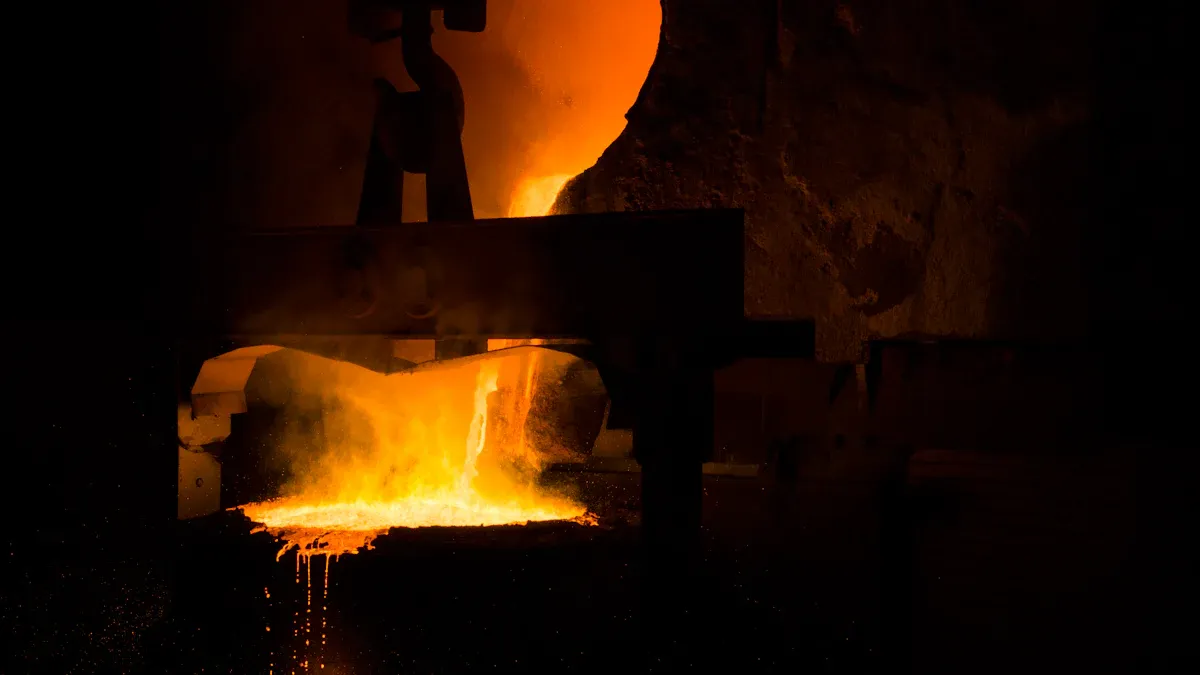
| Melting | You melt metals fast and evenly. Induction heating controls the temperature and keeps things clean. |
| Casting | You make castings with better quality and fewer mistakes. Induction heating speeds up work and helps metals cool evenly. |
Induction heating is also used in cooking, like induction stoves. These stoves heat pots and pans directly, so cooking is faster and safer. In cars, induction hardening makes gears and shafts last longer. Induction brazing joins brake parts and fuel injectors, making strong connections.
Induction heating keeps improving with new technology. Smart factories use control systems and sensors to watch the process. Energy systems help you save power and lower emissions. Induction heating makes factories safer, cleaner, and more efficient.
You have learned how an induction heater works. The system uses a magnetic field to heat metal fast and safely. You can control the process with special parts and settings. Induction heating saves energy and keeps your workspace neat. Many industries use this method for many jobs. The table below lists the main points:
| Key Point | Description |
|---|---|
| Heating Method | Uses a magnetic field to heat metal without touching it. |
| Heating Effects | Hysteresis and eddy currents make the metal hot. |
| Control | Skin effect lets you heat certain spots exactly. |
| Advantages | It is quick, efficient, clean, and safe. |
You can count on Canroon for good induction solutions.
Preguntas frecuentes
What materials can you heat with an induction heater?
You can heat metals like iron, steel, copper, aluminum, and brass. Induction works best with magnetic metals. Non-magnetic metals also heat up, but you may need more power or a higher frequency.
Is induction heating safe to use?
Yes, induction heating is safe. The coil does not get hot. Only the metal workpiece heats up. You avoid open flames and reduce the risk of burns or fire.
How fast does induction heating work?
Induction heating works very quickly. You can heat small parts in seconds. Larger pieces may take a few minutes. The process gives you fast and even results.
Can you control the temperature with induction heating?
You can control the temperature easily. Adjust the power and time to reach the exact heat you need. Sensors help you monitor and keep the temperature steady.
What are common uses for induction heaters?
You can use induction heaters for hardening, brazing, melting, and annealing metals. Many factories use them for making car parts, tools, and even for cooking on induction stoves.