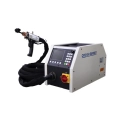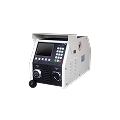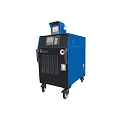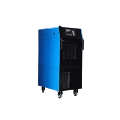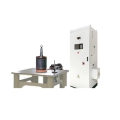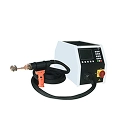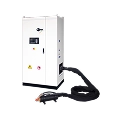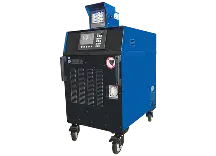





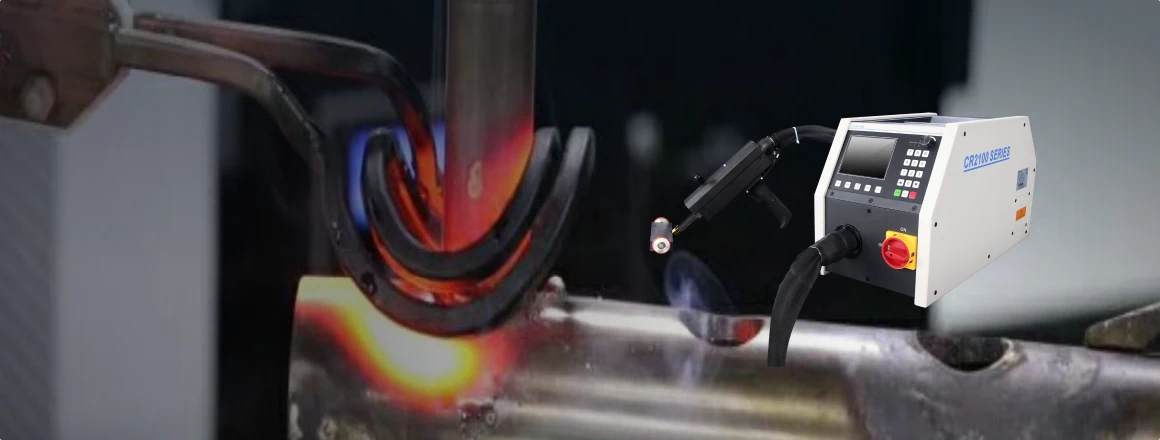
An induction brazing machine is an advanced metal joining solution that uses electromagnetic induction technology to provide accurate and controlled heating during the brazing process. Unlike traditional brazing methods that rely on flame or large external heat sources, an induction brazing machine generates heat directly inside conductive metal components through electromagnetic energy. This direct heating method allows manufacturers to control the heating area, temperature response, and energy input more precisely, which is essential for producing reliable brazing joints.
The precision of an induction brazing machine depends on several factors, including power output control, operating frequency, Calentamiento por inducción de frecuencia media, coil design, heating time, and process monitoring capability. During brazing, the base materials and filler metal must reach the correct temperature range to achieve proper bonding without causing excessive thermal impact. By accurately controlling these parameters, an induction brazing machine helps ensure consistent filler metal melting, uniform heat distribution, and stable joint formation.
For industrial manufacturers, selecting the right induction brazing machine requires understanding how the equipment controls the entire joining process rather than focusing only on heating speed. A properly configured Máquina de calentamiento por inducción can improve brazing quality, reduce production variations, and support repeatable metal joining operations. Through precise electromagnetic heating control, induction brazing technology provides an efficient solution for applications that require strong, clean, and reliable connections between metal components.
An Induction Brazing Machine Controls Heat Input for Accurate Brazing Results
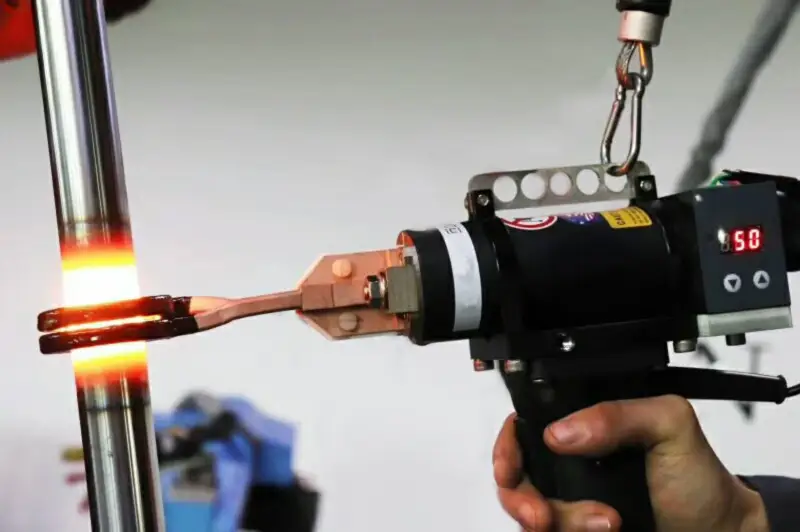
Heat input control is one of the most important factors that determines the precision of an induction brazing machine. During the brazing process, the amount of heat supplied to the workpiece directly affects whether the filler metal can melt and flow properly. Insufficient heat input may prevent complete bonding between metal components, while excessive heat may damage the base material, increase oxidation risks, or affect the final mechanical properties of the joint.
An induction brazing machine controls heat input by adjusting electrical parameters such as power output, current intensity, frequency, and heating duration. These adjustments allow operators to provide the required amount of electromagnetic energy according to the material characteristics and joining requirements. Compared with conventional heating methods, Máquina de calentamiento por inducción portátil solutions provide faster response and more accurate energy delivery because the heat is generated directly within the conductive workpiece.
Precise heat input control enables manufacturers to achieve more stable brazing results during industrial production. By maintaining suitable heating conditions throughout the process, an induction brazing machine reduces temperature fluctuations and improves joint consistency. This capability is especially important for applications requiring high-quality metal connections, where even small variations in heating conditions may influence product performance and reliability.
An Induction Brazing Machine Adjusts Power Output According to Brazing Requirements
The ability to accurately control power output is one of the most important features of an induction brazing machine. During the brazing process, Different metal components require different levels of heating energy depending on material type, joint structure, component thickness, filler metal characteristics, and related thermal processes such as Máquina de recocido por inducción applications. Instead of applying a fixed amount of heat throughout the process, an induction brazing machine allows operators to adjust electrical power output according to the specific requirements of each application. This controlled energy delivery helps ensure that the brazing area reaches the required temperature without unnecessary overheating of surrounding materials.
The power regulation capability of an induction brazing machine directly influences brazing quality and production consistency. Excessive heat input may cause oxidation, deformation, or damage to sensitive components, while insufficient heat may prevent proper melting and flow of the filler metal. By maintaining an appropriate power level, the machine provides a stable thermal environment that supports reliable metallurgical bonding between joined parts.
For industrial manufacturing, precise power adjustment also improves process repeatability. When multiple components require the same brazing operation, consistent energy output helps maintain similar heating conditions across different production cycles. This reduces quality variations and allows manufacturers to achieve more predictable joining performance. Therefore, accurate power control is a fundamental capability that enables an induction brazing machine to provide efficient and reliable metal joining solutions.
An Induction Brazing Machine Uses Frequency Control to Optimize Heat Distribution
Frequency control plays an important role in determining how heating energy is distributed during induction brazing. An induction brazing machine generates electromagnetic fields through alternating current, and the operating frequency affects how deeply the induced current penetrates into the metal component through the skin effect. By selecting suitable frequency parameters, manufacturers can control whether heating is concentrated near the surface or distributed deeper into the material.
Different brazing applications require different heating characteristics. Small precision components often require concentrated heating in a limited area, while larger metal assemblies may need more uniform temperature distribution throughout the joining section. The frequency adjustment capability of an induction brazing machine allows the heating process to be customized according to component dimensions, material properties, and joint requirements.
Compared with traditional heating methods that rely on external heat transfer, frequency-controlled induction brazing provides faster thermal response and improved energy efficiency. The heat is generated directly inside the conductive material, allowing manufacturers to achieve more accurate temperature management during the brazing cycle. By combining suitable frequency selection with proper power control, an induction brazing machine helps optimize heat distribution and improves the overall quality of industrial brazed joints.
Proper Heat Input Management Prevents Thermal Damage During Brazing
Proper heat input management is essential for protecting components during the brazing process. An induction brazing machine provides controlled heating energy that allows manufacturers to increase temperature quickly while avoiding excessive thermal exposure. This is especially important for applications involving precision components, thin materials, or assemblies requiring controlled heating from an Máquina de tratamiento térmico por inducción.
When heat input is not properly controlled, several problems may occur, including material distortion, excessive oxidation, weakened mechanical properties, or damage to nearby components. By accurately adjusting heating parameters, an induction brazing machine reduces these risks and ensures that only the required joining area receives sufficient energy.
For industrial users, effective heat management improves both product quality and production efficiency. A stable heating process reduces the need for rework caused by brazing defects and helps maintain consistent joint performance. Through precise control of electrical parameters, the induction brazing machine provides a reliable solution for achieving high-quality metal connections while protecting the integrity of the assembled components.
An Induction Brazing Machine Generates Localized Heating in the Joining Area
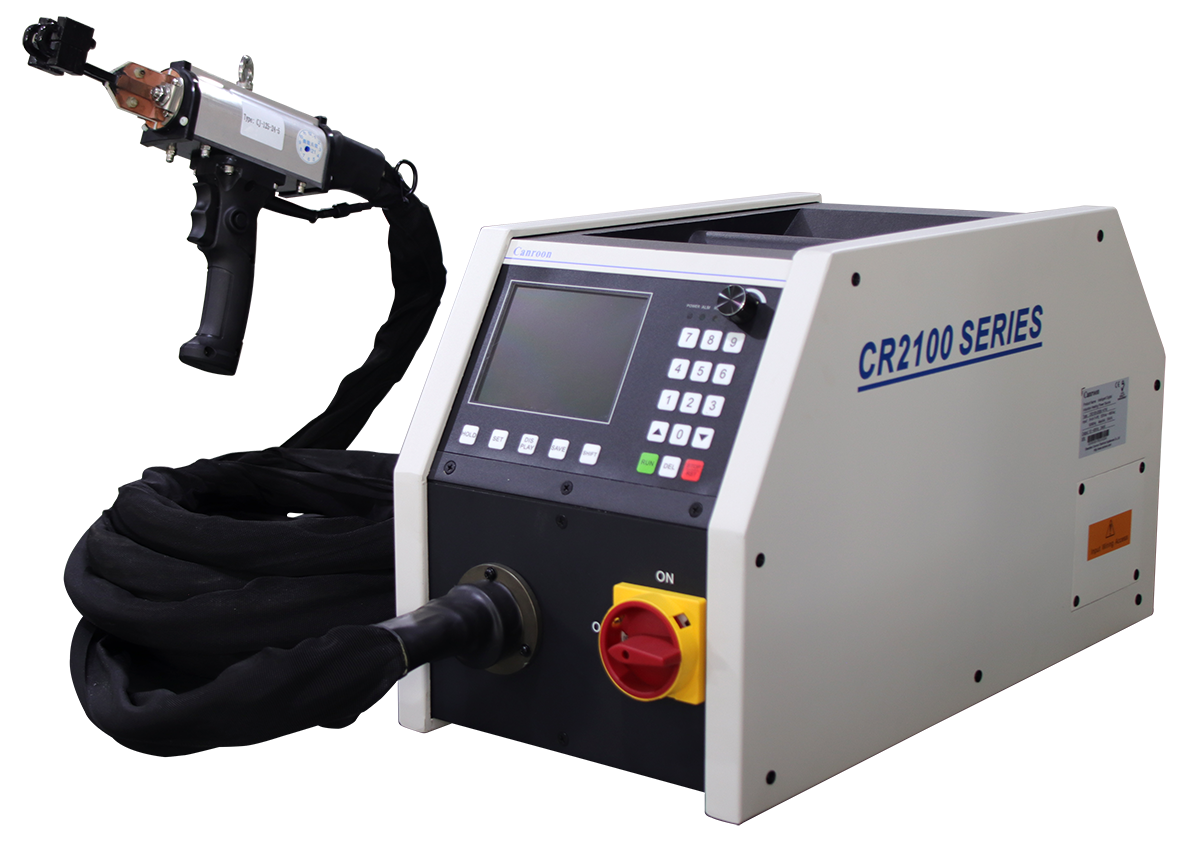
Localized heating is a key advantage that allows an induction brazing machine to achieve precise joining performance. Instead of heating the entire component through external heat transfer, induction technology concentrates electromagnetic energy around the specific brazing area. When alternating current passes through the induction coil, it creates a changing electromagnetic field that induces electrical currents within the metal, generating heat only where it is required.
The ability to focus heating energy on the joining area helps minimize unnecessary thermal exposure to surrounding components. This is particularly valuable when manufacturers work with complex assemblies, temperature-sensitive materials, or components that require protection from excessive heat. By controlling coil design, positioning, and electrical output, an induction brazing machine can provide accurate heating distribution for different joint structures.
Localized heating also improves production efficiency by reducing heating time and improving temperature response. Because energy is transferred directly to the target area, manufacturers can achieve faster brazing cycles while maintaining better control over the joining process. This makes an induction brazing machine suitable for industrial applications where precision, repeatability, and reduced thermal impact are important requirements.
An Induction Brazing Machine Creates Targeted Electromagnetic Heating Around the Joint
An induction brazing machine achieves localized heating by generating an electromagnetic field through a specially designed induction coil positioned near the joining area. When alternating current passes through the coil, it creates a changing magnetic field that induces electrical currents inside the conductive workpiece. These currents generate heat directly within the metal, allowing the brazing area to reach the required temperature without heating the entire component.
This localized heating mechanism provides significant advantages for precision metal joining applications and related Máquina de recocido por inducción processes. Because heat is concentrated around the joint area, surrounding materials experience less unnecessary thermal exposure compared with conventional heating methods. This is particularly beneficial when joining components with different sizes, complex structures, or temperature-sensitive parts that require controlled thermal conditions.
The effectiveness of localized heating depends on several factors, including coil design, component geometry, material characteristics, and machine output parameters. A properly configured induction brazing machine can deliver electromagnetic energy precisely where it is needed, improving heating efficiency and reducing energy loss. This targeted approach allows manufacturers to achieve stronger brazed joints while maintaining better control over the overall production process.
An Induction Brazing Machine Maintains Consistent Temperature During the Brazing Process
Temperature consistency is a critical factor that determines the quality and reliability of brazed joints. During the brazing process, the base materials and filler metal must reach a suitable temperature range to achieve proper metallurgical bonding. An induction brazing machine helps maintain stable temperature conditions by accurately controlling electrical output, heating duration, and electromagnetic energy distribution. Compared with conventional heating methods that rely on external heat transfer, induction brazing directly generates heat inside conductive materials, allowing faster response and more accurate temperature regulation.
In industrial production, temperature fluctuation can lead to incomplete brazing, excessive oxidation, uneven filler metal melting, or changes in joint strength. A stable induction brazing machine reduces these risks by maintaining consistent heating conditions throughout repeated production cycles. The machine can adjust power output according to the thermal response of different components, ensuring that each workpiece receives sufficient but controlled heating energy. This capability is especially important for applications involving complex components and precision joining processes such as Soldadora por puntos para termopares applications.
By providing reliable temperature management, an induction brazing machine enables manufacturers to achieve more predictable brazing performance. Stable temperature control improves process repeatability, reduces material waste, and supports consistent joint quality across different production batches. For industrial users evaluating brazing equipment, the ability to maintain precise temperature conditions is an important factor in selecting a suitable induction heating solution.
An Induction Brazing Machine Regulates Heating Parameters to Maintain Temperature Stability
An induction brazing machine maintains temperature stability by continuously controlling key heating parameters, including output power, current intensity, frequency, and heating time. These parameters determine how electromagnetic energy is delivered to the workpiece and how quickly the material reaches the required brazing temperature. By adjusting these operating conditions, the machine can compensate for differences in component size, material properties, and production requirements.
In industrial brazing applications, different workpieces may have different thermal characteristics even when they are manufactured from similar materials. Variations in thickness, geometry, and surface conditions can influence heat absorption and temperature distribution. Without accurate control, some areas may become overheated while other areas may not reach the required brazing temperature. An induction brazing machine addresses this challenge by providing adjustable and repeatable heating control, allowing operators to optimize the process according to actual production conditions.
The ability to regulate heating parameters makes an induction brazing machine suitable for precision joining applications where temperature accuracy is essential. By maintaining a controlled thermal environment, manufacturers can improve brazing consistency, reduce defects caused by temperature variation, and achieve more reliable production results.
Real-Time Monitoring Helps an Induction Brazing Machine Maintain Stable Brazing Conditions
Real-time monitoring functions allow an induction brazing machine to maintain stable operating conditions during the brazing process. Modern industrial brazing systems such as Equipo de tratamiento térmico posterior a la soldadura can monitor electrical output, heating time, temperature changes, and other process parameters to ensure that the equipment operates within the required range. This monitoring capability helps operators identify abnormal conditions and make adjustments before they affect final joint quality.
During continuous production, factors such as material variation, environmental temperature changes, and component positioning differences may influence the heating process. Without monitoring and adjustment, these changes may result in inconsistent brazing results between different workpieces. An induction brazing machine with accurate control and monitoring capabilities can respond to these variations by adjusting energy input and maintaining a more stable heating process.
For manufacturers requiring high repeatability, real-time process monitoring provides additional quality assurance. It allows production teams to maintain consistent brazing conditions, improve process control, and reduce reliance on manual operation experience. This makes the induction brazing machine a valuable solution for industrial joining processes that require stable performance and predictable results.
An Induction Brazing Machine Improves Filler Metal Flow and Joint Formation
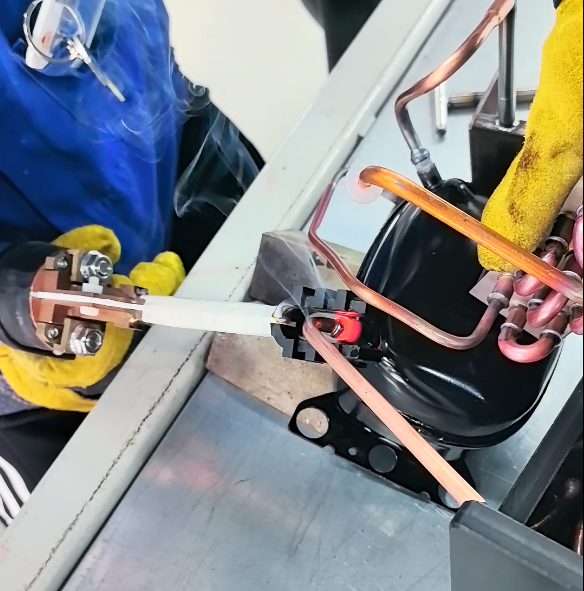
The quality of a brazed joint depends not only on heating performance but also on how effectively the filler metal melts, spreads, and forms a connection between the base materials. An induction brazing machine improves filler metal flow by providing controlled and uniform heating around the joining area. When the temperature reaches the correct brazing range, the filler metal melts and flows through the joint clearance by capillary action, creating a strong metallurgical bond between the components.
Compared with traditional heating methods, induction brazing provides faster and more concentrated energy delivery, which helps reduce unnecessary heating of surrounding areas. Excessive or uneven heating may affect filler metal behavior, cause poor wetting, or create incomplete joint formation. By precisely controlling electromagnetic energy, an induction brazing machine helps create suitable thermal conditions for filler metal melting and spreading.
For industrial applications, consistent filler metal flow is essential for improving joint strength, appearance, and reliability. A properly controlled induction brazing machine allows manufacturers to produce high-quality joints with reduced material waste and fewer process defects. This makes induction brazing technology suitable for industries that require accurate joining performance, efficient production cycles, and stable manufacturing quality.
An Induction Brazing Machine Creates Suitable Thermal Conditions for Filler Metal Melting
The melting behavior of filler metal directly affects the quality of a brazed connection. An induction brazing machine creates suitable thermal conditions by delivering controlled electromagnetic energy to the joining area, allowing the filler metal to reach its melting temperature without unnecessarily overheating the base materials. This controlled heating process supports proper melting, wetting, and flow of the filler material.
If the heating temperature is too low, the filler metal may not melt completely or may fail to spread evenly across the joint surface. On the other hand, excessive heating may damage the base material, increase oxidation, or negatively affect the final joint structure. An induction brazing machine helps prevent these issues by accurately adjusting power output and heating duration according to the specific brazing requirements.
By maintaining the correct thermal conditions, an induction brazing machine improves the reliability of filler metal performance. This allows manufacturers to achieve stronger and more consistent joints while reducing problems associated with improper melting conditions. Precise thermal control is therefore an important factor in improving overall brazing quality.
Controlled Electromagnetic Heating Improves Filler Metal Wetting and Joint Reliability
Proper filler metal wetting is necessary for creating strong and durable brazed joints. During brazing, the molten filler metal must effectively contact and spread across the surfaces of the materials being joined. An induction brazing machine supports this process by providing controlled heating that allows the filler metal to achieve suitable fluidity while maintaining stable joint temperatures.
The electromagnetic heating process helps reduce uneven temperature distribution, which can negatively affect filler metal movement. When heating conditions are properly controlled, the molten filler metal can flow more evenly into the joint gap and form a continuous connection between components. This improves bonding quality and helps manufacturers achieve more reliable mechanical performance after brazing.
For industrial production, consistent wetting behavior is especially important because small variations in joint formation can affect product reliability. By providing accurate and repeatable heating conditions, an induction brazing machine helps manufacturers improve joint consistency, reduce production variations, and maintain stable quality across large-scale manufacturing operations.
Proper Joint Clearance Allows an Induction Brazing Machine to Achieve Better Brazing Results
Joint clearance is an important factor that influences filler metal flow during induction brazing. Even with a high-performance induction brazing machine, improper spacing between components may prevent the filler metal from flowing correctly and reduce the quality of the final joint. Suitable joint clearance allows molten filler metal to move effectively through capillary action and form a uniform bond between the connected materials.
The required clearance depends on factors such as filler metal type, base material properties, operating temperature, and application requirements. An induction brazing machine provides the controlled heating conditions needed to activate filler metal flow, but proper component preparation remains essential for achieving reliable results.
By combining accurate heating control with appropriate joint design, manufacturers can maximize the performance of an induction brazing machine. This approach improves joint strength, reduces defects, and supports stable production quality in industrial brazing applications.
An Induction Brazing Machine Reduces Defects Through Precise Process Control
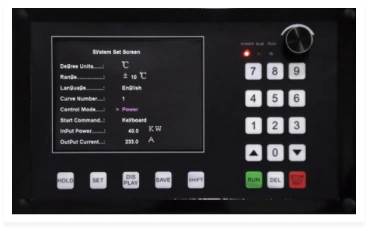
Precise process control is essential for reducing defects during industrial brazing operations. An induction brazing machine improves process stability by allowing manufacturers to control important parameters such as heating power, frequency, temperature distribution, and processing time. This level of control helps reduce variations that may occur when using less precise heating methods.
Common brazing defects, such as incomplete joining, excessive oxidation, uneven filler distribution, and overheating, are often related to unstable heating conditions. By providing controlled electromagnetic heating, an induction brazing machine helps create a more predictable brazing environment. Operators can establish optimized process parameters and maintain consistent conditions throughout production.
For manufacturers, reducing brazing defects improves production efficiency and lowers the need for rework or additional inspection. A reliable induction brazing machine not only improves individual joint quality but also supports more stable manufacturing processes. Through accurate control of the brazing operation, companies can achieve better product consistency and improve overall production reliability.
Accurate Power Adjustment Reduces Overheating and Insufficient Heating Risks
An induction brazing machine reduces brazing defects by providing precise control over the energy supplied to the joining area. During the brazing process, the amount of heat input directly affects the melting behavior of the filler metal, the wetting performance between the filler and base materials, and the final joint strength. If excessive heat is applied, the base material may experience overheating, oxidation, grain structure changes, or unnecessary thermal damage. In contrast, insufficient heat input may prevent the filler metal from reaching proper melting conditions, resulting in incomplete bonding or weak joints.
By accurately adjusting output power, current, and heating duration, an induction brazing machine allows manufacturers to control the thermal energy delivered during each brazing cycle. The equipment can provide the required heating intensity according to material type, component size, and joint structure, avoiding unstable temperature conditions caused by manual heating methods. This precise energy management helps maintain consistent brazing conditions and reduces the possibility of defects caused by improper heat application.
For industrial production, accurate power adjustment is especially important when processing complex components or high-value metal parts. A properly configured induction brazing machine ensures that each joint receives controlled and repeatable heating energy, improving production reliability while reducing material waste caused by brazing failures. Through precise heat management, manufacturers can achieve stronger joints, better appearance quality, and more stable brazing performance.
Real-Time Process Monitoring Improves Brazing Quality Control
Real-time monitoring capability allows an induction brazing machine to maintain better control over the brazing process and reduce quality variations. Traditional heating methods may rely heavily on operator experience to judge heating conditions, which can lead to differences between production batches. In contrast, induction brazing equipment can monitor and regulate important operating parameters such as power output, heating time, and temperature response, ensuring that the brazing process follows predefined requirements.
During industrial brazing operations, even small changes in heating conditions can influence joint performance. Variations in component positioning, material thickness, or production speed may affect how heat is transferred to the joining area. By continuously monitoring operating conditions, an induction brazing machine can adjust energy delivery and maintain a stable heating process. This helps prevent defects such as incomplete filler melting, uneven brazing areas, or inconsistent joint strength.
For manufacturers requiring high production accuracy, process monitoring provides an important advantage in quality management. A reliable induction brazing machine not only performs the heating operation but also supports better control over the entire joining procedure. By reducing dependence on manual judgment and improving process repeatability, the equipment helps manufacturers achieve more consistent brazing results across large-scale production environments.
An Induction Brazing Machine Supports Repeatable Joining Quality in Industrial Production
Repeatable joining quality is a major requirement for industrial manufacturing, especially in applications involving large production volumes. An induction brazing machine supports repeatability by providing controlled and programmable heating parameters for different brazing tasks. Once suitable operating conditions are established, the equipment can reproduce similar heating results across multiple production cycles.
Traditional heating methods may experience variations caused by operator skills, environmental conditions, or inconsistent heat transfer. In comparison, an induction brazing machine uses controlled electrical output and electromagnetic energy delivery to reduce these variations. This allows manufacturers to achieve more consistent brazing performance and maintain stable product quality.
The repeatability provided by an induction brazing machine is especially valuable in automated production environments. By integrating precise control systems with suitable induction heating equipment, manufacturers can improve process efficiency, reduce production fluctuations, and maintain reliable joining results. This makes induction brazing technology an important solution for modern industrial manufacturing processes.
Automated Heating Control Ensures Consistent Brazing Cycles
Repeatable joining quality is an important requirement in industrial production, and an induction brazing machine supports this goal through automated and controlled heating processes. In large-scale manufacturing, every brazed joint needs to meet similar quality standards regardless of production quantity. Variations in heating time, energy input, or operator operation can create differences in joint performance and increase the risk of inconsistent products.
An induction brazing machine uses controlled electrical parameters and programmable operating settings to reproduce the same heating conditions during each production cycle. Parameters such as power level, frequency, heating duration, and temperature requirements can be adjusted according to specific components and stored for repeated use. This allows manufacturers to maintain stable brazing conditions even when production volumes increase.
Compared with manual heating methods, automated control reduces human-related variations and improves production consistency. For manufacturers producing large quantities of metal components, a reliable induction brazing machine provides a more predictable joining process. By ensuring that each brazing cycle follows the same technical requirements, the equipment helps improve product uniformity, reduce rejection rates, and support efficient industrial manufacturing.
Stable Equipment Performance Maintains Long-Term Brazing Reliability
Long-term production reliability depends on whether an induction brazing machine can maintain stable performance throughout continuous operation. Industrial brazing processes often require repeated heating cycles, meaning equipment stability directly affects production efficiency and product quality. If the machine output fluctuates significantly over time, the heating conditions may change, causing variations in filler melting, joint formation, and final product performance.
A well-designed induction brazing machine maintains stable electrical output through advanced power control systems and reliable internal components. The equipment can provide consistent electromagnetic energy to the induction coil, ensuring that the heating process remains within the required operating range. This stability is especially valuable for manufacturers that need continuous production with strict quality requirements.
By maintaining reliable operating performance, an induction brazing machine helps companies achieve predictable brazing results over extended production periods. Stable equipment operation reduces unexpected process interruptions, minimizes quality fluctuations, and improves overall manufacturing efficiency. For industrial users, investing in equipment with strong stability is essential for achieving repeatable joining quality and reducing long-term production risks.
An Induction Brazing Machine Provides Flexible Control for Different Joining Applications
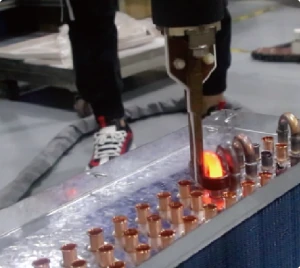
An induction brazing machine provides flexible process control that allows manufacturers to adapt brazing operations to different component designs, material combinations, and production requirements. Unlike conventional heating methods that rely on broad heat transfer, induction brazing uses electromagnetic energy to generate heat directly within conductive workpieces. By adjusting parameters such as power output, heating time, frequency, and coil configuration, the machine can create suitable heating conditions for different brazing applications while maintaining accurate control over the joining process.
Industrial brazing requirements can vary significantly depending on the size, shape, and material characteristics of the components being joined. Small precision parts may require concentrated heating in a limited area to avoid thermal damage, while larger assemblies may need controlled energy distribution to achieve sufficient brazing temperature throughout the joint area. An induction brazing machine allows operators to modify heating conditions according to specific application requirements, improving compatibility with different manufacturing processes.
The flexibility of an induction brazing machine makes it suitable for various industrial joining tasks, including pipe connections, electronic components, automotive parts, heat exchangers, and metal assemblies. By combining adjustable electrical parameters with customized induction coil designs, manufacturers can achieve reliable brazing performance across different products. This adaptability helps companies improve production efficiency, reduce process limitations, and maintain consistent joining quality in changing manufacturing environments.
Adjustable Heating Parameters Allow an Induction Brazing Machine to Match Different Joining Requirements
An induction brazing machine achieves application flexibility by allowing precise adjustment of key heating parameters according to different joining conditions. The most important parameters include output power, operating frequency, heating duration, and electromagnetic field intensity. These settings determine how quickly the workpiece reaches brazing temperature, how heat is distributed around the joint area, and how effectively the filler metal melts and flows into the connection gap. By controlling these parameters, manufacturers can optimize the brazing process for different materials and component structures.
Different metal combinations have different thermal and electrical characteristics, which means they require different heating strategies. For example, copper components typically have high thermal conductivity and may require sufficient energy input to maintain brazing temperature, while smaller precision parts may require lower power levels to prevent overheating. An induction brazing machine enables operators to fine-tune the heating process according to material properties, ensuring that each application receives the appropriate amount of electromagnetic energy.
This parameter adjustment capability allows manufacturers to use one induction brazing machine for multiple production requirements instead of relying on separate heating equipment for each application. By optimizing heating conditions for different workpieces, companies can improve process efficiency, reduce unnecessary energy consumption, and achieve more reliable brazing results. The ability to adjust operating parameters is therefore an important feature that supports flexible industrial metal joining.
Customized Induction Coil Design Expands the Application Range of Brazing Equipment
The induction coil is a critical component that determines how electromagnetic energy is transferred to the brazing area. An induction brazing machine can achieve greater application flexibility when paired with a properly designed induction coil that matches the shape and size of the workpiece. Different coil structures can concentrate electromagnetic fields in specific areas, allowing manufacturers to heat complex components accurately without affecting surrounding materials.
For example, ring-shaped coils may be suitable for pipe or tube connections, while specially shaped coils can be developed for irregular components that require localized heating. The distance between the coil and the workpiece, the number of coil turns, and the overall coil geometry all influence heating efficiency and temperature distribution. Therefore, customized coil design is essential for achieving stable brazing performance in different industrial applications.
By combining adjustable generator control with optimized coil design, an induction brazing machine can provide more precise heating solutions for various joining tasks. This flexibility allows manufacturers to handle different component sizes, joint structures, and production requirements while maintaining consistent brazing quality. Customized coil configurations also help improve energy utilization by directing electromagnetic energy more effectively to the required heating area.