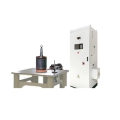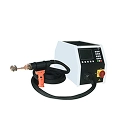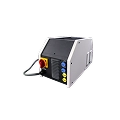





You have to pick between induction heating and resistance heating if you want to make your factory work better or spend less money. Induction heating uses energy very well, with more than 85% efficiency. Resistance heating is a bit less, at about 75–80%. Induction heating costs more at the start, but you save a lot of money later because it uses less energy. The best choice depends on how fast you need things done, how much energy you want to save, and if the method fits your job. The most important thing is if the method works for your job. Canroon can help you choose the right heating method for what you need.
| Heating Method | Efficiency | Initial Investment | Long-term Savings | Operational Costs |
|---|---|---|---|---|
| Calentamiento por inducción | >85% | Higher | Significant | Lower due to energy savings |
| Resistance Heating | 75-80% | Lower | Limited | Higher due to energy losses |
Key Takeaways
- Induction heating uses less energy. It is over 85% efficient. Resistance heating is only 75-80% efficient. This helps you save money on energy.
- Pick induction heating for quick jobs. It heats metal fast, sometimes in seconds. Resistance heating is slower. It can take minutes or hours.
- Resistance heating is easy to set up. It costs less to install. It works for many materials like glass and ceramics. This makes it useful for different tasks.
- Induction heating lets you control the temperature well. You can heat certain spots without making them too hot. This is good when you need to be exact.
- Think about what you need before you choose. Induction heating is good for speed and saving energy. Resistance heating is better for steady and reliable heat.
Induction Heating Overview
Induction Heating Principles
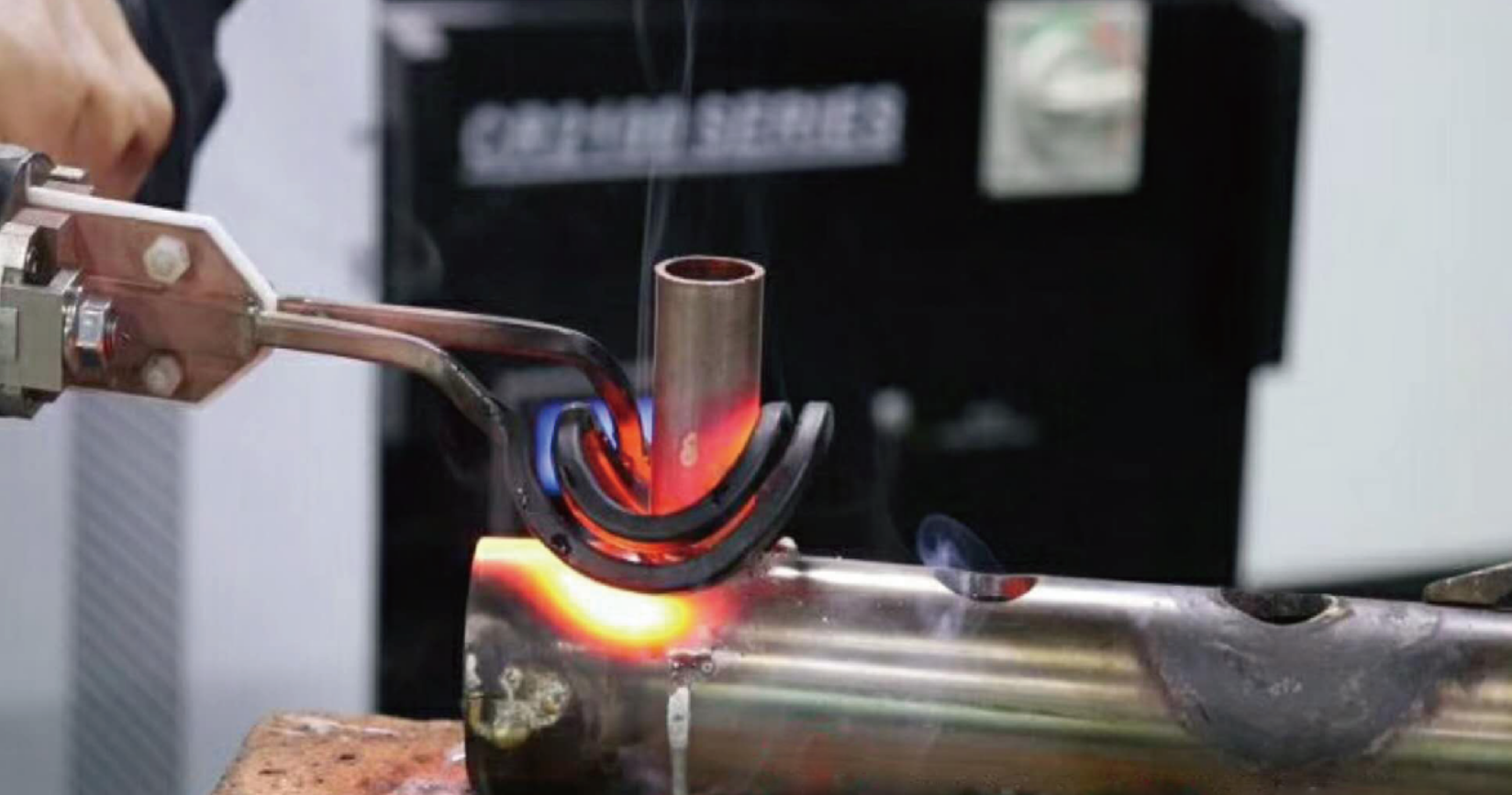
Induction heating gives fast and clean heat. It works by sending electric energy through coils. The coils make electromagnetic fields. These fields go into the metal you want to heat. Eddy currents form inside the metal and make it hot. This is called the Joule effect. Heat spreads through the metal by thermal conduction. You do not need to touch the metal directly. Energy moves through electromagnetic fields, so induction heating is very efficient.
- Energy moves using electromagnetic fields.
- Electric energy changes into heat with the Joule effect.
- Heat spreads in the metal by thermal conduction.
- Eddy currents inside the metal help heat it.
Induction heating lets you control temperature very well. You can heat only the part you need. This saves energy and time in factories.
Induction Heat Treatment Applications
Induction heat treatment is used in many factory jobs. It helps remove rusted parts and shrink fit metal pieces. You can bend or shape metal parts. It also hardens or anneals metal to make it stronger. Induction is good for soldering, brazing, and preheating before welding. You can tighten or loosen bolts and nuts. It works for shrink fitting bearings and heating parts during assembly. You get even heating and good temperature control. This makes products have steady quality and performance.
Some common induction heat treatments are:
- Soldadura fuerte
- Hardening
- Annealing
- Soldering
Induction heating helps factories work better. You get strong bonds, good material properties, and results you can repeat.
Canroon Induction Heating Solutions
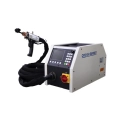
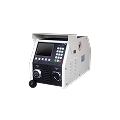
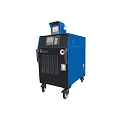
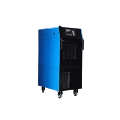
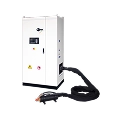
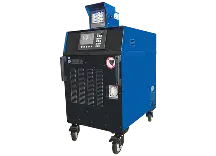
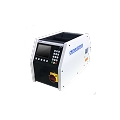
Canroon has advanced induction heating solutions for factories. The Canroon CR2100 Induction Heating Power Supply is a great choice for metal heat treatment and welding preheat. It works well in cold outdoor places. More than 90% of energy turns into useful heat. The system is easy to use with a friendly interface. You get even heating inside the part. Maintenance is easy because the design is modular.
| Parameter | Value |
|---|---|
| Input Voltage | 3-phase 380-460V |
| Potencia de entrada | 10-800 KVA |
| Output Power | 9-730kW (100% duty) |
| Efficiency | >90% |
| Output Frequency | 0.5-40KHz |
| Protection Level | IP20 |
| Temperature Operation | -20°C~+50°C |
| Frecuencia de entrada | 50-60Hz |
You can pick fast heating induction brazing machines. There are portable induction welding machines and small induction brazing machines for metal tubes. Canroon’s medium frequency induction heating machines give speed, accuracy, and energy savings. These solutions work for many factory needs, like hardening, forging, and assembly.
Resistance Heating Overview
Resistance Heating Principles
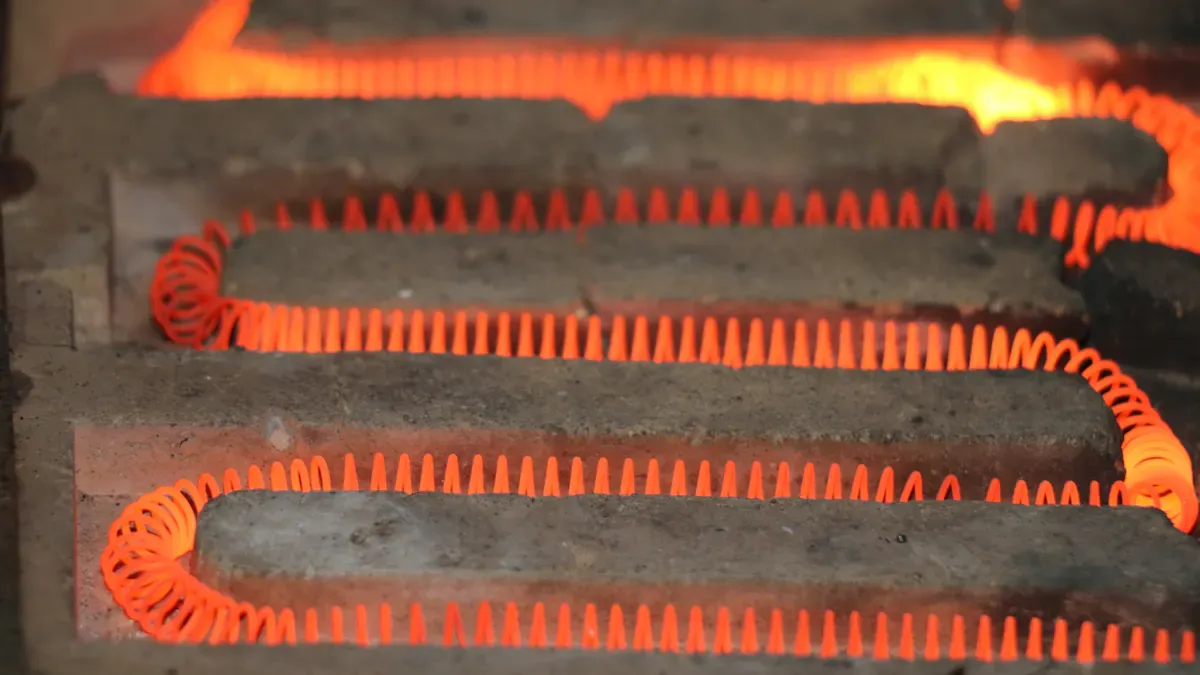
Resistance heating warms things by sending electric current through them. The material does not let electricity pass easily, so it gets hot. There are two main ways to do this. Direct resistance heating sends current right through the thing you want to heat. This works best if the shape is simple. Indirect resistance heating uses special parts to move heat to your item. This is better for shapes that are not simple. You can pick which area to heat with good control. The heat spreads out evenly on the surface.
- Resistance heating makes heat when current goes through a material that resists it.
- Direct resistance heating puts current straight through the workpiece.
- Indirect resistance heating uses special parts to move heat to the workpiece.
- You can choose exactly where to heat.
- This method gives even heat everywhere.
- Resistance heating costs less and is easy to set up.
Resistance heating is simple to use. You do not need fancy machines. You can start heating fast after setting it up.
Resistance Heat Treatment Applications
Resistance heating is used in many places. It helps with welding, baking, drying, and curing. You see it in water heaters and ovens. Each job has different results. Some jobs use energy well. Others take longer or need more care. Here is a table to show the main uses and what you get:
| Application Type | Performance Outcomes |
|---|---|
| Resistance Welding | Uses energy okay (60-70%) |
| Water Heating | Takes more time to heat |
| Resistance Ovens | May not heat evenly, which can hurt quality |
| Drying | Does not use energy as well |
| Curing | Needs more care over time |
| Baking | Simple and steady heat |
You can use resistance heating for many tasks. You might weld metal, dry paint, or cure glue. You can also bake food or heat water. The type you pick depends on what you need. You get steady heat and results you can count on.
Comparison of Resistance and Induction Heat Treatment
Heating Speed
Induction heat treatment is much faster than resistance heating. Induction heating makes eddy currents inside the metal. These currents heat the metal right away. You can reach the right temperature in just seconds or minutes. This is great for production lines or quick repairs when you need speed.
Resistance heating takes longer to work. The electric current goes through a heating element or the workpiece. The heat moves from the element to the material. This takes more time because heat must pass through extra layers. If you need to heat big or thick parts, resistance heating can take much longer. Sometimes, you might wait minutes or even hours for it to finish.
Tip: Pick induction heat treatment if you want to save time and work faster.
Energy Efficiency
Energy efficiency is very important in heating. Induction heating is the leader here. It can reach up to 90% efficiency. Most of the energy goes right into the workpiece. Very little energy is wasted. This means you spend less money on electricity over time.
Resistance heating is not as efficient. Its energy efficiency is between 45% and 75%. Some energy is lost as heat goes into the air or the heating element. You may pay more for energy with resistance heat treatment, especially if you use it a lot.
| Heating Method | Efficiency Rating |
|---|---|
| Calentamiento por inducción | 70-90% |
| Resistance Heating | 45-75% |
Induction heat treatment can help you save up to 50% on energy. This is good for factories that want to spend less and help the planet.
Cost Factors
You should think about both starting and running costs. Induction heating systems cost more to set up. They use special coils and power supplies. You pay more at first. But induction heat treatment saves money later. It uses less energy and needs less fixing, so you spend less over time.
Resistance heating costs less to start. The machines are simple and easy to put in. You do not need fancy parts. But resistance heat treatment can cost more to run. It uses more energy, so your bills are higher. You might also need to fix or replace parts more often.
| Heating Type | Initial Costs | Operational Costs |
|---|---|---|
| Resistance Heating | Lower initial setup costs | Lower operational costs |
| Calentamiento por inducción | Higher initial costs | Potential long-term savings due to energy efficiency |
- Induction heating systems last longer and need less fixing.
- Resistance heating may break more, especially if used a lot.
Heat Loss and Utilization
Heat loss changes how much energy you use and how well things work. Induction heating has very little heat loss. It makes heat inside the metal, so almost all the energy is used. Sometimes, you get over 98% energy efficiency. This means you use less power and get better results.
Resistance heating loses more heat. The heating element gets hot, but some heat escapes into the air. Only about 60% of the energy is used for heating. The rest is wasted. This makes resistance heat treatment less efficient and can make costs go up.
| Heating Method | Energy Efficiency | Heat Loss |
|---|---|---|
| Calentamiento por inducción | Over 98% | Minimal heat loss |
| Resistance Heating | Approximately 60% | Higher energy losses |
Note: Induction heat treatment saves energy and helps the environment. You make less waste and fewer emissions.
Material Compatibility
You need to pick the right heating method for your material. Induction heating works best with metals and other materials that carry electricity. You cannot use induction heat treatment on glass, ceramics, or most plastics. The material must let electric currents flow.
Resistance heating is more flexible. You can use it on metals, ceramics, glass, and some polymers. This is good if you need to heat many types of materials. But resistance heating is usually slower and not as efficient.
| Heating Method | Compatible Materials | Limitations |
|---|---|---|
| Calentamiento por inducción | Electrically conductive materials (metals) | Cannot heat insulators like ceramics, glass, or most polymers. |
| Resistance Heating | Wider variety including non-conductive materials | Generally slower heating rates and less energy-efficient. |
If you need to heat things that are not metal, resistance heat treatment gives you more choices.
Precision, Safety, and Control
Control de temperatura
Many heat treatment jobs need exact temperature control. Induction heating changes temperature very fast when you change the power. You can control how hot and how deep you heat with great accuracy. Resistance heating is slower to react. The heating element keeps heat, so you cannot change the temperature quickly or as exactly.
Here is a table that shows how each system controls temperature:
| Heating System | Temperature Control Capability |
|---|---|
| Calentamiento por inducción | Responds instantly to power changes; high accuracy in temperature and heating depth control. |
| Resistance Heating | Reacts slowly due to heat storage; less precise temperature regulation. |
Induction heating lets you heat only the spot you want. This helps stop overheating and keeps your materials safe. Resistance heating is good for steady jobs, but the temperature can go up and down more.
Tip: If you need exact temperature and quick changes, induction heating gives you better control.
Safety Considerations
Safety is important in every factory. Induction heating is safer because you do not touch the hot metal. The coils stay cool, so you do not get burned. There is less chance of fire because the heat stays inside the metal. Resistance heating uses hot parts that can burn you if you touch them. You also need to watch out for wires and hot pieces.
You should always follow safety rules. Wear gloves and eye protection. Keep your work area clean and dry. Induction heating systems often have safety features like automatic shut-off and alarms. Resistance heating systems are simple, but you need to check them often for damage.
- Induction heating: safer to use, less chance of burns.
- Resistance heating: more risk from hot parts and wires.
System Complexity
You want a system that matches your skills and needs. Resistance heating systems are easy to set up and use. You can start heating with simple controls. It is easy to take care of, and you do not need special training.
Induction heating systems are harder to use. You need skilled workers and advanced controls. It takes longer to set up, and you must check the coils and power supply often. You get better results, but you need to learn how to use it.
Here is a table that compares setup and care:
| Heating Technology | Complexity of Setup and Maintenance |
|---|---|
| Resistance Heating | Simpler setup and operation. |
| Calentamiento por inducción | Requires skilled operation and advanced control systems. |
Note: Choose resistance heating if you want easy use. Pick induction heating for better control and higher accuracy.
Pros and Cons of Induction and Resistance Heating
Induction Heating Advantages and Disadvantages
Induction heating has many good points. It makes heat inside the material. This lets you heat things very fast. You can control the temperature very well. You can also pick the exact spot to heat. This makes induction heating useful for many jobs. Most of the energy goes into the workpiece, so you save power. Parts do not change shape much because there is less heat distortion. These are the main good things about induction heating.
Induction heating lets you work quickly and save energy. You can heat small or big spots. This helps you finish jobs faster and get better results.
But there are some bad points too. The machines cost more at first. You need people who know how to use the system. Not every material works with induction heating. You must use metals or things that carry electricity. If you do not set it up right, the heat may not spread evenly. Induction heating can also mess with other electronics nearby.
| Disadvantage | Description |
|---|---|
| High Initial Costs | You need to spend more money when you start. |
| System Complexity | You need trained workers to set up and fix the system. |
| Material Compatibility Issues | Some things cannot be heated with induction. |
| Potential for Uneven Heating | You must set the system right or some spots get too hot. |
| Electromagnetic Interference | Induction heating can bother other electronics if not protected. |
Some people say induction heating is always 90% efficient. But the real average is closer to 74%. Induction heating works with more than just ferromagnetic metals, but results change with different materials.
Resistance Heating Advantages and Disadvantages
Resistance heating is easy to use. You can set it up fast and start working soon. The machines cost less, so you do not need a lot of money. You get steady heat for many jobs. This makes resistance heating good for space heaters, ovens, and electric furnaces. These are the main good things about resistance heating.
- Low starting cost
- Simple to use and set up
- Gives steady and reliable heat
There are some bad points too. Resistance heating is slower than induction. You have to wait longer for things to get hot. The system loses more energy to the air, so it is not as efficient. Sometimes, the heat does not spread evenly, especially in big or thick parts.
| Drawback | Description |
|---|---|
| Slower Heating Rates | You wait longer for things to get hot enough. |
| Lower Energy Efficiency | More energy is lost, so you pay more for power. |
| Uneven Heat Distribution | Some spots may get hotter than others, which can hurt quality. |
You can use resistance heating for many things, like glass and ceramics. This makes it good for different jobs. But you should think about the slower speed and higher energy use.
Tip: Pick resistance heating if you want something simple and cheap for steady heat. Choose induction heating if you need fast, accurate, and energy-saving heat.
Choosing the Right Heating Method
Application Scenarios
You should think about your job before picking a heating method. Resistance heating is good for easy shapes and when you want steady heat. You can use resistance heating in ovens, water heaters, and for drying paint. It gives you results you can count on and costs less to start. If you need to heat glass, ceramics, or polymers, resistance heating gives you more choices.
Induction heating is best when you need fast and exact heat. You can use induction heating for metal parts, hardening, brazing, or welding. It heats only the spot you want, so you save energy and time. If you need to control temperature closely or work with tricky shapes, induction heating works better.
Here is a table to help you see how each method compares:
| Criteria | Resistance Heating | Calentamiento por inducción |
|---|---|---|
| Heating Speed | Slower | Faster |
| Energy Efficiency | Lower | Higher |
| Cost | Lower initial costs | Higher initial costs |
| Precision | Moderate | High |
| Complexity | Simple | Complex |
| Material Compatibility | Versatile | Conductive/Magnetic |
| Applicability | Simple shapes | Complex shapes |
Tip: Think about what you are heating, how fast you need it, and how much control you want. You can ask Canroon for help if you are not sure.
Industry Recommendations
Different industries need different things. You should check what works best for your type of work. For example, resistance heating is good for jobs that need steady heat and are easy to set up. You can use resistance heating for baking, curing, or drying. It is great when you want low costs and easy care.
Induction heating is better for jobs that need to be done fast and need high accuracy. You can use induction heating to make metal parts the same size every time. It helps you keep quality high and save energy. Some industries use resistance heating because it works with many materials. Others pick induction heating for speed and accuracy.
Here are some things to think about:
- Temperature range
- Energy efficiency
- How long the heating parts last
- How well the system works in different places
- How much money you can spend
Canroon can give you advice and help. You can talk to their team to find the best heating method for your job. They will help you choose between resistance heating and induction heating based on what you need.
You can easily spot the differences between induction heating and resistance heating. The table below shows the main things to compare:
| Factor | Calentamiento por inducción | Resistance Heating |
|---|---|---|
| Efficiency | 80-90% | 45-75% |
| Speed | Heats in seconds or minutes | Takes minutes or hours |
| Application Fit | Metals and precise jobs | Many materials and steady heat |
Think about what you need before picking a method. If you want help or special solutions, you can contact Canroon or talk to experts in the industry.
Preguntas frecuentes
What is the main difference between induction heating and resistance heating?
Induction heating uses electromagnetic fields to heat metal fast. Resistance heating makes heat by sending electric current through a material or element. Induction heating works quicker and uses energy better. Resistance heating can be used with more types of materials.
Can you use induction heating for all materials?
No, you cannot. Induction heating only works with things that let electricity flow, like metals. You cannot use it for glass, ceramics, or most plastics.
Is resistance heating safe to use?
Resistance heating is safe if you follow safety rules. Do not touch hot parts. Wear gloves and eye protection. Keep your work area clean and dry.
Which method saves more energy?
Induction heating saves more energy. Most of the power goes right into the metal. Resistance heating loses more energy because heat escapes into the air.
How do you choose the right heating method?
- Think about what material you want to heat.
- Decide how fast you need to heat it.
- Check how much money you can spend.
- Ask experts like Canroon for help.