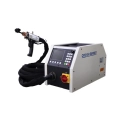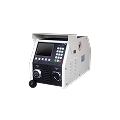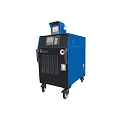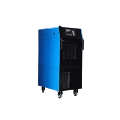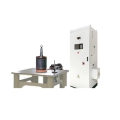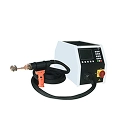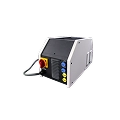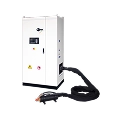





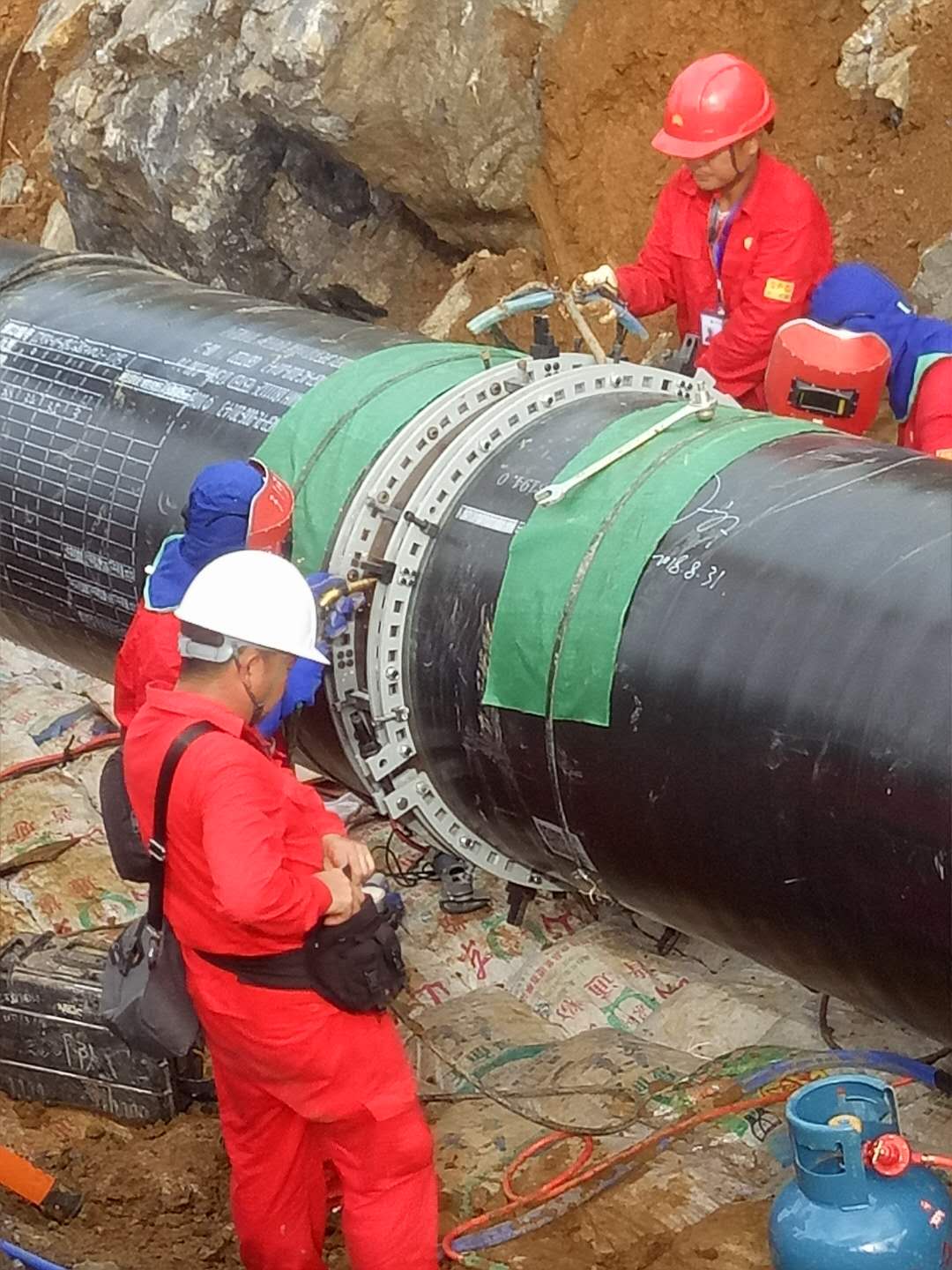
You need to pick the best heating method for welding and metalwork. This helps make strong and safe joints. Preheating helps welds last longer. It also stops cracks from forming. Experts use rules like AWS D1.1 and Annex B. These rules help control temperature and keep people safe. Controlled induction preheating makes welds better. It also lowers repair costs and helps things work well.
| Preheating Method | Source/Standard | الوصف |
|---|---|---|
| AWS D1.1 | Structural Welding Code — Steel | Prequalified Minimum Preheat and Interpass Temperature |
| Annex B | AWS D1.1 | Guidelines on Alternative Methods for Determining Preheat |
| CE and CET | AWS D14.8M:2009 | Based on European standards for avoiding cold cracks |
| CEN | AWS D14.8M:2009 | Based on a Japanese standard for avoiding cold cracks |
| Pcm | AWS D14.8M:2009 | Based on Annex B of AWS D1.1 for avoiding cold cracks |
Canroon’s induction heating skills help you get safe and good results.
النقاط الرئيسية
- Induction preheating heats things quickly and evenly. It is the safest way to weld. It lowers the chance of burns and makes the workspace safer.
- Resistance heating is good for thin metals and small pieces. You must set it up carefully for even heat.
- Open flame heating is easy to use. But it is not very safe. It can make heat spread unevenly. It also makes harmful smoke.
- Induction preheating saves energy by heating only the metal. This makes it the best and greenest choice.
- Picking the best preheating method depends on a few things. These are the metal type, how thick it is, how fast you need to work, and safety rules.
Why Preheating Is Essential
Welding and Metalwork Benefits
Preheating before welding gives you many benefits. It helps lower leftover stress in the metal. This means the metal is less likely to bend or crack. Preheating also stops cracks from hydrogen and quick temperature changes. The weld gets tougher and bends more easily. Alloying elements mix better, so the weld is stronger. The arc stays steady while you weld. This makes your work easier and better. Your metal keeps its shape and size.
- Lowering leftover stress helps stop bending and cracks.
- Stopping cracks keeps your weld safe from hydrogen and heat damage.
- Making the weld tougher helps it bend without breaking.
- Mixing alloying elements better makes the weld stronger.
- A steady arc helps you get good welds.
- Less bending keeps your metal the right shape.
Induction preheating gives you clear results. The temperature difference between the base and weld metal is smaller. This stops hard and brittle spots from forming. Heat leaves the metal more slowly, so thick metals weld better. Hydrogen can leave the weld pool, so there are fewer cracks. Moisture goes away, so the weld is not weak. Cooling happens slowly, so cracks are less likely.
Quality and Safety Impact
Preheating makes welding safer and better. It stops cracks in metals that can break from hydrogen. It controls leftover stress, so thick metal does not bend or break. The weld joins well and stays tough in the heat-affected zone. Induction preheating gives you the same good results each time. There are fewer mistakes or problems. Work is safer because sudden breaks or accidents are less likely. Preheating protects your projects and your team.
Tip: Induction gives even heat and helps you get strong welds every time.
Heating Method Overviews
Induction Preheating Basics
Induction preheating heats metal fast and evenly. It uses electromagnetic induction and Joule heating to make heat inside the metal. You do not have to touch the metal directly. The equipment has coils that go around or near the metal piece. The way the coil is made changes how well the heat spreads. You can change the power and frequency to fit the metal’s type and thickness. Good thermal management stops the metal from getting too hot and keeps things safe. Canroon makes advanced induction heating systems that give you accurate and steady results. People pick induction preheating when they need quick, even heating and strong welds.
- Induction preheating uses electromagnetic fields to heat metal inside.
- Coil shape and power settings help you control the heat.
- You get even heating and less chance of overheating.
- Induction preheating equipment works for many shapes and sizes.
Resistance Heating Explained
Resistance heating joins metals by sending electric current through them. The metal gets hot because it resists the electricity. This method is used a lot in making cars. Cars have thousands of resistance spot welds. You also see resistance heating in planes, electronics, medical tools, and appliances. Pipeline builders use resistance seam welding for strong steel pipes. It works well with thin metals and small parts. Resistance heating lets you control the process, but you must set up the equipment right.
- Resistance heating uses electric current to heat metal.
- You see this method in cars, planes, electronics, and appliances.
- It works best for thin metals and exact joints.
Open Flame Method
The open flame method is simple to use. You heat metal with a torch or burner. It is easy to start, but you must watch it all the time. Open flame heating can cause fires and makes smoke and gases. You need to control the flame and protect yourself from fumes. The heat may not spread evenly, so some spots can get too hot.
| Operational Steps | Safety Considerations |
|---|---|
| Easy setup for open flame heating | High risk of fire hazards |
| Requires constant monitoring | Production of smoke and gases |
| Must ensure proper flame management | Need for protective measures against fumes |
Note: Open flame heating is dangerous and needs careful watching. You may get uneven heating and safety issues.
Induction Heating vs Resistance and Open Flame
Efficiency and Speed
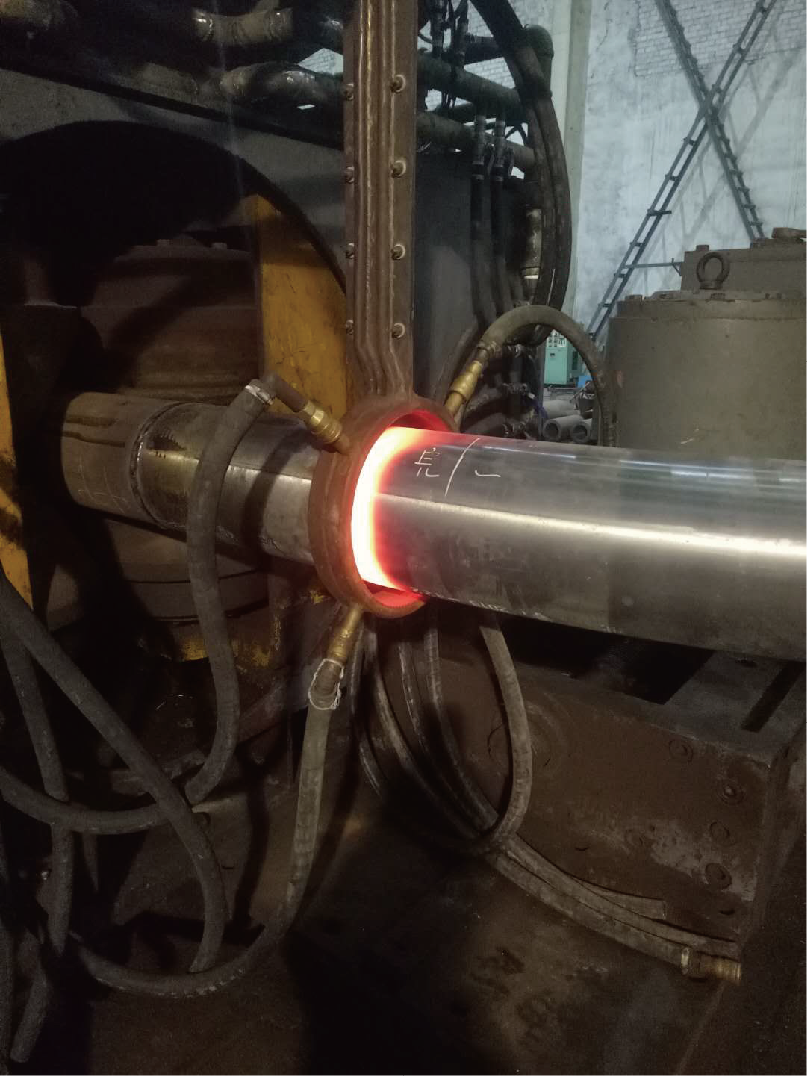
You want a heating method that saves time and energy. Induction preheating is the fastest and most efficient. It uses electromagnetic fields to heat metal right away. The heat goes straight into the metal, so it works quickly. Induction preheating equipment can reach the right temperature in just a few minutes. You do not waste energy because the heat does not go into the air.
Resistance heating sends electricity through the metal to make it hot. This way is slower than induction preheating. Sometimes, the heat does not spread evenly. You might see some spots get hotter or colder if the pads do not touch well. Open flame heating wastes a lot of energy. Most of the heat goes into the air, not the metal. This makes open flame heating the slowest and least efficient.
| Heating Method | كفاءة الطاقة | Notes |
|---|---|---|
| التسخين بالحث | مرتفع | Generates heat directly in the part, leading to lower energy consumption and faster heating. |
| Resistance Heating | معتدل | Often does not maintain consistent contact, leading to uneven heating and energy waste. |
| Open Flame Heating | منخفض | Wastes most heat energy in the open air, resulting in higher energy costs. |
Induction preheating can use over 90% of its energy. You save money on power and finish jobs faster. This method gives you the best speed and energy savings for welding and metalwork.
Safety Comparison
Safety is important when you heat metal. Induction preheating is safer because only the metal gets hot. The coil and tools stay cool. You do not need to touch flames or hot pads. This lowers the chance of burns and accidents.
Resistance heating uses ceramic pads that get very hot. You can burn yourself if you touch them. Sometimes, these pads break and cause uneven heating. Open flame heating is the most dangerous. You work with fire and gases that can burn. This way can cause burns, fires, or even explosions. You also breathe in smoke and fumes, which is bad for your health.
| Heating Method | Safety Hazards | Comments |
|---|---|---|
| Resistance Heating | Burn hazards from hot ceramic pads | Risks of ceramic pad failures leading to uneven heating (cold/hot spots). |
| Open Flame Heating | Risks associated with working around an open flame | Inefficient heating with significant labor costs and safety concerns. |
| التسخين بالحث | Safer environment as the heating tool remains cool, only the part becomes hot | Provides continuous, even heat without the risks associated with flames or hot surfaces. |
- Induction preheating lowers burn risk and does not need explosive gases.
- Open flame and resistance heating need fire watches and extra safety steps.
- Open flame heating creates fumes and noise, making your workspace less comfortable.
Tip: Pick induction preheating for a safer and cleaner work area.
Cost Factors
You want to spend less money but still get good results. Induction preheating equipment costs more at first, but you save money later. The equipment lasts longer because fewer parts get hot. You do not have to fix or replace things as often.
Resistance heating and open flame methods look cheaper at first. But you pay more for repairs, fuel, and safety gear. Open flame heating needs burner checks and cleaning. Resistance heating pads wear out and need new ones. Induction preheating helps you spend less over time and keeps your equipment working longer.
| Heating System | Maintenance Costs | Equipment Lifespan |
|---|---|---|
| التسخين بالحث | Lower long-term costs due to fewer high-temperature components | Implied to be longer due to efficient operation |
| Gas Heating | Costs include burner maintenance, refractory lining replacement, exhaust servicing | Not specified, but generally shorter due to higher wear and tear |
Note: Induction preheating equipment helps you save money in the long run.
Quality of Results
You want your welds to be strong and look good. Induction preheating gives the most even temperature. This way heats the whole part the same, so you do not get hot or cold spots. Your welds are better and have fewer problems.
Resistance heating can work well, but only if you set it up just right. If the pads do not touch the metal well, the heat is not even. Open flame heating gives the lowest quality. The heat does not spread the same, so you can get cracks and weak spots.
| ميزة | Induction & Resistance Heating Benefits |
|---|---|
| Accuracy & Repeatability | Reliable results across multiple welds or components, used in over 90% of field heat treatment cases. |
| Full Gradient Control | Provides 360° coverage with precise zone management. |
| Uniform Temperature | Ensures consistent heating, especially for large heavy-wall components and advanced chrome alloys. |
| Safety & Efficiency | Operates at low voltage (~80V – 45 Amp, 3.6 kW per element) with minimal exposed cabling. |
| Versatile Applications | Effective for varying material thicknesses, dissimilar metals, confined spaces, and heat sinks. |
| Workspace Impact | Surrounding area remains cooler, reducing workspace heat impact. |
- Induction preheating keeps the temperature even and lowers weld problems.
- This way lets hydrogen leave, so you get fewer cracks.
- You get better welds and do not need as many repairs.
Callout: Induction preheating gives you better control and quality for every weld.
الأثر البيئي
You want to help the environment and lower pollution. Induction preheating does not make direct emissions. The heat goes right into the metal, so you use less energy. Your workspace stays cooler, and you do not make harmful gases.
Resistance heating makes more heat in the room and loses energy through hot parts. Open flame heating makes smoke, fumes, and gases. This way wastes energy and pollutes the air.
| Heating Method | Emissions Impact | Energy Consumption Impact |
|---|---|---|
| التسخين بالحث | Produces no direct emissions | Uses less energy by generating heat directly inside the material |
| Resistance Heating | Generates more ambient heat | Loses energy through exposed hot elements and long warm-up periods |
| Open Flame Heating | Releases smoke and gases | Wastes energy and increases emissions |
New rules now ask for cleaner heating methods. Induction preheating helps you follow these rules and protect the planet.
Note: Induction preheating is the best choice for saving energy and keeping your workspace clean.
Choosing the Right Preheating Method
Picking the right preheating method depends on your project. You need to check what kind of metal you have. You also look at how thick the metal is. Think about how much time you have to finish the job. You should know your budget and your team’s skills. The welding procedure specification tells you the right heat and how long to keep it. These things help you pick the safest and cheapest way to preheat.
When to Use Induction
Induction preheating is good when you need fast and even heat. It works well for medium carbon and alloy steel assemblies. People use induction for hub and shaft assemblies before welding. Induction helps with post-weld heat treatment, like stress relieving and annealing. If you work with in-line jobs, like seam welding, induction can heat or stress relieve tubing quickly. Canroon induction preheating equipment gives you accurate results and saves time and energy.
Common reasons to choose induction preheating:
- You need to preheat thick or tricky metal parts.
- You want to stop hot spots and get even heat.
- You must finish your job fast.
- You want to save energy and make work safer.
Tip: Induction preheating is smart for strong welds and repeatable results.
When to Use Resistance
Resistance heating is best for thin metals and small parts. You can use this way in car, plane, or electronics factories. Resistance heating gives good control if you set up the pads right. Pick resistance heating if you want a simple setup and have skilled workers. This way can save money for small jobs or when you do not need fast heat.
Choose resistance heating if:
- Your job uses thin metal sheets or small joints.
- You have a small budget and need a basic setup.
- You can watch the process closely for even heat.
When to Use Open Flame
Open flame preheating is the easiest way. You can use it for quick jobs or if you do not have advanced tools. This way works for field repairs or when you need to heat big areas fast. You must watch the flame all the time and wear safety gear. Open flame heating can give uneven heat and safety risks, so use it only if you have no other choice.
Open flame preheating fits when:
- You need to preheat outside or in faraway places.
- You do not have induction or resistance equipment.
- You can handle the safety risks and do not need exact heat control.
Note: Always check your welding procedure and safety rules before picking a preheating method.
Applications and Case Studies
Industrial Uses
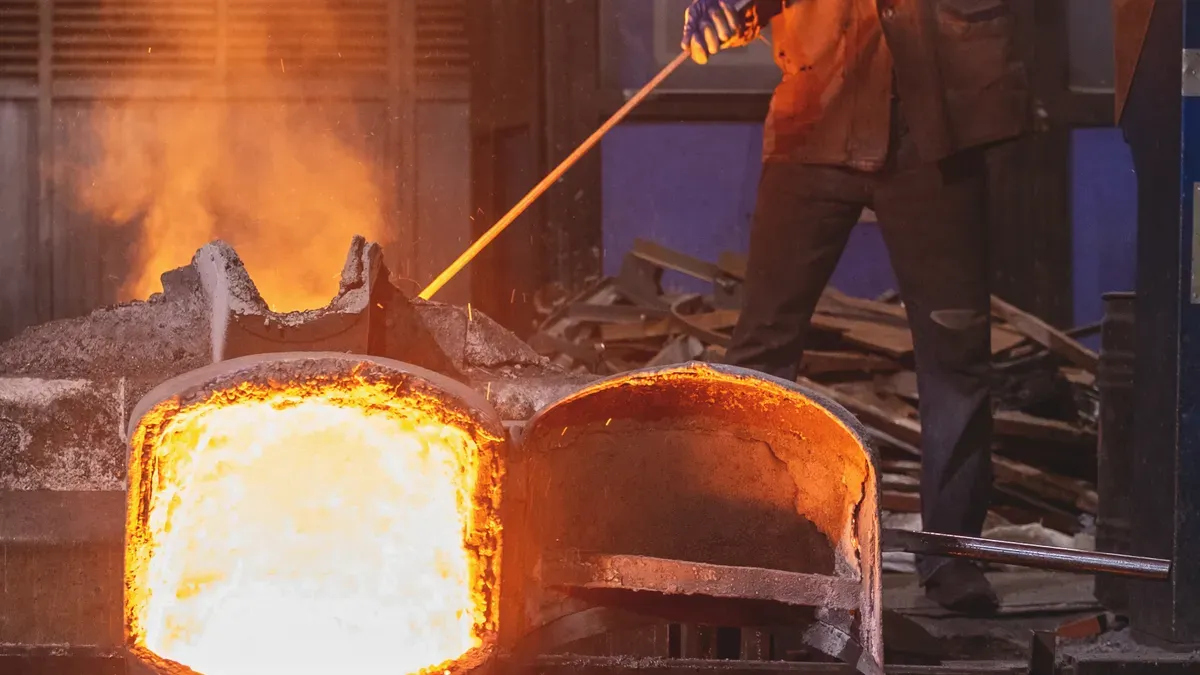
Induction preheating is used in many industries because it gives strong and steady results. Here are some ways people use this technology:
- In oil and gas projects, induction preheating helps make welds better and stops cracks. It lowers stress in the metal, so welds last longer.
- For pipelines in petrochemical and building work, induction gives even heat before and after welding. This helps you finish jobs faster and keeps workers safer.
- When making steel tools or machine parts, induction helps heat the metal to the right temperature every time. This makes sure the parts work well.
- In car factories, induction is used to harden parts like camshafts and gears. This saves energy and cuts down on waste.
Canroon’s induction systems help real factories get these good results. You can count on this method for big jobs that need to be done quickly and with high quality.
Field Work Scenarios
When you work outside or in hard places, you must pick the best heating method. The table below shows how induction preheating, resistance heating, and open flame heating compare in the field:
| الطريقة | السرعة | السلامة | كفاءة الطاقة | Quality of Results |
|---|---|---|---|---|
| التسخين الحثي | Fast | مرتفع | Over 90% | Best results |
| Resistance Heating | Slower | معتدل | أقل كفاءة | Variable quality |
| Open Flame Heating | Slowest | منخفض | Least efficient | Poor quality |
Induction preheating gives you the fastest and safest results. Resistance heating works, but sometimes the heat is not even and jobs take longer. Open flame heating is the slowest and can be dangerous. You should choose the method that fits your job, but induction gives the best mix of speed, safety, and good results.
Tip: Always check your tools and follow safety steps before starting field work.
Selecting Your Heating Method
Assessing Needs
You need to look at several factors before you choose a heating method for welding or metalwork. Each project has unique needs. You must check the type of metal you plan to weld. Stainless steel and titanium need special processes like TiG welding. The thickness of the material matters. Thick metals need careful heating to avoid cracks. Thin metals can burn through if you use too much heat.
Access to the joint is important. You must make sure your tools can reach the area you want to weld. The orientation of the joint affects how easy it is to keep the weld pool steady. Sometimes, you want the weld to look clean and neat. TiG welding gives you a better appearance. Speed can also matter. If you need to finish quickly, you may pick a method that heats faster. Your skill level plays a big role. Some heating methods need more practice and training.
Here is a table that shows the main criteria you should consider:
| المعايير | الوصف |
|---|---|
| Material type | Different metals require different welding processes, e.g., TiG for stainless steel and titanium. |
| Material thickness | Thicker materials need careful preparation to achieve full penetration, while thin materials risk burning through. |
| Access | The design must allow for the welding torch to reach the joint effectively. |
| Orientation | The position of the joint affects the ease of maintaining the weld pool. |
| Appearance | Aesthetic considerations may dictate the choice of welding process, with TiG providing cleaner welds. |
| السرعة | Faster welding may be prioritized over appearance, influencing the choice of process. |
| Welder skill | Different welding processes require varying levels of skill, impacting the choice based on the welder’s expertise. |
Tip: Always match your heating method to the needs of your project. This helps you get strong and safe welds.
Key Questions to Ask
You should ask yourself some key questions before you start. These questions help you pick the best heating method:
- What type of metal am I working with?
- How thick is the material?
- Can my tools reach the joint easily?
- What position is the joint in?
- Do I need a clean and neat weld?
- How fast do I need to finish the job?
- What is my skill level with different heating methods?
If you answer these questions, you can find the right heating method. You will get better results and keep your work safe.
Note: Careful planning leads to fewer mistakes and stronger welds. Take time to assess your needs before you begin.
You can look at the table to see what each heating method does well and what it does not do well:
| Heating Method | Strengths | Weaknesses |
|---|---|---|
| التسخين بالحث | Fast setup, high accuracy, safe results | Higher initial investment |
| Resistance Heating | Low cost, simple for small jobs | Slower, less precise, uneven temperatures |
| Open Flame | Easy to use in the field | Safety risks, poor quality, high emissions |
Induction preheating is great for welding because you can control the temperature very well. It saves energy and makes your work area safer. You should pick your preheating method based on how big your project is, what kind of metal you have, and how good you want your welds to be. If you need help, Canroon can give you advice and help you choose the right induction heating for your job.
الأسئلة الشائعة
What is the safest preheating method for welding?
You get the safest results with induction preheating. The coil stays cool, and only the metal heats up. You do not work with open flames or hot pads. This lowers your risk of burns and accidents.
How does induction preheating save energy?
Induction preheating puts heat right into the metal. You do not waste energy on the air or tools. You finish jobs faster and use less electricity. This helps you save money and protect the environment.
Can I use open flame preheating for all metals?
You should not use open flame preheating for every metal. Some metals can crack or get weak from uneven heat. Always check your welding rules and safety steps before you use an open flame.
Why do welders choose resistance heating?
Welders pick resistance heating for thin metals and small parts. This method works well in car and electronics factories. You get good control if you set up the pads right.