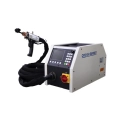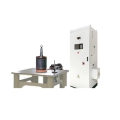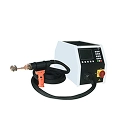





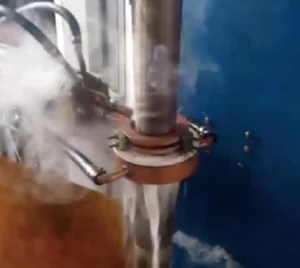
Induction hardening helps make metal parts stronger and tougher. You use induction to heat the outside of ferrous parts very fast. This hardening process makes the surface harder. It helps parts last longer and not wear out or break easily.
Induction hardening only heats the outside layer. The inside of the metal stays softer and can bend more.
Key Takeaways
- Induction hardening makes metal parts stronger. It heats only the outside fast. The inside stays soft. This helps the part stay tough and bendy.
- This process works well and saves money. It is used in many ways. It is common in car and factory parts.
- People can control how the heating works. They can make only some areas hard. The rest of the part does not change.
- Induction hardening helps parts fight wear and last longer. It also helps them work better when stressed.
- Picking the right materials is very important. Medium and high-carbon steels are best. They give the right hardness and strength.
Induction Hardening Overview
What Is Induction Hardening?
Induction hardening makes metal parts stronger and last longer. It uses electromagnetic induction to heat certain spots on metal, like gears or shafts. You can choose where to heat, so only the outside gets hot and hard. The inside stays soft, which helps the part take hits and bend without breaking.
Induction hardening is a heat treatment that uses electromagnetic induction to heat parts of a component. You get a hard surface but keep the rest strong and bendable.
Induction hardening is different from other heat treatments. You do not need to cover parts of the metal, and you can heat only the spots you want. The process makes a tough outside layer called the “case,” while the inside stays softer. You get a deeper case layer than other methods, and the part does not change shape much.
Here is a simple table that shows how induction hardening compares to other heat treatments:
| Feature | التقسية الحثية | Other Processes (Carburizing, Nitriding) |
|---|---|---|
| Hardening Method | Surface hardening using eddy currents | Gas or liquid treatments |
| Case Depth | .030” – .120” | Usually shallower |
| Distortion | Minimal | Higher |
| Selective Hardening | Yes | Often needs masking |
| Cost | Lower | Higher |
| Material Compatibility | Works with low-cost steels | Often needs higher alloy steels |
Purpose and Key Features
Induction hardening is used for many reasons. The main goal is to make the outside of metal parts harder so they last longer. You also want the inside to stay soft, so the part can handle stress and hits. This process works well for parts that get lots of pressure, like gears, shafts, and tools.
Here are some key features and benefits of induction hardening:
- The surface gets very hard, so it resists wear.
- The soft inside absorbs shocks, and the hard outside stops cracks.
- The surface is strong against scratches and dents.
- The inside stays tough, so the part does not break easily.
- You can temper the part to change how hard the outside gets.
- You can harden only certain spots without covering areas.
- The part keeps its shape, so there is little distortion.
- You can use cheaper steels, which saves money.
Induction hardening is great for parts that get lots of pressure and hits. You make the outside hard without changing the inside.
The process is quick, efficient, and flexible. You can control how deep and hard the outside gets. You make parts that last longer and work better in tough places.
Induction Hardening Process
Step-by-Step Process
You can follow a clear sequence when you use induction hardening for steel parts. Here is how the process works:
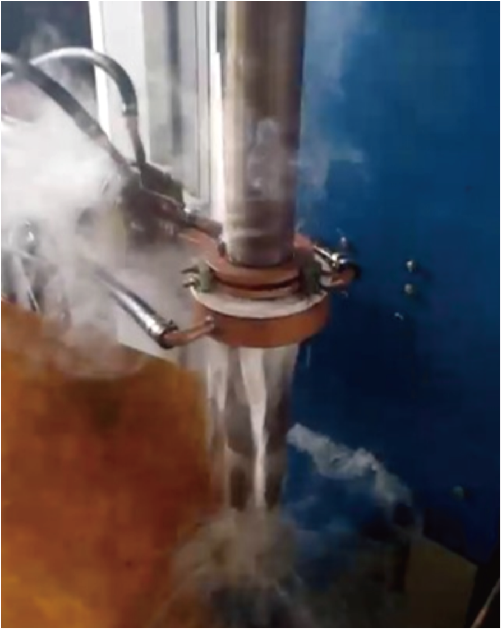
- You place the steel part inside or near a copper coil.
- The coil sends an alternating current through itself. This creates a magnetic field around the part.
- The magnetic field causes the surface of the part to heat up very quickly. Only the outer layer gets hot.
- You keep the part at the right temperature for a short time. This step is important for changing the surface structure.
- You quench the part right away, usually with water or oil. This cools the surface fast and makes it hard.
- You can adjust the frequency and the time to control how deep the hard layer goes.
Timing matters a lot. If you heat the part for too long or not long enough, you will not get the right hardness. You must quench the part quickly to lock in the hard surface.
Equipment and Principles
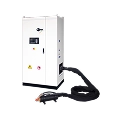
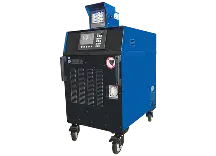
You need special equipment for induction hardening. Each part has a job in making the process work:
- Induction Coil: This is a copper coil that wraps around or sits near the part. It makes the magnetic field that heats the metal.
- Alternating Current (AC) Power Supply: This device sends high-frequency current through the coil. The current creates the magnetic field and heats the part.
- نظام التبريد: This keeps the coil and other equipment from getting too hot. It helps the process stay safe and steady.
The science behind induction hardening is simple but powerful. You use electromagnetic induction to heat just the surface of the metal. The coil creates a magnetic field. This field makes tiny electric currents, called eddy currents, flow in the surface of the part. These currents heat the metal by resistance, a process called Joule heating. When you quench the part, the surface becomes very hard, while the inside stays tough.
Induction hardening gives you a hard surface layer with compressive stress. This helps the part resist cracks and wear. The core stays strong and can handle bending or shocks. You get a part that lasts longer and works better under stress.
Factors Affecting Results
Many things can change how well induction hardening works. You need to pay attention to these factors:
- Temperature Distribution: The way heat spreads in the part changes the hardness profile. If the surface gets too hot or not hot enough, you will not get the right result. The center of the part often has the highest compressive stress, which helps stop cracks. The edges have less stress, so you must control the heat carefully.Stress TypeLocationValue (MPa)DescriptionCompressive HoopCentral Zone700Largest compressive stresses in the central zone.Compressive HoopOuter Edges< 450Much lower compressive stresses near edges.Tensile StressesDepth 7-15 mmN/ASignificant tensile stresses backing compressive layer.Axial StressesCentral Zone> 700Greater compressive stresses compared to hoop.Axial StressesEnd Effect ZoneN/ASimilar distribution to hoop stresses.
- Material Microstructure and Chemical Composition: Induction hardening works best on medium-to-high carbon steels. These steels have enough carbon to form a hard martensite layer. When you heat the surface above a certain temperature and quench it, the microstructure changes to martensite. This makes the surface very hard and wear-resistant.
- Process Timing: You must heat the part just long enough to reach the right temperature. If you do not, the surface will not get hard enough. If you heat it too long, you can damage the part. Quenching must happen right away to keep the hard surface.
- Equipment Settings: You can change the frequency and power of the current to control how deep the hard layer goes. Higher frequencies heat only the surface, while lower frequencies heat deeper.
Induction hardening lets you control where and how much you harden. You can make parts that fit your needs, from thin hard layers to deeper ones.
If you want reliable results, you can look for companies like Canroon. They offer induction hardening solutions and can help you choose the right setup for your parts.
Heat Treatment Benefits
Surface Hardness and Durability
You can make metal parts much harder with induction hardening. This heat treatment uses induction to heat the surface quickly, then cools it fast. The surface becomes very hard, while the inside stays tough. Here are some important improvements you get:
- Surface hardness can reach up to 1050 HV0.2, which is much higher than untreated steel.
- Induction hardening works better than nitriding for making some steels harder.
- You can raise the hardness of 4140 steel to 50-60 HRC. This makes the part resist scratches and wear.
When you use this process, you help parts last longer. You can trust them to work well in cars, machines, and tools, even when they face tough jobs.
Wear and Fatigue Resistance
Induction hardening does more than make the surface hard. It also helps parts resist wear and fatigue. You want your parts to keep working, even after many cycles of stress. Here is how this process helps:
- The hard surface layer fights off scratches and dents.
- The tough core lets the part bend without breaking.
- Rapid heating and cooling change the metal’s surface, making it stronger against wear and fatigue.
- You can control how deep the hard layer goes, so you get the right balance for your needs.
| Evidence Type | Description |
|---|---|
| Compressive Residual Stress | Induction hardening adds compressive stress to the surface. This stops cracks and helps the part last longer. |
| Efficiency | You can use this process in production lines. It works well for high-stress jobs. |
| Comparison with Other Methods | Induction hardening improves fatigue life better than carburizing or shot-peening. |
You can also adjust the process to get better wear resistance. For example, a feed rate of 24 mm/min gives you a deeper hard layer and better wear resistance.
Control and Accuracy
You get great control and accuracy with induction hardening. Modern systems use computers to set the right temperature and time. This means you get the same results every time. Here are some reasons why this process stands out:
- You can harden only the spots you want, keeping the rest of the part unchanged.
- The process reduces the risk of bending or changing the shape of the part.
- Automated controls make sure every part gets the same heat treatment.
- You can trust the results, even in mass production.
Tip: If you want parts that fit tight spaces and keep their shape, induction hardening is a smart choice.
Applications
Automotive and Machinery Parts
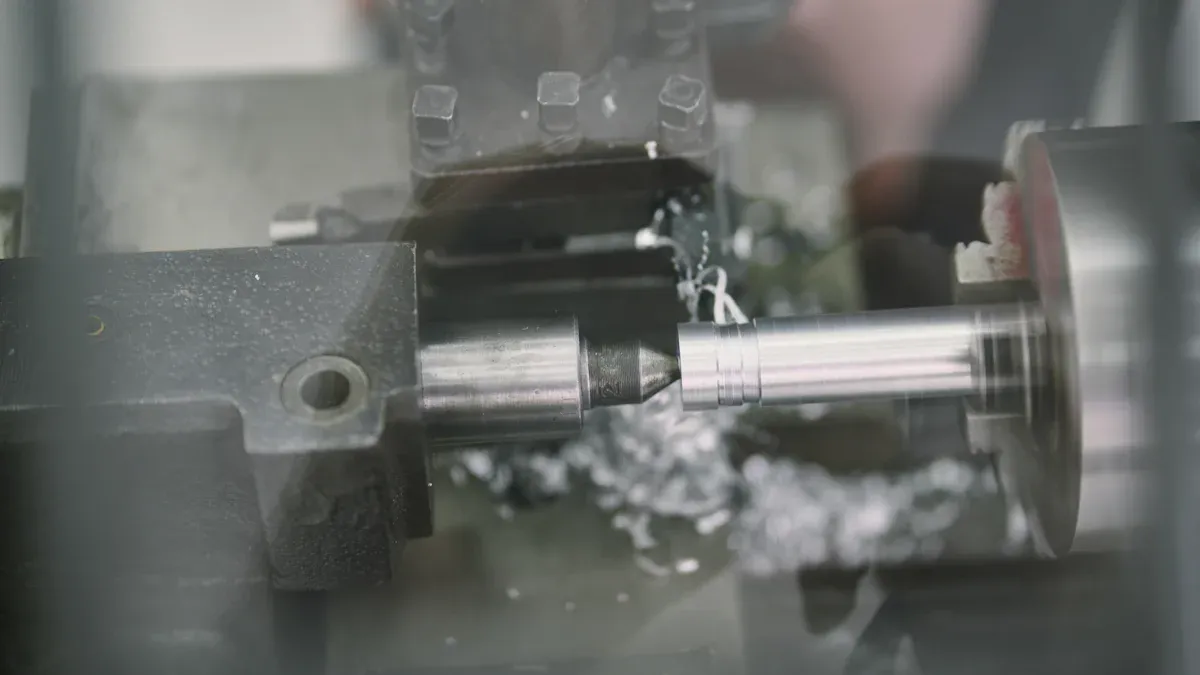
Induction hardening is used in many car and machine parts. This process helps parts last longer and work better. You often see it used for:
- Gears
- Shafts
- Axles
- Guideways
- Worm gears
It is also used for brake parts, drivetrain parts, and steering systems. These parts need a hard outside to stop wear. They also need a tough inside to handle stress. Induction hardening gives both. The parts keep their shape because there is little bending.
Induction only heats the surface. This makes the outside hard and keeps the inside strong.
Here is a table that shows how induction hardening helps car parts:
| Component Type | Hardness Achieved (HRC) | Case Depth (mm) | Performance Benefit |
|---|---|---|---|
| Crankshafts | 58-62 | 1.5-3.0 | Better wear resistance and fatigue strength |
| Camshafts | 58-62 | 1.5-3.0 | Longer life and higher reliability |
Parts get better at fighting wear and holding heavy loads. This means cars and machines can work longer without breaking.
Tools and Industrial Components
Induction hardening makes tools and industrial parts stronger. It helps in many ways:
- It makes tools harder and stops them from wearing out fast.
- It makes parts stronger so they do not bend or crack easily.
- It saves time and money because the process is quick.
This process is used in the tool and die industry to harden molds and cutting tools. It is also used in aerospace for landing gear and turbine blades.
Induction hardening gives a hard surface, better strength, and less risk of bending. Parts stay accurate and work well.
Here are more benefits:
- You get the same results every time.
- You use less time and energy.
- You keep quality high and costs low.
Induction hardening helps make parts that last longer and work well in tough jobs.
Considerations and Limitations
Material Suitability
You must pick the right metal for induction hardening. Some metals do not work well with this process. The kind of steel or alloy you use changes how hard and tough the part gets. Here are some materials that work best:
- Medium-carbon steels have 0.35% to 0.55% carbon. They give a good mix of strength and toughness. These are used in gears and shafts.
- High-carbon steels have 0.60% to 1.00% carbon. They make very hard surfaces. You use them when you need high wear resistance. You must control the process to stop cracks.
- Alloy steels like chromium-molybdenum or nickel-chromium are very tough. They are good for big or important parts.
- Tool steels help parts resist wear and keep their shape. You use them for cutting tools and jobs with lots of wear.
- Some cast iron grades can work, but you must be careful. They can crack if not handled right.
- Specialty materials like powder metallurgy parts and precipitation hardening steels are used for special jobs. They mix corrosion resistance with hardenability.
If you choose the wrong material, you may not get the hardness or strength you want. Always check the steel’s carbon level and alloy parts before you start.
Process Challenges
You can run into problems during induction hardening. These issues can change how good your parts are. Common problems include:
- Cracking can happen from flaws, too much heat, or bad quenching.
- The surface may not get hard enough if you do not heat or cool it right.
Manufacturers often control power and heat depth. They use advanced inverter technology. They focus on picking the right material, preheating, and quenching to stop cracks and bending.
You can also:
- Pick steel with the right hardenability and control its quality.
- Adjust heating to keep from overheating.
- Change quenching to lower stress.
It helps to plan your part’s design for heat treatment. This step can lower the risk of cracks after hardening.
You must watch each step closely. Careful control helps you make strong and reliable parts with induction hardening.
You now know how induction hardening makes metal parts stronger and more dependable. The table below shows the main good points and challenges to help you decide:
| Benefits | Limitations |
|---|---|
| High productivity | Expensive equipment at the start |
| Energy efficiency | Need special inductors for each job |
| Clean, even results | Hard to shape coils for some parts |
| Easy to use with machines |
If you understand these things, you can make products better and spend less money. When picking a company to help, follow these steps:
- Decide what you need the part to do.
- Write down all the materials you could use.
- See if each material can be hardened.
- Look at how strong each material is.
- Think about price and how easy it is to get.
For good results, you can choose Canroon for your factory needs.
الأسئلة الشائعة
What metals can you use for induction hardening?
You can use medium-carbon and high-carbon steels. Some alloy steels and certain cast irons also work. Metals with enough carbon give the best results.
How deep does the hard layer go?
The hard layer usually goes from 1 mm to 6 mm deep. You can control the depth by changing the frequency and heating time.
Is induction hardening safe for all shapes?
Induction hardening works best for round or simple shapes. Complex shapes may need special coils or setups.
Can you harden only part of a component?
Yes! You can target just the areas you want. Induction lets you heat and harden only the surface spots that need extra strength.