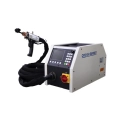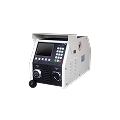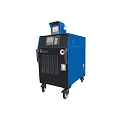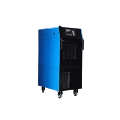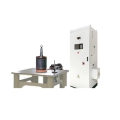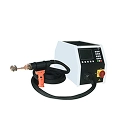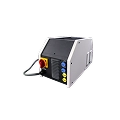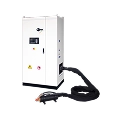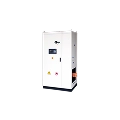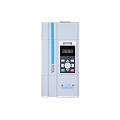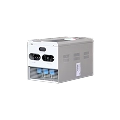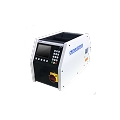





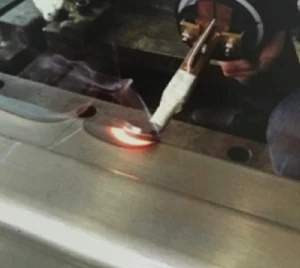
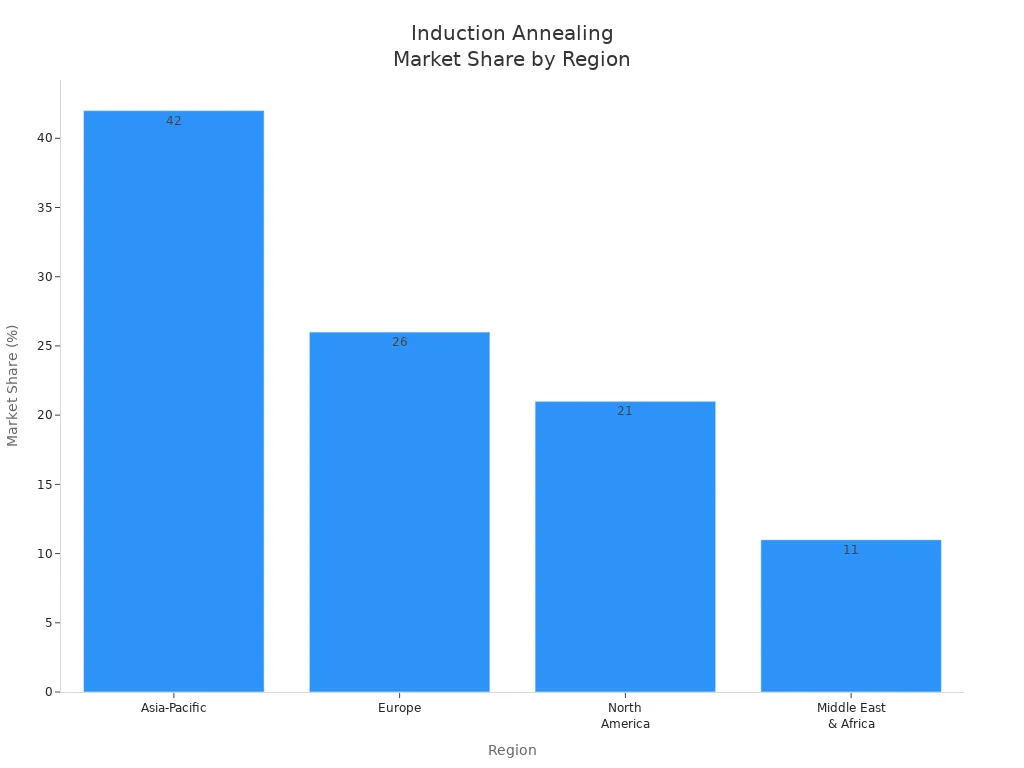
You use an induction annealing machine to heat wire and strip. The machine does not touch the materials. Induction uses electromagnetic fields to heat things. This makes the process work better and keeps things cleaner. Canroon is a leader in this technology. They give you good solutions for your production. The rate of adoption is different in each region. The table below shows these differences:
| Region/Industry | Market Share (%) | Key Drivers/Notes |
|---|---|---|
| Asia-Pacific | 42% | Metal processing and EV production are in high demand. |
| Europe | 26% | Sustainability rules and the car industry are important. |
| أمريكا الشمالية | 21% | Aerospace, defense, and EV manufacturing are key. |
| Middle East & Africa | 11% | Oil-based uses and infrastructure growth matter here. |
النقاط الرئيسية
- Induction annealing machines heat wire and strip without touching them. This keeps the process clean and efficient.
- This technology lets workers control the temperature very well. It helps make metal products better and more flexible.
- Induction heating uses less energy and lowers costs. It heats only the parts that need it. This makes it work better than old methods.
- Canroon machines fit easily into production lines. They help reduce downtime and boost productivity.
- Using induction heating after welding and for taking off insulation makes wire and strip stronger, cleaner, and more reliable.
Induction Annealing Machine Basics
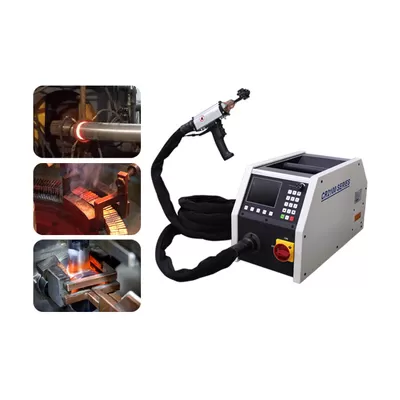
What Is Induction Annealing?
You use an آلة التلدين بالحث الحراري to heat metal wire and strip without touching them. The machine uses electromagnetic fields to make eddy currents inside the metal. These currents heat up the metal. When the metal gets hot, it becomes softer and easier to bend. The surface stays clean because there are no flames or direct contact. Many industries use this method because it is safe and accurate.
- Induction heating lets you heat just the surface if needed.
- High frequency power sources treat the surface with great accuracy.
- Low frequency power sources heat deeper for a uniform structure.
- Bright annealing machines work well on fast production lines. They help stop oxide from forming and keep the finish clean.
Induction annealing makes wires and strips more flexible. This process also removes stress from the metal and makes it better.
How the Machine Works
An induction heating system has a special coil that makes a magnetic field. You put the metal wire or strip inside or near the coil. When you turn on the system, it changes AC power to a higher frequency. This makes an electromagnetic field around the coil. The field goes through the metal and makes eddy currents inside it. These currents heat the metal right away.
نصيحة: You can control the temperature by changing the frequency and power of the induction heating system. This helps you get the results you want.
The induction coil is the most important part of the system. It goes around the metal and sends an alternating current through itself. This current makes the electromagnetic field. When the metal is in this field, it heats up fast and evenly. You do not need to touch the metal, so the process stays clean and safe.
Here is how the process works step by step:
- The induction coil goes around the metal wire or strip.
- The induction heating system sends an alternating current through the coil.
- The coil makes an electromagnetic field.
- The field makes eddy currents in the metal.
- The metal heats up to the right temperature for annealing.
- You keep the temperature steady for a set time to soften the metal.
Induction heating works well for many reasons:
- You can control the process very well.
- The heat spreads evenly, so the metal does not have weak spots.
- The process softens the metal, removes stress, and makes it easier to bend.
- You can use the system on fast production lines.
- The process stops oxidation and keeps the surface bright.
Induction heating systems use different coil shapes for different jobs. Multi-turn helical coils can heat rods of many sizes and work better. Some systems use automation and robots to make the process faster and safer. You can heat small areas to exact temperatures, even in special atmospheres that stop oxidation. Some machines can heat up to 27 feet per minute, which helps you make more products.
Induction heating gives you a clean, fast, and reliable way to process wire and strip. You can trust this technology to give you high-quality results every time.
Canroon Machine Features
Main Components
A Canroon induction annealing machine has many important parts. The most important part is the induction coil. This coil makes a strong electromagnetic field. It helps heat wire and strip very fast. There is also a power supply that gives energy to the coil. The machine has a cooling unit to keep it safe when it works for a long time. Temperature sensors help you control the heat. They make sure the process stays steady. You can use these machines for many jobs, like making electrodes. They give you exact control over heating. The design works well with fast lines. You can use it for different sizes of wire and strip.
In-Line Integration
Canroon machines fit easily into your production line. You do not have to stop the line to use induction heating. The table below shows how in-line integration helps your work:
| ميزة | الوصف |
|---|---|
| Modular and Expandable Design | Works with many line speeds and product sizes. This makes your production more flexible. |
| Automatic Power Control | Changes power based on line speed. This saves energy and cuts waste. |
| Recipe Storage | Lets you switch between products quickly. This means less downtime during production. |
| Integrated Temperature Sensing | Gives you exact control over the process. This makes your products better and more consistent. |
You can change settings quickly and keep your line running. This saves time and keeps your products high quality.
Safety and Efficiency
Canroon induction heating machines have strong safety features. The system uses sensors to check the temperature. It stops the process if things get too hot. Induction heating puts energy right where you need it. You do not waste energy heating the whole furnace. This method uses up to 90% of the energy for heating. You spend less money and use less power. The machine does not use open flames or touch the metal. This keeps your workplace safer.
Canroon machines follow important industry rules:
- CE certification
- ISO9001 certification
You can trust these machines for safe and efficient heating. They work well for wire and strip processing.
Wire and Strip Applications
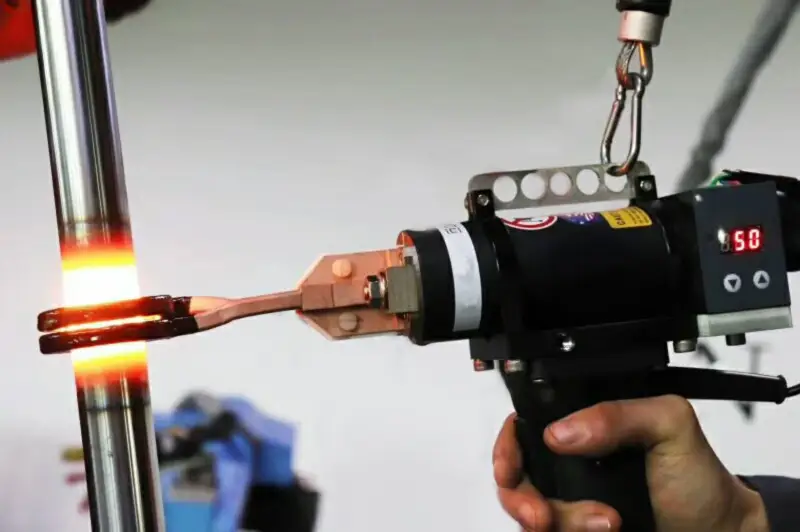
Induction heating is used for many jobs in wire and strip processing. This technology helps make products better, saves time, and lowers mistakes. Here are some main ways it is used.
Post-Weld Annealing
When you weld wire or strip, the area near the weld can get hard and break easily. You need to make this spot softer and stronger. Induction heating gives you a quick and controlled way to do this. The آلة التلدين بالحث الحراري heats the weld area. This step takes away stress and changes the inside structure. It helps stop problems like oxides and holes. The weld gets stronger and more even.
Induction heating is good for post-weld annealing because you can set the heat and time. You get better strength and a cleaner look. You also save energy since only the needed area is heated.
ملاحظة: Using induction heating for post-weld annealing helps stop problems and makes your wire or strip last longer.
Insulation Stripping
You often need to take off insulation from wire before the next step. Induction heating gives you a fast and clean way to do this. The machine heats the metal inside quickly. The heat makes the insulation come off or burn away. You do not need to use chemicals or sharp tools. This keeps your wire safe from cuts or harm.
You can use this method for many wire types, like:
- Aluminum
- Copper
- Beryllium copper
- Carbon steel
- Stainless steel
- Titanium
- Nickel
- Nitinol
Induction heating works on wires of different sizes and shapes. You can set the machine to match how fast you work. This makes insulation stripping a very useful job in wire processing.
Microstructure Refinement
You want your wire and strip to have even grain size and fewer problems. Induction heating helps make the inside structure better during annealing. If you use the right heat and time, new grains grow and stress goes away. This makes your product stronger and easier to shape.
Here is a table that shows how induction heating changes the inside of metal wires and strips:
| Study | Temperature (°C) | Microstructure Changes | Formability (r-value) |
|---|---|---|---|
| Du et al. | 960 | Weak γ-fiber texture forms, some α-fiber texture goes away | 1.73 |
| Bai et al. | 950 | New grains with even γ-fiber texture grow, less α-fiber orientation | 1.71 |
| Patra et al. | 940 | Big cube grains get smaller, less γ-fiber texture strength | Improved formability |
You can see that using the right heat with induction makes grain structure and formability better. This means your wire bends more easily and has fewer weak spots.
You also want to lower problems and get even grain size. The next table shows how different steps change grain size and problems:
| Process Type | Mean Grain Size (μm) | Low-Angle Grain Boundaries (LAGBs) | Kernel Average Misorientation (KAM) |
|---|---|---|---|
| Pristine Sample | 6 | N/A | N/A |
| Post 50% Rolling | 7.6 | N/A | N/A |
| Thermal Annealing (200 °C) | 7.8 | No change | No change |
| EWF-Assisted Annealing (200 °C) | 12 | Lower | Lower |
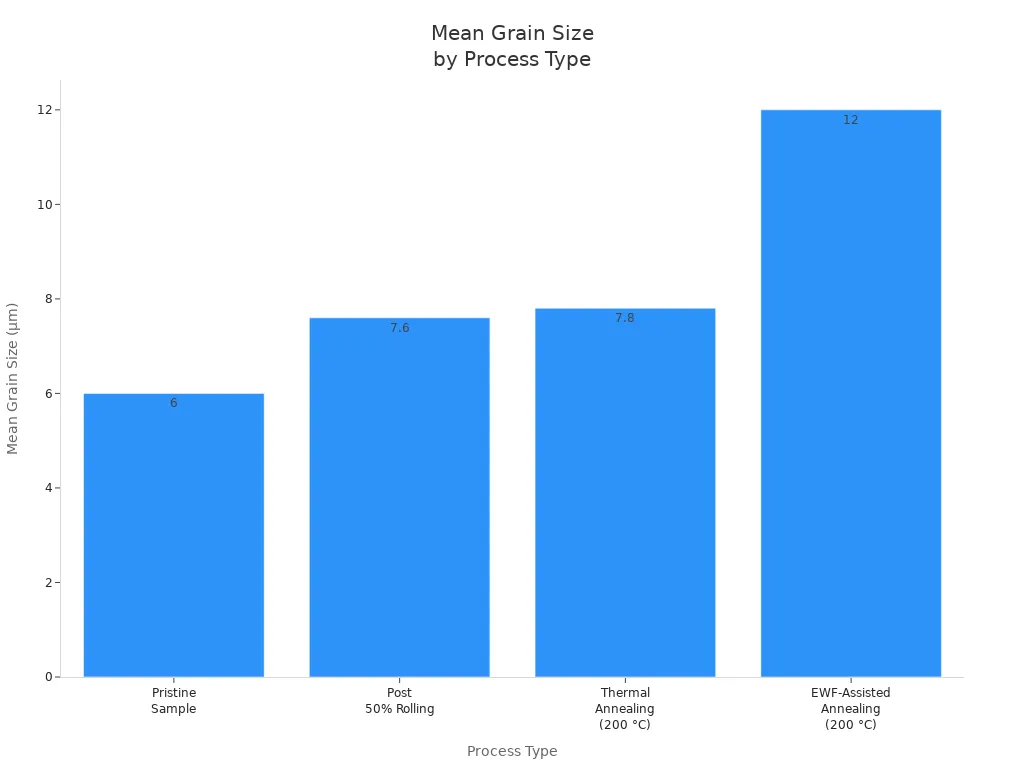
- EWF-assisted annealing at 200 °C makes grain size go up to 12 μm, while thermal annealing only gets to 7.8 μm.
- Thermal annealing does not change the number of low-angle grain boundaries or Kernel Average Misorientation, so it does not fix problems much.
- The EWF process helps atoms move more, so grains grow and problems get fixed better than with just thermal annealing.
You can use induction heating for many jobs, such as:
- Post-weld annealing to take away stress and add strength
- Insulation stripping to get wire ready
- Microstructure refinement for better bending and fewer problems
- Making wire and strip more bendable and less stressed
- Taking off coatings to get the surface ready
Induction heating gives you control, speed, and good results. You can use it for many jobs in wire and strip processing. You get products with even grain size, fewer problems, and better use.
Benefits and Considerations
Efficiency vs. Traditional Methods
When you use an induction annealing machine, you get many benefits. Induction heating warms up wire and strip very fast. The heat comes from inside the material. This makes the annealing cycle shorter and helps you work faster. You can set the temperature exactly how you want it. The results are the same every time. Induction heating saves energy because it does not waste heat. You finish your work quickly and spend less money.
Induction heating gives you the same heat every time. You get less rust and a better surface.
Quality and Cost Advantages
Induction heating makes your wire and strip better. The process gives even strength and a smooth inside structure. Your products become stronger and easier to bend. The grain size stays the same, so the wire bends well and lasts longer. Induction heating only heats a small area. This keeps the metal’s good parts and stops it from bending out of shape.
You also save money with induction heating. The table below shows how you save:
| الميزة | الوصف |
|---|---|
| Precision and Control | You can adjust the heat for even results. |
| Speed and Efficiency | Heating is fast, so you finish sooner. |
| كفاءة الطاقة | You use less energy because heat goes right into the metal. |
| Clean and Contactless | The process is clean and does not touch the wire. |
| Better Surface Finish | You get less color change and less bending than old methods. |
- Induction heating uses less energy. You pay less for power and help the environment.
Choosing the Right Machine
You need to pick the best induction annealing machine for your work. Think about how fast you make things and the size of your wire or strip. Make sure the machine fits your line and can do the job. Check if the machine has automatic power control and temperature sensors. These help keep the heat steady. Look at the induction coil to see if it is broken. Make sure the cooling system works well. Clean the power supply often. Calibrate the machine so the temperature is always right.
You might have some problems. If you move things by hand, the wire may not be soft everywhere. If you do not control the heat well, the wire may stay too hard. You can stop these problems by picking a machine with good controls and automation.
Tip: Choose a machine that fits your work and is easy to take care of. This helps you get the most from induction heating.
You get lots of good things when you use an induction annealing machine for wire and strip processing. The machine heats up wire and strip much faster. You can control the process easily. It uses less energy than other machines. Canroon is a trusted company. Many people say they have less downtime. They also get help quickly when there is a problem. The table below shows what users think about Canroon machines:
| Performance Metric | User Feedback |
|---|---|
| سرعة التسخين | Users say the machine heats up faster |
| Control | Touchscreen and app make control easier |
| Energy Consumption | Users use 25% less energy after switching |
| Downtime | Fewer breakdowns mean less downtime |
| Support Team Efficiency | The support team fixes problems quickly |
You can make your products better and spend less money. Think about using this technology for your next upgrade.
الأسئلة الشائعة
How does an induction annealing machine improve wire quality?
Induction annealing heats wire fast and evenly. This makes the wire softer. It also takes away stress. The wire bends easily and lasts longer.
Can you use induction annealing for solid-state batteries?
Induction annealing is used to make solid-state batteries. The machine controls the temperature well. It heats things quickly. This helps battery materials become better.
What is the sintering process in wire and strip manufacturing?
The sintering process joins metal particles together. Induction heating gives you exact control. You get wire or strip that is strong and even.
Is induction annealing safe for lithium-ion batteries?
Induction annealing is safe for lithium-ion batteries. The machine heats parts without touching them. This keeps battery parts clean and lowers risks.
Why do you need rapid heating capabilities in wire processing?
Rapid heating makes production faster. Induction annealing machines heat wire and strip quickly. You save time and energy.