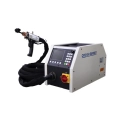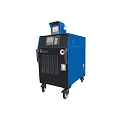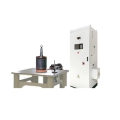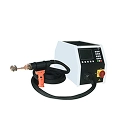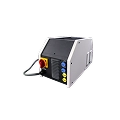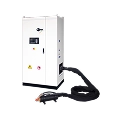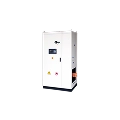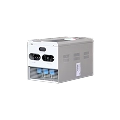





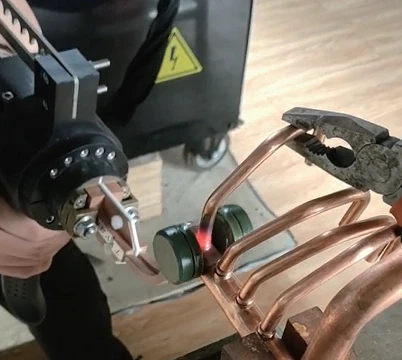
You have busy work schedules in hvac making today. Getting zero-defect, leak-proof hvac brazing is very important. Old open-flame brazing often causes bad joints and overheating. It also traps flux inside the metal parts. Smart induction heating fixes these common problems easily now. Modern induction brazing sends heat right to your line. You control the settings and design the coil shape. You also check joint quality as you work today. New induction tech helps make every joint the same. It makes strong, reliable joints every single time too. Upgrade your factory line now with smart induction tools.
النقاط الرئيسية
- التسخين بالحث الكهرومغناطيسي replaces open flames for safety.
- It makes stronger, leak-proof HVAC joints.
- Custom coil shapes and power settings give fast, even heat.
- Clean tube surfaces and nitrogen purging stop inner rust.
- This also makes the joint quality much better.
- Regular care of water chillers keeps machines working smoothly.
Fundamentals of Induction Heating in HVAC Joining
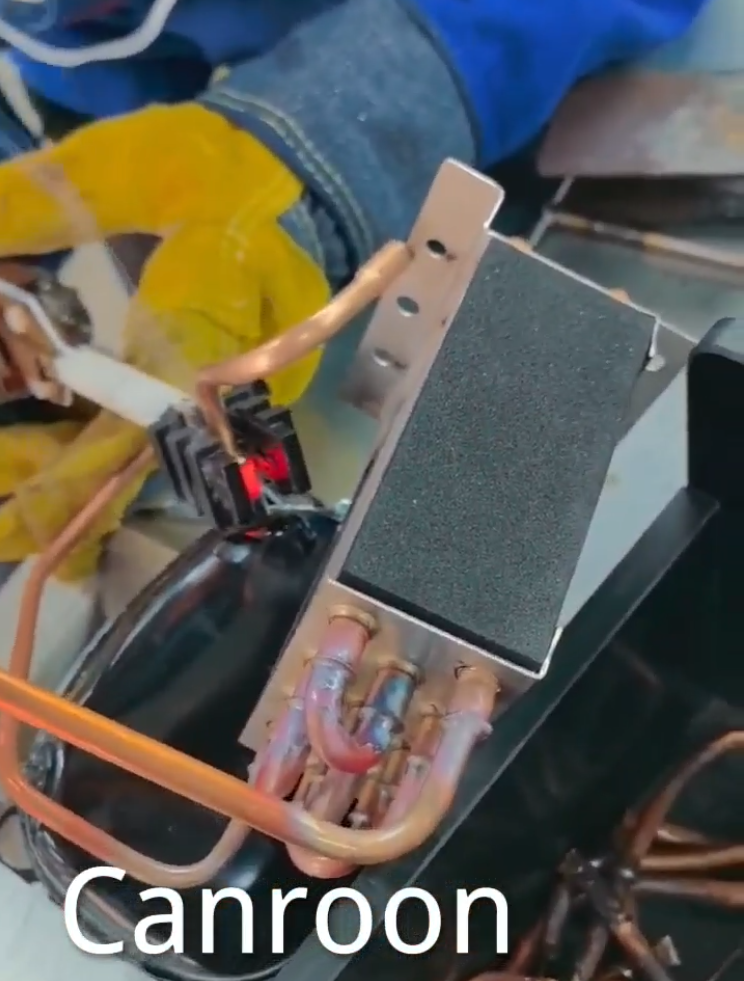
You must learn heat science for your hvac line. التسخين بالحث الكهرومغناطيسي uses fast electric current in a coil. This current makes a strong magnetic field. The coil makes tiny currents inside metal hvac tubes. Metal fights these currents to make fast heat.
Electromagnetic Principles for Metal Joining
Metal traits change how heat moves into hvac joints. Steel takes in magnetic power very fast. Copper needs higher speeds to heat up well. Look at the metal traits below:
| Material | Electrical Resistivity Category | Relative Magnetic Permeability |
|---|---|---|
| Copper | Very Low | Non-magnetic (Diamagnetic) |
| Mild Carbon Steel | مرتفع | Ferromagnetic |
| Stainless Steel | مرتفع | High-resistive |
Steel heats up fast through magnetism and currents. Copper has no magnetic heat action at all. So, your tools must send direct power to copper. New aluminium hvac parts need exact heat control. Aluminium melts very fast during the process.
Heat Distribution in Copper and Steel Tubing
Different hvac parts spread heat in new ways. Thin copper tubes move heat fast. Heavy steel parts keep heat longer. You can learn brazing techniques by balancing heat. Focused power stops hot spots on soft parts.
[Inductor Coil] ---> (Magnetic Field) ---> [HVAC Tube Wall] ---> (Localized Heat)
Solid-state tools give exact heat power. You set heat depth easily every time. This smart method improves every hvac brazing job.
Solid-State Power Supply Architecture
Canroon tools give steady energy to your shop. New induction brazing machines replace open flames safely. You set exact rules for اللحام بالحث الحراري work. Controlled power makes metal filler flow right. Exact اللحام بالحث الحراري stops all unwanted heat changes.
Our digital power units fix every اللحام بالحث الحراري cycle. You save soft valves while heating thick joints. This brazing process makes tight seals on all metals. Your line gets great results with hvac induction brazing.
Key Parameters for High-Precision Induction Brazing
Main job factors change your work results fast. You balance power, setup, and items carefully. Right settings give steady heat to joints.
Custom Coil Design and Geometry
Coils transfer energy in your tool line. Shaped coils send magnetic power straight ahead. Canroon makes special coils for hard parts. These include multi-port manifolds and service valves. Shaped coils protect soft seals on valves. They heat up thick brass bodies safely.
Basic round coils cause hot spots easily. Custom coil shapes match parts very well. You protect inner parts with focused energy. Good coil shapes move current to gaps. Liquid filler metal flows into gaps quickly.
Frequency and Power Setting Selection
Choosing proper speed and power brings success. High field speeds warm thin copper walls. Low speeds push heat into heavy steel. You manage heat depth with fast settings. You match settings to tube wall size.
Tip: Matching tool power stops melted alloy damage.
Power speed changes heat growth on parts. High power warms joints but causes rust. Low power slows heat and dries flux. Smart tools control power for strong joints.
Managing Coupling Distance and Alignment
Distance means the gap to the tube. Small gaps boost power transfer speeds greatly. Large gaps lower magnetic field power lot. You keep equal gaps around the tube.
Auto clamps hold copper tubes inside loops. Crooked tubes heat parts poorly and unevenly. Precision tools stop heat changes every day. Good spacing stops hot spots on valves.
Filler Alloys and Flux Compatibility
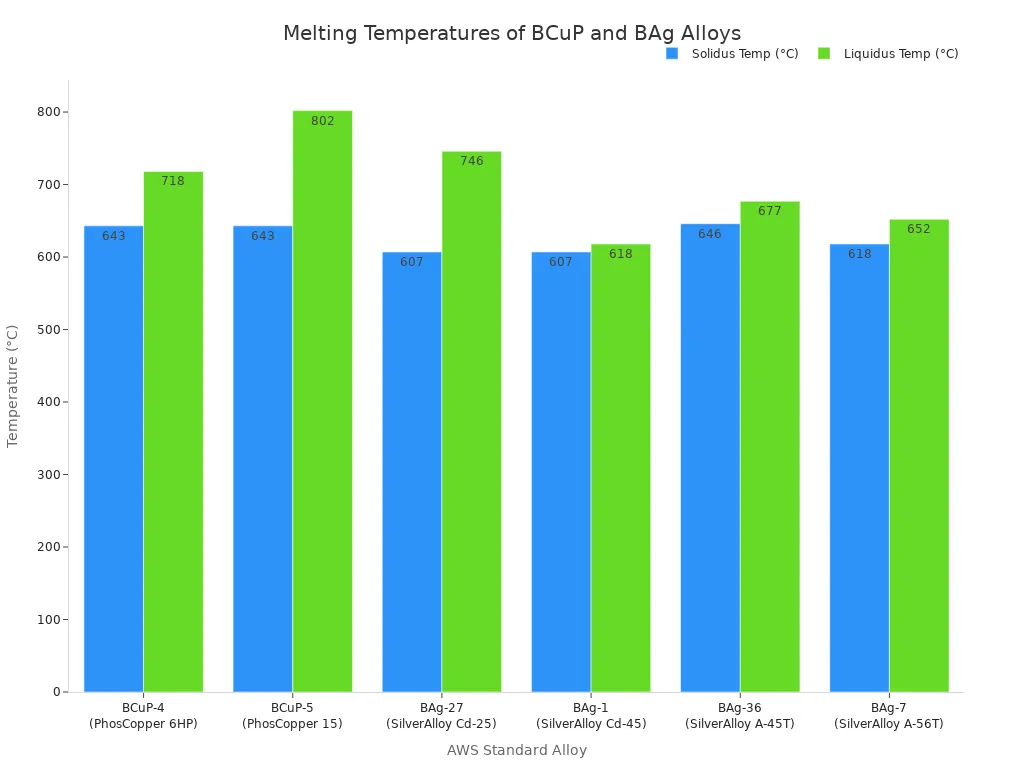
Good filler metals build tight tube joints. Copper-phosphorus alloys work well on copper. Phosphorus cleans copper metal parts naturally today. Mixed metal joints need silver alloys fast. They use special flux for good bonding.
| AWS Standard | Product Name | Nominal Composition (%) | Melting Temperature Range (Solidus/Liquidus) |
|---|---|---|---|
| BCuP-4 | PhosCopper 6HP | 6% Ag, 86.75% Cu, 7.25% P | 1190–1325°F / 643–718°C |
| BCuP-5 | PhosCopper 15 | 15% Ag, 80% Cu, 5% P | 1190–1475°F / 643–802°C |
| BAg-27 | SilverAlloy Cd-25 | 25% Ag, 35% Cu, 26.5% Zn, 13.5% Cd | 1125–1375°F / 607–746°C |
| BAg-1 | SilverAlloy Cd-45 | 45% Ag, 15% Cu, 16% Zn, 24% Cd | 1125–1145°F / 607–618°C |
| BAg-36 | SilverAlloy A-45T | 45% Ag, 27% Cu, 25% Zn, 3% Sn | 1195–1251°F / 646–677°C |
| BAg-7 | SilverAlloy A-56T | 56% Ag, 22% Cu, 17% Zn, 5% Sn | 1145–1205°F / 618–652°C |
Special HVAC builds join copper to steel. They also join copper to light aluminium. Pick flux chemistry that cleans rust away. Strong flux melts rust before metal flows.
| Dissimilar Metal Joint | Required Flux Formulation | Key Chemical Composition | Functional Mechanism / Application |
|---|---|---|---|
| Copper to Aluminum | Specialized Borate Welding Flux | • Fluoride activators (KF, NaF, or K₂AlF₆) at 20–40 wt% • Elemental boron at 0.5–2.0 wt% • Cesium or rubidium compounds (0.1+ wt%) | Dissolves high-melting aluminum oxide (Al₂O₃) films by forming low-melting fluoroaluminates; enhances alloy spreading in repair/aftermarket joints. |
| Copper to Aluminum | Fluoride-Activated Borate Brazing Flux | • Fluoride compounds at 15–20 wt% • Boron oxide at 10–15 wt% | Lowers melting points, aggressively removes refractory oxides, and reduces viscosity for difficult-to-bond substrates. |
| Copper to Stainless Steel | Boric Acid-Free Brazing Flux | • Potassium pentaborate-metaborate ratio of 4:1 to 10:1 (or 4:1 to 6:1) | Provides low-corrosivity residues (pH 6.5–7.5), eliminates halogens to avoid stress corrosion cracking, and ensures superior wetting in HVAC-R systems. |
| Copper to Stainless Steel | Elemental Boron-Enhanced Brazing Flux | • Elemental boron (0.01–10%) • Tungsten or manganese compounds (0.01–10%) | Significantly improves wetting behavior and bond strength on hard-to-wet stainless steel surfaces when using silver or copper-based filler metals. |
Modern shops use fine heat controls now. Clean metal alloys protect inner tube paths. Exact heat pushes metal into tiny spaces. It stops burning sensitive flux compounds quickly.
Learning good brazing techniques makes clean draws. Workers fix gaps by tracking heat times. New aluminium brazing needs exact thermal tracking. Light aluminium tubes react quickly to heat.
Exact power settings speed up your brazing process. Steady heat stops wear near warm spots. Factories use اللحام بالحث الحراري instead of flames. Fixed اللحام بالحث الحراري methods create tight seals.
Best Practices for Quality HVAC Brazing Workflows
Follow clear factory steps. This makes strong, leak-free joints. Good steps stop line defects. They also save money.
Surface Preparation and Oxide Removal
Clean metal well before heating. Dirt and oil ruin joints fast. اللحام بالحث الحراري needs clean surfaces. Clean metal lets alloy flow well.
Follow these simple cleaning steps:
- Mechanical Cleaning: Rub tube ends with pads. Remove surface oxides before اللحام بالنحاس. Clean metal helps liquid cover joints.
- Chemical Degreasing: Wipe metal with solvent cleaners. Solvents remove oil leftovers from machines.
- Dry Nitrogen Purging: Push dry nitrogen through the tube. Nitrogen removes oxygen inside the pipe. High-speed heat limits scale. Nitrogen stops inside rust completely.
Good brazing techniques keep dirt away. Clean metal makes hvac systems last longer. Clean parts stop future refrigerant leaks. You secure joints in hvac brazing by removing oil. Handle delicate aluminium tubes gently. Special aluminium brazing needs exact heat control. Oxides form fast on light metals.
Joint Clearance and Preform Placement
Keep the right gap between tubes. Capillary action pulls filler metal during اللحام بالنحاس. Small gaps draw melted metal deep inside.
[Outer Tube Wall]
    |  <-- Capillary Clearance (0.001" - 0.005")
[Alloy Preform Ring]
    |
[Inner Tube Wall]
Put alloy preforms in place before heating. Ring preforms supply exact filler metal. This heat step stops oxide formation. It stops manual alloy feeding errors too. Small gaps matter in hvac production lines. Get tight fits using اللحام بالحث الحراري. HVAC lines use copper preforms to speed up work. Good gaps improve product quality.
Copper tube joining needs fast heat. Check normal tool test results below:
| Parameter / Metric | Industrial Requirement / Target | Achieved Application Benchmark |
|---|---|---|
| Tube Outer Diameter (OD) | 3/8 inch (9.53 mm) | 3/8 inch (9.53 mm) |
| Heating Equipment | 5kW Induction System | UBraze Handheld 5kW System |
| Brazing Cycle Time | 7 – 10 seconds per joint | 1 – 7 seconds per unit |
| Target Temperature | Under 1400°C | Set up to 815°C |
This tool offers fast اللحام بالحث الحراري. The small tool heats parts without damaging nearby walls.
Temperature Control and Process Monitoring
Exact heat control gives steady results. HVAC parts have joints near delicate valves. Protect hvac parts by tracking heat. Coils focus heat right on the target.
Canroon tools use closed-loop heat tracking. Sensors read tube surface heat continuously. Digital controls stop اللحام بالنحاس at target heat levels automatically.
Note: Real-time pyrometer monitoring prevents overheated joints and eliminates burnt flux residues.
Engineers choose اللحام بالحث الحراري for higher output. Automated اللحام بالحث الحراري stops worker errors. Place the loop around the fitting. Smart tools hold exact gap heat automatically. The magnetic field melts filler fast.
Control the brazing process with exact power settings. Sensors check tube heat during اللحام بالنحاس. Digital units adjust power fast. Smart tools finish اللحام بالنحاس without open flames.
Steady power gives reliable quality every time. Nitrogen gas stops carbon buildup inside tubes. Your plant cuts energy costs with اللحام بالحث الحراري. Fast heat stops thermal spread to nearby pipes. Compact power units fit small spaces.
Engineers design hvac coils for fast flux flow. Low melting points make aluminium weak to hot spots. Protective flux dissolves oxide layers fast. Factories use hvac brazing for zero-leak parts. Fast اللحام بالحث الحراري creates strong seals everywhere. Workers inspect every joint after اللحام بالنحاس. Tracking cool times protects metal strength. Cleaning flux finishes the brazing process. Canroon tools supply steady current to all lines. Your hvac shop saves time with automation. Engineers test brazing techniques on thin tubing for long life. Closed-loop feedback guarantees good joints every time.
Equipment Care and Maintenance in اللحام بالنحاس Production
You keep your line running with basic equipment care. Regular fixes protect units. They ensure steady output quality.
| Component | التردد | Action |
|---|---|---|
| Water Chiller | Weekly | Check fluid levels and clean water filters. |
| مصدر الطاقة | Monthly | Inspect electrical connections and blow out dust. |
| Inductor Coil | Daily | Inspect for physical wear and thermal stress. |
Water-Cooling System Maintenance
Cooling systems protect your unit during long runs. You check flow rates daily. Clean water stops mineral buildup in copper tubes. Open fluid lines stop your اللحام بالحث الحراري supply from overheating.
Note: Checking cooled coils stops heat wear and saves tools.
Hard water ruins inner lines fast. Blocked lines cause thermal shock to coils. You protect tools by replacing dirty filters on time. Clean loops help your daily hvac joining tasks. Your shop uses اللحام بالحث الحراري for strong seals.
Coil Calibration and Output Verification
Special coils shape magnetic fields for exact heat. You check coil shape before every shift. Small bends lower power to copper tubes. Broken coils cause bad hvac brazing results. Good brazing techniques lower scrap rates.
You test power outputs using digital meters. Right settings help filler flow in each اللحام بالحث الحراري cycle. Fine اللحام بالحث الحراري stops leaks in hvac factory lines. Good tuning protects soft hvac parts from high heat.
Clean metal helps alloy wet across every joint. Checking coils stops extra repair work during اللحام بالنحاس. You master the brazing process using proper tools. Steady التسخين بالحث الكهرومغناطيسي simplifies your whole assembly job. Daily checks make your hvac line stronger.
Update your hvac line with precision tools. It stops bad joints. It cuts extra work. It drops daily costs. Shops pay back new اللحام بالحث الحراري tools fast. This takes 12 to 24 months. Good coil shapes help. Controlled power helps too. Clean metal parts guarantee high output. Learn good brazing techniques now. You will fix your whole brazing process.
Check your hvac brazing numbers today. Ask Canroon experts for custom coil design now. They help add automated tools to your line. Switching to اللحام بالحث الحراري ensures good hvac results.
الأسئلة الشائعة
Why pick induction brazing over torch options?
Choose اللحام بالحث الحراري. It removes open flames inside your plant. Quick induction heating sends heat right to target joints. This safe method shields surrounding hvac parts. It also speeds up your overall assembly work.
Which alloys work best for hvac brazing tasks?
Use copper-phosphorus alloys on pure copper tubing. These materials glide into micro gaps very easily. Joining copper to steel calls for silver filler metals. Good flux helps filler metals seal each joint tightly. Automated brazing makes clean bonds every single time.
How does nitrogen purging optimize your brazing process?
Push nitrogen gas through lines before brazing starts. Nitrogen removes oxygen fast. It stops rust scale inside your tubes.
Clean inner surfaces let molten brazing filler spread well. Smart brazing techniques stop leaks and protect soft valves.
Why do custom coils improve induction brazing quality?
Custom coils match tube shapes very well.
| Coil Type | Main Advantage | | : | : | | Multi-turn | Fast heat on thick walls | | Shaped | Safe heat near soft valves |
Custom coils focus induction power for equal heat. This brings reliable brazing results across your hvac line.