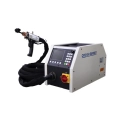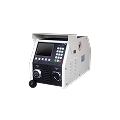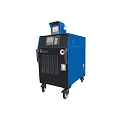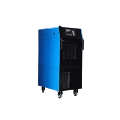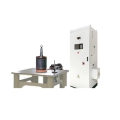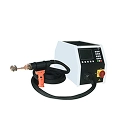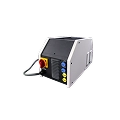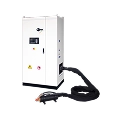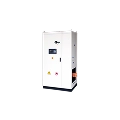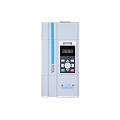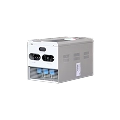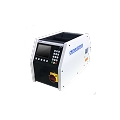





The global induction heating system market will reach 2.4 billion dollars in 2026. Four major companies lead this worldwide industry today: Canroon, Inductotherm Group, EFD Induction, and ENRX. Modern factories check each industrial induction heater manufacturer using clear measurement standards.
| Evaluation Metric | Technical Standard |
|---|---|
| Inverter Technology | Advanced IGBT or SiC switching modules |
| Operational Efficiency | High energy efficiency ratings |
| Thermal Accuracy | Precision dynamic thermal control |
| Output Capacity | High power density per square meter |
Factory engineers choose an induction heating machine based on heat control and coil flexibility. These top companies improve induction heating technology to boost total factory output.
النقاط الرئيسية
- Four main global companies lead the huge induction heating market today.
- New silicon carbide inverters help cut a factory’s total energy use by 40 percent.
- Smart digital sensors check how well machines work to stop expensive breakdowns before they happen.
- Custom heat coils maximize energy efficiency by targeting specific metal shapes.
Leading Industrial Induction Heater Manufacturers
Top Induction Heating Machine Manufacturers
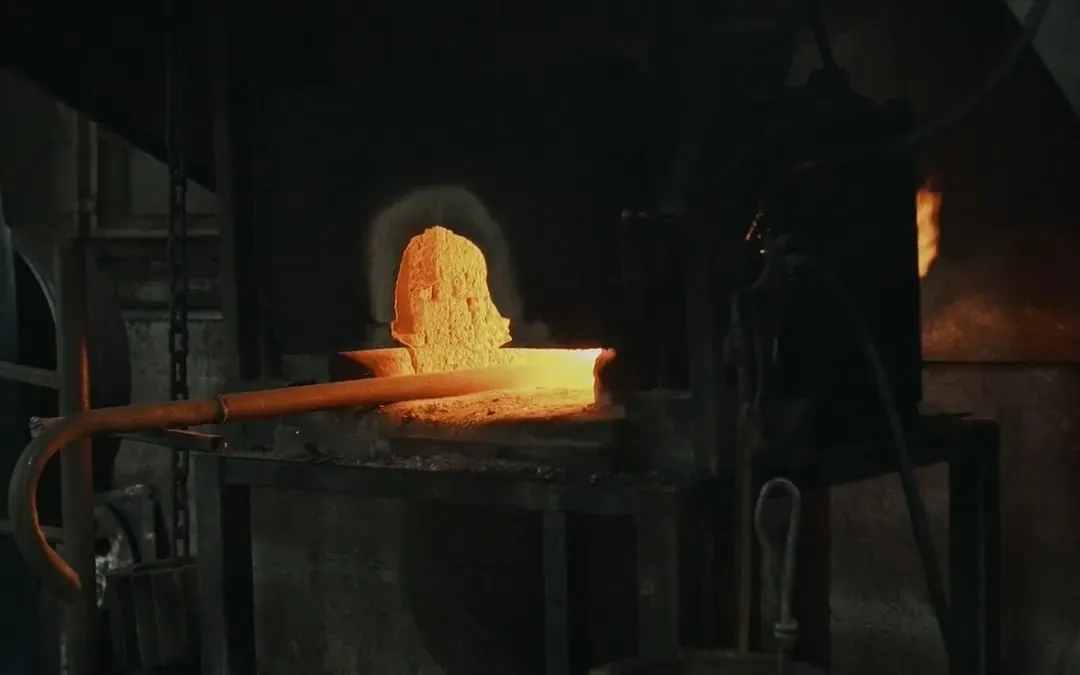
Strong global needs drive fast growth across today’s factory market. Main induction heating machine manufacturers build crucial equipment for shaping metals, hardening surfaces, and joining pipes. Leading companies such as Inductotherm Group and EFD Induction create high-tech systems. Inductotherm runs forty complete service branches spread throughout thirty nations. EFD Induction makes power-saving tools built specifically for vehicle manufacturing lines.
Factory buyers select dedicated induction heating machine manufacturers to match specific output goals. Regional Asian makers including Canroon, HLQ Induction Equipment, and Guangdong Jiangxin Electronic Technology supply adaptable tools. Canroon offers high cost-performance technology, smart digital controls, low maintenance needs, and custom coil designs. Global customers rely on these induction heating equipment suppliers because their machinery performs dependably.
| Manufacturer | 2026 Positioning | Product / Application Focus |
|---|---|---|
| Canroon | Practical industrial heating solutions | Customized induction heating equipment for metal heating, forging, welding, and industrial processing |
| مجموعة إندوكتوثرم | Melting and heating systems leader | Induction melting and heating systems for foundry and metal processing |
| EFD Induction | Energy-saving industrial innovator | Industrial induction heating systems for automotive and heat treatment |
High-Power Billet Heating Furnace Specialists
Large production facilities need tough billet heating furnace setups to handle ongoing metal work. Experienced billet heating furnace providers construct tailored machines that endure tough forging conditions. Park-Ohio Holdings, OTTO JUNKER, and ABP Induction supply continuous billet heating furnace systems. Major industrial plants run every billet heating furnace to warm steel bars prior to hot rolling tasks.
billet heating furnace efficiency = useful heat energy absorbed by billet / total electrical energy input
World industries depend on induction heating machine manufacturers to create strong, high-capacity machinery. Dedicated induction heating equipment suppliers like Electrotherm make giant systems handling 500 kW up to 10,000 kW for huge operations. A big billet heating furnace boosts factory speed while maintaining strong thermal efficiency.
Plants implement induction billet heating so they can process raw materials neatly. Modern induction billet heating cuts down lost thermal energy during metal heating. Technical experts choose induction billet heating to build fast aluminum billet heating lines. Accurate aluminum billet heating shields metal quality right before extrusion processes. Smart induction billet heating machines improve overall factory spending decisions. Well-planned induction billet heating systems reduce total factory power costs. High-power induction billet heating provides even center-to-surface heat distribution. Current facilities pick induction billet heating to improve overall furnace safety.
Key Technologies in Modern Induction Heating Machine Systems
Advanced Power Electronics and SiC Inverters
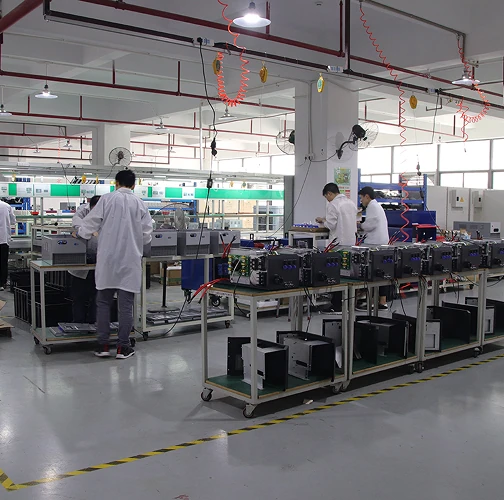
Today’s factory plants use wide-bandgap power electronics instead of basic IGBT modules. Equipment makers pick silicon carbide parts to boost daily production work. Factories use new tech to handle every metal workpiece safely. For instance, Interpower Induction sells the PowerLink 7.1 line using both IGBT and SiC parts. This unit provides 5–50 kW power with 100–300 kHz frequencies. Teams put this cool electromagnetic heating tech into automated lines for top energy savings.
Silicon carbide parts cut down heat loss while running continuously. Modern induction heating systems save between 20% and 40% on total energy. These power drops help heavy industries cut down carbon emissions. Plant bosses choose a modern آلة التسخين بالحث الكهربائي to get top energy performance. Steady power conversion keeps raw metal parts safe from heat stress during working cycles.
Industry 4.0 IoT and Automated Process Controls
A smart induction heating machine includes standard PROFINET and EtherCAT network connections. Small IoT sensors send live data straight to plant networks. Closed-loop PID tools tweak output power to keep product quality high. Tracking systems log heat charts for every processed metal part. An automated induction heating machine ensures steady heat control across custom uses.
Smart AI programs allow teams to fix equipment early. Sensors spot induction unit shakes over 4.5 mm/s RMS to prevent bearing damage. Early heat warnings stop a 10°C stator temp jump from ruining insulation life. Smart monitoring gives a 48-72 hour heads-up before machines break down. This system cuts lost work time by 70% on current induction heating systems. Smart tracking boosts machine output by up to 20%. Global factory stats show a 30% drop in repair costs. Automatic controls keep 99.9% uptime for tough induction heating tasks. A worker picks an induction heating machine to speed up big production runs. A specialized induction heating machine keeps continuous metal treating tasks running well.
Strategic Buyer’s Guide for Industrial Selection
Matching Thermal Requirements and Coil Design
Factory engineers pick an industrial induction heater manufacturer by matching metal parts with the right magnetic power settings. How the metal reacts sets how power moves when heating surfaces or whole parts. More than 80 percent of electric heat forms in the outer surface. High frequency over 50 kHz focuses power near the surface to harden metals. Frequencies under 20 kHz go deep into thick metal bars during induction billet heating operations. Custom coils must fit part shapes perfectly to stop wasted heat energy.
| Workpiece Factor | Induction Processing Impact |
|---|---|
| Part thickness and shape | Solenoid coils heat round bars, while pancake coils work best on flat metal surfaces. |
| Material properties | High-resistivity steel warms up fast, while low-resistivity metal needs different coil spacing. |
| Heating depth target | Low frequency gives deep warmth for steady aluminum billet heating. |
Leading induction heating equipment suppliers build custom coil shapes to improve heating power. Engine makers use multi-turn coils to handle complicated metal shapes. Forging shops rely on strong billet heating furnace setups to warm up large metal blocks cleanly. Exact coil placement protects part quality across busy factory lines.
Evaluating Lifecycle Cost and Support
Factory buyers figure out total running costs before choosing these heavy-duty heating tools. Good energy savings lower monthly power bills for every working billet heating furnace. Top manufacturers supply custom automatic loaders built for modern factory floors. Servo-driven feeders and robotic arms move hot parts straight into press machines. Built-in billet scales check raw metal to improve heat control before the warming cycle begins.
Plant owners protect their machine investments by checking each vendor’s global support network. Top suppliers offer round-the-clock technical help and stock extra parts locally. Quick remote VPN checks let technicians fix software bugs without causing long work delays. A tough billet heating furnace provides nonstop performance during heavy factory shifts. Plant leaders weigh global brand choices to balance purchase price with long-term working success. Wise equipment choices lower unexpected downtime risks across many industrial heating applications. Modern induction technology offers reliable heating while protecting valuable factory equipment over many years.
Factory buyers check important vendor traits in 2026. Smart plants weigh power savings against digital features.
| Procurement Criteria | Technical Standard |
|---|---|
| Emissions | Minimal thermal loss |
| Compliance | Pre-certified CE compliance |
Various industrial jobs need very specific machinery.
- Continuous Forging: A billet heating furnace moves heavy metal blocks smoothly.
- Surface Hardening: Exact heat control protects every individual metal workpiece.
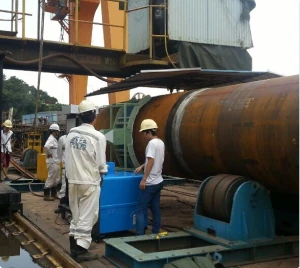
- Pipe Preheating: Portable tools assist field operations with high mobility.
Leading induction heating machine manufacturers ship reliable gear to global markets. Plant managers choose a specialized billet heating furnace to safeguard money. Canroon builds tailor-made units for demanding industrial heating jobs. A heavy billet heating furnace boosts total output during induction billet heating cycles. Every reliable billet heating furnace secures your long-term equipment investment.
الأسئلة الشائعة
How do plant engineers evaluate industrial equipment suppliers?
Plant engineers check global induction heating machine manufacturers by measuring their power density, heat control accuracy, and coil flexibility. Industrial buyers prefer vendors that use silicon carbide power electronics in their units. Reliable field support teams help keep these induction systems running smoothly on fast production lines.
Why do forging facilities select a billet heating furnace setup?
An induction billet heating system quickly spreads even heat across raw metal parts. Running an industrial billet heating furnace cuts standby heat loss and reduces plant carbon emissions by 20% to 40%. This careful process protects metal quality before tough thermal treatment and forging jobs.
What frequency range suits surface hardening during induction heating operations?
An induction heating process uses high frequencies above 50 kHz for surface hardening because 80 percent of the heat stays near the outer edge. Lower frequencies under 20 kHz push magnetic warmth deep into thick steel bars inside a billet heating furnace.
How does smart IoT telemetry optimize a modern billet heating furnace?
Sensors in a billet heating furnace send live machine data across industrial networks. Automatic PID regulators adjust power instantly to keep temperature steady. Smart monitoring spots weird motor shakes early, keeping machines running 99.9% of the time during heavy work schedules.
How do specialized equipment suppliers reduce plant energy costs?
Top induction heating machine manufacturers use silicon carbide inverters to boost daily energy efficiency. Custom coil shapes send electromagnetic power straight into targeted metal parts. This smart machine design lowers factory power bills and helps the gear last much longer.