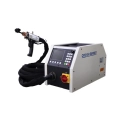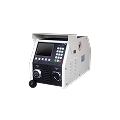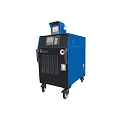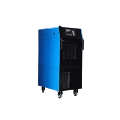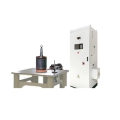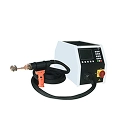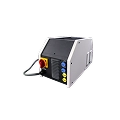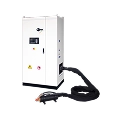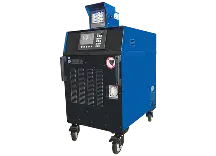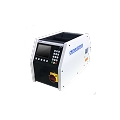





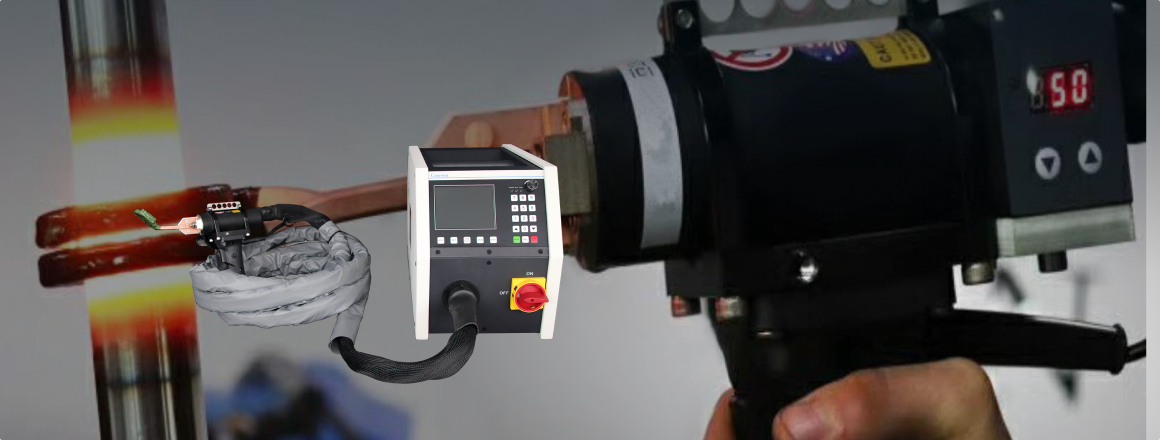
When using induction heating, you might experience an electrical shock, which is the biggest danger associated with it. Induction heating safety guidelines are essential to prevent serious accidents and ensure that everyone remains safe at work. Canroon’s safety features enhance your sense of security, including robust cooling systems and automatic safety locks. Additionally, it is crucial to wear personal protective equipment. Regular checks and effective training programs also contribute to induction heating safety. These measures comply with strict industry regulations and laws. By adhering to these rules, you create a safer environment for everyone.
Key Takeaways
- Always wear personal protective equipment like heat-resistant gloves and safety glasses. This helps stop burns and injuries from happening.
- Follow lockout/tagout steps before working on induction heating systems. This keeps you safe from electrical shock.
- Check equipment often for loose wires and damage. This helps stop accidents and makes sure things work right.
- Be careful around strong magnetic fields if you have medical implants. These fields can mess with how your device works.
- Keep your workspace clean and organized. This lowers the chance of accidents and keeps everyone safer.
Induction Heating Safety Hazards
Electrical Shock Risks
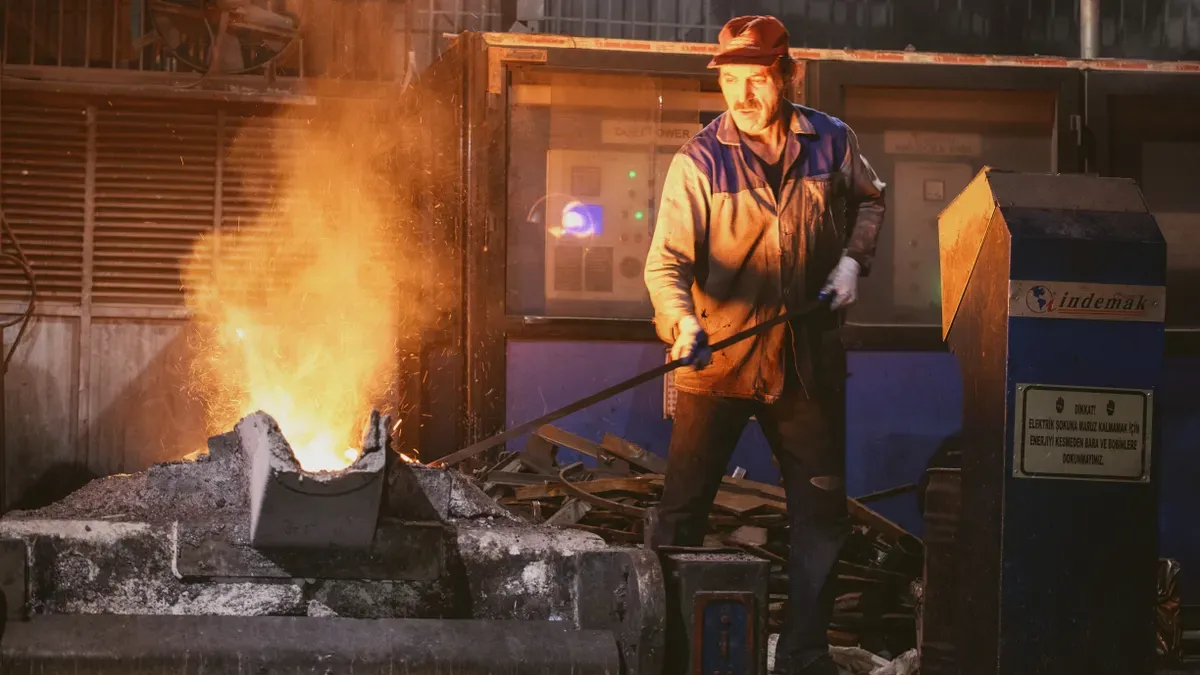
Induction heating can cause electrical shock. This is a big safety problem. Electrical shock can lead to deadly or non-deadly accidents. Many people do not know how often these accidents happen at work.
- There were 51 deadly and 62 non-deadly electrical accidents.
- One report showed 33% of deadly and 79% of non-deadly accidents. Many accidents are not reported.
- The average age of people who died was 35 years. Many worked in medical jobs.
You can lower the chance of electrical shock by following safety steps. The table below lists important actions you should take:
| Safety Measure | Description |
|---|---|
| Avoid contact with energized coils | Do not touch the energized coil when it is running. This helps you avoid electric shock. |
| Verify system isolation | Check system isolation before fixing anything. Always use lockout/tagout steps. |
| Use isolation transformers | These transformers keep high-frequency output away from ground. This lowers shock risks. |
| Implement safety circuits | Add shunt trip, estop circuit, flow switch, and door interlock. These make operation safer. |
⚡ Tip: Always check for good isolation and grounding before you fix anything. This easy step can save lives.
Burn and Thermal Hazards
Burns and thermal hazards are also a problem. Hot surfaces and tools can burn you if you touch them by mistake. Too much heat can start fires, especially if flammable things are close.
- Hot plates can burn you if you touch them. This happens often in busy labs.
- Heat can make flammable things catch fire if you do not control it.
- Bad wiring or wrong use can cause electric shock, especially if things are wet.
Wear heat-resistant gloves and keep flammable items away from your workspace. Never leave the equipment running without watching it. These steps help you stay safe and prevent accidents.
Magnetic Field Exposure
Induction heating systems make strong magnetic fields. These fields can hurt you if you do not follow safety rules. The magnetic field near induction coils can reach up to 27 mT when running. This can make currents in your body that move nerves and muscles, especially at frequencies below 10 kHz.
| Evidence Type | Description |
|---|---|
| EMF Exposure | Magnetic fields near induction coils can reach up to 27 mT when running. This can move nerves and muscles, especially at frequencies below 10 kHz. |
| Safety Guidelines | The ICNIRP gives rules for public exposure to low-frequency magnetic fields. These rules set limits to stop stimulation effects. |
Be extra careful if you have a medical implant like a pacemaker or insulin pump. Strong magnetic fields can mess up these devices and make them stop working.
- People with medical implants are at risk. The magnetic field can break or turn off these important devices.
Rules help keep you safe from these dangers. Directive 2004/40/EC and its 2013 update set rules for employers to limit worker exposure to electromagnetic fields. These rules follow new safety advice and help you avoid health problems.
🚨 Note: Always tell your supervisor if you have a medical implant before working near induction heating equipment.
If you know about these induction heating safety hazards, you can protect yourself and others. Following induction heating safety guidelines will help you stop accidents and keep your workplace safe.
Understanding Induction Heating Systems
How Induction Heating Works
Induction heating systems heat metals fast and well. They make a magnetic field that changes. When you put metal in this field, eddy currents flow inside it. The metal gets hot because it resists these currents. You can control the heat very accurately.
Induction heating uses Faraday’s law. This law says a changing magnetic field makes a force in a loop. The coil’s current creates a magnetic field that goes into the metal. This field makes eddy currents, which heat the metal.
The skin effect is important too. It makes most heat stay near the metal’s surface. This helps you heat only the part you need. It saves energy and keeps things safer.
- Induction heating uses electromagnetic induction to heat metals.
- It makes eddy currents in the metal, which heat it up.
- This method lets you heat one spot and control the heat easily.
Common System Risks
Induction heating systems can be risky if you ignore safety rules. There are several dangers when you use these systems. The table below lists the main risks and explains them:
| Risk Type | Description |
|---|---|
| Electrical Hazards | High voltages can cause shocks, burns, and arc flashes. Induced voltages may shock you even after power is off. |
| Thermal Hazards | Hot metal can spill and cause burns or explosions. Touching heated parts can burn you. |
| Electromagnetic Field Exposure | EMF can make currents that affect nerves and muscles. This is dangerous for people with medical implants. |
| Mechanical Risks | Bad grounding or fixing live parts can cause deadly shocks or explosions. |
Always check for electrical shock risks. Rapid heating can burn you if you touch the metal. Strong magnetic fields can hurt people with medical implants. Mechanical problems, like bad grounding, can cause big accidents. Handle induction heating systems carefully and check them often to keep everyone safe.
Electrical Safety Guidelines
Isolation and Lockout
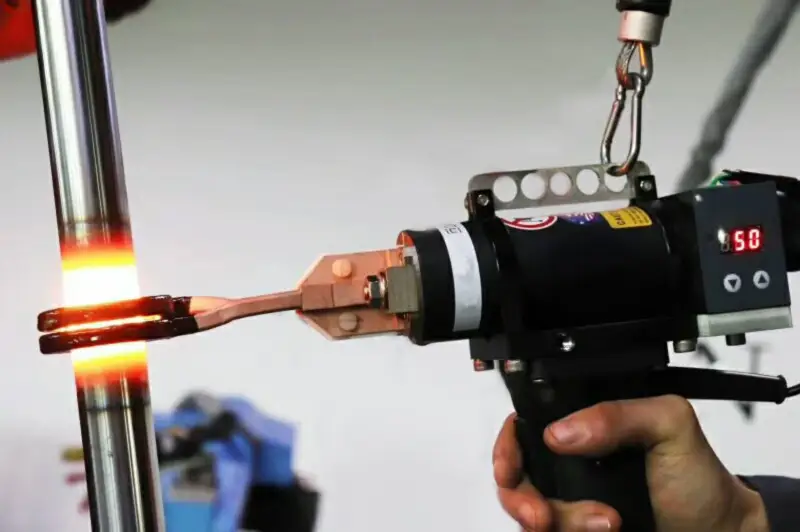
You must isolate induction heating equipment before you work. This step keeps you safe from electrical shock and other dangers. Industry rules say you must use lockout/tagout steps. These steps help you control energy and stop accidents.
Here is a simple list of what you should do:
- Get ready to shut down. Find all energy types and isolation spots.
- Tell everyone near the equipment.
- Turn off the machine the normal way.
- Disconnect power and block moving parts.
- Put on locks and tags. Each worker uses their own lock and tag.
- Release stored energy. Remove or discharge leftover energy.
- Check for zero energy. Test the system so it cannot start.
- Do your repairs or maintenance.
- Take off locks and tags after you finish your work.
⚠️ Tip: Always use a voltmeter to check isolation before touching wires or parts.
The table below shows how each lockout/tagout step keeps you safe:
| Step | Description |
|---|---|
| 1 | Find Energy Sources: Look for all energy types — electrical, mechanical, hydraulic, pneumatic, chemical, or thermal. |
| 2 | Tell Employees: Let all team members know before you start. |
| 3 | Shut Down Equipment: Turn off the machine or process fully. |
| 4 | Isolate Energy Sources: Disconnect switches, close valves, block parts, and stop energy flow. |
| 5 | Put on Locks & Tags: Each worker puts on a lock and tag so no one restarts the machine while work is happening. |
| 6 | Release Stored Energy: Remove, discharge, or secure any leftover energy. |
| 7 | Check for Zero Energy: Test the system to make sure no energy is left. |
| 8 | Do Maintenance or Work: Start only after you confirm isolation. |
| 9 | Remove Lockout/Tagout Devices: After work is done, remove locks and tags only by the person who put them on. |
You lower accident risks when you follow these steps. You also help stop overheating and other issues.
Grounding and Bonding
Good grounding and bonding keep you safe from electrical shock. You must connect all metal parts to the ground. This step gives fault currents a safe path and keeps voltage steady. Always make bonding connections to bare metal. Do not use painted or coated surfaces.
Here are best practices for grounding and bonding:
| Best Practice | Description |
|---|---|
| Safety Grounding | Keeps people safe by handling fault currents well. |
| Bonding Connections | Must be made to bare metal for good grounding, not on coated surfaces. |
| Proper Grounding | Needed to stop electrical shock and keep voltage steady. |
| Effective Bonding | Limits high voltage, which can be dangerous. |
| Safety Grounding | Gives a low-resistance path for fault current, so faults clear fast. |
| Bonding of Metal Surfaces | All exposed metal must be bonded to the grounding wire to stop electrical hazards. |
Check all connections often. If you see loose wires or rust, fix them right away. Good grounding and bonding are important for every induction heating system.
Safety Circuits
Safety circuits protect you and your equipment. These circuits watch for problems and stop the machine if something goes wrong. Always use safety circuits like emergency stop buttons, door interlocks, and flow switches.
Here are some examples of safety circuits you should use:
- Emergency stop circuit: Lets you shut down the system quickly.
- Door interlock circuit: Stops the machine if someone opens a safety door.
- Flow switch circuit: Checks cooling water flow and stops the system if the flow stops.
- Over-temperature circuit: Shuts down the system if it gets too hot.
Many safety protections work together to keep you safe. You must test all safety circuits before you start work. If you find a problem, fix it before you use the equipment.
🛑 Alert: Never bypass or turn off safety circuits. These circuits stop injuries and equipment damage.
Always follow induction heating safety guidelines. When you use safety circuits and check them often, you make the workplace safer for everyone.
Magnetic Field Hazards
Coil Shielding
Coil shielding helps protect you from magnetic field hazards. Shielding stops or lowers electromagnetic fields near induction coils. Different materials work best in different cases. The table below shows common materials and their main features:
| Material Type | Key Properties |
|---|---|
| Soft Magnetic Alloys | High permeability and conductivity, effective for electromagnetic shielding. |
| Silicon Steel | Low cost, good magnetic properties, but limited in high-temperature applications. |
| Ferrite | Low cost, high saturation flux density, but low permeability and Curie temperature. |
| Iron-based Nanocrystalline Alloys | High permeability, excellent high-temperature stability, categorized into systems like FINEMET. |
| Fragmented Nanocrystalline Ribbons | Reduces eddy current losses by confining currents to smaller fragments, increasing resistivity. |
Pick the right material for your system’s temperature and shielding needs. Always check the shield for damage before you start working.
Reducing Field Exposure
You can lower your exposure to magnetic fields by using easy steps. These steps help keep you safe when you use induction heating systems. The table below lists ways to reduce exposure and explains how each works:
| Method | Description |
|---|---|
| Mechanizing procedures | Reduces worker access by automating tasks such as loading, unloading, and stirring. |
| Electromagnetic shielding | Applies shielding around smaller induction coils to minimize exposure. |
| Increasing distance | Involves physically increasing the distance from the source of exposure, especially for large furnaces. |
Machines can move hot parts for you. This keeps you away from strong magnetic fields. You can add shields around coils or stand farther from the equipment. These steps help you avoid extra risks.
Medical Device Considerations
If you have a medical device, you must be extra careful near induction heating systems. Magnetic fields can mess up devices like pacemakers or neurostimulators. Here are important safety tips:
- Stay away from induction heating systems to stop electromagnetic interference (EMI) with medical devices.
- Know that many types of equipment can make EMI strong enough to affect neurostimulation systems.
- Remember that EMI can come from commercial electrical equipment, communication devices, high-voltage power lines, and some medical procedures.
Always tell your supervisor if you use a medical device. Watch out for hazards and follow all safety instructions. This will help you stay safe at work.
Preventing Accidents in Operation
Pre-Operation Checks
You need to check your induction heating equipment before you use it. These checks help you find problems early and keep people safe. Use the table below to help you remember what to do:
| Safety Measure | Purpose | Key Details |
|---|---|---|
| Aluminized PPE | Protects from radiative heat | Reflects intense heat; includes hood, jacket, pants, spats |
| Induction Coil Shielding | Prevents RF burns | Contains electromagnetic fields; avoids accidental contact |
| Controlled Atmosphere | Prevents oxidation/explosions | Uses vacuum or inert gas (like argon) for purity and safety |
| Operational Discipline | Reduces risks from contaminants | Avoids liquids, keeps area clean, follows strict protocols |
| Equipment Maintenance | Ensures safety features work | Regular checks of interlocks, sensors, and crucible integrity |
You should check that all safety interlocks are working. Wear the right personal protective equipment so you do not get burned. Keep your workspace clean to stop mechanical risks.
Safe Work Cycles
You can stop accidents by following safe work cycles. Always do the right steps when you start, run, and stop the machine. Do not hurry. Wait for the system to cool down before you touch anything. Use tools made for induction heating to move hot things. This lowers the chance of burns and other injuries.
Workspace Organization
A clean and neat workspace helps you avoid accidents. Take away clutter and keep walkways open. Put tools and materials where they belong. Clean up spills right away so no one slips. You should look for loose wires or broken parts before you start. Good organization is a smart way to stay safe.
🧹 Tip: Keeping your workspace tidy helps you focus and make fewer mistakes.
Proper Ventilation
Good ventilation is important for induction heating safety. Fresh air takes away fumes and heat from the room. Open windows or use fans to keep the air clean. Always use cookware that fits your system. Do not use containers that can melt or catch fire. This keeps you and your coworkers safe from bad gases and too much heat.
💡 Note: Good ventilation and the right cookware help you stay safe.
If you follow these steps, you help stop accidents and keep your workplace safe.
Installation and Maintenance Safety
Professional Installation
You should pick professional installers for your induction heating system. Skilled installers help you stay safe. Canroon gives expert installation and support. Their team sets up your equipment safely and correctly. Qualified installers finish special training courses. These courses teach how to use the operator terminal, handle faults, and follow safety instructions. Maintenance training shows them about the power source, electronics boards, and troubleshooting. Induction training explains the design and uses of induction heating systems.
| Course Type | Topics Covered |
|---|---|
| Operator Training | Use of the operator terminal, Signalling, Faults, Care, Maintenance, Safety instructions |
| Maintenance Training | Principles of induction heating, Power source, Electronics boards, Troubleshooting methods |
| Induction Training | Principles, design and applications of induction heating systems, Inductor efficiency, Oscillating circuits |
🛠️ Tip: Always ask to see proof of training before anyone installs or fixes your system.
Regular Inspections
You need to plan regular inspections for your induction heating equipment. These checks help you find problems early. Look for signs of wear, loose wires, or broken parts. If you see anything strange, report it right away. Canroon’s support team can help with inspections and answer your questions. Regular inspections keep your system safe and help you avoid downtime.
- Check all safety circuits and interlocks.
- Inspect cables and connectors for damage.
- Make sure cooling systems work well.
Safe Component Replacement
You must replace worn or broken parts carefully. Always turn off the power and follow lockout steps before you start. Use only approved parts that fit your system. Bad installation or repairs can cause accidents or damage your equipment. If you are unsure, contact Canroon’s service team for help. Quick repairs keep your system safe and reliable.
⚡ Alert: Never try to fix electrical parts if you do not have the right training.
Troubleshooting and Emergency Safety
Identifying Faults
You need to find faults fast in induction heating systems. Common signs help you spot problems quickly. The table below shows some usual issues and how to fix them:
| Symptom | Probable Cause | Resolution |
|---|---|---|
| No heating despite enable signal | Coil not resonant, capacitor failure | Check tuning; replace resonant capacitors |
| Part overheats locally | Uneven flux distribution | Reposition part; use flux concentrator |
| Intermittent fault trips | Loose connection, water flow fluctuation | Check all grounds; verify flow rate |
| Operator feels tingling | Ground fault, damaged insulation | IMMEDIATELY LOCKOUT; inspect coil and cabling |
| 5kV arcing to ground | Isolation transformer failure, moisture | Do not operate; replace transformer assembly |
Always follow troubleshooting and maintenance tips to keep things working. Acting quickly stops bigger problems and keeps everyone safe.
Responding to Alarms
When an alarm goes off, you need to act fast and stay calm. Follow these steps to handle alarms in induction heating systems: First, check the alarms or fault messages. Next, look at what happened before the alarm. Then, see if the problem is just one part or the whole system. Find out if remote help can fix it. If not, plan for someone to come and help.
🛎️ Tip: Write down what you find. This helps you and your team fix problems faster next time.
Emergency Shutdown
You must know how to shut down the system in an emergency. The table below shows important safety functions and how they work:
| Safety Function | Implementation | Purpose |
|---|---|---|
| Shunt Trip | Controlled breaker with 24VDC coil | Trip main power on door open/fault |
| Estop Circuit | Category 0 or 1 stop per IEC 60204 | Immediate power removal |
| Flow Switch | Differential pressure switch (0.5-2.0 PSI) | Verify cooling water circulation |
| Door Interlock | Positive-break limit switch | De-energize on enclosure access |
Practice emergency shutdown steps often so you are ready. This helps keep everyone safe and prepared.
⚠️ Alert: Never ignore alarms or wait to shut down. Quick action keeps people and equipment safe.
You can stop accidents by using induction heating safety steps. These steps are important for everyone. Some steps are:
- Operator training helps you use the machine safely. Wear thermal gloves and safety glasses to protect your hands and eyes.
- Lockout/Tagout keeps the machine off while you work. Always discharge stored energy before fixing anything.
- Mark hazard zones so people know where it is dangerous. Keep shielding in good shape to block risks.
Canroon’s induction heating systems have special safety features. The table below shows how Canroon is different from other brands:
| Feature | Canroon’s Induction Heater | Other Manufacturers’ Heaters |
|---|---|---|
| Heats only the workpiece | Yes | Varies |
| Reduces burn injuries | Yes | Varies |
| Lowers fire and explosion risks | Yes | Varies |
Always follow induction heating safety rules for best results. If you need help or have questions, contact Canroon.
الأسئلة الشائعة
What personal protective equipment should you wear when using induction heating?
Wear heat-resistant gloves, safety glasses, and aluminized clothes. These protect you from burns and things that might fly. Always check your safety gear before you start working.
Can you use induction heating if you have a pacemaker?
No, you should not use induction heating if you have a pacemaker or other medical implant. Strong magnetic fields can mess up these devices. Always tell your boss if you have a medical device.
How often should you inspect induction heating equipment?
Check your equipment every time before you use it. Look for loose wires, broken parts, or leaks. Regular checks help you find problems early and keep everyone safe.
What should you do if an alarm sounds during operation?
Stop right away if you hear an alarm. Read the alarm message on the control panel. Follow emergency shutdown steps if you need to. Tell your boss about the problem right away.
Why is workspace organization important for safety?
A clean workspace helps stop trips, slips, and accidents. You can find tools fast and see dangers easily. Good organization keeps you and your coworkers safe.