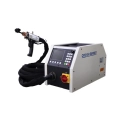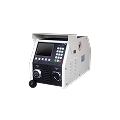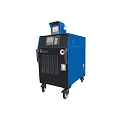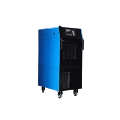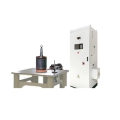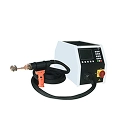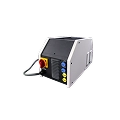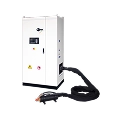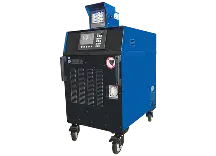





You must pick the best industrial induction heater for your work. The heater changes how much energy you use. It also impacts safety and costs. High-efficiency models can make thermal efficiency better by 30%. They can also make cycle times shorter by 25%. Many places say they save up to 95% on energy. If you do regular maintenance, the heater can last 30% longer. Canroon gives advice to help you choose well and get good results.
Key Takeaways
- Figure out what you need the induction heater to do for your job.
- Learn what material you have and how it acts with induction heating to get the best results.
- Pick the right heating depth and frequency so the heat spreads evenly and nothing gets ruined.
- Set the power and temperature to match your work so you save energy and work better.
- Think about how big the heater is and if you need to move it, so it fits your space and needs.
Define Application Needs
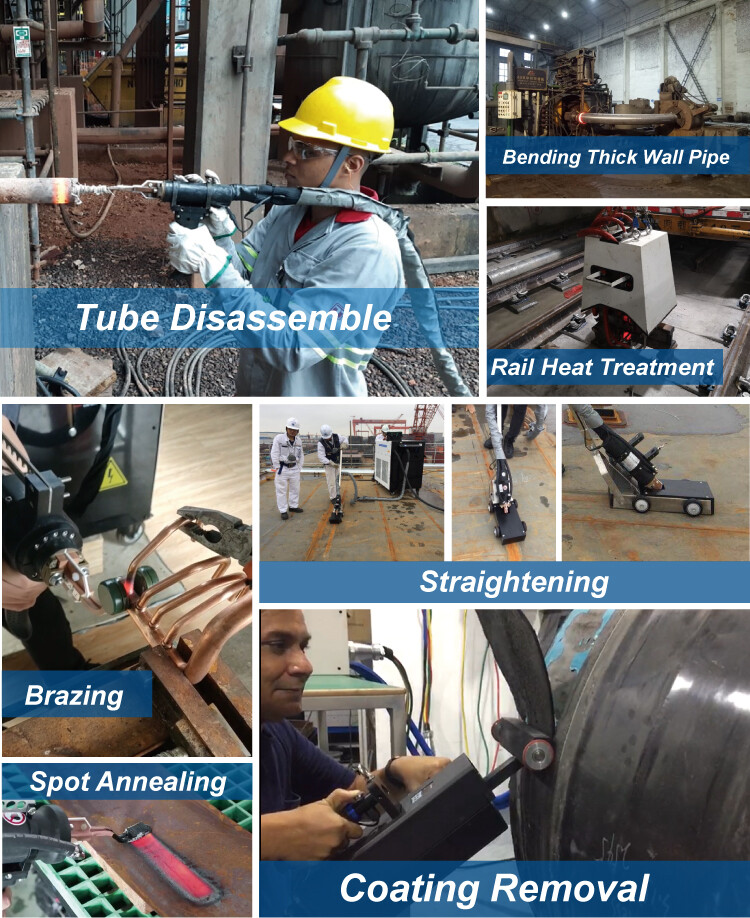
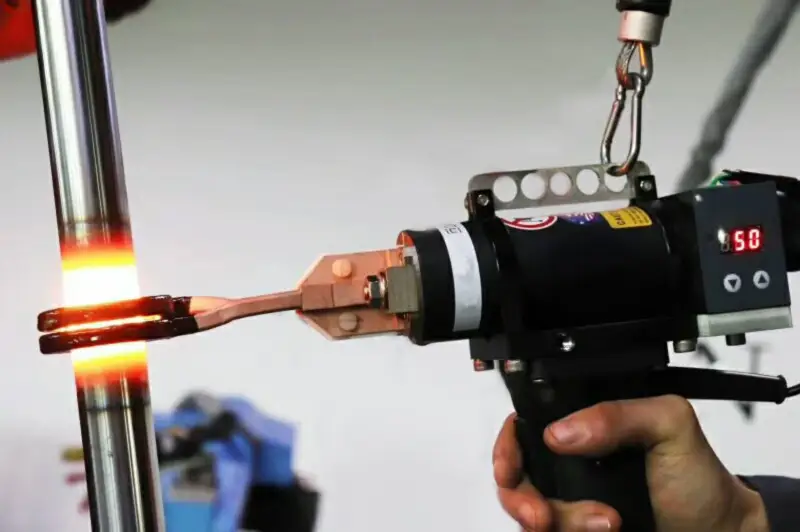
You need to know what your job needs before picking an industrial induction heater. This helps you find the right equipment for your goals. Every industry has its own needs. Look at the materials you want to heat and the process you will use.
Material Type
You should know what material you will work with. Different materials react differently to induction. Some materials used in factories are:
- Steel
- Graphite
- Copper
- Brass
- Silver
- Gold
- Aluminum
- Carbide
Each material acts in its own way. For example, steel heats faster than copper. You must think about these differences when choosing your induction heating system. Picking the right one helps you get good results and save energy.
Heating Process
Think about how you will heat your material. The induction heater design depends on three things: power, frequency, and your workpiece’s properties. Power output decides how fast you can heat something. If you have big parts or need fast heating, you need more power. Frequency changes how deep the heat goes. High frequency is good for heating the surface. Low frequency is better for heating deeper inside. The size, shape, and magnetic features of your workpiece also matter. These things help the induction coil work well.
Tip: Many industries, like automotive, aerospace, electronics, and food processing, use induction heating to work better. Each industry has its own needs, so you must pick a heater that fits your job.
You should set clear goals for how you want things to work. The table below shows some important goals to think about:
| Operational Goal | Description |
|---|---|
| Precise Power Regulation | Keeps heating steady and safe. |
| Heating Uniformity | Gives even results and stops hot spots. |
| Safety | Keeps people and equipment safe while working. |
| Load Variability Management | Helps you handle changes in load for better power control and response. |
When you know your application needs, it is easier to pick the right induction heating solution. This step helps you get better performance and safer work.
Heating Depth and Frequency
It is important to know how deep you need to heat your material when picking an induction heater. The depth of heat is called penetration depth. This changes how your workpiece works. You need to use the right frequency for your heating job to get good results.
Penetration Depth
Penetration depth means how far heat goes from the outside into the material. If you only want to heat the outside, you need a shallow depth. If you want to heat all the way through, you need a deeper depth. The type of induction you use changes how deep the heat goes.
- Lower frequencies are better for deep heating.
- Higher frequencies heat just the surface.
- The frequency you choose controls how much heat goes inside.
- The frequency you pick also changes how your workpiece turns out.
- You should know about the skin effect. This means most heat stays near the outside when you use high frequencies.
If you do not match the right depth and frequency, you might get uneven heating. This can make weak joints, bad hardening, or even damage your parts. You want to stop these problems so your work goes well.
Frequency Selection
You need to pick the right frequency for your induction heating job. The frequency tells you how deep the heat goes and what kind of work you can do. Look at the table below to see how different frequencies work for different jobs:
| Frequency Range | Heating Depth | Ideal Applications |
|---|---|---|
| High-Frequency (100 kHz – 500 kHz) | Shallow (Surface) | Surface Hardening, Case Hardening |
| Intermediate-Frequency (500 Hz – 10 kHz) | Deep (Through-Heating) | Forging, Melting, Bending, Forming |
Tip: If you see uneven heat or bad results, check your frequency and depth settings. Uneven heating can make your work less good and cause problems.
When you know how penetration depth and frequency work together, you can pick the best induction heating system for your job. This helps you get strong and steady results every time.
Power and Temperature
Power Matching
You must match the power of your induction heater to your job. Power matching makes your system work better and saves energy. When you match power well, you get these benefits:
- The system changes impedance so the inverter works well.
- You stop extra reactive power from moving around, making your process stable.
- The heater can adjust to changes in your load, so you use energy wisely and get better results.
Different industries need different power and temperature levels. For example, about 30% of all industrial heat in the U.S. is for jobs below 100°C. Many industries, like food and paper, use low and medium temperatures for most of their work. You should check your process and pick the right power level for your induction heater. This helps you save energy and get the best performance.
التحكم في درجة الحرارة
You must control the temperature well to get good results with induction heating. Modern induction systems use smart controls to keep the temperature steady. These systems heat the part directly, so you lose less energy and heat up faster. You can save up to 75% on energy costs compared to old methods like oil or steam. The heater gives you even heat, which makes your work more reliable and keeps the quality high.
In some induction melting furnaces, you can change the power to the coil to control the heat. A control panel checks the real temperature and compares it to your target. The system then adjusts the power quickly to keep the temperature just right. This makes sure your process stays stable and safe.
Tip: Good temperature control in induction heating means you get fast, even, and safe results every time.
Industrial Induction Heater Size and Portability
Workspace Fit
You should make sure your industrial induction heater fits your workspace. The size of the heater can change how you set up your work area. If the heater is too big, you might not have enough room. If it is too small, it might not do the job well. Picking the right size helps you use your space better and keeps things safe.
If you pick the wrong size, it can cost you more money. A bigger heater costs more at first. A smaller heater might not finish the job fast enough. How much you pay to run the heater depends on how often you use it and how much energy it uses. You should think about these things to help you save money.
Tip: Measure your workspace before you pick your induction heater. This helps you avoid problems when you set it up and use it every day.
Portability Needs
You should think about if you need to move your induction heater a lot. Some jobs need you to move the heater from place to place. Other jobs let you keep the heater in one spot. The table below shows how stationary and portable heaters are different:
| Aspect | Stationary Induction Heater | Portable Induction Heater |
|---|---|---|
| Space Constraints | Needs its own space in your work area. | Fits in small spaces and is easy to store. |
| Mobility | Not made to move often. | Made to move from place to place. |
| التركيب | Needs a pro to set it up. | Easy to set up and needs little work. |
If you need to move your heater, a portable one can save you time. You can set it up fast and start working right away. If you do not need to move it, a stationary heater may give you more power and features. Think about how you work and pick the best one for your needs.
Cooling and Facility Requirements
Cooling Systems
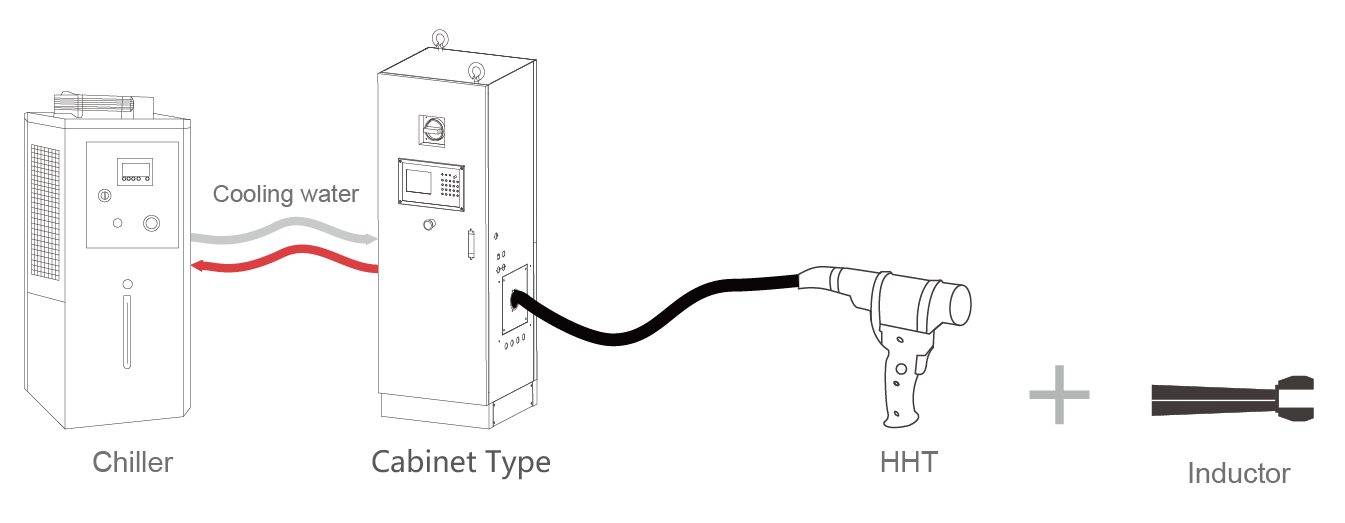
You need a good cooling system for your induction heater. Cooling stops the heater from getting too hot. This helps your equipment last longer. There are different ways to cool your heater:
- Air cooling is good for small or low-power induction heaters.
- Water cooling is used for big systems. It keeps coils and power units cool.
- Special cooling methods are used when you need more control.
If you use water cooling, make sure water moves well. This keeps the coils and power units from overheating. You should check your cooling system often. Clean it so it does not get blocked. Taking care of your cooling system stops breakdowns. It also saves you money on repairs. Picking the right industrial chiller helps your heater work better. This can help you save money in the long run.
Tip: Look at your cooling system often. Clean the filters and pipes so everything works well.
Infrastructure Assessment
Check your building before you put in an induction heater. Big systems need special things. Use the table below to see what you need:
| Requirement Type | Description |
|---|---|
| Thermal Load Calculations | Good calculations stop mistakes in sizing your system. |
| Cooling Infrastructure | Water-cooling is needed for big units to work safely. |
| Electrical Requirements | You need three-phase power and the right breakers. |
| Safety Specifications | Cooling keeps the system safe from very high temperatures. |
Make sure your building has enough power and water. You also need to follow safety rules. Planning well helps your heater work safely and last longer. If you set up your building the right way, you will have fewer repairs and less downtime.
Note: Check and take care of your building and cooling system often. This keeps your induction heating safe and working well.
Coil Design and Efficiency
Coil Shape
You must think about coil shape when picking an industrial induction heater. The coil makes a special field that sends energy to your workpiece. The coil’s shape and size change how well the heater works. If you match the coil to your workpiece, you get even heat. Bad coil design can make heating slow and waste energy.
Here are some common coil shapes and their benefits:
| Coil Type | Advantages |
|---|---|
| Double Deformed Pancake Coil | Gives even heating, especially for heating shaft tips. |
| Split-Return Coil | Heats the welding path much faster than other areas. |
| Channel Coils | Good for longer heating times and lower power, lets parts move through at a steady speed. |
You should also think about what the coil is made of. Copper, aluminum, and steel each have their own good points. The right coil size is important for good heating. If the coil is too big or too small, you lose efficiency. Making the coil shape and size better helps you heat things quickly and evenly.
Tip: Pick a coil shape that fits your workpiece to get the best heating.
Coupling Efficiency
Coupling efficiency shows how well the coil sends energy to your workpiece. If the coil is close to the workpiece, you get more current and heat. If the coil is far away, efficiency goes down and the heater does not work as well.
You can make coupling efficiency better by keeping the coil close to the workpiece. In factories, you might need space for safety, but keep it small. Good coupling uses less energy and helps you finish jobs faster.
- Coil design changes coupling efficiency and heat.
- How close the coil is to the workpiece matters for energy transfer.
- Making inductance and cooling better also helps efficiency and makes the coil last longer.
Note: Good coupling saves energy and makes performance better. Always check where the coil is during setup.
Advanced Features and Safety
Automation Options
Modern industrial induction heating systems are easier to use now. They give you more control over your work. Some systems have special features that help you do your job better and keep things steady. Here are some things you might see:
- Precision control lets you pick the exact heat you want. This helps you get the same results each time.
- You can connect your heater to machines that work by themselves. The heater can talk to master PLCs, so it fits into your work line.
- Data tools help you watch your process. You can use these tools to check quality and keep track of what happens. Predictive maintenance tells you if something might break soon.
These features help you finish faster and make fewer mistakes. You do not need to check the system all the time. You can trust it to work well.
Tip: Automation makes your work safer and faster. You spend less time watching the system and more time getting good results.
Safety Standards
You must follow safety standards when you use industrial induction heating equipment. These rules keep you and your team safe. They also help your system last longer. Different places have their own rules. The table below shows some important ones:
| Region | Standards and Focus Areas |
|---|---|
| أمريكا الشمالية | UL and CSA check electrical safety. They make sure the equipment does not get too hot or cause problems. |
| Europe | EN 60335-2-6 checks for electromagnetic problems and tests for emissions. |
| Asia | Japan and China use rules based on world standards. They focus on safety and how well the system works. |
| Global | IEC 61000-3-2 checks for harmonic emissions. IEC 60529 protects against dust and water. |
You should also look for features that make your system better. The table below shows how advanced features and safety help your induction heating system:
| Feature/Enhancement | Contribution to Value Proposition |
|---|---|
| Computer Simulation | Makes design and building more reliable and faster |
| Quality Control | Helps you meet or beat quality rules |
| Safety Enhancements | Keeps your heating process safe and steady |
When you pick a system with good safety and automation, you get better results and keep your team safe.
Expert Guidance from Canroon
Application Support
You can make better choices when you work with Canroon’s experts. Their team helps you find the right induction heater for your job. Many companies have seen real results after talking with Canroon. For example, a car factory used the Canroon CR2100 to heat gears. The factory finished jobs faster and controlled the heat better. Workers used the touchscreen and app to set the exact temperature. This made the work more efficient. The factory also saved 25% on energy costs. Fewer breakdowns meant less downtime and more work done. Canroon’s support team solved problems quickly, so the factory kept running.
You get more than just a product. Canroon offers a full support process. The table below shows what you can expect:
| Service Type | Description |
|---|---|
| Custom Inductor Service | Inductors are made for your job, so you get the best results with the CR2100 power source. |
| التدريب على التشغيل | You and your team learn how to use the equipment safely and well. |
| Maintenance Guidelines | You get tips for checking and storing inductors to keep them working longer. |
Tip: When you ask Canroon for advice, you get help that fits your needs. You can also see product demonstrations to understand how the system works.
Custom Solutions
You may face special challenges in your work. Canroon can help you solve them. The company uses advanced technology, like digital control and series resonance. These features give you more precise and efficient heating. Canroon does not offer one-size-fits-all answers. They listen to your needs and create custom solutions for your industry.
- Canroon’s technology is reliable and trusted by many industries.
- You get solutions that match your unique job.
- The team supports you from the first talk to after you start using the heater.
You can trust Canroon to help you reach your goals. Their support and custom solutions make your work safer, faster, and more cost-effective.
When you choose an industrial induction heater, you should focus on the most important factors. Here are the key tips to remember:
- Pick the right material type for your job.
- Know how deep you need to heat the part.
- Select the best operating frequency.
- Check the power you need for your process.
- Think about how much you want the temperature to rise.
- Match the coil design to your part shape.
- Make sure the coil fits close for better heating.
If you want more help, you can talk to Canroon’s experts for advice and support.
الأسئلة الشائعة
What materials can you heat with an induction heater?
You can heat metals like steel, copper, aluminum, brass, and gold. Induction heaters work best with materials that carry electricity. Some heaters can also heat graphite and carbide.
How do you choose the right frequency for your job?
Pick high frequency if you want to heat the surface. Use low frequency if you need to heat deep inside. Always check your workpiece and process before you choose.
Do you need a special cooling system for your induction heater?
Most industrial induction heaters need cooling to work well. Small heaters use air cooling. Large heaters use water cooling. Good cooling keeps your equipment safe and helps it last longer.
Can you move an induction heater easily?
Portable induction heaters are easy to move around. Stationary heaters stay in one place. Choose the type that fits your workspace and job.
How does automation help your induction heating process?
Automation lets you control heating very precisely. You can set the exact temperature and watch the process. This makes your work safer and helps you finish faster.