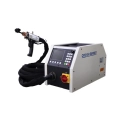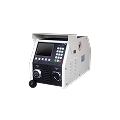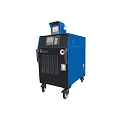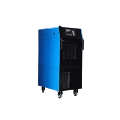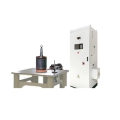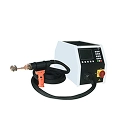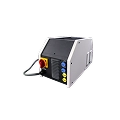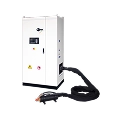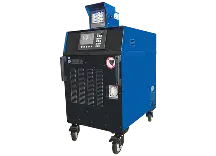





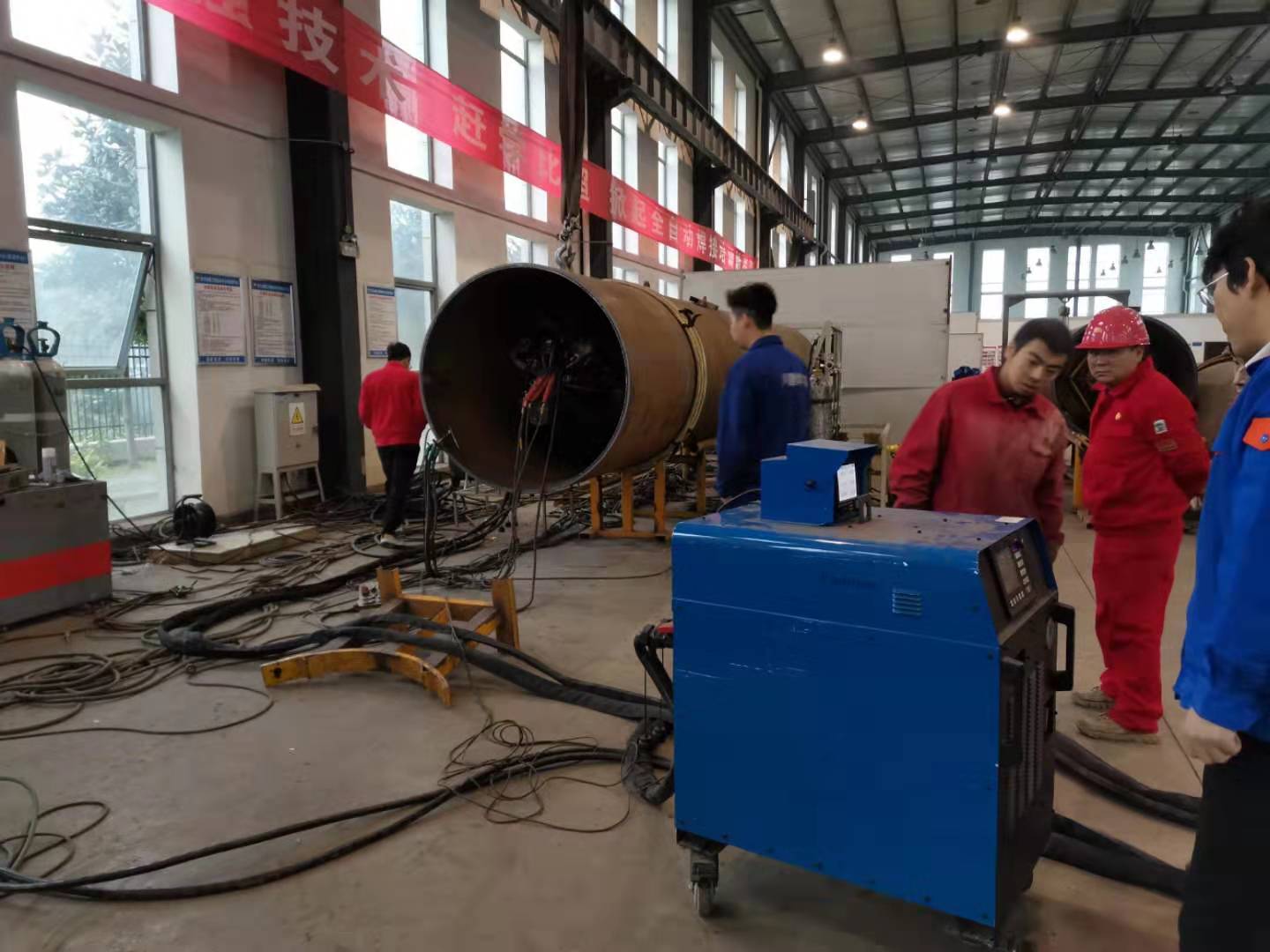
PWHT equipment lets you control how hot welded materials get after they are joined. You use this equipment to make welds safer and stronger. It helps lower the chance of cracks and failures by controlling heat treatment steps. When you do post-weld heat treatment, you make leftover stresses smaller and help the material last longer when used again and again.
| Evidence Description | Findings |
|---|---|
| Residual Stress Reduction | PWHT lowers leftover stresses a lot, sometimes by more than 90%. |
| Temperature Effect | Stress relaxes better at 750 °C than at 650 °C. |
| Fatigue Behavior Improvement | After PWHT, cracks spread more slowly, like how the base metal acts. |
Many industries, like power plants, petrochemicals, and ships, use these steps to keep their equipment strong and safe.
Key Takeaways
- PWHT equipment manages heat after welding. This makes joints stronger. It also lowers the chance of cracks.
- Doing the right heating and cooling steps is important. These steps help stop defects during post-weld heat treatment.
- Using PWHT makes welded materials last longer. It helps them handle heavy loads and tough conditions.
- Watching the temperature closely during PWHT keeps things safe. It also makes welds better.
- Picking the right PWHT equipment is important. You can use portable or furnace-based tools. This choice saves time and cuts costs in industry.
What Is PWHT Equipment?
PWHT Equipment Definition
PWHT equipment lets you control how hot welded metal gets after welding. You use it to heat the weld and the area around it. This helps the metal relax and lose the stresses from welding. Using pwht equipment makes the welded joint stronger and safer. It also helps the metal avoid cracking and breaking when it is used a lot or faces heavy loads.
PWHT means post weld heat treatment. This process makes welds and base metals better. PWHT brings back ductility and toughness in the heat-affected zone. It lowers brittleness and makes the metal safer under stress. The metal shows a better grain structure, so it lasts longer and fights fatigue.
Core Purpose in Welding
PWHT equipment is important for many reasons in welding:
- It deals with expansion from welding heat, so the metal can relax.
- It lowers leftover stresses that might cause cracks.
- It makes the weld and base metal stronger.
- It helps the metal bend and stretch without breaking.
- It stops stress cracking in welded joints.
- It makes the welded area tougher and less likely to break.
PWHT helps welded parts handle hard work. It keeps the metal strong even with vibration, pressure, or sudden changes.
Key Components and Technologies
Modern pwht equipment uses smart parts and technology for good results. Here are some main components you will see:
| Key Component | Functionality |
|---|---|
| Precise Heating | Heats welded spots evenly to make them tougher and better. |
| Insulation | Keeps the heat steady and stops fast cooling that can cause stress. |
| Controlled Cooling | Cools metal slowly to remove inside stresses and stop cracks or bending. |
| Corrosion Resistance | Changes the crystal structure so the metal resists rust and damage in tough places. |
You can pick from different types of pwht equipment. Common machines are IGBT digital induction units and resistance heat treatment units. Induction heating systems use electromagnetic fields to heat metal fast and directly. These systems save energy, work quickly, and are safer for the environment than old furnaces.
| Machine Type | Power Options |
|---|---|
| IGBT Digital Induction PWHT | 40kw, 80kw, 120kw |
| Resistance Heat Treatment Units | 70kVA to 90kVA |
New technology has made pwht equipment even better. MagneMat™ equipment uses magnets in ceramic heating pads. This design does not need pins, so setup is safer and faster. Electromagnetic field technology keeps performance steady, even in big pipes and tanks. These improvements help you finish jobs with less risk and lower labor costs.
Post Weld Heat Treatment Process
Heating, Holding, and Cooling Steps
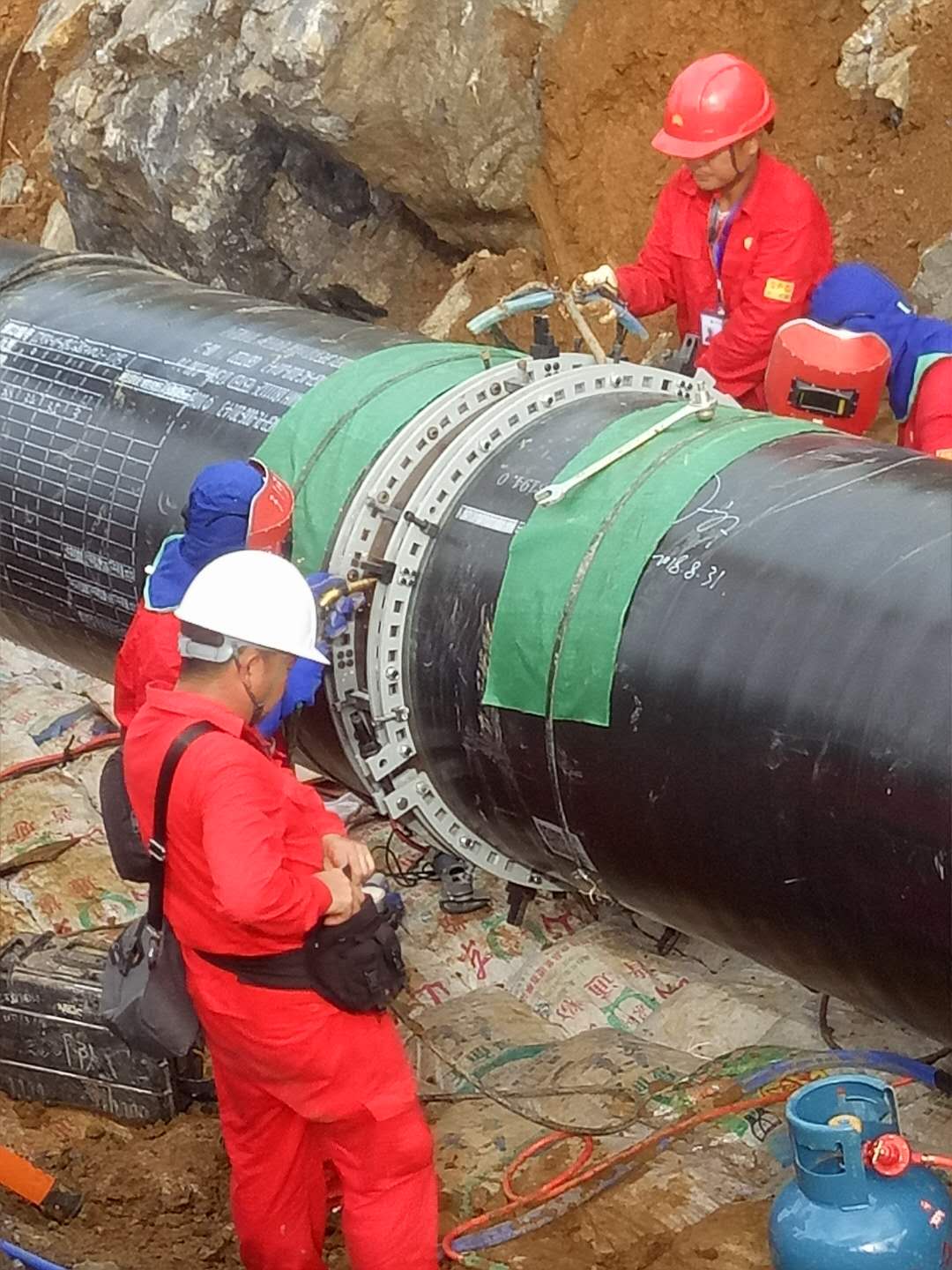
You need to follow a clear sequence when you perform post weld heat treatment. This process helps you make welded joints stronger and safer. You can use these steps for many types of industrial heat treatment.
- Pre-heating: You start by warming the component. Preheating and post-weld heat treatment work together to stop sudden temperature changes. This step lowers the risk of cracks and helps with stress relieving.
- Controlled Heating: You raise the temperature slowly. You usually heat the metal between 300°C and 650°C. This controlled heat treatment process makes sure the whole part heats evenly.
- Soaking: You keep the metal at the target temperature for a set time. Most times, you hold it for one hour for every inch of thickness. This soaking step gives you good residual stress relief.
- Slow Cooling: You let the metal cool down slowly. Controlled cooling stops the metal from getting brittle. It also helps prevent new cracks or bends.
You use these steps in every post weld heat treatment. Each step supports reduction in cracking risks and makes the weld last longer.
Tip: Always follow the right heating and cooling rates for your material. This practice gives you the best results in industrial heat treatment.
Temperature Control and Monitoring
You must watch the temperature closely during post-weld heat treatment. Good temperature control keeps your welds safe and strong. You can use special tools to help you.
- Calibrated thermocouples attach to important spots like the weld root and the heat-affected zone. These tools give you real-time feedback.
- You control the heating rate to avoid thermal shock. The right rate depends on the material and its thickness.
- When you reach the target temperature, you hold it steady for the soaking period. This step helps with stress-relieving heat treatments and lets the metal change in the right way.
- You also control the cooling rate. Slow cooling stops hardening and thermal cracks. You adjust the rate based on the type of metal and its size.
You need to monitor every stage of the process. Careful control and monitoring help you avoid defects and keep your equipment safe for industrial use.
Reducing Residual Stresses
You can use several methods to lower leftover stresses after welding. These methods help you get the most from your post weld heat treatment.
- Ultrasonic Impact Treatment (UIT): You use high-frequency impacts on the weld toe and heat-affected zone. This action creates small changes in the metal and adds helpful compressive stresses.
- Vibratory Stress Relief (VSR): You shake the part during or after welding. This method spreads out the stresses and gives you good results for industrial heat treatment.
- Low-temperature induction heating: You heat the area near the weld in a controlled way. This non-mechanical method reduces stress without changing the shape of the part.
You can choose the best method for your job. Each one supports stress relieving and makes your welds last longer. When you use these techniques, you improve the quality and safety of your welded structures.
Note: Using the right post-weld heat treatment methods helps you meet industry standards and keeps your equipment working well.
PWHT Benefits and Industrial Applications
Mechanical Property Enhancement
PWHT makes welded materials stronger and tougher. It changes how metal acts when stressed. This helps in tough jobs in factories. The table below shows how PWHT helps welded joints:
| Improvement Type | Description |
|---|---|
| Residual stress relief | Cuts down inside stresses from welding. This lowers bending and failure risk. |
| Reduction of excessive hardness | Makes the heat-affected zone less hard. This boosts toughness and helps fight fatigue. |
| Improved ductility and toughness | Lets metal bend more without breaking. This is important for resisting impacts. |
| Prevention of hydrogen embrittlement | Helps hydrogen move out, so cracks are less likely in high-alloy steels. |
PWHT helps equipment last longer. It lets metal handle shocks and heavy loads. This means welded parts stay strong for a long time.
Safety and Reliability in Industry
You must keep equipment safe and reliable. This is very important in power plants and chemical factories. These places use steel that gets hot and faces hydrogen. PWHT lowers the chance of hydrogen damage. It also makes steel stronger. PWHT removes leftover stresses from welding. This stops cracks and failures when the equipment runs.
Doing PWHT right after welding keeps joints strong. This step makes your plant safer. It helps everything work well. You also follow strict safety rules. This is needed in industries where safety matters most.
Applications in Power, Petrochemical, and Marine
PWHT is used in many areas. Here are some common uses:
- Shipbuilders and chemical plants use PWHT to lower inside stress in metals.
- PWHT stops cracks in tanks and makes them tougher against shocks and cold.
- The process gets rid of trapped hydrogen that can cause cracks.
- PWHT helps tanks and vessels meet safety rules.
- It makes tanks last longer and work better.
PWHT is very important for many industries. It keeps equipment safe, strong, and working well in power, chemical, and marine jobs.
Types of PWHT Equipment
Furnace-Based PWHT Equipment
Furnace-based PWHT equipment is good for big parts or many items. You use it in a shop where you can control the heat. You have to move your part or vessel into the furnace. This can take a long time and sometimes needs special permits for big loads. The furnace can only fit parts up to a certain size. If your part is too large, it will not fit inside. Moving heavy things can be risky and cause damage. The cost gets higher if you move bigger parts or go farther.
| Feature | Furnace-Based PWHT | Portable PWHT |
|---|---|---|
| Transport Requirements | Vessel must be transported to facility | Equipment comes to your facility |
| Oversized Load Permits | Required for large vessels | Not required |
| Transport Risk | Vessels can be damaged in transit | No transport risk |
| Scheduling | Dependent on furnace availability | Scheduled around your timeline |
| Size Limitations | Limited by furnace dimensions | No size limitation |
| Cost Implications | Increases with vessel size and distance | Cost advantage grows with vessel size |
Localized and Portable Solutions
Localized or portable PWHT equipment is good for repairs at your site. These systems come to you, so you do not move heavy parts. Localized PWHT treats just the weld area, not the whole part. This keeps the rest of the structure safe.
- Localized PWHT helps stop cracks from starting or spreading.
- Treating only the weld makes it stronger where needed.
- You can meet special needs and help your equipment last longer.
Portable PWHT saves time and money. You can use it on any size part, even in small spaces.
Canroon PWHT Equipment Features
Canroon has advanced PWHT equipment for many jobs. You should think about some things before picking a system:
- What the material is made of
- How thick the material is
- Carbon equivalent and how hard it can get
- Weld joint design and how much it can move
- What conditions the equipment will face
- The welding process and how much heat is used
- Code and rule requirements
- If the part has been fixed or reworked before
Canroon’s equipment lets you control temperature well, set up easily, and stay safe. You can use these systems in a shop or out in the field. This helps you follow industry rules and keep your welds safe.
Best Practices and Compliance
Common Errors in PWHT
You can stop many problems by following the right steps. One mistake is not handling materials the right way. This is important for high-strength steels. If you skip preheating or do not keep the right temperature, the metal cools too fast. Fast cooling can cause cracks and high leftover stresses. Always preheat for the right time and temperature. This helps the metal relax and lowers cracking risk. You also need to follow the welding steps for post-weld heat treatment. This step relieves stress and stops cold cracks. For example, heating plasma arc-welded 316 stainless steel to 650 °C for one hour makes strong welds with high strength and hardness.
Industry Standards and Regulations
You must follow industry rules when you do PWHT. These rules keep your work safe and reliable. Power plants and petrochemical plants use standards like ASME and API. These standards require post-weld heat treatment. For example, API 650 and ASME B31.3 say you must use heat treatment for important parts. These codes help you handle tough conditions and keep equipment working well.
| Standard or Code | Purpose |
|---|---|
| ASME Section VIII | Sets rules for pressure vessel construction |
| ASME B31.3 | Covers process piping requirements |
| API 650 | Governs welded tanks for oil storage |
| EN Standards | Provides European guidelines for welding and PWHT |
Following these standards helps protect workers and facilities. You also make sure your welds meet quality rules for long-lasting strength.
Ensuring Quality and Safety
You can use several steps to make sure your PWHT work is safe and high quality:
- Follow industry codes like ASME Section VIII and ASME B31.1 for every job.
- Check and record heating and cooling temperatures to stop cracks or brittleness.
- Inspect welds before and after PWHT using non-destructive testing.
- Keep records of temperature, time, and methods for quality checks.
Tip: Certified welders who follow proper steps make welds that last longer and give you better value over time.
PWHT equipment lets you keep welded parts safe and strong. It makes metal tougher and easier to bend. You can lower leftover stresses and follow industry rules. Picking the right equipment helps you control heat and cooling. This stops cracks and saves money. Always check the temperature and use good quality checks. Canroon’s PWHT tools work for oil, gas, power, and planes. New systems help you work faster and make parts last longer. Choosing smart, energy-saving machines gets you ready for new changes.
الأسئلة الشائعة
What does PWHT stand for?
PWHT stands for Post Weld Heat Treatment. You use this process to heat welded metal after joining. This step helps reduce stress and improve the strength of the weld.
When should you use PWHT equipment?
You should use PWHT equipment when welding thick steel, pressure vessels, or parts that face high stress. Many codes and standards require PWHT for safety and reliability.
How do you choose the right PWHT equipment?
Tip: Check the material type, thickness, and job size. You should also review code requirements and your work environment. Portable units work well for field jobs. Furnaces suit large batches.
What safety steps should you follow during PWHT?
- Wear heat-resistant gloves and eye protection.
- Keep the work area clear.
- Monitor temperatures with calibrated tools.
- Follow all safety codes.
Can you use PWHT on stainless steel?
Yes, you can use PWHT on stainless steel. This process helps remove stress and prevent cracking. You must follow the correct temperature and time for the best results.