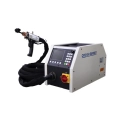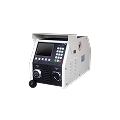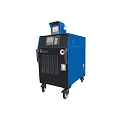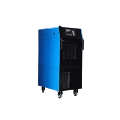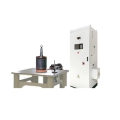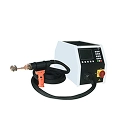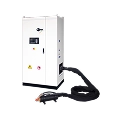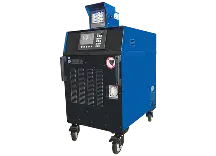





To pick the best induction heating machine, you need a good plan. First, look at what you need for your job. Next, check what the induction heating equipment can do. Compare different kinds of machines. Look at makers like Canroon for good quality and help. Check how much everything costs. Try not to make mistakes.
Tip: Make sure the induction system fits your job for the best results.
Основные выводы
- Figure out what you need to heat. Think about the material and size of your parts. This helps you pick the right induction heating machine.
- Pick the power and frequency that fit your job. Low frequencies work well for deep heating. High frequencies are good for heating the surface.
- Make sure the coil design matches your needs. A good coil stops uneven heating. It also makes the machine work better.
- Think about your workspace before you set up the induction heating system. Planning ahead makes things safer. It also helps everything run well.
- Выберите trusted manufacturer like Canroon. They give good support and service. Good after-sales service keeps your machine working well.
Application Needs for Induction Heating Machine
Material and Heating Penetration
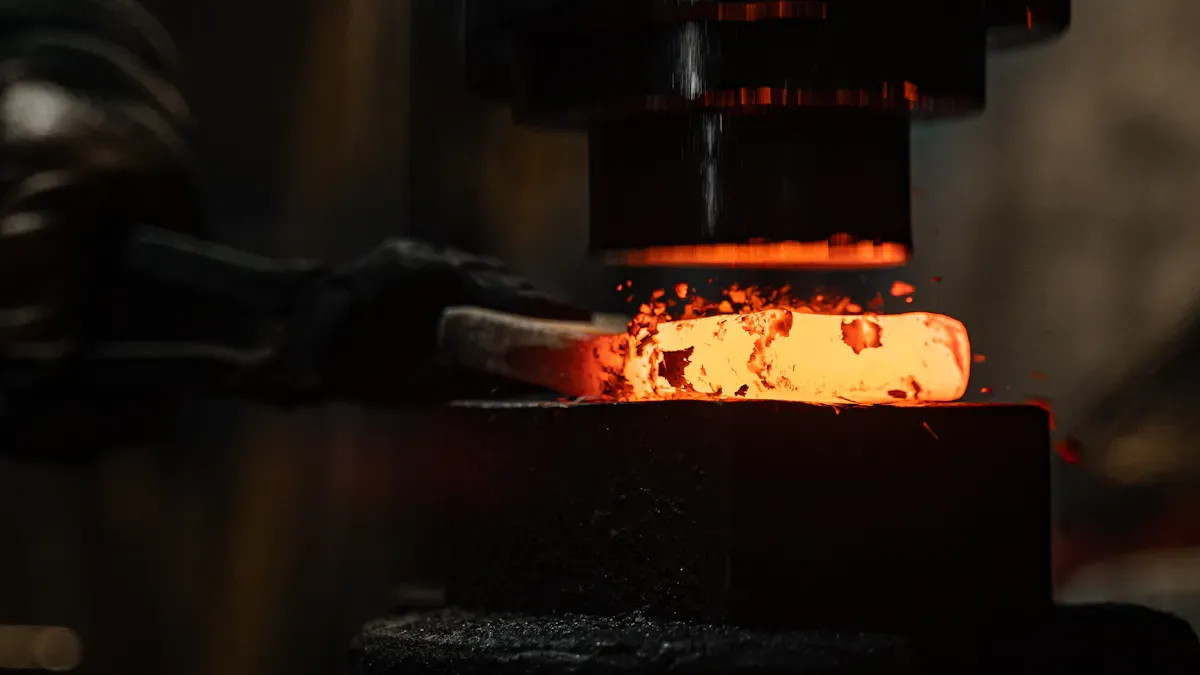
First, check what material you want to heat. Different materials need different machines. Steel heats up faster than copper or aluminum. Magnetic metals, like iron, heat well with induction. Non-magnetic metals, like copper, need more time and energy.
Here are some ways industries use induction heating:
- Induction hardening is used for gears, shafts, and bearings.
- Induction brazing and soldering join copper pipes and brass fittings.
- Induction forging shapes steel billets.
- Annealing and stress relieving soften metals and remove stress.
You also need to think about how deep the heat goes. This is called penetration depth. The right frequency helps control how deep the heat travels. Lower frequencies heat deeper. Higher frequencies heat only the surface. The table below shows how this works:
| Аспект | Описание |
|---|---|
| Penetration Depth | The depth where current density drops to 37% from the surface. |
| Frequency Relation | Penetration depth increases as frequency decreases. |
| Material Properties | Different metals have varying penetration depths based on their resistivity. |
Tip: Use lower frequencies for big parts to heat deeper. Use higher frequencies for small parts to heat the surface.
Power and Frequency Requirements
You need to match the power supply to your job. The power rating shows how fast you can heat your part. More power means faster heating. It also needs a stronger electrical setup.
Frequency is important too. Low frequencies (1–10 kHz) are best for deep heating and big parts. Medium frequencies (10–50 kHz) work for general heating and thicker layers. High frequencies (over 50 kHz) are best for small parts or surface hardening.
Here is a quick guide:
- Low Frequency (1–10 kHz): Deep heat, big parts.
- Medium Frequency (10–50 kHz): General heating, medium parts.
- High Frequency (over 50 kHz): Surface heating, small parts.
| Power Output (kW) | Frequency Range (kHz) | Описание |
|---|---|---|
| 1-10 | 100-500 | Small jobs, precision, surface heating |
| 10-50 | 50-200 | Medium jobs, surface heating, more complexity |
| 50-100 | 10-100 | Large jobs, deep penetration |
| 100+ | 1-50 | Heavy-duty, big volumes, deep and thorough heating |
Pick the right machine based on your part size, material, and how fast you need to heat.
Temperature Rise and Coil Design
You need to control how fast and how much the temperature rises. Some jobs need quick heating to high temperatures. Others need slow, steady heating. The coil design is very important.
A good coil design spreads heat evenly. If the coil is not right, you get hot and cold spots. This can cause weak joints or cracks. For example, a multi-turn coil, like a four-helix coil, spreads heat better and transfers energy well. The table below shows how different coils affect temperature:
| Coil Design | Temperature Gradient After 5 Seconds | Temperature After 10 Seconds Hold | Temperature After 60 Seconds Hold |
|---|---|---|---|
| Hairpin Coil | Large gradient | Significant smoothing | Near equilibrium, within 20 ºC |
| Oval Coil | Large gradient | Significant smoothing | Near equilibrium, within 20 ºC |
| Transverse Flux Coil | Levels out drastically | Very close to target | 300ºC reached with 3 seconds hold |
| Vertical Loop Coil | 25 ºC difference across length | Central 60% at 300 ºC | Reduced uniformity with time |
Note: The right coil design helps you avoid uneven heating. It makes your process more reliable.
Facility Layout and Machine Footprint
You must plan where to put your induction heating system. Think about the space you have. You need room for the main unit, the coil, the power cabinet, and the cooling system. Leave space for loading and unloading parts. Make sure there are clear paths for moving materials.
- Set up separate zones for hot and cool operations.
- Keep easy access to power panels and controls.
- Allow enough space for maintenance and inspection.
Good planning helps you work safely. It keeps your induction heating equipment running smoothly.
Key Features of Induction Heating Equipment
Efficiency and Coupling
Вы хотите, чтобы ваш оборудование для индукционного нагрева to save energy. Induction heating is very good at this. It turns most electricity into heat, so less power is wasted. Resistance heating wastes more energy, especially when it gets hot.
| Способ нагрева | Энергоэффективность |
|---|---|
| Индукционный нагрев | Up to 90% |
| Нагрев сопротивлением | Less efficient due to energy losses |
The coil’s shape and the frequency you use matter a lot. Some coils, like hairpin coils, work best with certain frequencies. If you pick the right coil and frequency, you get better heating. Canroon’s machines use smart coil designs and controls. This helps you get the best efficiency.
Safety Systems
Safety is important at work. Induction heating equipment can get very hot and uses high voltage. You need to protect yourself and your team from burns and shocks. Good machines have safety features like emergency stops and alarms. These help stop accidents and keep everyone safe. Canroon’s machines have built-in safety systems that follow strict rules.
Tip: Always look for safety labels and certifications before you buy.
Control and Cooling Methods
Easy controls help you do your job well. New induction heating machines have digital controls. You can set the temperature, time, and power with a few taps. This makes it easy to do the same job again and again. Cooling is also important. Induction machines use water or air to cool down parts. Canroon has both cooling types, so you can choose what you need.
Переносимость
Sometimes you need to move your induction heating machine. Portable machines help you work in small spaces or on big equipment. You do not have to take things apart. You can carry light models to the job and set them up fast. These machines have strong cases and simple controls. They also have quick-connect coils. Canroon’s portable machines let you work safely and fast, even in hard places.
Note: Portable machines save time and keep your team safe. This is helpful when you work near sensitive equipment.
Induction Heating Machine Types
High vs. Medium Frequency
It is important to know the difference between high-frequency and medium-frequency induction heating machines. High-frequency machines are good for heating just the surface. You can use them to make tool edges hard or treat small parts. Medium-frequency machines heat bigger and thicker parts. They are used for jobs like forging, annealing, or heating thick metal pieces.
Here is a table that shows how each frequency type fits different jobs:
| Frequency Type | Application Suitability |
|---|---|
| Высокочастотный | Excels in surface heating applications |
| Среднечастотный | Suitable for heating larger and deeper parts |
Pick the right frequency for your job. If you only need to heat the outside, use a high-frequency induction heating machine. If you need to heat big parts all the way through, use a medium-frequency induction heating system. This helps you save energy and get good results.
Tip: Make sure the induction heating power supply matches your part size and how deep you need to heat. This stops you from wasting energy and keeps your work steady.
Stationary vs. Portable
You also have to pick between stationary and portable induction heating machines. Stationary machines stay in one spot. They are used for jobs that need a lot of power or for heating many parts at once. These machines are best for factories or workshops. Portable machines are easy to move. You can take them to different places or use them to fix big equipment.
Here are some points to help you choose:
- Stationary machines give more power and do not move.
- Portable machines are easy to carry and set up fast.
- You can use portable machines for fixing things in the field or for small jobs.
If you need to heat parts in many places, pick a portable induction heating machine. If you work in one spot and need lots of power, choose a stationary machine. Both types heat metal fast and safely with induction.
Note: Portable machines help you work faster and cut down on waiting time. Stationary machines are good for big jobs and long work times.
Manufacturer and Support Evaluation
Warranty and Service
When picking induction heating equipment, check the warranty and service. A strong warranty helps you feel safe. It means the maker trusts their product. You want a company that fixes things fast. They should have spare parts ready. Good service keeps your work going. Canroon gives clear warranty terms and quick help. This lets your induction heating machine work well.
Техническая поддержка
You need good technical support for your induction heating equipment. Sometimes, problems happen or you need setup help. A helpful team answers your questions quickly. Canroon’s experts help with installation and fixing issues. They show you how to get the best from your induction system. Strong support makes using the machine easier.
Brand Reputation
Brand reputation is important when buying an induction heating machine. Trusted brands like Canroon have good quality and happy customers. You can read reviews and see what others say. Look for companies with experience in jobs like yours. Canroon uses advanced technology and saves money. The table below shows key things to check when comparing makers:
| Фактор | Описание |
|---|---|
| Frequency (kHz) | Important for heating depth and job fit. |
| Power Rating (kW) | Affects heating speed and how well it works for big parts. |
You should also:
- Think about the maker’s experience with similar jobs.
- Check the technology for good performance.
- See if the solutions are useful and not too expensive.
After-sales service and customer feedback help you choose wisely. A good brand helps you before and after you buy. This keeps your induction process safe and working well.
Induction Heating Machine Cost Factors
Первоначальные инвестиции
Induction heating machines cost more at first than other heaters. This is because they use special technology and parts. The price is higher for a few reasons:
- The machine has advanced electronics and controls.
- You need exact coils and a good cooling system.
- Skilled workers are needed to set up the machine.
You pay more at the start, but you save money later. Induction heating works quickly and uses less energy. This helps you spend less over time.
Note: Many companies pick induction heating. It saves money in the long run and gives better control.
Operating Expenses
You should look at how much it costs to run each system. Induction heating uses energy better than resistance or gas heaters. This means you pay less for power and repairs as time goes on.
| Heating System | Первоначальные инвестиции | Long-term Operating Costs |
|---|---|---|
| Индукционный нагрев | Higher | Lower because it saves energy and needs less fixing |
| Нагрев сопротивлением | Cheaper | Higher because it uses more energy and needs more repairs |
Induction heating also means less waiting for repairs. This helps you finish your work on time.
Техническое обслуживание
You need to take care of your induction heating machine. This keeps it working well and stops big problems.
- Look at the machine every day before you use it.
- Clean and fix parts each week.
- Check the whole system every month or every few months. Look at bolts and use heat scans.
There are six main parts to check: power supply, heat station, water system, quench system, heating coils, and moving parts. Doing regular checks stops problems and helps your machine last longer.
| Компонент | Maintenance Task Description | Estimated Cost Range |
|---|---|---|
| Источник питания | Look at and clean wires and parts. | $100 – $300 (small), $1000 – $5000 (big) |
| Индукционная катушка | Check for damage, water flow, and if it is straight. | $200 – $500 (small), $1500 – $3500 (new coil) |
| Система охлаждения | Check water, clean filters, and look for leaks. | $50 – $150 (small), $800 – $2500 (new system) |
| Control Unit | Update software, check sensors, and look at wires. | $150 – $300 (small), $1000 – $3500 (big) |
Tip: Checking and cleaning your machine often helps you avoid problems. This keeps your induction heating machine working well.
Mistakes to Avoid When Choosing Induction Heating Equipment
Underestimating Power Needs
You need to pick the right power for your machine. If your machine does not have enough power, your parts might not heat all the way. They may not get hot enough. This can make weak spots or cracks in your finished parts. You might have to fix mistakes, which wastes time and money. Some people forget to look at the shape of their parts. They also forget about how hard the parts need to be. They do not think about how different steps can change the results.
If you do not pay attention to the shape of your parts or how hard they need to be, you can make mistakes. Not knowing how each step changes the heat treatment can cause problems. It is upsetting and costly if your parts crack after heating.
Always check the size, material, and what you want to do with your part. Make sure your machine has enough power for the job.
Ignoring Safety
Safety is very important when using induction heating equipment. These machines get very hot and use strong electricity. You need to keep yourself and your team safe from burns and shocks. You can stop accidents by doing these things:
- Wear clothes that protect you from heat and electricity.
- Make sure your work area has good air and safety guards.
- Check your machine often and keep it in good shape.
- Put in sensors to watch the temperature and stop too much power.
- Use tools that turn off the power if there is a leak.
- Have trained workers set up your machine.
- Teach everyone how to stay safe and what to do in an emergency.
- Get ready for emergencies by learning first aid.
If you do not follow safety rules, people can get hurt and machines can break. You keep your work area safe by following these steps.
Overlooking After-Sales Service
After-sales service helps your machine work well for a long time. If you do not think about this, you might have problems that slow you down. Good service means:
- Checking how well your machine works over time.
- Getting help with how to use your machine.
- Support for setting up and fixing your machine.
- Training for people who use the machine.
- Free repairs for one year and help when you need it.
- A warranty for normal use and fast repairs.
- Free help for fixing problems for a long time.
You need a company that gives good help after you buy your machine. This lets you fix problems fast and keeps your machine working for many years.
You can pick the right induction heating machine by doing a few things. First, see if the machine works with your setup. Next, think about how much automation you want. Look for features like remote heating heads and temperature controls. Make sure you can handle heat safely. Use data logging to check quality.
| Checklist Item | Описание |
|---|---|
| Consistency in Heating | Get the same results every time. |
| Clean Operation | Keep your workspace free from smoke and dirt. |
| Localized Heating Capability | Heat only the area you need. |
| Fast Processing Speed | Finish more parts quickly. |
| Integration with Automation | Connect easily to your production line. |
Выберите trusted brand like Canroon for good support and reliable machines. If you need help, ask Canroon for expert advice.
Часто задаваемые вопросы
What materials can you heat with induction heating machines?
Induction heating machines can heat steel, iron, copper, aluminum, and brass. Magnetic metals get hot faster than non-magnetic ones. Non-magnetic metals need more power and take longer to heat. Always check what your part is made of before picking a machine.
How do you choose the right coil for your application?
Pick a coil that matches your part’s shape and size. Multi-turn coils are good for spreading heat evenly. Hairpin coils are better for small parts. Try out different coils to see which one works best.
Do you need special cooling for induction heating machines?
Cooling is needed to keep your machine safe. Most machines use water cooling for bigger jobs. Air cooling is used for small or portable machines. Always check what kind of cooling your machine needs before you use it.
Can you use induction heating machines for automation?
Induction heating machines can be used with automated lines. Look for machines with remote controls and temperature sensors. Automation helps you get the same results every time and saves time.
What safety features should you look for?
Pick machines with emergency stops, alarms, and safety labels. Wear gear that protects you. Make sure your work area has good airflow. Safety features help keep everyone safe.