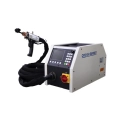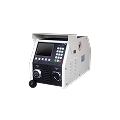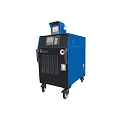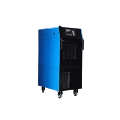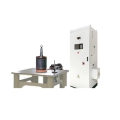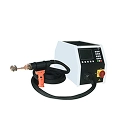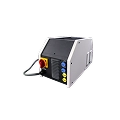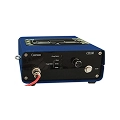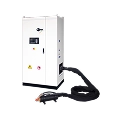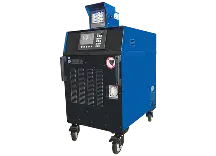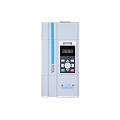





An induction heating generator is the core power unit that enables an induction heating system to generate and control electromagnetic heating energy. Unlike traditional heating equipment that relies on external heat sources to transfer thermal energy to a workpiece, an induction heating generator converts electrical energy into high-frequency alternating current and supplies it to an induction coil. The coil then creates a changing electromagnetic field, allowing conductive materials to generate heat internally through electromagnetic induction. This direct energy conversion process enables faster heating response, improved energy utilization, and more precise temperature control.
The heating performance of an induction system depends heavily on the operating capability of the induction heating generator. By regulating important electrical parameters such as output power, frequency, and current characteristics, the generator controls the intensity and distribution of electromagnetic energy transferred to the workpiece. Different materials, component sizes, and heating requirements require different energy conditions, making generator control capability essential for achieving stable and efficient heating results.
Understanding how an induction heating generator supports heating helps manufacturers better evaluate the working principle and performance advantages of induction technology. Through accurate energy conversion, electromagnetic field generation, and heating parameter adjustment, an induction heating generator provides reliable support for industrial processes that require rapid heating, controlled temperature distribution, and consistent production quality.
An Induction Heating Generator Converts Electrical Energy Into Heating Energy
The primary function of an induction heating generator is to transform electrical energy from the power supply into controlled electromagnetic energy used for heating. Inside the generator, advanced power conversion circuits adjust the input electricity into a suitable alternating current with specific frequency and power characteristics. This converted electrical energy is then delivered to the induction coil, creating the electromagnetic conditions required for heating conductive materials in an Индукционная нагревательная машина.
The efficiency of this energy conversion process directly affects the overall performance of an induction heating system. A properly designed induction heating generator minimizes energy losses during power conversion and provides stable electrical output throughout the heating cycle. If the generator cannot maintain consistent output conditions, the electromagnetic field may fluctuate, causing uneven heating, longer processing times, or inconsistent product quality.
By efficiently converting electrical energy into usable heating energy, an induction heating generator provides the foundation for modern industrial induction heating technology. The generator does not directly produce heat like a furnace or heating element; instead, it creates the electrical conditions that allow the workpiece itself to generate heat through electromagnetic induction.
The Power Conversion Process Determines How an Induction Heating Generator Supplies Heating Energy
An induction heating generator begins the heating process by converting electrical energy from the power source into high-frequency alternating electrical energy that can be used for induction heating. The generator contains power conversion components, such as rectifier circuits, inverter modules, and control systems, which work together to adjust voltage, current, and frequency according to the heating requirements. This conversion process is essential because the induction coil does not receive ordinary power directly; it requires a controlled electrical output to generate a stable electromagnetic field.
The performance of an induction heating generator depends largely on how efficiently it manages this electrical conversion process. During operation, energy losses may occur due to switching losses, electrical resistance, heat dissipation, or unstable power output. A high-quality generator is designed to reduce unnecessary energy losses and maintain consistent electrical parameters throughout the heating cycle. Stable power conversion helps ensure that the induction coil produces a predictable electromagnetic field, allowing the workpiece to receive uniform heating energy.
For industrial heating applications, understanding the power conversion function of an induction heating generator helps users evaluate equipment performance more accurately. The generator is not simply a power supply but a precision energy control unit that determines how electrical energy is transformed and delivered to the heating system. By providing stable and adjustable electrical output, the generator creates the foundation for efficient induction heating processes, improved temperature control, and consistent production quality.
The Generator Output Parameters Control the Heating Characteristics of an Induction System
The electrical output parameters of an induction heating generator directly influence how heating energy is transferred to the workpiece. Key parameters include output power, operating frequency, current intensity, and voltage characteristics. Different industrial heating applications require different combinations of these parameters because the heating behavior depends on material properties, component size, and the required heating depth. By adjusting these factors, the generator allows operators to control the intensity and distribution of heat during processing.
For example, a higher output power level can provide greater heating capacity for large metal components, while lower power settings may be suitable for smaller parts or applications requiring precise temperature control. Frequency selection also affects heating characteristics because electromagnetic penetration depth changes with frequency. Higher frequencies typically concentrate heating closer to the surface, while lower frequencies allow electromagnetic energy to penetrate deeper into the material. Therefore, the output capability of an induction heating generator determines whether the system can meet specific industrial heating requirements.
A properly configured induction heating generator improves process control by matching electrical output with the physical characteristics of the workpiece. Instead of relying on fixed heating conditions, manufacturers can adjust generator parameters according to production needs. This flexibility allows induction heating systems to achieve more accurate temperature management, reduce overheating risks, and maintain stable heating performance during continuous industrial operation.
The Energy Conversion Efficiency Influences Overall Induction Heating Performance
Energy conversion efficiency is an important factor when evaluating the performance of an induction heating generator. Since the generator is responsible for transforming electrical input into usable electromagnetic energy, its efficiency affects the amount of power that can actually be transferred to the heating process. A generator with higher conversion efficiency can reduce energy waste, lower operating costs, and provide more effective heating performance compared with equipment that experiences greater electrical losses.
In industrial environments, inefficient energy conversion may lead to increased electricity consumption, excessive heat generation inside the equipment, and unstable heating output. These problems can affect production efficiency, especially in applications requiring continuous operation or precise thermal control. An advanced induction heating generator uses optimized circuit design and intelligent control methods to maintain efficient power conversion while ensuring reliable operation under different load conditions.
By improving energy conversion efficiency, an induction heating generator supports more sustainable and cost-effective industrial heating solutions. Efficient electrical energy utilization not only reduces unnecessary power consumption but also helps maintain stable electromagnetic output during the heating process. This makes the generator a critical component for achieving reliable induction heating performance in modern manufacturing environments.
An Induction Heating Generator Creates an Electromagnetic Field Through Alternating Current
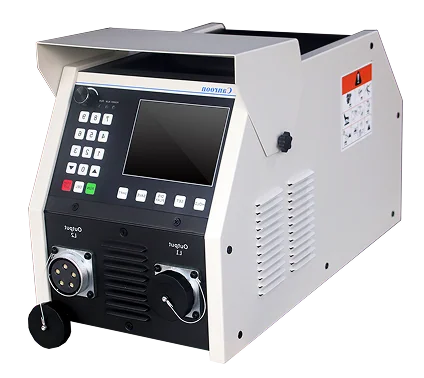
An induction heating generator supports heating by supplying alternating current to an induction coil, which produces a continuously changing electromagnetic field around the heating area. When a conductive metal component is placed inside this electromagnetic field, the changing magnetic flux induces electrical currents within the material. These induced currents flow through the resistance of the metal and generate heat directly inside the workpiece.
The strength and characteristics of the electromagnetic field depend on the electrical output provided by the induction heating generator. Parameters such as current intensity, frequency, and power level influence how electromagnetic energy interacts with the material. Higher frequencies generally create stronger surface heating effects, while lower frequencies allow deeper electromagnetic penetration into larger components, which is important for Среднечастотный индукционный нагрев applications.
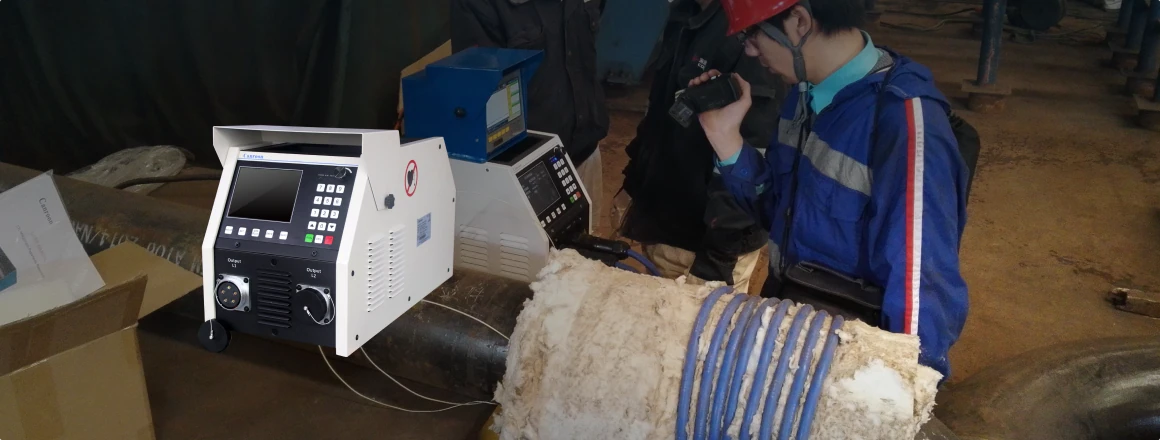
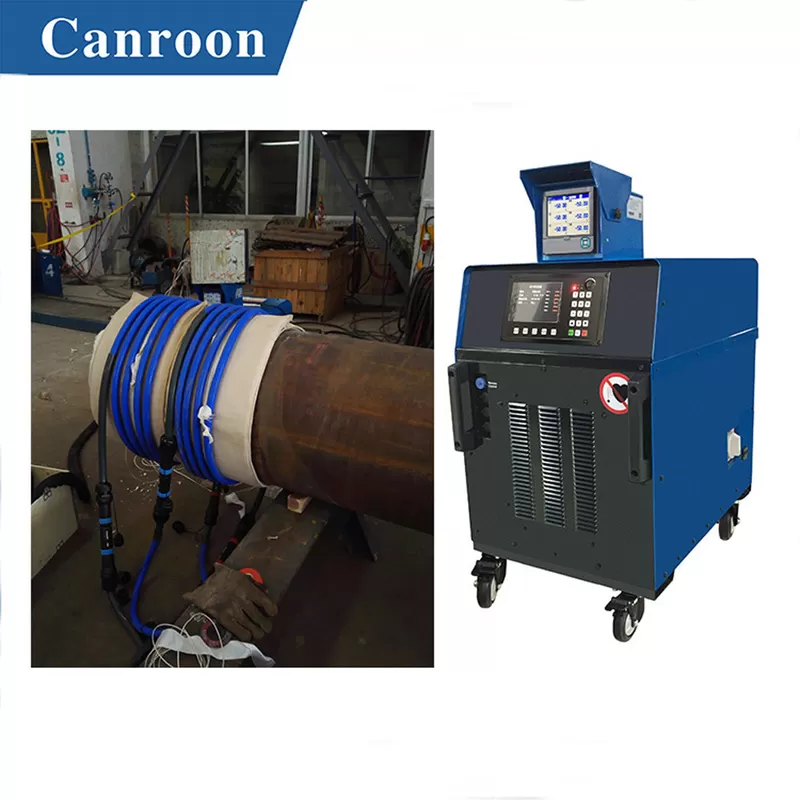
Through precise electromagnetic field generation, an induction heating generator allows manufacturers to control where and how heat is produced. This principle eliminates the need for direct flame or physical heating contact and provides a cleaner, faster, and more controllable heating method for industrial metal processing, including applications such as 40kW Medium Frequency Induction Heating Generator for Pipe Preheating.
Alternating Current Generation Enables Electromagnetic Induction Heating
The heating principle of an induction heating generator is based on the relationship between alternating current and electromagnetic induction. After converting electrical energy into suitable alternating current, the generator supplies this current to an induction coil. The coil then produces a changing electromagnetic field around the heating area. When a conductive metal workpiece is placed within this field, electrical currents known as eddy currents are induced inside the material, and these currents generate heat through the electrical resistance of the metal.
The ability of an induction heating generator to create a stable alternating current directly affects the consistency of the heating process. If the electrical output fluctuates significantly, the electromagnetic field may become unstable, resulting in uneven heat distribution or inconsistent processing results. Therefore, precise control of current frequency and power output is necessary to ensure that the electromagnetic field remains suitable for the specific material and heating application.
Unlike traditional heating methods that transfer heat from an external source to the workpiece surface, induction heating generates heat directly inside the conductive material. This internal heating mechanism allows faster energy transfer and more accurate temperature control. Through controlled alternating current generation, an induction heating generator provides the electrical foundation required for efficient, contactless, and precise industrial heating.
Electromagnetic Field Characteristics Determine Heating Depth and Distribution
The electromagnetic field produced by an induction heating generator determines how energy is distributed within the metal workpiece. The characteristics of this field are influenced by factors such as frequency, coil design, output power, and material properties. These factors affect the penetration depth of induced currents and determine whether heating occurs mainly on the surface or extends deeper into the component.
For surface hardening applications, higher-frequency electromagnetic fields are often used because they create stronger heating effects near the outer layer of the material. In contrast, applications involving larger components or deeper heating requirements may require lower-frequency operation to allow greater electromagnetic penetration. The ability to adjust field characteristics makes an induction heating generator suitable for a wide range of industrial processes, including metal joining, forging preparation, heat treatment, and component heating.
Understanding electromagnetic field behavior is essential when selecting and configuring an induction heating system. The generator must provide electrical output that matches the required heating depth, material characteristics, and production objectives. By controlling electromagnetic field parameters accurately, an induction heating generator enables manufacturers to achieve targeted heating results while improving process efficiency and reducing unnecessary energy consumption.
An Induction Heating Generator Controls Heating Depth Through Frequency Adjustment
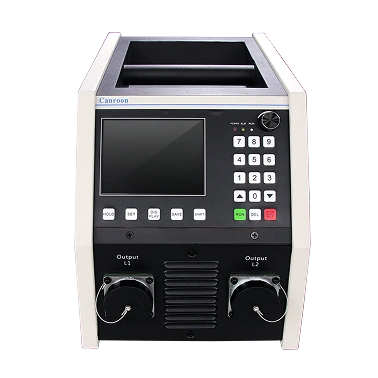
Frequency adjustment is one of the key functions that allows an induction heating generator to control heating characteristics. Different industrial heating processes require different heating depths, and the operating frequency determines how deeply electromagnetic energy penetrates into the conductive material. By selecting an appropriate frequency range, the generator can achieve surface heating, intermediate heating, or deeper heating effects.
For example, high-frequency operation is often used when manufacturers require rapid surface heating for applications such as surface hardening with an Индукционная закалочная машина. Lower-frequency operation can provide deeper heat penetration, making it more suitable for larger components that require uniform internal temperature distribution. The induction heating generator adjusts frequency output according to material properties, component dimensions, and processing requirements.
This frequency control capability allows one induction heating system to support different heating objectives without changing the basic heating principle. By managing electromagnetic penetration depth, the generator helps manufacturers achieve more accurate thermal processing results and improve heating consistency during industrial production with advanced Индукционная машина для термообработки solutions.
Frequency Selection Determines Electromagnetic Penetration Depth in Metal Heating
The operating frequency of an induction heating generator is a critical factor that determines how electromagnetic energy penetrates into a conductive workpiece. When alternating current passes through the induction coil, the generated electromagnetic field induces eddy currents inside the metal. These currents are not distributed evenly throughout the material but tend to concentrate near the surface, a phenomenon known as the skin effect. The depth at which the induced current flows depends largely on the frequency generated by the induction heating generator.
Higher operating frequencies generally result in a shallower current penetration depth, making them suitable for applications that require rapid surface heating. For example, surface hardening processes often use high-frequency induction heating to heat only the outer layer of a component while keeping the internal structure relatively unaffected. In contrast, lower frequencies allow electromagnetic energy to penetrate deeper into the workpiece, which is beneficial for heating larger components or achieving more uniform temperature distribution throughout the material.
By selecting the appropriate frequency according to material type, component size, and heating objectives, an induction heating generator provides better control over the thermal process. This frequency-based adjustment allows manufacturers to avoid unnecessary heat exposure, improve energy utilization, and achieve more precise heating results in different industrial applications. Therefore, frequency control is not only a technical parameter but also an important method for optimizing induction heating performance.
Material Characteristics Influence Frequency Adjustment Requirements in an Induction Heating Generator
The frequency adjustment of an induction heating generator must consider the physical characteristics of the workpiece being heated. Different metals have different electrical conductivity, magnetic properties, dimensions, and thermal responses, which directly influence how electromagnetic energy is absorbed and converted into heat. Therefore, a frequency setting that works effectively for one material may not provide the same heating performance for another material.
For example, materials with higher electrical conductivity may respond differently to electromagnetic fields compared with materials with lower conductivity. Similarly, large-diameter components often require deeper heat penetration, meaning that lower-frequency operation may be more suitable. Smaller parts or applications requiring localized heating may benefit from higher-frequency output to achieve faster surface temperature increases without affecting surrounding areas.
A properly configured induction heating generator allows operators to adjust frequency according to actual material requirements rather than using fixed heating conditions for all applications. This flexibility improves process adaptability and helps manufacturers achieve more consistent heating quality. By matching frequency output with material characteristics, industrial users can reduce energy waste, improve heating accuracy, and maintain stable production performance.
Multi-Frequency Control Expands the Application Range of an Induction Heating Generator
A modern induction heating generator with flexible frequency control can support a wider range of industrial heating processes. Different manufacturing applications may require different heating depths, temperature profiles, and processing speeds, making frequency adaptability an important capability. Instead of relying on a single operating frequency, advanced systems can adjust frequency parameters to match different workpieces and production requirements.
For instance, a manufacturer may need shallow surface heating for strengthening processes, medium-depth heating for component preheating, or deeper heating for forging and large metal processing. Through frequency adjustment, the same induction heating generator can provide suitable electromagnetic conditions for these different tasks. This reduces the need for multiple heating systems and improves equipment utilization in industrial environments.
The ability to manage multiple heating requirements demonstrates the versatility of induction heating technology. By combining frequency control with accurate power regulation, an induction heating generator helps manufacturers achieve better process flexibility while maintaining stable heating performance. This capability is especially valuable for industries that process different component sizes or require frequent changes in production conditions.
An Induction Heating Generator Regulates Heating Temperature Through Power Control
Power control is another important function that determines how an induction heating generator supports the heating process. The amount of electrical power supplied to the induction coil directly affects the intensity of the electromagnetic field and the rate at which heat is generated inside the workpiece. By adjusting output power, manufacturers can control heating speed and maintain suitable temperature conditions for different processes.
Accurate power regulation is especially important in industrial applications where overheating or insufficient heating may affect product quality. Excessive power may cause unwanted temperature increases, material deformation, or surface defects, while insufficient power may result in incomplete heating and reduced production efficiency. A reliable induction heating generator provides stable power adjustment to maintain the required heating conditions.
Through precise power management, the induction heating generator allows operators to achieve controlled heating cycles and repeatable production results. This capability is essential for processes requiring strict temperature requirements, including metal forming, heat treatment, and component joining operations.
Power Regulation Controls Energy Input During the Induction Heating Process
Power regulation is an essential function of an induction heating generator because the amount of electrical energy delivered to the induction coil directly affects heating speed and temperature development. During induction heating, excessive power input may cause overheating, surface damage, or unnecessary energy consumption, while insufficient power may result in longer processing times and incomplete heating. Therefore, precise power control is necessary to maintain suitable thermal conditions.
An induction heating generator adjusts output power according to factors such as workpiece material, component size, heating duration, and production requirements. By controlling the electrical energy supplied to the coil, the system can maintain a stable heating process and prevent significant temperature fluctuations. This is particularly important in industrial production environments where repeatability and process consistency are required.
Through accurate power regulation, an induction heating generator improves heating efficiency while protecting the workpiece from excessive thermal stress. Stable energy delivery allows manufacturers to achieve predictable heating results, reduce production variations, and maintain consistent product quality during continuous operation.
Closed-Loop Control Improves Heating Accuracy in an Induction Heating Generator System
Closed-loop control technology improves the ability of an induction heating generator to maintain stable heating conditions during operation. Unlike traditional systems that operate with fixed power settings, closed-loop systems can monitor operating conditions and adjust output parameters according to real-time feedback. This allows the generator to respond to changes that may occur during the heating process.
For example, variations in workpiece position, material characteristics, or environmental conditions may influence heating performance. A closed-loop control system can detect these changes through sensors and automatically modify power output or operating parameters to maintain the desired heating condition. This reduces the risk of inconsistent temperature distribution and improves overall process reliability.
In industrial applications requiring high precision, closed-loop regulation provides important advantages for an induction heating generator. It helps manufacturers maintain stable heating cycles, improve automation capability, and reduce manual adjustment requirements. By continuously optimizing energy output, the system supports more reliable induction heating performance across different production environments.
An Induction Heating Generator Maintains Stable Heating Through Output Control
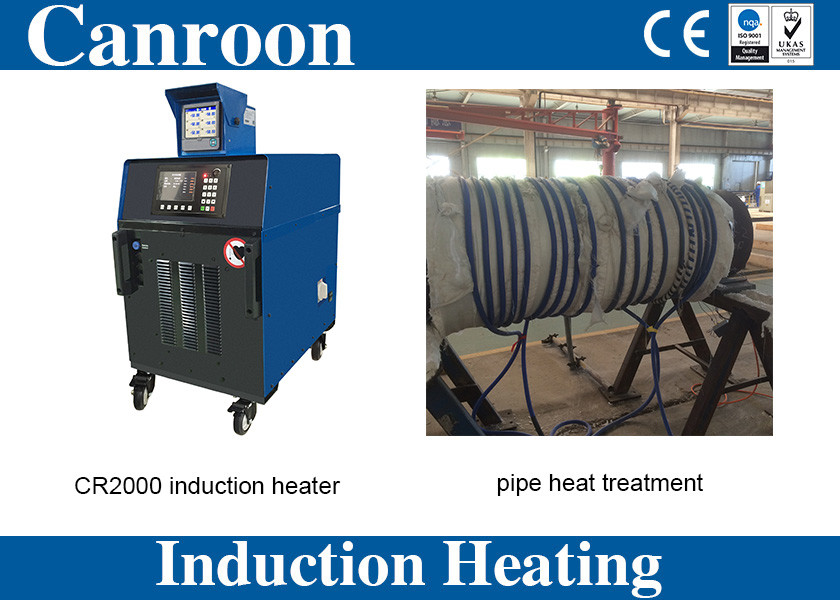
The stability of heating performance depends on whether an induction heating generator can maintain consistent electrical output during operation. Industrial heating processes often require repeated cycles with similar temperature requirements, meaning fluctuations in generator output may directly affect product quality and production efficiency. A stable generator ensures that the electromagnetic energy supplied to the induction coil remains within the required operating range.
During continuous operation, factors such as changes in workload, material characteristics, and production conditions may influence heating requirements. An advanced induction heating generator can monitor operating conditions and adjust output parameters accordingly to maintain stable energy delivery, similar to the control approach used in IGBT Induction Heating Generator for Pipe Anti-Corrosion Coating with Split Core Inductor applications. This dynamic control helps reduce temperature variations and improves the consistency of the heating process.
By maintaining stable electromagnetic energy output, an induction heating generator supports reliable industrial heating performance. Stable output control not only improves product consistency but also helps manufacturers reduce energy waste, optimize processing conditions, and achieve more predictable production results.
Real-Time Output Monitoring Helps Maintain Consistent Heating Conditions
Real-time output monitoring is an important function that enables an induction heating generator to maintain stable heating performance during continuous operation. Industrial heating processes may experience changes caused by different workpiece conditions, production cycles, or operating environments. Without effective monitoring, variations in electrical output may lead to unstable electromagnetic fields and affect the final heating results.
By continuously monitoring electrical parameters, an induction heating generator can identify changes in operating conditions and make necessary adjustments. Parameters such as output current, voltage, frequency, and power level provide important information about whether the system is operating within the expected range. This feedback allows the generator to maintain stable energy delivery and reduce unexpected variations during the heating process.
For automated industrial applications, real-time monitoring improves process reliability and reduces dependence on manual adjustment. A stable induction heating generator can respond more effectively to changing production conditions, ensuring that each heating cycle receives consistent electromagnetic energy. This supports better temperature control, improves product repeatability, and helps manufacturers achieve more efficient thermal processing.
An Induction Heating Generator Supports Precise Heating Process Control
Precise process control is one of the major advantages provided by an induction heating generator in industrial heating applications. Unlike traditional heating methods where temperature adjustment may depend on external heat transfer conditions, induction heating allows direct control of the energy supplied to the workpiece. The generator provides the adjustable electrical parameters needed to manage heating intensity, heating time, and temperature response in systems such as a Аппарат для постсварочной термообработки (PWHT).
By integrating control systems with the induction heating generator, operators can monitor and adjust important heating parameters during operation. These controls help ensure that different workpieces receive the appropriate amount of electromagnetic energy based on their material properties and processing requirements, including applications that require a Портативная индукционная нагревательная машина. This level of control improves heating accuracy and reduces variations between production cycles.
The ability to precisely control heating conditions makes an induction heating generator suitable for industrial processes that require repeatable thermal performance. Through intelligent adjustment of electrical output, the generator helps manufacturers achieve efficient heating, consistent product quality, and improved process reliability, as demonstrated by High Frequency Induction Heating Generator for PWHT Applications.
Adjustable Electrical Parameters Enable Precise Heating Management
An induction heating generator supports precise heating process control by providing adjustable electrical parameters that directly influence electromagnetic energy transfer. Unlike conventional heating methods that mainly rely on external heat conduction and radiation, induction heating generates heat inside the conductive workpiece through induced currents. Therefore, controlling the electrical output of the generator allows manufacturers to manage heating intensity and temperature response more accurately.
Important parameters such as power output, frequency, and current level determine how electromagnetic energy interacts with the material. By adjusting these parameters, an induction heating generator can achieve different heating effects according to specific processing requirements. For example, surface treatment processes may require concentrated energy input near the material surface, while larger components may require deeper and more uniform heating.
This adjustable control capability improves the flexibility of industrial heating operations. Manufacturers can optimize heating conditions according to material characteristics, component dimensions, and production objectives. Through accurate electrical parameter management, an induction heating generator helps reduce unnecessary energy consumption, improve heating accuracy, and achieve more consistent thermal processing results.
Automated Control Systems Improve Heating Process Repeatability
Automated control systems enhance the ability of an induction heating generator to deliver repeatable heating performance in industrial environments. In many manufacturing processes, consistent heating results are essential because variations in temperature or heating time may affect material properties and final product quality. Manual adjustment alone may not provide sufficient accuracy for continuous production requirements.
By integrating sensors, control modules, and monitoring technologies, an induction heating generator can automatically regulate operating conditions during the heating process. The system can adjust power output, maintain preset heating parameters, and respond to changes in operating conditions. This reduces human intervention and helps ensure that different production cycles follow the same heating standards.
For industries requiring high production consistency, automated control provides significant advantages. A properly configured induction heating generator can maintain stable heating conditions across repeated operations, improving efficiency and reducing production variations. This makes precise automation an important feature for manufacturers seeking reliable and scalable induction heating solutions.
An Induction Heating Generator Provides Reliable Support for Industrial Heating Systems
An induction heating generator is the core power source that determines the performance, stability, and adaptability of an industrial induction heating system. By converting electrical energy into controlled electromagnetic energy, the generator provides the power output required for different heating processes, including preheating, brazing, annealing, hardening, tempering, and post weld heat treatment. A reliable induction heating generator must not only provide sufficient heating power but also maintain stable output, accurate parameter control, and compatibility with different induction heating equipment configurations.
The selection of an induction heating generator should be based on actual application requirements, including workpiece material, heating depth, temperature range, production efficiency, and operating environment. Different industrial processes require different heating characteristics. For example, pipe preheating may require medium-frequency output with suitable penetration depth, while post weld heat treatment may require precise temperature control over a larger heating area. Therefore, matching the generator specifications with the heating application is essential for achieving stable and efficient thermal processing.
Canroon provides induction heating solutions designed for various industrial heating requirements. Through different generator configurations, frequency options, and system designs, Canroon helps customers achieve reliable electromagnetic heating performance for different applications. By selecting a suitable induction heating generator and integrating it with professional heating equipment, manufacturers can improve process stability, maintain consistent heating quality, and enhance the long-term reliability of industrial heating operations.