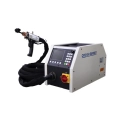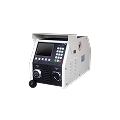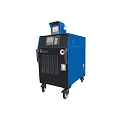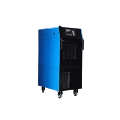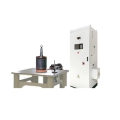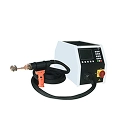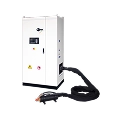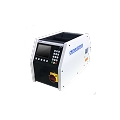





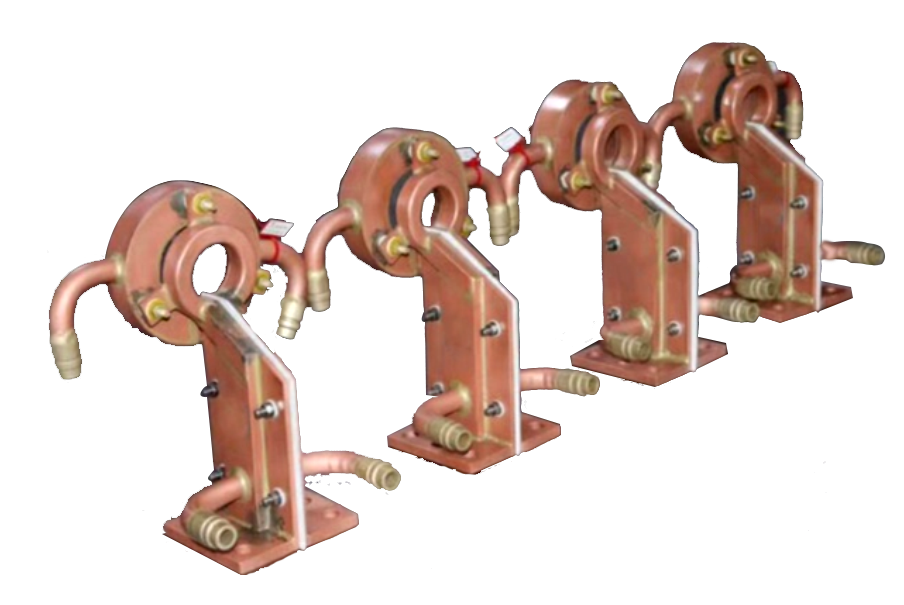
Induction Heating Coils are essential components in industrial induction heating systems because they determine how electromagnetic energy is transferred to metal workpieces. Although the power supply generates the required high-frequency or medium-frequency electrical energy, the induction coil is the component that creates the electromagnetic field and directly influences the heating effect on the material.
In metal processing applications, Induction Heating Coils are used together with Équipement de chauffage par induction to achieve processes such as hardening, brazing, annealing, tempering, stress relieving, and preheating. The coil design, operating frequency, cooling structure, and configuration all affect heating efficiency, temperature distribution, and process stability.
Understanding how Induction Heating Coils work helps engineers and manufacturers optimize induction heating systems for different production requirements. By selecting suitable coil designs and matching them with appropriate equipment parameters, industrial users can achieve more accurate heating control, improved energy utilization, and consistent metal processing performance.
Induction Heating Coils Create Heat Through Electromagnetic Induction
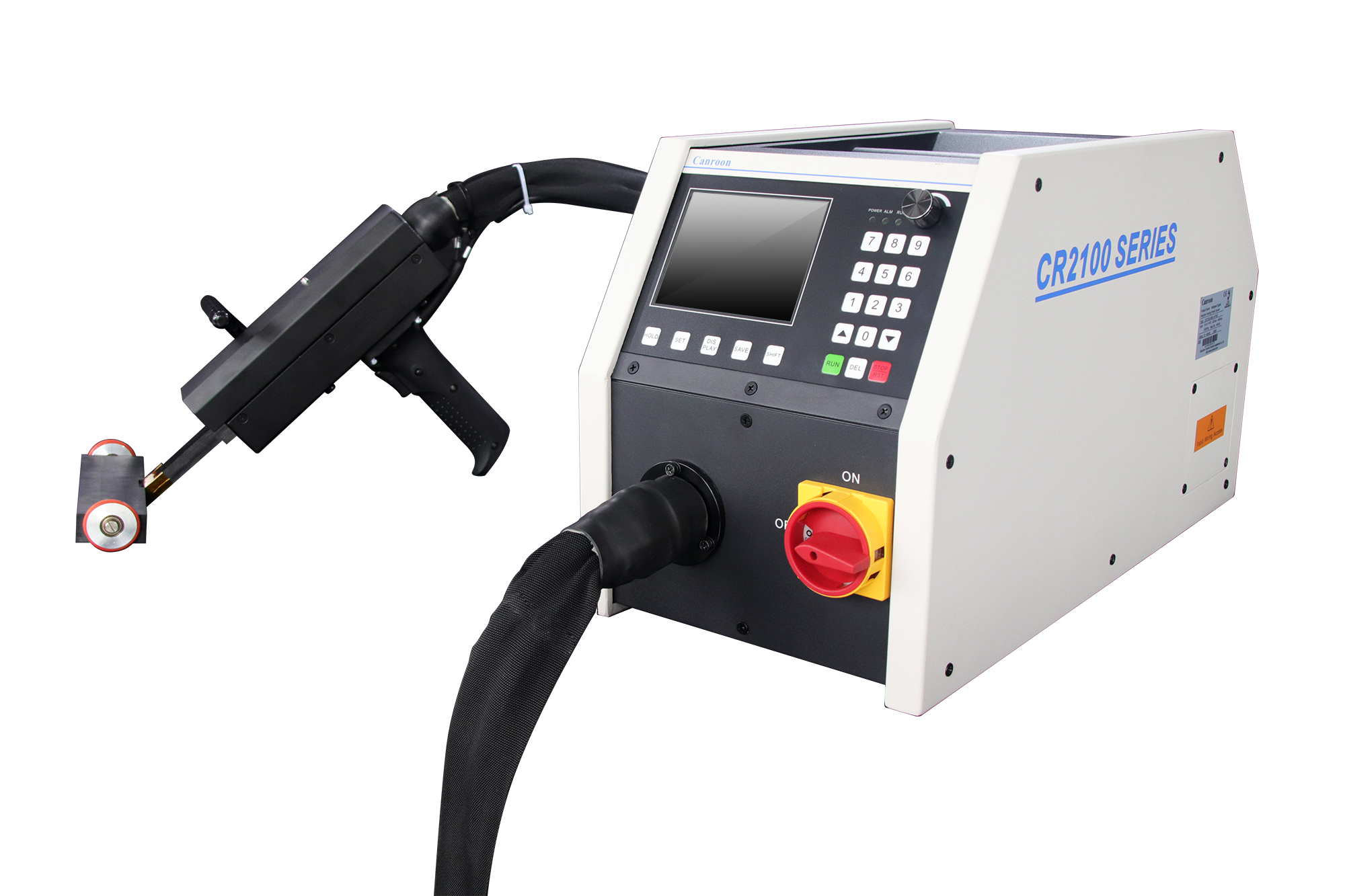
Induction Heating Coils generate heat through the principle of electromagnetic induction, which allows electrical energy to be converted into heat energy inside conductive metal materials. During operation, alternating current passes through the coil and creates a changing electromagnetic field around the workpiece. When the metal component is placed within this magnetic field, induced electrical currents, known as courants de Foucault, are generated inside the material. The resistance of the metal causes these currents to produce heat.
Unlike traditional heating methods that transfer heat from an external source, induction heating creates heat directly inside the workpiece. This allows faster heating speeds, improved energy efficiency, and better control of the heating area. Because the heat generation occurs within the metal itself, Induction Heating Coils can provide localized heating without unnecessarily affecting surrounding areas.
In industrial metal processing, this working principle makes induction heating suitable for applications requiring precise temperature control. For example, Trempe par induction requires concentrated surface heating, while Brasage par induction requires accurate heating of specific joint areas.By creating a controlled electromagnetic field, Induction Heating Coils help ensure that different metal treatment processes can achieve stable and repeatable results.
Induction Heating Coils Generate Eddy Currents Inside Conductive Materials
Induction Heating Coils generate heat through the principle of electromagnetic induction, which converts electrical energy into thermal energy inside conductive metal components. When alternating current passes through the coil conductor, it creates a continuously changing electromagnetic field around the coil area. When a metal workpiece is placed within this electromagnetic field, electrical currents are induced inside the material. These induced currents, commonly known as eddy currents, flow through the metal and generate heat because of the material’s electrical resistance.
This heating process is different from traditional methods such as flame heating, furnace heating, or resistance heating, where heat must travel from the external surface toward the inside of the material. With induction heating, energy is directly generated inside the workpiece, allowing faster response times and more precise heating control. This characteristic is especially valuable in industrial applications where manufacturers need to heat specific areas without affecting the entire component.
The effectiveness of an Induction Heating Coil depends on several technical factors, including electromagnetic field strength, operating frequency, coil structure, and material properties. Different metals have different electrical conductivity and magnetic characteristics, which influence how efficiently they absorb electromagnetic energy. Therefore, coil design and equipment parameters must be adjusted according to the specific material and processing objective.
For example, induction hardening applications require concentrated surface heating to improve wear resistance, while induction annealing requires controlled and uniform heating to modify material properties. The same Induction Heating Coil technology can support different processes, but the system configuration must be optimized according to the final treatment requirements.
Electromagnetic Field Distribution Determines Heating Uniformity
The electromagnetic field generated by an Induction Heating Coil directly determines how heat is distributed throughout the metal workpiece. A well-designed coil creates a controlled magnetic field that concentrates energy in the required heating area, allowing manufacturers to achieve consistent temperature distribution and avoid problems caused by uneven heating.
In industrial production, heating uniformity is one of the most important factors affecting treatment quality. Uneven electromagnetic field distribution may result in inconsistent hardness after induction hardening, incomplete bonding during brazing, or insufficient stress relief during post-weld heat treatment. These issues can affect component reliability and increase production costs.
To improve heating uniformity, engineers consider factors such as coil shape, coil position, workpiece geometry, and operating frequency during system design. A properly configured Induction Heating Coil ensures that electromagnetic energy is delivered efficiently to the target area while minimizing unnecessary heating of surrounding sections.
Induction Heating Coil Geometry Controls Electromagnetic Energy Distribution
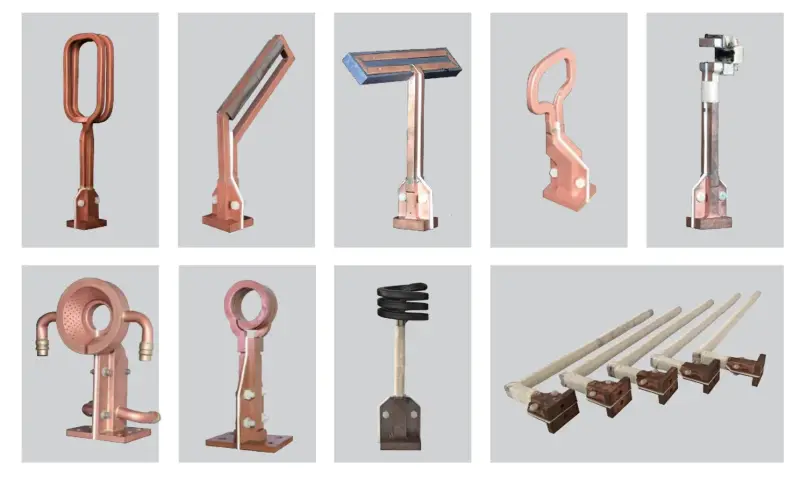
The geometry of an Induction Heating Coil has a direct influence on how electromagnetic energy is distributed around the workpiece. Coil shape, diameter, number of turns, spacing, and position relative to the metal component determine the strength and concentration of the electromagnetic field. A properly designed coil ensures that heat is generated in the required area with suitable temperature uniformity.
Different metal processing applications require different coil geometries. A simple cylindrical coil may be suitable for heating round components, while specially designed coils may be required for complex-shaped parts, pipes, gears, or welded areas. If the coil geometry does not match the workpiece structure, uneven heating may occur, reducing treatment quality and increasing energy consumption.
For industrial users, selecting the correct Induction Heating Coil geometry is an important part of process optimization. A well-designed coil improves energy transfer efficiency by placing the electromagnetic field closer to the target heating area. This allows induction heating systems to achieve better performance while reducing unnecessary power loss during operation.
Induction Heating Coil Shape Matches Different Workpiece Configurations
The geometry of an Induction Heating Coil plays a fundamental role in controlling electromagnetic energy distribution and determining heating performance. Since industrial workpieces vary greatly in shape, size, and processing requirements, coil structures must be designed according to the characteristics of each application.
Different coil geometries create different electromagnetic field patterns. A simple cylindrical coil is commonly used for round components, while multi-turn coils may be selected when deeper heating or larger heating areas are required. For flat components, pancake-type coils can provide effective surface heating, while specially shaped coils are often developed for complex parts such as gears, shafts, tubes, and irregular components.
The relationship between the coil and the workpiece determines how efficiently electromagnetic energy is transferred. A coil that closely follows the shape of the component can create a more concentrated magnetic field, improving heating accuracy and reducing energy loss. In contrast, a poorly matched coil may result in uneven temperature distribution, longer heating times, and reduced system efficiency.
Industrial manufacturers often require customized Induction Heating Coil designs because standard configurations cannot always meet specialized production requirements. Customized solutions allow engineers to optimize coil structure according to heating area, production speed, material characteristics, and required treatment depth.
Single-Turn and Multi-Turn Induction Heating Coils Serve Different Applications
Single-turn and multi-turn Induction Heating Coils are commonly used in industrial heating systems, with each design offering different advantages depending on the application. Single-turn coils are often used when concentrated heating is required in a specific area, providing strong electromagnetic coupling and efficient energy transfer.
Multi-turn coils contain several winding sections and are commonly applied when larger heating areas or more uniform temperature distribution are required. By increasing the interaction area between the coil and the workpiece, multi-turn designs can support more consistent heating for larger components.
Selecting between different coil structures requires consideration of component dimensions, heating objectives, production requirements, and equipment power capability. The correct coil configuration helps ensure that the induction heating system operates efficiently while achieving the required processing results.
Induction Heating Coil Frequency Affects Heating Penetration Depth
The operating frequency of an Induction Heating Coil plays an important role in determining heating penetration depth and temperature distribution inside the metal workpiece. Different frequencies create different electromagnetic penetration characteristics, which directly affect where heat is concentrated within the material.
Higher-frequency induction heating generally produces stronger surface heating effects because the induced current is concentrated closer to the surface of the metal. This makes it suitable for applications such as surface hardening, where only the outer layer of a component requires increased hardness. Lower-frequency heating allows deeper electromagnetic penetration and is often used when larger components require more uniform internal heating.
Selecting the correct frequency requires consideration of material properties, component size, heating objectives, and production requirements. An unsuitable frequency may result in insufficient heating depth or inefficient energy utilization. Therefore, Induction Heating Coil frequency must be properly matched with the induction power supply and application requirements to achieve optimal metal processing performance.
Induction Heating Coil Frequency Determines the Distribution of Heating Energy Inside Metal
The operating frequency of an Induction Heating Coil is one of the key parameters that determines heating penetration depth and energy distribution inside metal materials. During induction heating, alternating current creates an electromagnetic field, which induces eddy currents within the conductive workpiece. Due to the skin effect, these currents tend to concentrate near the surface of the material, and the penetration depth changes according to the operating frequency.
Higher-frequency Induction Heating Coil systems produce stronger surface heating effects because the induced current is concentrated closer to the outer layer of the metal. This characteristic makes high-frequency heating suitable for applications such as induction hardening, where manufacturers need to increase surface hardness while maintaining the original properties of the internal material.
Lower-frequency systems allow electromagnetic energy to penetrate deeper into the workpiece. Medium-frequency induction heating is commonly used for larger components that require deeper and more uniform heating. For example, large shafts, rollers, and heavy industrial parts may require deeper heat penetration to achieve the desired thermal treatment results.
Selecting the correct frequency requires a detailed understanding of the workpiece material, dimensions, and processing objectives. Different metals respond differently to electromagnetic fields due to variations in electrical conductivity and magnetic permeability. Therefore, the Induction Heating Coil frequency must be properly matched with the material characteristics and induction equipment parameters.
Skin Effect Influences Induction Heating Coil Heating Depth
The skin effect is a fundamental physical phenomenon that influences how Induction Heating Coils transfer energy into metal components. When alternating current flows through a conductor, the current density is not evenly distributed throughout the entire cross-section of the material. Instead, it becomes concentrated near the surface, and this concentration becomes stronger as frequency increases.
In industrial induction heating, the skin effect allows manufacturers to control where heat is generated within the workpiece. By selecting an appropriate frequency, engineers can determine whether the heating process focuses mainly on the surface or penetrates deeper into the material.
This characteristic is especially important in applications requiring controlled heat treatment depth. For induction hardening, a suitable frequency helps achieve the required hardened layer thickness. For annealing or stress relieving, lower frequencies may be preferred to provide more uniform heating throughout larger components.
Understanding the relationship between frequency and skin effect allows manufacturers to optimize Induction Heating Coil performance and achieve better control over industrial metal treatment processes.
Frequency Selection Improves Process Efficiency and Treatment Quality
Choosing the correct Induction Heating Coil frequency is not only related to heating depth but also affects energy efficiency, production speed, and final treatment quality. An unsuitable frequency may cause insufficient heating penetration, excessive surface heating, or longer processing times.
For example, using an excessively high frequency for a large workpiece may result in insufficient internal heating, while using a lower frequency for a surface hardening process may reduce treatment accuracy. Therefore, frequency selection must consider the balance between heating requirements and production objectives.
Professional induction heating systems combine suitable frequency selection with optimized coil design and power control technology. This combination allows manufacturers to achieve stable heating performance, reduce energy waste, and improve the consistency of finished metal components.
Induction Heating Coil Design Reduces Energy Loss During Operation
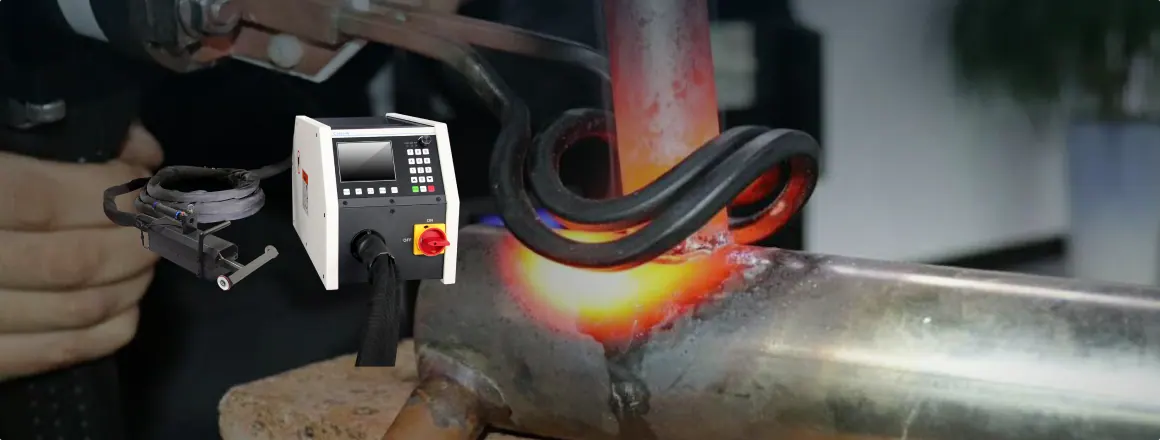
The design quality of an Induction Heating Coil directly affects energy efficiency during industrial heating processes. A properly engineered coil improves the transfer of electromagnetic energy from the power supply to the workpiece, reducing unnecessary losses and improving overall system performance.
Several design factors influence energy efficiency, including coil shape, conductor size, distance from the workpiece, magnetic field concentration, and connection structure. When the coil is positioned correctly and designed according to the component geometry, more electromagnetic energy can be transferred into the metal instead of being lost to surrounding areas.
For continuous industrial production, reducing energy loss is especially important because induction heating systems often operate for extended periods. An optimized Induction Heating Coil helps lower operating costs, maintain stable heating performance, and improve production efficiency. This is why coil engineering is an important consideration when designing complete induction heating solutions for industrial applications.
Induction Heating Coil Optimization Improves Electromagnetic Energy Utilization
The design quality of an Induction Heating Coil directly affects how efficiently electrical energy is converted into useful heat inside the workpiece. Although the induction power supply provides the required electrical energy, the coil determines how effectively this energy is transferred through electromagnetic fields.
An optimized Induction Heating Coil improves electromagnetic coupling between the coil and the workpiece. Better coupling allows more magnetic energy to enter the metal component, reducing energy losses caused by poor alignment, excessive distance, or unsuitable coil geometry. This improves heating efficiency and helps reduce operating costs during continuous industrial production.
Several factors influence coil energy efficiency, including conductor dimensions, winding structure, coil position, electrical resistance, and cooling design. A coil with inappropriate specifications may create higher electrical losses, unstable heating performance, or increased equipment loading. Therefore, coil engineering is an essential part of designing efficient induction heating systems.
In industrial applications, optimized Induction Heating Coils contribute to improved productivity because they allow faster heating cycles, more accurate temperature control, and reduced power consumption. These advantages are particularly valuable in industries where heat treatment equipment operates continuously and production efficiency directly affects manufacturing costs.
Coil Geometry Optimization Reduces Unnecessary Electromagnetic Losses
The geometry of an Induction Heating Coil affects not only heating distribution but also the amount of electromagnetic energy that can be effectively transferred to the workpiece. When the coil shape closely matches the component structure, the electromagnetic field becomes more concentrated, improving energy utilization.
Poorly designed coil geometry may cause magnetic field leakage, where energy spreads into surrounding areas instead of being absorbed by the target material. This reduces heating efficiency and may require additional power input to achieve the required temperature.
By optimizing coil diameter, winding arrangement, spacing, and positioning, engineers can improve electromagnetic concentration and reduce unnecessary losses. This allows induction heating systems to operate more efficiently while maintaining stable heating performance.
For different industrial applications, coil geometry optimization helps balance heating speed, energy consumption, and treatment accuracy. This is why professional induction heating manufacturers consider coil design as a key factor when developing customized metal processing solutions.
Electrical Matching Between Induction Heating Coil and Equipment Improves Efficiency
An Induction Heating Coil must be electrically matched with the induction power supply to achieve stable and efficient operation. Parameters such as coil inductance, resistance, operating frequency, and output power influence how effectively the system transfers energy to the workpiece.
When the coil and power supply are properly matched, the system can operate closer to its optimal condition. This improves power utilization, reduces electrical stress on equipment components, and supports consistent heating performance.
For industrial users, choosing a complete induction heating solution rather than evaluating the coil separately is important. A professionally integrated system ensures that the Induction Heating Coil, power source, cooling system, and control functions work together effectively, improving reliability and reducing long-term operating challenges.
Induction Heating Coil Cooling Methods Extend Service Life
Cooling performance is an important factor affecting the durability and reliability of Induction Heating Coils during industrial operation. Because coils carry high electrical currents during heating processes, significant heat can be generated within the conductor itself. Without effective cooling, excessive temperature rise may reduce coil performance, accelerate material degradation, and shorten service life.
Many industrial Induction Heating Coils use water cooling systems to control operating temperature. Cooling channels are integrated into the coil structure to remove heat generated during continuous operation. Proper cooling allows the coil to maintain stable electrical performance and prevents overheating during demanding applications such as hardening, brazing, and heat treatment.
The cooling design must match the operating conditions of the induction heating system. Factors such as power level, heating duration, production cycle, and application environment influence cooling requirements. A well-designed cooling system helps maintain consistent coil performance, reduces maintenance frequency, and supports long-term reliable operation.
Water Cooling Systems Maintain Induction Heating Coil Operating Stability
During industrial induction heating operations, Induction Heating Coils are exposed to high electrical currents and continuous electromagnetic loads. Although the coil is mainly responsible for generating the electromagnetic field, the electrical resistance of the conductor itself also produces heat during operation. If this heat cannot be removed effectively, excessive temperature increases may affect coil performance, reduce material strength, and shorten service life.
Water cooling is one of the most commonly used cooling methods for industrial Induction Heating Coils because it provides efficient heat removal during continuous operation. Many industrial coils are manufactured with internal cooling channels that allow cooling water to circulate through the conductor structure. This design helps maintain a stable working temperature even when the induction system operates at high power levels.
Effective cooling is particularly important for applications that require long operating cycles, such as induction hardening production lines, continuous brazing processes, and large-scale heat treatment operations. Without sufficient cooling capability, the coil may experience thermal expansion, insulation degradation, or reduced electrical stability, which can affect the consistency of the heating process.
A properly designed cooling system allows Induction Heating Coils to maintain stable electromagnetic performance throughout the production cycle. By controlling operating temperature, cooling systems help reduce maintenance requirements, extend coil lifespan, and improve the overall reliability of induction heating equipment.
Cooling Channel Design Influences Induction Heating Coil Durability
The internal cooling channel design of an Induction Heating Coil directly affects how efficiently heat can be removed during operation. A well-designed cooling structure ensures that heat generated inside the conductor can be transferred away quickly, preventing excessive temperature accumulation in high-load areas.
Different industrial applications may require different cooling designs depending on output power, operating time, and heating intensity. High-power induction systems usually require stronger cooling capabilities because the coil experiences greater electrical and thermal stress. Engineers must consider factors such as cooling water flow rate, channel size, pressure requirements, and coil structure when designing the cooling system.
Poor cooling design may lead to uneven temperature distribution inside the coil, increasing the risk of thermal fatigue and premature failure. In contrast, optimized cooling channels help maintain consistent electrical properties and ensure stable electromagnetic field generation.
For manufacturers using induction heating systems in demanding production environments, reliable cooling design is an important factor when evaluating Induction Heating Coil quality. A durable cooling structure supports longer operation periods and reduces unexpected production interruptions.
Proper Cooling Management Reduces Maintenance Requirements
Regular cooling management is essential for maintaining long-term Induction Heating Coil performance. Even with an optimized cooling structure, industrial users need to monitor cooling system conditions to prevent issues caused by insufficient water flow, contamination, or temperature fluctuations.
Cooling water quality can also influence coil reliability. Impurities or deposits inside cooling channels may reduce heat transfer efficiency and increase operating temperatures. Therefore, industrial induction heating systems often require proper water management practices, including flow monitoring, filtration, and regular inspection.
By maintaining effective cooling conditions, users can reduce coil replacement frequency and improve production stability. This is especially important for manufacturers that rely on continuous heat treatment processes where equipment downtime can significantly affect production efficiency.
A complete induction heating solution should therefore consider not only the electromagnetic performance of the Induction Heating Coil but also the cooling system that supports its long-term operation.
Induction Heating Coil Integration Improves Complete Heating System Performance
An Induction Heating Coil does not operate independently but works as part of a complete induction heating system that includes the power supply, control system, cooling unit, and workpiece positioning structure. The compatibility between these components directly affects heating accuracy, production efficiency, and system reliability.
A suitable coil must be matched with the electrical characteristics of the induction heating equipment, including operating frequency, power output, and control parameters. Poor matching between the coil and equipment may lead to inefficient energy transfer, unstable heating results, or reduced production performance. Therefore, successful induction heating applications require both appropriate coil design and professional system integration.
Canroon provides industrial induction heating solutions designed for various metal processing applications, including induction heating equipment, induction hardening systems, annealing equipment, and other heat treatment solutions. By combining suitable equipment configuration with optimized induction coil technology, Canroon helps customers achieve reliable heating performance for different manufacturing requirements.
For industrial users, selecting a professional induction heating solution provider is important because successful applications depend not only on individual components but also on the overall system design. Through proper integration of Induction Heating Coils with advanced induction heating equipment, manufacturers can improve process stability, energy efficiency, and long-term production reliability.
Induction Heating Coil Integration Enhances Overall Equipment Reliability
An Induction Heating Coil is not an independent component but a critical part of a complete induction heating system. Its performance depends on how effectively it works together with the induction power supply, temperature control system, cooling structure, and workpiece handling equipment. Proper system integration ensures that electromagnetic energy can be delivered accurately and consistently during industrial production.
In practical manufacturing environments, different applications require different levels of heating control. For example, induction hardening requires precise control of surface temperature and heating depth, while induction brazing requires accurate energy concentration around the joining area. The Induction Heating Coil must be designed and integrated according to the specific processing objective to achieve reliable results.
A well-integrated induction heating system improves production consistency by reducing variations caused by unstable heating conditions. When the coil design, power output, frequency selection, and control parameters are properly coordinated, manufacturers can achieve repeatable heating performance across multiple production cycles.
For industrial users, evaluating an induction heating solution should involve more than checking individual equipment specifications. The compatibility between the Induction Heating Coil and the complete heating system is equally important because it directly affects efficiency, maintenance requirements, and long-term operational reliability.
Complete Induction Heating Systems Require Coordinated Component Design
The performance of an induction heating system depends on the interaction between multiple components rather than a single element. The Induction Heating Coil generates the electromagnetic field, while the power supply controls energy output, the cooling system maintains operating stability, and the control system manages heating parameters.
If these components are not properly coordinated, the system may experience problems such as unstable heating, inefficient energy transfer, or inconsistent treatment results. Therefore, professional induction heating manufacturers focus on complete system engineering rather than simply supplying individual components.
Through integrated design, manufacturers can optimize the relationship between coil structure, operating frequency, power capacity, and application requirements. This approach helps customers achieve higher production efficiency and more reliable metal processing performance.