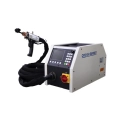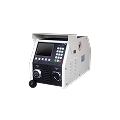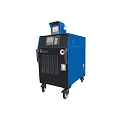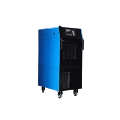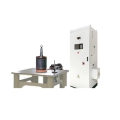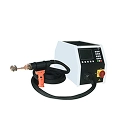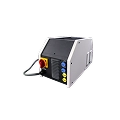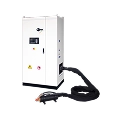





Induction Annealing is an advanced heat treatment process that uses induction électromagnétique technology to heat metal components quickly and precisely for improving material properties. Unlike traditional furnace annealing methods that require long heating cycles and heat the entire workpiece gradually, induction annealing applies controlled electromagnetic energy directly to the metal, allowing manufacturers to achieve efficient and localized thermal treatment.
In industrial metal processing, materials often experience internal stress, hardness changes, or reduced ductility after forming, welding, machining, or cold working. Induction Annealing helps restore material balance by applying controlled heating and cooling cycles that modify the internal structure of metals. This process can improve machinability, reduce residual stress, and prepare components for subsequent manufacturing operations.
The performance of an Induction Annealing system depends on several technical factors, including heating frequency, power output, temperature control, heating time, material characteristics, and process design. By accurately controlling these parameters, manufacturers can achieve consistent treatment results for different metal components and production requirements. Understanding how Induction Annealing works helps engineers select suitable heat treatment solutions for improving industrial manufacturing efficiency and product quality.
Induction Annealing Uses Electromagnetic Fields to Generate Controlled Heat
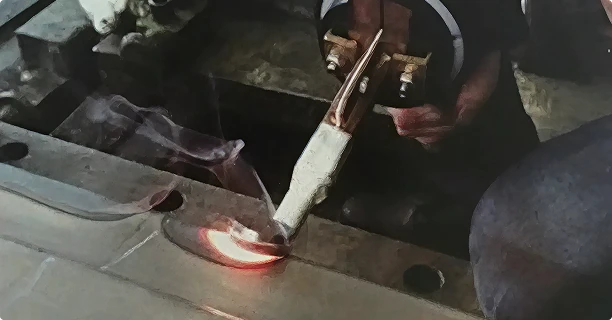
Équipement de chauffage par induction based on electromagnetic induction technology can generate heat directly inside conductive metal components during the Induction Annealing process. During the process, an induction coil creates a rapidly changing magnetic field when alternating current passes through it. When a metal workpiece is placed inside this electromagnetic field, electrical currents known as eddy currents are generated within the material. The resistance of the metal converts these currents into heat, allowing the workpiece temperature to increase without direct contact with a heating element.
Compared with conventional heating methods, induction heating provides faster response and better energy efficiency because heat is generated directly inside the metal. The heating process can be accurately controlled by adjusting parameters such as frequency, power level, and coil design. This allows Induction Annealing systems to deliver targeted heating performance while reducing unnecessary heat exposure to surrounding areas.
The electromagnetic heating principle makes Machine de chauffage par induction solutions suitable for modern industrial applications where precision and production efficiency are important. Manufacturers can process different metal components with repeatable results while maintaining better control over heating zones and treatment consistency.
Induction Annealing Generates Heat Through Electromagnetic Induction Principles
Induction Annealing relies on electromagnetic induction to generate heat inside conductive metal components without direct contact between the heat source and the workpiece. When alternating current passes through an induction coil, it creates a rapidly changing electromagnetic field around the coil area. Once a metal component is placed within this field, electrical currents are induced inside the material. These circulating currents, known as eddy currents, encounter resistance from the metal itself and convert electrical energy into thermal energy.
Unlike conventional furnace heating, which transfers heat from an external source to the surface and then gradually toward the interior, Induction Annealing creates heat directly within the metal component. This internal heating mechanism allows faster temperature increases, better energy utilization, and more accurate control of the heating area. For industrial manufacturers, this means the annealing process can be completed more efficiently while reducing unnecessary heating of surrounding components.
The effectiveness of electromagnetic heating depends on several technical factors, including electrical conductivity, magnetic properties, component geometry, and operating frequency. Different metals respond differently to electromagnetic fields, so Induction Annealing systems must be configured according to the specific characteristics of the material being treated. Proper adjustment of these conditions helps manufacturers achieve stable heating performance and consistent annealing results.
Eddy Currents Convert Electromagnetic Energy Into Internal Metal Heat
Eddy currents are the fundamental mechanism that allows Induction Annealing systems to generate heat inside metal materials. When the alternating electromagnetic field produced by the induction coil interacts with a conductive workpiece, these currents flow through the material in closed loops. Because every metal has electrical resistance, part of the electrical energy carried by the eddy currents is converted into heat, increasing the temperature of the component.
The distribution and intensity of eddy currents directly influence the heating pattern of the workpiece. Factors such as frequency, coil design, and material characteristics determine how deeply the electromagnetic energy penetrates into the metal. Lower frequencies generally allow deeper penetration, while higher frequencies concentrate heating closer to the surface. Therefore, selecting appropriate operating parameters is essential for achieving the required annealing effect.
By controlling eddy current generation, Induction Annealing equipment can provide precise and repeatable heating performance for different industrial applications. This controlled energy conversion process allows manufacturers to treat metal components efficiently while maintaining better control over temperature uniformity and treatment quality.
Induction Annealing Controls Heat Distribution Through Coil and Frequency Adjustment
The heating distribution of an Induction Annealing process depends greatly on the relationship between induction coil design and operating frequency. The coil determines how the electromagnetic field interacts with the metal component, while frequency influences the penetration depth and concentration of the generated heat. By adjusting these factors, manufacturers can control whether the treatment focuses on specific areas or achieves more uniform heating throughout the component.
Different industrial applications require different heating patterns. For example, long metal tubes, wires, and profiles may require continuous and evenly distributed heating, while specific sections of a component may require localized annealing after forming or welding. A properly designed induction coil ensures that electromagnetic energy is delivered efficiently to the required treatment area.
Frequency adjustment is also important because excessive surface concentration or insufficient heating depth may affect annealing quality. Induction Annealing systems must balance heating speed, penetration depth, and temperature uniformity to achieve the desired material properties. Through precise control of these parameters, manufacturers can improve process stability and reduce variations in final product performance.
Induction Annealing Controls Heating Temperature to Modify Metal Properties
Temperature control is one of the most important factors affecting the effectiveness of Induction Annealing. The purpose of annealing is not simply to increase metal temperature but to reach a specific thermal condition that allows the material structure to change in a controlled way. Precise temperature management ensures that the metal receives sufficient heat treatment without causing unnecessary grain growth or affecting dimensional accuracy.
Different metals require different annealing temperatures depending on their chemical composition, manufacturing history, and intended application. For example, components that have undergone cold forming may require controlled heating to reduce hardness and improve ductility. By maintaining the correct temperature range, Induction Annealing helps restore material properties while supporting stable downstream processing.
Advanced induction annealing equipment uses temperature monitoring and control systems to maintain consistent heating conditions. These systems help operators manage variations caused by material size, production speed, or environmental conditions. As a result, manufacturers can achieve more reliable heat treatment quality and reduce inconsistencies during industrial production.
Induction Annealing Temperature Management Determines Material Treatment Results
Temperature management is a critical factor in achieving the desired results during Induction Annealing because different metals require specific thermal conditions to complete the required structural changes. The purpose of annealing is not simply to heat the material but to apply a controlled thermal cycle that improves properties such as ductility, machinability, and internal stability.
If the heating temperature is too low, the material may not receive enough thermal energy to achieve effective annealing. On the other hand, excessive temperature may cause undesirable microstructural changes, affecting mechanical properties and dimensional accuracy. Therefore, accurate temperature control allows manufacturers to achieve consistent treatment results while protecting component quality.
Modern Induction Annealing systems often integrate temperature monitoring and control technologies to maintain stable heating conditions during production. These systems help compensate for changes caused by material thickness, production speed, or environmental conditions. As a result, industrial users can maintain repeatable annealing performance across different production batches.
Induction Annealing Heating Cycles Influence Metal Ductility and Machinability
The heating cycle used in Induction Annealing directly affects how the treated metal performs during subsequent manufacturing processes. A properly controlled annealing cycle allows internal structures to adjust, reducing excessive hardness and improving the ability of metals to undergo further forming, machining, or shaping operations.
In industries such as automotive manufacturing, pipe production, metal fabrication, and component processing, materials often experience mechanical deformation during production. These processes can increase hardness and reduce ductility, making further processing more difficult. Induction Annealing helps restore a more suitable material condition by applying controlled heating based on specific production requirements.
The relationship between heating rate, holding time, and cooling conditions determines the final treatment effect. By optimizing the heating cycle, manufacturers can improve material workability while maintaining production efficiency. This makes Induction Annealing an important technology for industries that require both high productivity and consistent material performance.
Induction Annealing Reduces Internal Stress Through Thermal Treatment
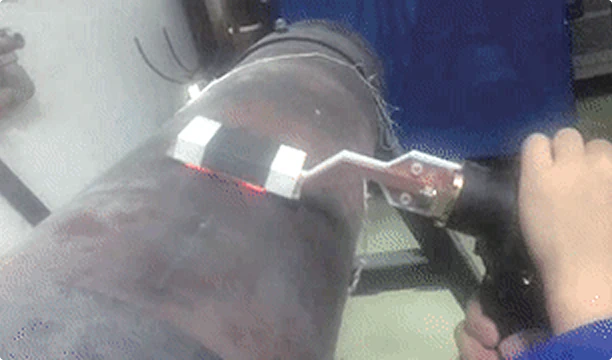
One of the main purposes of Induction Annealing is to reduce internal stress generated during previous manufacturing processes. Metal components may develop residual stress after welding, machining, forming, or cold working, which is why Équipement de traitement thermique après soudure is widely used for stress reduction applications. If these stresses remain uncontrolled, they may contribute to deformation, cracking, reduced fatigue performance, or instability during later processing and operation.
During Induction Annealing, controlled heating allows atoms inside the metal structure to rearrange and relieve accumulated stress. The process helps the material return to a more balanced internal condition while maintaining the required component shape and dimensions. This makes induction annealing particularly valuable for industries that require high precision and reliable mechanical performance.
Compared with large furnace-based treatment methods, induction annealing can provide localized stress relief in specific areas where treatment is required, similar to applications using Machine de trempe par induction technology for controlled thermal processing. This flexibility allows manufacturers to improve component quality while reducing unnecessary heating of unaffected areas. As a result, Induction Annealing becomes an effective solution for improving the reliability of metal parts after demanding manufacturing operations.
Induction Annealing Relieves Residual Stress Generated During Metal Processing
Induction Annealing is widely used in industrial metal treatment because it can effectively reduce residual stress generated during manufacturing processes. Metal components often experience internal stress after operations such as welding, cold forming, bending, machining, or rapid cooling. Although these stresses may not be visible externally, they can affect dimensional stability, fatigue performance, and long-term reliability during actual service conditions.
During the Induction Annealing process, controlled heating provides sufficient thermal energy for atoms inside the metal structure to adjust their positions and release accumulated stress. This stress relaxation process helps restore a more balanced internal condition without significantly changing the overall shape of the component. Compared with uncontrolled heating methods, induction technology allows manufacturers to apply heat precisely to the required areas, reducing unnecessary thermal impact on the entire workpiece.
The ability to relieve residual stress is especially valuable for components that require high dimensional accuracy and mechanical reliability. For example, welded parts, precision-machined components, and formed metal products may experience deformation risks if internal stress remains after manufacturing. Through properly controlled Induction Annealing, manufacturers can improve product stability and prepare components for further processing or final application.
Induction Annealing Changes Metal Microstructure During the Heating Process
The effectiveness of Induction Annealing is closely related to its ability to influence metal microstructure through controlled thermal cycles. When metals are heated to appropriate annealing temperatures, internal structures can undergo changes that improve material characteristics. These changes may include stress redistribution, recovery of deformed structures, and improvement of material uniformity through processes such as Revêtement par induction and controlled thermal treatment.
During manufacturing processes such as cold drawing, forming, or machining, metals may experience changes in grain structure and increased hardness. Induction Annealing provides controlled heating that allows these effects to be adjusted, helping restore better balance between hardness, ductility, and machinability.
The microstructural changes achieved through Induction Annealing depend on factors such as heating temperature, holding time, cooling method, and material composition. Proper process control ensures that manufacturers obtain the desired material properties without negatively affecting component performance. This makes induction annealing an important technology for industries requiring consistent metal treatment results.
Induction Annealing Promotes Controlled Microstructural Recovery in Metal Materials
The effectiveness of Induction Annealing is closely connected with its ability to influence the internal microstructure of metal materials. During manufacturing processes such as cold working, forming, or machining, the original grain structure of metals may become distorted, resulting in increased hardness and reduced ductility. Induction Annealing applies controlled thermal energy to encourage microstructural recovery and improve the balance of mechanical properties.
When a metal component reaches the appropriate annealing temperature, internal atoms gain sufficient energy to rearrange and reduce structural defects created during previous processing. This recovery process helps decrease excessive hardness and restore better material flexibility. The final result depends on factors such as material composition, heating temperature, holding time, and cooling conditions.
Because different metals respond differently to thermal treatment, Induction Annealing requires precise process design based on the specific material characteristics. Properly controlled heating ensures that the desired microstructural changes occur without causing excessive grain growth or reducing mechanical performance. This makes induction annealing suitable for applications requiring reliable and repeatable material improvement.
Induction Annealing Requires Proper Process Parameters for Treatment Quality
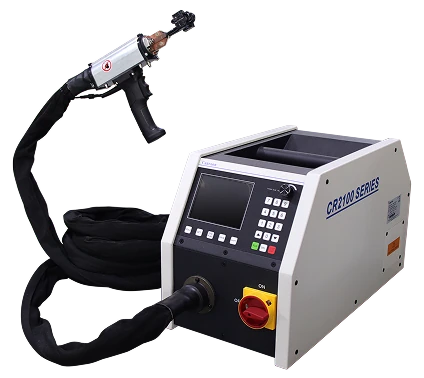
The quality of Induction Annealing results depends heavily on selecting and controlling appropriate process parameters. Key parameters include heating frequency, power output, temperature level, heating duration, coil configuration, and material characteristics, which must be optimized when selecting a suitable Machine de traitement thermique après soudure for industrial applications. Each factor influences how heat is generated, distributed, and maintained throughout the metal component.
Frequency selection affects heating depth because different frequencies produce different electromagnetic penetration characteristics. Higher frequencies generally provide more localized heating, while lower frequencies can achieve deeper heat penetration. Power output and heating time must also be balanced to ensure that the component reaches the required temperature without overheating.
Proper parameter optimization allows Induction Annealing systems to achieve stable and repeatable treatment performance. In industrial production environments, consistent process control is essential because variations in heating conditions may affect material properties and final product quality. By optimizing each parameter according to application requirements, manufacturers can improve efficiency and maintain reliable heat treatment results.
Induction Annealing Parameters Determine Heating Efficiency and Treatment Consistency
The quality of Induction Annealing depends strongly on the selection and control of key process parameters. Unlike traditional heating methods that mainly rely on long-duration thermal exposure, induction heating requires precise adjustment of electrical and operational conditions to achieve the required temperature distribution and treatment effect. Parameters such as heating frequency, power output, heating speed, holding time, and coil configuration directly influence the final annealing performance.
Heating frequency is one of the most important parameters because it determines electromagnetic penetration depth and heat distribution within the metal component. Higher frequencies generally concentrate energy closer to the surface, making them suitable for applications requiring localized heating, while lower frequencies can provide deeper thermal penetration for larger components. Selecting an appropriate frequency allows Induction Annealing systems to deliver the required heating pattern according to component geometry and material characteristics.
Power output and heating time must also be carefully controlled to prevent insufficient or excessive heating. If the power level is too low, the metal may not reach the required annealing temperature, resulting in incomplete treatment. If the power is too high, excessive thermal exposure may affect material structure and increase energy consumption. Therefore, optimizing process parameters is essential for achieving stable, efficient, and repeatable Induction Annealing results in industrial production.
Coil Design Optimization Improves Induction Annealing Heating Accuracy
The induction coil is a critical component that determines how electromagnetic energy is transferred to the metal workpiece during the Induction Annealing process. A properly designed coil ensures that the electromagnetic field is distributed effectively across the required treatment area, improving heating uniformity and reducing unnecessary energy loss.
Different workpiece shapes and sizes require different coil structures. Components with complex geometries may need customized coil designs to ensure that all required areas receive sufficient heat. An unsuitable coil design may lead to uneven temperature distribution, which can affect annealing quality and create inconsistent material properties.
By optimizing coil design according to component requirements, manufacturers can improve heating accuracy and process stability. Combined with suitable frequency and power control, a well-designed induction coil helps Induction Annealing systems achieve more reliable performance while improving production efficiency.
Induction Annealing Process Monitoring Ensures Stable Industrial Production
Process monitoring plays an important role in maintaining consistent Induction Annealing quality during continuous industrial production. Because treatment results are influenced by multiple variables, real-time monitoring of temperature, power output, and heating conditions helps operators identify and control changes during operation.
Advanced induction annealing equipment often integrates digital control systems that allow operators to adjust process parameters according to production requirements. These systems improve repeatability by reducing manual operation errors and maintaining stable heating conditions across different production batches.
For industries that require large-scale manufacturing and strict quality standards, process stability is essential. Consistent monitoring and parameter adjustment allow manufacturers to reduce product variation, improve production efficiency, and maintain reliable metal treatment performance over long operating periods.
Induction Annealing Supports Reliable Metal Treatment in Industrial Applications
Induction Annealing provides an efficient and controllable solution for industrial metal treatment by combining precise electromagnetic heating with flexible process control. From reducing internal stress to improving material ductility and preparing components for further processing, induction annealing helps manufacturers achieve better production consistency and product reliability.
The selection of suitable induction annealing equipment depends on factors such as material type, component size, production requirements, and treatment objectives. A professional solution should consider the complete heating process, including power configuration, coil design, temperature control, and operational requirements. This ensures that the equipment can provide stable performance throughout long-term industrial use.
Canroon specializes in industrial induction heating solutions and provides advanced equipment, including Machine de chauffage par induction portable solutions and customized systems designed for different metal processing applications, including Induction Annealing Machine and other customized induction heating systems. With professional engineering capabilities and application experience, Canroon helps customers develop suitable Induction Annealing solutions to improve treatment efficiency, production stability, and overall manufacturing performance.
By adopting the right Induction Annealing technology, industrial companies can achieve more reliable metal treatment processes, reduce production challenges, and improve the quality of finished components.