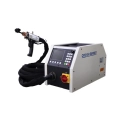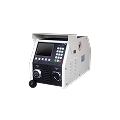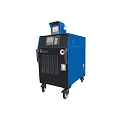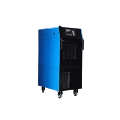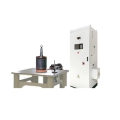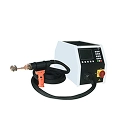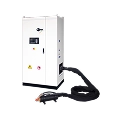





Bearing installation is a critical process in industrial machinery assembly because improper mounting methods can damage bearing structures, reduce service life, and affect equipment reliability. A bearing heater provides a controlled heating method that allows bearings to expand before installation, making it easier to mount them onto shafts or other components without applying excessive mechanical force. By using controlled thermal expansion, bearing heaters help improve installation accuracy while reducing the risk of deformation and surface damage.
Compared with traditional installation methods such as hammering or mechanical pressing, a bearing heater offers a more efficient and safer approach for mounting interference-fit bearings. The controlled heating process allows the inner ring of the bearing to expand temporarily, creating sufficient clearance for smooth installation. After the bearing cools down, it contracts and forms a secure fit with the shaft, ensuring stable mechanical performance during operation.
However, achieving safe installation requires more than simply heating the bearing. Operators need to consider bearing specifications, temperature settings, heating procedures, safety requirements, and equipment selection. Proper use of a bearing heater ensures that the heating process remains controlled and prevents overheating, uneven expansion, or damage to precision bearing components.
Bearing Heaters Require Proper Preparation Before Bearing Installation
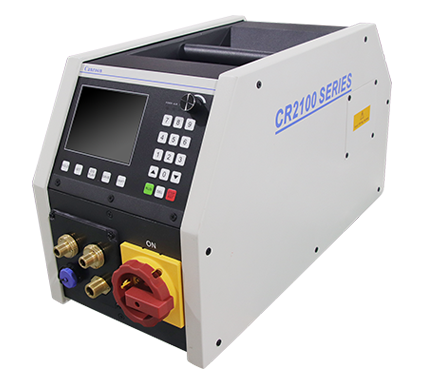
Before using a bearing heater, proper preparation is essential to ensure safe and effective installation. The first step is confirming the bearing specifications, including bearing size, material, weight, and recommended heating temperature. Different bearings have different thermal limitations, and incorrect preparation may lead to overheating, lubricant degradation, or changes in bearing performance.
The installation environment should also be evaluated before heating begins. Operators need to ensure that the working area is clean, stable, and suitable for handling heated components. The shaft and bearing mounting surfaces should be inspected to remove contamination, corrosion, or surface defects that may affect installation accuracy. Proper preparation helps ensure that the heated bearing can be installed smoothly without unnecessary delays.
In addition, the bearing heater itself should be checked before operation. The heating surface, control system, and supporting components must be in suitable working condition. For industrial applications, selecting a bearing heater with appropriate power capacity and heating capability is important because insufficient heating performance may result in uneven temperature distribution or extended heating time. Advanced Chauffage par induction à fréquence moyenne solutions can provide stable heating performance for demanding industrial applications.
Operators Should Verify Bearing Specifications Before Heating
Before starting the heating process, operators need to verify the technical specifications of the bearing to ensure that the selected heating method matches the installation requirements. Important information includes bearing type, inner diameter, outer diameter, width, weight, material composition, and recommended installation temperature. Different bearings have different thermal expansion characteristics, and using unsuitable heating parameters may affect dimensional accuracy or reduce bearing performance.
The preparation stage is especially important for industrial applications because bearings are often used in precision mechanical systems where installation accuracy directly affects equipment reliability. A bearing heater should not be operated based only on experience or estimated temperature values. Instead, operators should confirm the bearing manufacturer’s recommendations and select suitable heating conditions according to the actual application requirements.
Proper verification also helps prevent unnecessary heating cycles. Repeated heating caused by incorrect preparation may increase installation time and expose the bearing to unnecessary thermal stress. By confirming bearing specifications before operation, users can improve installation efficiency and ensure that the bearing heater provides controlled and reliable heating performance.
The Installation Area Should Be Prepared Before Using a Bearing Heater
The working environment has a direct influence on the safety and efficiency of bearing installation. Before using a bearing heater, operators should prepare a suitable installation area with sufficient space, stable working conditions, and proper handling equipment. Since heated bearings need to be transferred quickly after reaching the target temperature, the installation position should be ready before the heating process begins.
The shaft and mounting surface should also be inspected before heating the bearing. Any contamination, rust, oil residue, or surface damage may affect the final installation quality even if the bearing is heated correctly. Cleaning and checking these components in advance helps ensure smooth mounting and prevents alignment problems after installation.
For industrial maintenance and production environments, preparation also includes checking electrical connections, equipment positioning, and operator safety conditions. A properly prepared working area allows the bearing heater to operate more efficiently and reduces interruptions during the installation process.
Proper Equipment Inspection Improves Bearing Heater Operating Safety
Before operation, inspecting the bearing heater is an essential step to ensure safe heating performance. Operators should check whether the heating equipment, control panel, temperature sensors, and supporting components are functioning correctly. Any abnormal condition, such as unstable temperature control or damaged components, may affect heating accuracy and create safety risks during installation.
A reliable bearing heater should provide stable temperature regulation and consistent heating output. Equipment inspection helps identify potential problems before the heating process starts, reducing the possibility of installation delays or component damage. This is particularly important for industrial users who depend on continuous maintenance operations and require predictable installation results.
Regular equipment checks also contribute to longer service life of the heating system. By maintaining the bearing heater in proper operating condition, companies can reduce unexpected failures and ensure that every bearing installation follows a controlled and repeatable process.
Bearing Heater Temperature Settings Must Match Bearing Requirements
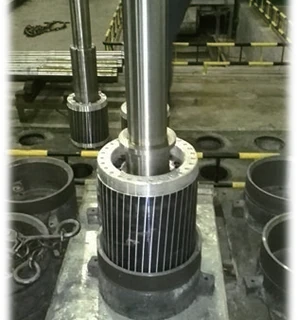
Temperature control is one of the most important factors when using a bearing heater for installation. The purpose of heating is to achieve sufficient thermal expansion of the bearing inner ring while avoiding excessive temperatures that may affect bearing materials, lubrication, or dimensional accuracy. Therefore, the heating temperature must be selected according to bearing specifications and manufacturer recommendations.
Different bearing types and applications may require different temperature settings. Factors such as bearing size, interference fit requirements, material characteristics, and operating conditions influence the appropriate heating level. A properly adjusted bearing heater allows operators to achieve the required expansion without creating unnecessary thermal stress inside the bearing structure.
Modern bearing heaters are typically equipped with temperature monitoring and control functions to improve heating accuracy. For applications requiring flexible operation, a Machine de chauffage par induction portable can provide convenient heating solutions for industrial maintenance tasks. These systems help operators maintain stable temperature conditions throughout the heating process and reduce the risk of human error. Accurate temperature management is especially important in industrial production environments where multiple bearings may require consistent installation quality.
Correct Heating Temperature Allows Bearings to Expand for Installation
The primary purpose of using a bearing heater is to create controlled thermal expansion that allows the bearing to be installed more easily. When a bearing is heated, the inner ring expands temporarily, increasing the clearance between the bearing and the shaft. This expansion reduces the force required during installation and helps achieve a more accurate mechanical fit.
However, the heating temperature must be carefully controlled because different bearings have different temperature limitations. Excessive heating may affect lubrication properties, material structure, or dimensional stability, while insufficient heating may not provide enough expansion for smooth installation. Therefore, selecting the correct temperature is a critical step in safe bearing installation.
In industrial applications, temperature selection should consider factors such as bearing size, interference fit level, operating conditions, and manufacturer recommendations. A properly adjusted bearing heater provides enough thermal expansion while maintaining the structural integrity of the bearing.
Temperature Monitoring Helps Maintain Consistent Bearing Heating Results
Temperature monitoring plays an important role in ensuring that the bearing heating process remains within the required range. During operation, a bearing heater with accurate temperature control allows operators to monitor heating progress and prevent overheating caused by excessive energy input or extended heating time.
Consistent temperature management is especially important when installing multiple bearings in industrial production environments. Without proper monitoring, different heating cycles may produce inconsistent results, affecting installation quality and equipment reliability. A controlled heating process ensures that each bearing reaches a suitable condition before mounting.
Advanced bearing heaters often integrate temperature sensors and automatic control functions to improve operational accuracy. Similar control principles are also applied in modern Équipement de chauffage par induction for industrial heating processes. These features reduce dependence on manual judgment and help operators maintain stable heating performance throughout the installation process.
Automatic Temperature Control Reduces Bearing Installation Risks
Automatic temperature control systems improve the safety and reliability of bearing heater operation by maintaining heating parameters within a predefined range. Instead of relying entirely on manual monitoring, these systems can regulate heating output according to the selected temperature settings.
This function helps prevent common installation problems caused by improper heating, such as excessive thermal exposure or insufficient expansion. For industrial users, automatic control is particularly valuable because it improves repeatability and reduces variations between different installation tasks.
By combining accurate temperature management with proper operating procedures, bearing heaters can provide a safer and more efficient solution for industrial bearing installation. This allows maintenance teams to achieve consistent results while protecting both the bearing components and the machinery being assembled.
Bearing Heaters Heat Bearings Evenly Before Shaft Installation
A bearing heater works by increasing the temperature of the bearing evenly so that the inner ring expands and allows easier installation onto the shaft. Uniform heating is essential because uneven temperature distribution may create differences in thermal expansion, making installation more difficult and potentially affecting bearing performance.
During the heating process, the bearing should be positioned correctly on the heating equipment to ensure efficient heat transfer. A high-quality bearing heater is designed to distribute heat consistently across the bearing structure, allowing the entire component to reach the required temperature level before installation. This controlled heating method reduces the possibility of local overheating and protects precision-machined bearing surfaces.
Even heating also improves installation efficiency because the expanded bearing can be mounted quickly before the temperature decreases. In industrial environments where equipment downtime must be minimized, a reliable heating process helps operators complete installation tasks faster while maintaining proper mechanical alignment and connection quality.
Bearing Heater Positioning Affects Heating Uniformity During Operation
The position of the bearing on the heating equipment directly influences the uniformity of temperature distribution during the heating process. Before starting a bearing heater, operators should place the bearing correctly according to the equipment design to ensure that heat can transfer evenly throughout the component. Improper positioning may result in uneven expansion, where some areas reach the required temperature while other areas remain insufficiently heated.
For industrial bearing installation, uniform heating is important because bearings are precision components with strict dimensional requirements. If the inner ring expands unevenly, the installation process may become more difficult and increase the risk of misalignment. A properly positioned bearing allows the heater to provide consistent thermal expansion, making the mounting process smoother and more predictable.
Different bearing sizes and weights may require different positioning methods. Larger bearings may need stronger heating capacity or specific support structures to maintain stable placement during operation. By following correct positioning procedures, operators can maximize the performance of the bearing heater and achieve better installation results.
Bearing Heater Heating Control Maintains Stable Thermal Expansion
Controlled heating is essential because the purpose of a bearing heater is not simply to increase temperature but to achieve predictable thermal expansion. During operation, the equipment needs to deliver heat at a controlled rate so that the bearing reaches the required installation condition without creating unnecessary thermal stress.
Stable thermal expansion allows the bearing inner ring to expand evenly, reducing the force required when mounting the bearing onto the shaft. This improves installation efficiency and minimizes the possibility of damage caused by excessive mechanical force. For industrial applications, controlled heating is especially valuable because it supports repeatable installation quality across different maintenance and production tasks.
The heating process should also consider the relationship between heating speed and bearing characteristics. Excessively rapid temperature increases may create uneven temperature differences inside the bearing structure, while overly slow heating may reduce operational efficiency. A properly designed bearing heater provides a balance between heating speed, temperature control, and installation safety.
Bearing Heater Operators Need to Follow Correct Heating Procedures
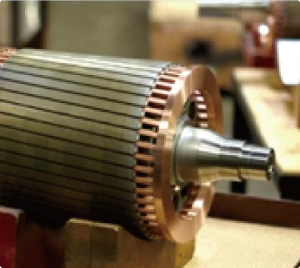
Correct operating procedures are essential for achieving safe bearing installation with a bearing heater. Operators should follow a structured process that includes positioning the bearing, selecting suitable parameters, monitoring temperature changes, and completing installation immediately after heating. Following standardized procedures helps maintain consistent results and reduces operational risks.
During operation, the bearing should be heated according to the selected temperature and time requirements rather than using uncontrolled heating methods. Excessive heating may affect bearing materials or internal components, while insufficient heating may prevent proper expansion and make installation more difficult. Controlled operation ensures that the bearing reaches the required condition for smooth mounting.
After heating is completed, operators should use appropriate handling tools and follow safety practices when transferring the heated bearing to the installation position. Since the bearing remains at an elevated temperature during this stage, careful handling is necessary to prevent personal injury and avoid contamination or damage to the component surface.
Operators Should Follow a Step-by-Step Bearing Heating Process
Following a standardized heating procedure is essential for achieving safe and reliable bearing installation. The process usually begins with placing the bearing correctly on the bearing heater, selecting suitable heating parameters, monitoring temperature changes, and preparing the shaft before installation. Each step affects the final installation quality, so operators should avoid skipping procedures or relying on uncontrolled methods.
During the heating stage, operators need to confirm that the bearing reaches the required temperature before removal from the equipment. Removing the bearing too early may result in insufficient expansion, making installation difficult and increasing the possibility of applying excessive force. On the other hand, unnecessary heating time may expose the bearing to avoidable thermal stress.
A clear operating procedure improves consistency, especially in industrial environments where multiple bearings may need to be installed regularly. By following a structured workflow, maintenance teams can reduce installation errors, improve productivity, and ensure that bearing heaters are used safely and effectively.
Proper Handling After Heating Ensures Successful Bearing Installation
The handling process after heating is an important part of bearing heater operation because heated bearings must usually be installed within a limited time period. Once the bearing reaches the required temperature, operators need to transfer it carefully to the installation location while maintaining safety and avoiding contamination.
Using appropriate handling tools helps protect operators from high-temperature surfaces and prevents accidental damage to the bearing. The shaft position should also be prepared in advance so that the heated bearing can be installed smoothly without unnecessary delays. Proper coordination between heating and installation improves efficiency and reduces the risk of incorrect mounting.
In industrial maintenance applications, the quality of post-heating handling directly affects installation reliability. Even if the heating process is performed correctly, improper transfer or delayed installation may reduce the available expansion and create additional challenges. Therefore, careful handling is an essential step in achieving safe bearing installation with a bearing heater.
Installation Timing Influences Bearing Heater Performance Results
The timing between heating completion and bearing installation can influence the effectiveness of the entire process. A heated bearing gradually loses temperature after removal from the bearing heater, which means the available thermal expansion decreases over time. Operators should therefore prepare all installation steps before heating is completed.
Efficient timing helps ensure that the bearing can be mounted while sufficient expansion remains available. This reduces the need for additional heating cycles and improves overall installation efficiency. In industrial production environments, minimizing unnecessary waiting time also helps reduce equipment downtime.
Bearing Heaters Prevent Installation Damage Through Controlled Heating
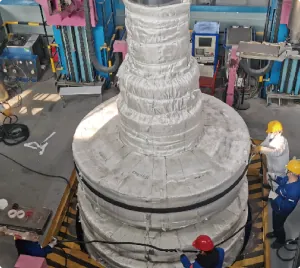
One of the main advantages of using a bearing heater is reducing the risk of mechanical damage during installation. Traditional installation methods that rely on force, impact, or excessive pressure may damage bearing races, rolling elements, or precision surfaces. Controlled heating provides an alternative approach by allowing the bearing to expand naturally before mounting.
When a bearing is heated correctly, the temporary expansion reduces the force required for installation. This minimizes the possibility of misalignment, surface damage, and deformation caused by mechanical impact. For precision industrial equipment, protecting bearing integrity during installation is essential because even minor damage can lead to vibration, noise, and premature failure during operation.
A bearing heater also improves installation consistency across different maintenance and production environments. By replacing manual force-based methods with controlled thermal expansion, companies can achieve more predictable installation quality and reduce the risk of repeated equipment failures caused by improper bearing mounting.
Bearing Heater Controlled Expansion Reduces Mechanical Installation Stress
A major advantage of using a bearing heater is that it reduces the mechanical force required during bearing installation by creating controlled thermal expansion. In traditional installation methods, operators may need to apply significant pressure or impact force to fit an interference-fit bearing onto a shaft. These methods can potentially damage bearing surfaces, rolling elements, or other precision components if excessive force is applied.
When a bearing is heated properly, the inner ring expands temporarily, increasing the clearance between the bearing and shaft. This allows the bearing to slide into position with minimal mechanical resistance. After the bearing cools naturally, it contracts and forms a secure interference fit with the shaft, maintaining the required connection strength during equipment operation.
For industrial machinery, reducing installation stress is important because bearing damage during assembly may not always be immediately visible. Small defects created during improper mounting can later develop into vibration problems, abnormal noise, increased friction, or premature failure. Similar risks are controlled through precise processes used in Machine de trempe par induction applications. By using a bearing heater, companies can achieve a safer installation process and improve the long-term reliability of mechanical systems.
Proper Bearing Heating Prevents Damage to Precision Components
Bearings are precision-engineered components that require careful installation to maintain their designed operating performance. Internal components such as raceways, rolling elements, and cages are manufactured with strict dimensional tolerances, meaning improper installation methods can negatively affect their accuracy and service life.
A bearing heater helps protect these components by replacing force-based installation with controlled temperature expansion. This controlled heating approach is also widely used in Machine de traitement thermique par induction applications where precise temperature management is required. Instead of applying pressure directly to the bearing structure, the heating process allows the component to naturally expand and fit onto the shaft. This reduces the possibility of impact damage, surface deformation, and installation-related defects.
The protection provided by controlled heating is particularly valuable in industries where equipment operates under high loads, high speeds, or continuous working conditions. Processes such as Revêtement par induction also rely on accurate thermal control to improve component performance. In these applications, even minor bearing damage can lead to significant maintenance costs and production interruptions. Therefore, using a bearing heater correctly is an important step in maintaining equipment performance and reducing unexpected failures. Controlled heating methods such as Relâchement des contraintes par induction are also used to reduce residual stress in industrial components.
Controlled Heating Maintains Bearing Accuracy During Assembly
Maintaining dimensional accuracy during assembly is essential because bearings must operate within precise mechanical conditions after installation. Excessive force, uneven heating, or improper mounting methods may change the alignment between the bearing and shaft, affecting the overall performance of rotating equipment.
A controlled bearing heater provides a more predictable installation method by ensuring that thermal expansion occurs within a suitable range. This allows operators to install bearings without damaging the original geometry of the component. The result is a more accurate fit and improved mechanical stability after assembly.
For manufacturers and maintenance teams, consistent installation quality is especially important when managing multiple machines or repeated maintenance operations. Controlled heating technology helps standardize the installation process and reduces variations caused by manual installation techniques.
Bearing Heater Selection Supports Safe and Efficient Industrial Installation
Selecting the right bearing heater is an important step for achieving safe, efficient, and reliable bearing installation in industrial applications. A suitable bearing heater should provide accurate temperature control, uniform heating performance, and stable operation to ensure that bearings can achieve the required dilatation thermique without causing damage to precision components. By replacing traditional force-based installation methods with controlled heating technology, industrial users can reduce installation risks, improve assembly efficiency, and maintain equipment reliability.
For different industrial requirements, bearing heater selection should consider factors such as bearing size, heating capacity, temperature accuracy, operating environment, and production demands. Professional heating equipment can help operators achieve consistent installation results while reducing downtime caused by improper mounting. Features such as intelligent temperature control, reliable heating systems, and user-friendly operation improve the overall safety and efficiency of industrial maintenance processes.
Canroon provides professional induction heating solutions for industrial applications, including advanced Machine de chauffage par induction and bearing heating equipment designed to support efficient component installation. With suitable heating technology and engineering experience, Canroon helps customers select reliable solutions for different bearing installation requirements. By choosing the right bearing heater, manufacturers and maintenance teams can achieve safer installation procedures, improve equipment performance, and support long-term industrial operation.