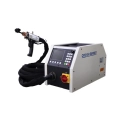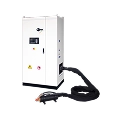





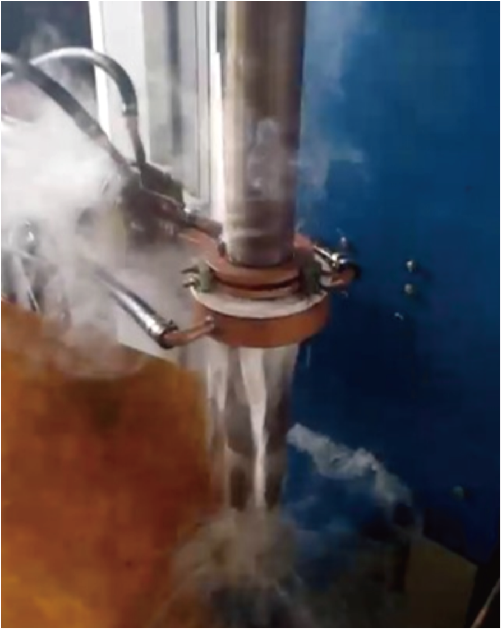
Unplanned downtime and waste cost your shop money. You face tough surface hardening problems every day. These include cracks, soft spots, warping, and coil failures. You must carefully control settings like frequency and power density. You must also check heating time and starting metal heat. Canroon makes fast induction machines and custom power systems. These tools fix your induction heat treating defects. We lead in advanced induction hardening solutions to make steel strong. Use our complete induction hardening tools to save your line.
| Operating Parameter | Control Limit / Value Range |
|---|---|
| Steel Carbon Content | 0.4% to 0.6% |
| Polymer Quenchant Concentration | ± 2% or ± 1°Brix |
| Refractometer Measurement Precision | ± 0.25° Brix |
| Quench Bath Temperature | ± 3°C |
Points clés à retenir
- Warm cold steel parts above 20°C first.
- This stops thermal shock and prevents stress cracking.
- Clean all part surfaces very well.
- This removes dirty oil and stops soft spots.
- Spin round metal shafts inside the heating coil.
- This spreads heat evenly and reduces shaft warping.
- Inspect induction coils every single day.
- Also, check quenchant fluid levels daily.
- This prevents sudden equipment failures and scrap.
Quick Troubleshooting Matrix
You can fix heat problems fast. Tables save good shop time. Use this guide to find Part Cracking. Check metrics and fix shop defects fast.
| Symptôme | Root Cause | Target Parameter Range | Quick Floor Fix |
|---|---|---|---|
| Part Cracking | Thermal shock; frozen stock; excessive power density | Steel temp > 20°C (68°F); Quench pressure 30–45 PSI | Warm parts first. Lower energy input. Adjust quench flow. |
| Soft Spots | Vapor blankets; oil; bad quenchant mix | Polymer concentration ± 1°Brix; Quench temp 25–35°C (77–95°F) | Clean part surfaces. Adjust polymer concentration. Clean dirty nozzles. |
| Shaft Warpage | Uneven heating; bad coil alignment; wrong frequency | Rotation speed 100–300 RPM; Frequency 10–30 kHz | Center part in coil. Rotate heating parts. Adjust generator frequency. |
| Non-Uniform Case Depth | Variable coupling gap; power drift; uneven spray | Coupling distance 1.5–3.0 mm; Hardness 58–62 HRC | Align heating tool. Recalibrate power supply. Clean dirty quench rings. |
💡 Operator Tip: Test quenchant concentration twice per shift with a refractometer. Small shifts change cooling rates and steel hardness.
Prevent scrap with simple fixes. Check coil position, fluid quality, and part heat first. Do this before big production runs.
Common Defects in Induction Hardening
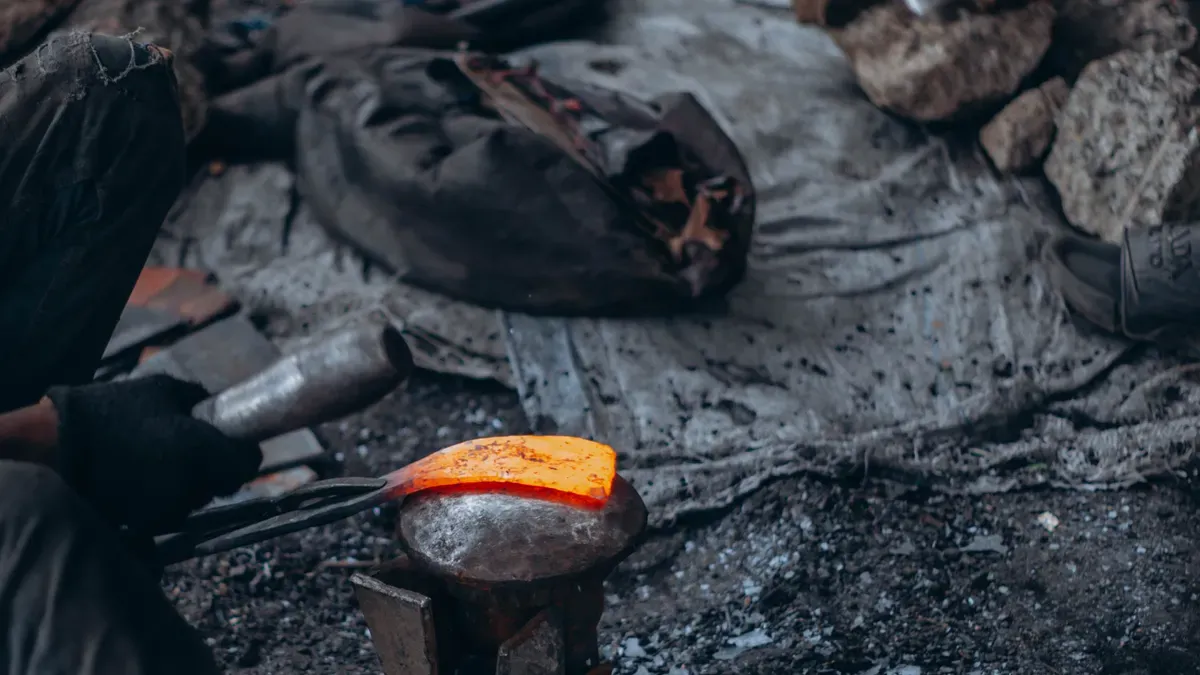
Workers see heat and metal problems often. You can stop broken parts early. This saves time and money.
Cracking and High Residual Stress
Fast heat and cold cycle steps stress metal. Keep cold parts safe from bad weather. Do not heat frozen steel parts. Cold drops make metal stress worse. Cold steel breaks right away. Warm all parts above 20°C (68°F) first.
⚠️ Warning: Store raw steel in warm rooms. Do this for 24 hours first. Fast heat on cold steel breaks it.
Too much power breaks parts too. Balance heat power and water spray pressure. High power makes surface and core heat different. Lower the power setting a bit. Give parts more time to heat up.
Soft Spots and Decarburization
Soft spots make parts wear out fast. Dirty part surfaces cause soft spots. Oil and scale trap heat. Dirt boils and makes gas bubbles.
Gas bubbles block water from steel. This causes uneven cooling on parts.
[Clean Metal Surface]  --> [Direct Quench Contact] --> [Uniform Martensite]
[Dirty Metal Surface]  --> [Trapped Vapor Blanket] --> [Soft Spot Defect]
Keep parts very clean before heating:
- Wash parts to clean off oil.
- Check part tops for rust or soap.
- Clean fluid nozzles to stop clogs.
Carbon loss makes steel surfaces soft. High heat drives carbon out. Remove soft top steel first.
- Decarburization layer depth range: It measures 0.005 to 0.020 inches deep.
- Required stock allowance: Cut off 0.010 to 0.020 inches of steel first.
Low Hardness and Incomplete Transformation
Hard parts need good power settings. Power and frequency set heat depth. High frequency heats the outer layer. Low frequency goes deeper inside.
Steel must reach the A3 heat point. Steel needs 820°C heat minimum. This makes full hard steel phase change.
Set tool power to save core strength. Good power gives fast heat safely. Digital frequency keeps heat depth stable. Fix low hardness with good coil gap. Check heat levels and fluid flow. Good control makes strong steel parts.
Dimensional and Geometrical Issues
Part Warpage and Shaft Runout
Bad shapes ruin exact parts. Heat creates high inner stress. Uneven quenching causes bad warping. Sections cool at different speeds. Rotate round parts inside coils. This spreads heat very evenly. It keeps shaft runout low.
Uneven Case Depth Patterns
Uneven heat alters hardening depth. Power flow changes near shapes:
- Current flows through short paths.
- Nearby shapes pull electrical currents.
- Small gaps concentrate energy bands. Big gaps spread energy out.
Adjust coil positions for even power. Exact gaps give repeat depth.
Edge Overheating and Thermal Melting
Thin edges absorb extra energy fast. Sharp corners melt very quickly. Lower main generator power density now. Use flux concentrators for safety. Good energy control stops surface damage.
Equipment Reliability and Quench Management
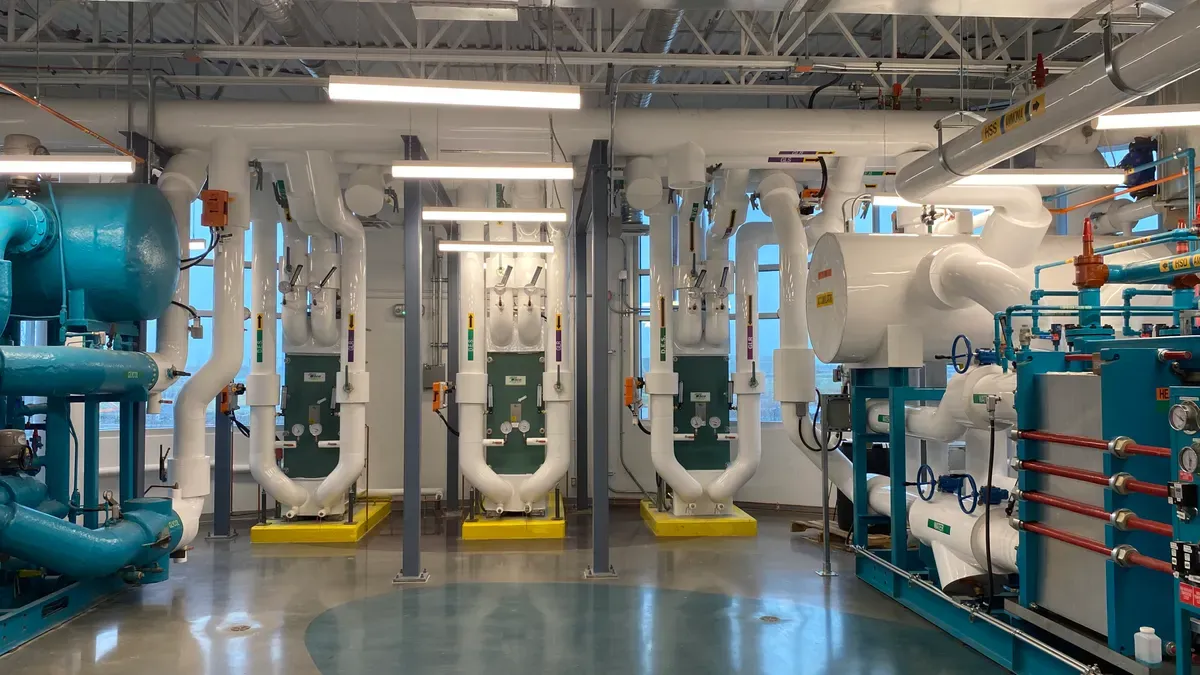
Coil Degradation and Arcing
Copper coils take heavy stress. They get hot fast. You need simple maintenance steps. These stop sudden machine breaks. They protect your heating tools:
- Check coil tools often. Look for wear early.
- Watch water flow speed. Water stops bad heat.
Quench System Contamination and Clogging
Dirty fluid ruins your work. Leak oil ruins fluid fast. Adding tramp oil changes quenchant cooling. It moves the cooling curve right. This shift means slower cooling. It causes soft, shallow metal.
Dirty oils cause many problems:
- Bad oil raises polymer levels.
- Dirty oil slows cooling speed. It delays target heat drops. It slows cooling at 300°C.
Dirt clogs quench spray holes. Clean dirty nozzles often. This keeps water spray strong. Check mix daily with refractometers. Remove dirty oil fast. Bacteria also weakens fluid power.
Power Efficiency and Frequency Control
New generators save big power. Old vacuum tubes waste power. Upgrade tools to stop losses.
| Power Supply Technology | Energy Efficiency Level | Power Consumption |
|---|---|---|
| Solid-State Systems | Superior energy conversion efficiency | Minimal power draw |
| Legacy Vacuum Tube Systems | Reduced energy conversion efficiency | Elevated power draw |
Digital tools control exact frequencies. These tools keep power steady.
Advanced Induction Hardening Solutions and Maintenance
Modern factory lines need good hardening setups. Good tools stop sudden machine stops. New tech boosts plant work fast. Try strict daily care now. Upgrade your shop tools today.
Standardized Preventive Maintenance Checklist
Daily checks stop costly idle time. Follow this clear list. Keep machines running well always:
| Maintenance Interval | Key Inspection & Task Items |
|---|---|
| Daily | • Clean outer tool bodies daily. • Check oil and water levels. • Watch air and water pressure. • Check power and leaks early. • Wash coils with soapy water. |
| Monthly | • Check hydraulic oil clarity now. • Test liquid concentration and pH balance. • Grease guide rails and screws. • Inspect drive belts for wear. |
Good care fixes every heat cycle. Clean tools save coil life daily.
Canroon Inverter Technology Integration
Digital controls boost heating power fast. Canroon builds top induction heating tools. Smart power units send heat straight to parts. This tech stops wasted power now. It keeps target heat stable.
Custom coils save up to 98% energy. New control software cuts total cycle times. It yields exact results on big runs. Modern cells use smart robotic arms. Digital tools track heat data live. Solid units keep output steady automatically. High-frequency tools protect exact job settings always.
Fixing steel defects needs strict control. Check parts, fluid cleanliness, and coils often. Track main metrics to keep quality high.
| Metric Category | Control Check | Operational Significance |
|---|---|---|
| Case Depth | Effective vs. Total Depth | Controls surface strength |
| Process Checks | Air Gap (< 0.5 mm) | Prevents power variation |
| Quench Delay | Timing Verification | Prevents soft spots |
Good heat care stops part wear. Canroon sells top induction gear. We offer custom engineering support. We give proven fixes for lines. Our team builds exact tools for jobs. Call Canroon engineers today. Use our induction hardening solutions now. Try our full induction hardening solutions today. Stop scrap and boost plant work fast.
FAQ
How do you prevent Part Cracking during induction hardening?
Warm cold steel above 20°C (68°F) first. Lower applied power density. Optimize quench spray pressure too. This cuts thermal shock. It stops sudden stress cracks.
What causes Soft Spots on hardened steel surfaces?
💡 Key Takeaway: Clean parts stop vapor blankets from forming.
Oil, scale, or grease traps vapor. This happens during quenching. Vapor blocks fluid contact. It creates Soft Spots. Clean parts very thoroughly first. Check quenchant concentration often.
How often should you check quenchant fluid concentration?
Check fluid twice per shift. Use a handheld Brix refractometer. Keep concentration within ±1°Brix. Regular tests stop Soft Spots. They prevent unstable cooling rates. They also stop Part Cracking.
Why does Shaft Warpage occur during the heating cycle?
Uneven heating causes severe Shaft Warpage. Bad coil alignment causes it too. Center your workpiece in the coil. Rotate shafts between 100-300 RPM. This eliminates runout fast.