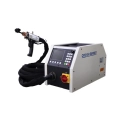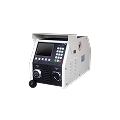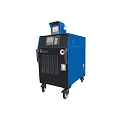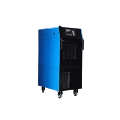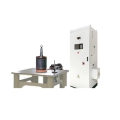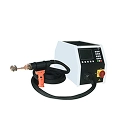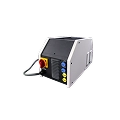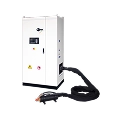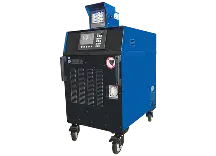





You can make oil and gas pipelines safer with induction heating. This method uses electromagnetic fields to heat the metal from inside. Preheating before welding helps stop hydrogen-induced cracking. It also makes the weld stronger. Induction heating lets you control the heat very well. This means you avoid thermal shock and less bending happens. Rules like ASME Section IX and API 1104 say preheating and stress relieving are needed for strong pipelines. Canroon has advanced induction systems with new features. These features include even heating, better energy use, and safer work.
Key Takeaways
- Induction heating makes pipelines safer by stopping cracks. It also helps make welds strong when welding. Preheating is needed before welding to control heat stress. It also lowers the chance of cracks from hydrogen. Stress relieving after welding keeps the pipeline strong. It stops bending or cracking later. Induction heating systems save time and energy. They help workers finish pipeline jobs faster than old ways. Regular maintenance is important for the equipment. Proper training on induction heating keeps everyone safe. It also helps the equipment work its best during pipeline jobs.
The Importance of Preheating and Stress Relieving
Why Preheating Matters
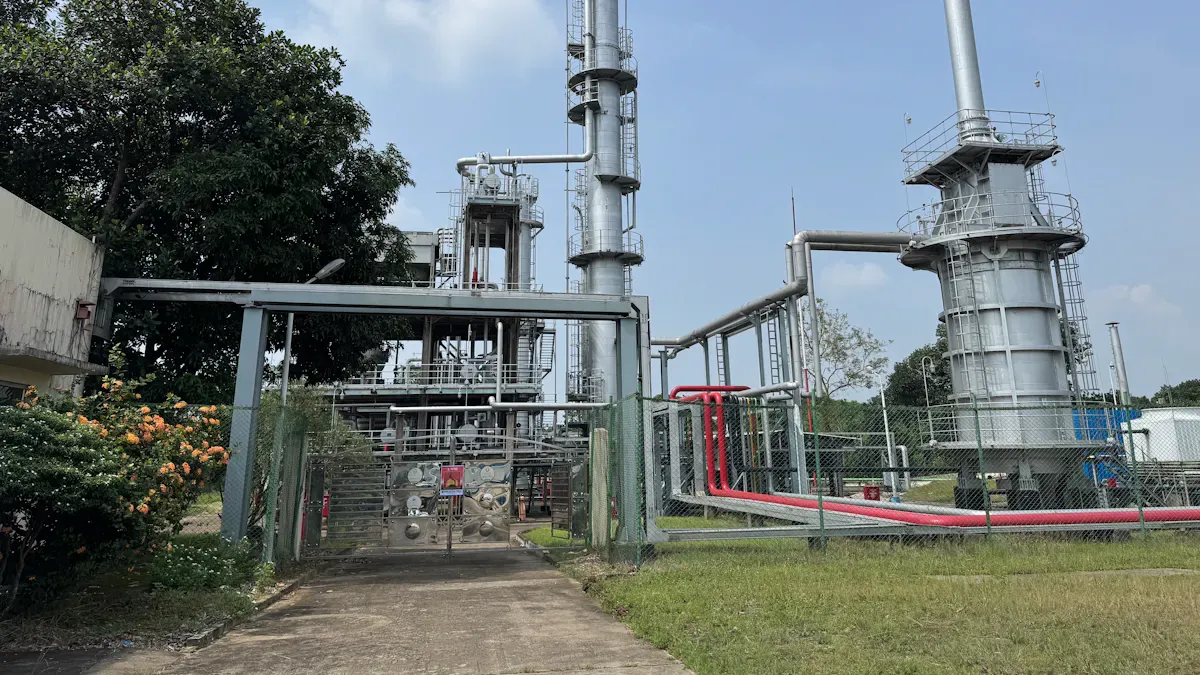
Pipelines need preheating before welding to stay strong and safe. Preheating does more than just make the metal warm. It helps you control the heat during welding. This step stops cracks from showing up in the welds. Cracks can make pipelines weak and not safe. You also lower the chance of sudden breaks, especially when the pipeline faces high pressure or heat.
- Preheating helps control the heat stress made during welding.
- It stops cracks in the welds, which is important for keeping the pipeline strong.
- It keeps the welds strong, so the pipeline does not break early in tough places.
Tip: Always check what preheat temperature your pipeline needs. This step helps you follow the rules and keeps your welds strong.
The Role of Stress Relieving
Stress relieving helps pipelines last longer. This process takes away stress from welding. If you skip stress relieving, the pipeline can bend or crack later. You need to stress relieve carbon steel welds when the wall is thicker than 32 mm. For joints with different thicknesses, always use the thicker part to decide if you need stress relief. Branches also need stress relief, except for small fillet welds or groove welds on non-pressure parts.
On-site heat treatment uses careful heating and cooling. These steps change the metal’s properties. You make the pipeline stronger and safer. Industry codes, like ASME and the American Welding Society, say you must do these steps for safety.
Impact on Pipeline Integrity
Preheating and stress relieving both keep your pipeline safe. You stop the metal from cracking or bending. You also make sure the pipeline can handle high pressure and hard jobs. When you do these steps, you follow the rules. You also help your pipeline last longer and work better.
Note: Skipping preheating or stress relieving can cause expensive repairs and safety problems. Always do the right steps to keep your pipeline safe.
Induction Heating Technology Overview
How Induction Heating Works
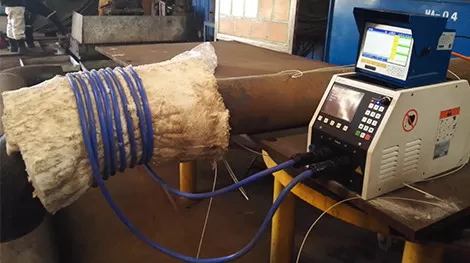
Induction heating uses electromagnetic fields to heat metal. When you put metal in a changing magnetic field, eddy currents form. These currents heat the metal from the inside. This method heats things quickly and lets you control the temperature well. Induction heating is good for preheating and stress relieving pipelines. It works well for welding because you can set the temperature just right.
If you want even heating, induction heating systems help keep the temperature steady. This makes your pipeline safer and stronger.
Key System Components
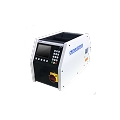
You should know the main parts of induction heating systems. Each part helps make heating safe and efficient. Here is a table that shows the important parts:
| Component | Description |
|---|---|
| Induction Power Supply | Gives power for the induction heating process. |
| Flexible Heating Cable/Coil | Heats the metal in pipelines well. |
| Couverture isolante | Keeps heat in and makes heating safer. |
| Thermocouples | Measures temperature to make sure heating is right. |
| Temperature Controller | Controls the heating process as planned. |
| Système de refroidissement | Keeps things cool and stops overheating. |
| Data Logging System | Records heating data for checking and rules. |
You can use these parts to build a good induction heating system. Knowing how induction heating works helps you pick the right tools for your job.
Advantages for Pipeline Applications
Induction heating systems have many good points for pipelines. They use energy well, lose little heat, and start up fast. Here is a table that compares induction heating to gas heating:
| Parameter | Chauffage par induction | Gas Heating |
|---|---|---|
| Energy Conversion Efficiency | 85–95% | 30–60% |
| Heat Transfer Loss | Very Low | High |
| Start-up Time | Seconds to minutes | Tens of minutes to hours |
| Standby Loss | Minimal | Significant |
You can see induction heating saves energy and time. You also lose less heat and keep the temperature even. These good points make induction heating great for pipeline preheating and stress relieving.
Induction Heating for Preheating and Stress Relieving
Preheating Before Welding
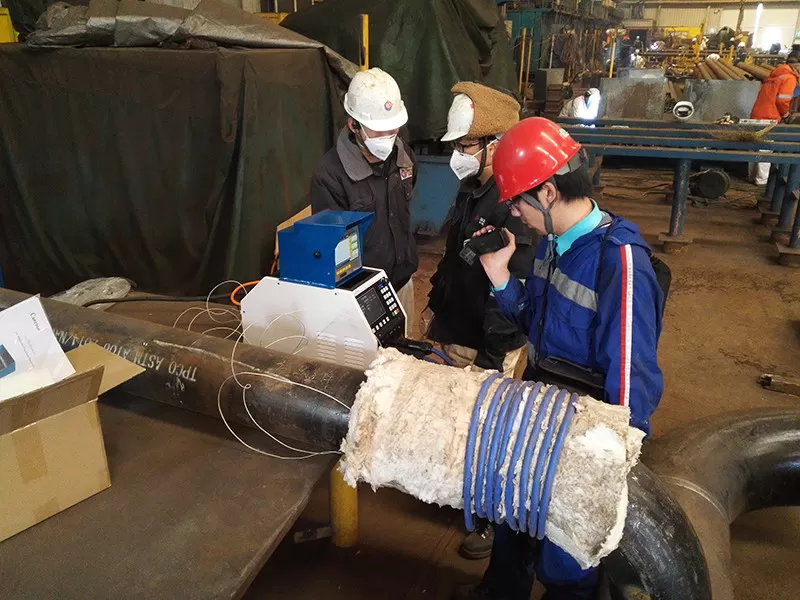
You must follow steps when using induction heating for preheating and stress relieving in oil and gas pipelines. Induction preheat gets the metal ready for welding. This step helps stop cracks and keeps the weld strong. Induction heating equipment makes the job faster and safer.
Here is a simple guide for induction preheating:
- Find out the lowest and highest temperature you need for preheating and stress relieving. Look at the welding rules for your pipe’s alloy.
- Set your induction heating system to keep the preheat temperature at least 250°F. This dries out moisture and helps stop hydrogen-induced cracking.
- Put thermocouple probes on the pipe. These probes help you watch and control the temperature.
- Watch the temperature all the time. Make sure it stays in the right range while you weld.
- Use advanced induction heating systems, like ArcReach or Canroon, for fast and even heating at the jobsite.
Induction preheating gives you quick, focused, and controlled heating. This makes sure the weld area is ready and safe for the next steps.
Tip: Always check the temperature with a calibrated device. This helps you follow best practices for pwht and keeps your welds strong.
Post-Weld Heat Treatment (PWHT)
After welding, you must do post-weld heat treatment. PWHT is an important part of stress relieving with induction heating. This step helps remove stress from the weld and the area around it. Induction heating systems let you do this step with great control.
Here is how to do pwht with induction heating:
- Set the induction heating equipment to the right temperature for pwht. For most pipelines, keep the temperature between 590°C and 675°C.
- Hold the pipe at this temperature for the time given in your welding code or procedure.
- Use automatic temperature control during pwht to keep the heat steady. This helps you avoid new stresses in the metal.
- Let the pipe cool down slowly. This keeps the metal from bending or cracking.
| Process | Temperature Range (°C) | Purpose |
|---|---|---|
| Preheating | 590–675 | Heat the welded joint before welding |
| Stress Relieving | Specified time holding | Prevent introducing new stresses during cooling |
PWHT changes the steel’s microstructure. Induction heating gives you more even and controlled treatment. This helps you avoid coarse grains and keeps the weld tough. If you skip this step, the weld can become weak and brittle. Induction heating also helps hydrogen leave the weld, which lowers the risk of cracks.
Note: Induction heating in pwht gives you faster heating, better control, and less risk of pipeline damage.
Temperature Control and Uniformity
Keeping the temperature steady during pwht is very important. You need to keep the temperature steady to get the best results from preheating and stress relieving. Induction heating systems help you do this with automatic controls and real-time feedback.
Here are some best ways to keep temperature control during pwht:
- Check your heating plates often to make sure they give even heat.
- Keep the heating plate clean. Dirt can cause hot or cold spots.
- Calibrate your induction heating equipment to keep the preheat temperature between 400°F and 450°F.
- Use automatic temperature control systems. These keep the temperature within ±10°F.
- Write down the heat input and any changes. This helps you check your work and follow the rules.
Programmable induction heating systems, like those from Canroon, give you exact control and focused heating. You can set the exact temperature and time for each step. This makes the heat-affected zone smaller and makes stress relieving more reliable. Automation also lowers mistakes and keeps your pipeline safe.
Alert: Good temperature control during pwht helps you avoid cracks, keeps the weld tough, and helps anti-corrosion coatings stick better.
Induction preheat and post-weld heat treatment are both important for pipeline safety. When you use induction heating systems, you get fast, even, and controlled heating. This helps you meet industry codes and keeps your pipelines strong for years.
Benefits Over Traditional Methods
Efficiency and Speed
Induction heating lets you finish pipeline jobs much faster. Old open flame methods take a long time to heat metal. Induction heating does the same work in just minutes. You get steady and even heating, so welds stay strong. This also lowers the chance of hydrogen-induced cracking. Induction systems make it easy to control the temperature. This helps your welds turn out better.
- Induction heating is quicker than open flame methods.
- You always get even heating.
- You can set the temperature exactly.
- You lower the chance of cracks in the weld.
Safety and Environmental Impact
Induction heating makes the job safer for everyone. You do not need flames or gas burners. This means less risk of fire or burns. Workers are safer from bad fumes. Induction heating uses less energy and makes less waste heat. You help the planet by using a cleaner way.
Using induction heating makes your work safer. You avoid dangerous flames and cut down on air pollution.
Cost Savings and ROI
Induction heating helps you save money. It uses energy better than old methods. You spend less on fuel and labor. Jobs finish faster, so you can start new ones sooner. Induction heating systems last longer and need less fixing. You get more value because you have less downtime and fewer repairs.
| Benefit | Chauffage par induction | Traditional Methods |
|---|---|---|
| Energy Use | Low | High |
| Labor Cost | Low | High |
| Maintenance | Minimal | Frequent |
| Project Time | Short | Long |
You save both time and money when you use induction heating for pipeline work.
Challenges and Best Practices
Common Issues in Pipeline Heating
You can run into problems when using induction heating for pipelines. Some issues can make your work less safe or lower its quality. It is important to know these problems so you can fix them fast. Here is a table that shows common problems and ways to solve them:
| Common Issues | Typical Resolutions |
|---|---|
| Defects in the motherpipe (e.g., gouges, dents) | Careful handling and quality control during manufacturing |
| Conflicts in bending process parameters | Application of post-bend heat treatments (normalize, anneal, temper) |
| Loss of electrical power during bending | Ensuring stable power supply to avoid process shutdown |
| Excessive air draught affecting temperature readings | Maintaining consistent air draught during the bending process |
Always check for dents or gouges before you start heating. If you find any, fix them first. Make sure your power supply does not change. This helps you avoid sudden stops while heating. Keep the air flow around the pipe steady. This helps you get correct temperature readings.
Best Practices with Canroon Systems
You get better results when you follow best steps with Canroon induction systems. These systems let you control the heat very well. Here are some tips to help you:
- Put the induction coil evenly around the pipe for even heating.
- Use the built-in temperature controller to keep the heat steady.
- Watch the process with thermocouples at different spots.
- Write down all data for each heating cycle. This helps you follow the rules.
Tip: You can use Canroon’s programmable features to set exact heat and time. This lowers mistakes and keeps your pipeline safe.
Maintenance and Training
You need to keep your induction heating equipment in good shape. Regular checks help you find problems early. Clean the coils and cables often. Change worn parts right away. You should also teach your team how to use the system. Good training helps everyone work safely and get the best results.
- Check your equipment before each job.
- Clean and store all parts after use.
- Give your team hands-on training with the induction system.
Note: Well-kept equipment and trained workers help you avoid delays and expensive repairs.
When you use induction heating for pipelines, you get many good things. You can keep the temperature steady with less work. This helps make the welds stronger and helps the pipeline last longer. Repairs are quicker, so you do not have to stop work for long. Coatings stick better and stay on the pipeline longer. The metal parts have less stress, so they work better.
Canroon’s systems are special for these reasons:
| Feature | What You Get |
|---|---|
| Precise Control | Simple panel lets you watch in real time |
| High Efficiency | Uses up to 90% energy for faster heating |
| Uniform Heating | Gives even heat all over the pipeline |
Pick induction heating for your next pipeline job. This will help make your work safer and better.
FAQ
What is induction heating?
Induction heating warms metal using electromagnetic fields. You do not need to touch the metal or use fire. This method heats things quickly and evenly.
Why should you use induction heating for pipelines?
You get safer and faster heating. Induction heating gives you more control. It lowers the chance of cracks and saves energy. You do not have to use flames.
How do you control the temperature during induction heating?
You use thermocouples and automatic controllers. These tools help keep the temperature steady and safe.
Can you use induction heating on all pipeline sizes?
You can use induction heating for many pipe sizes. Flexible coils and adjustable systems fit both small and big pipes. Always check your equipment to make sure it fits.