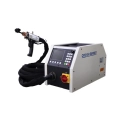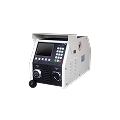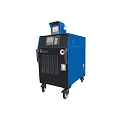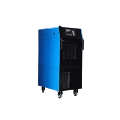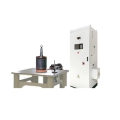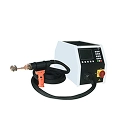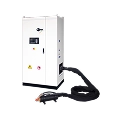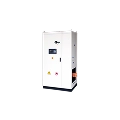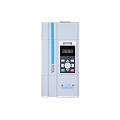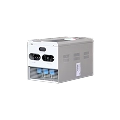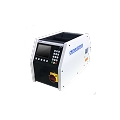





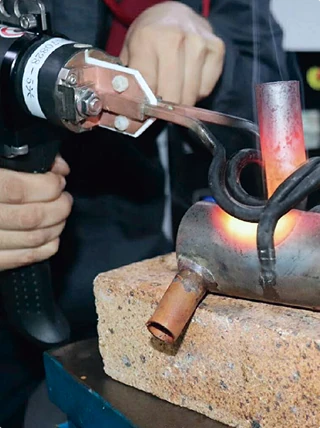
You use induction brazing to join metals with a filler that melts at a lower temperature than the base materials. This process works by putting an induction coil close to the joint. The coil heats the area fast and melts the filler metal. You get a quick, exact, and clean way to connect parts. Canroon has special skills to help you make strong and dependable connections. Knowing this method helps you pick better ways for easy and repeatable metal joining.
Points clés à retenir
- Induction brazing uses focused heat to join metals. This makes strong and clean bonds. It does not hurt the areas around the joint. The process uses an induction coil. The coil makes a magnetic field. This field creates heat at the joint using eddy currents. Picking the right filler metal is very important. The filler metal must melt at a lower temperature than the base metals. Induction brazing is faster and cleaner than old methods. It helps finish jobs quickly. It also causes less oxidation. La technologie de pointe de Canroon gives better control. It also makes the process repeatable. This makes induction brazing good for small and large jobs.
Induction Brazing Overview
Definition and Principles
Vous utilisez brasage par induction to join metal parts with a strong and clean bond. This method heats only the spot where you want the joint. The induction coil makes a strong, changing magnetic field. When you put your metal part in this field, eddy currents start in the metal. These currents heat the metal fast and just at the joint. You add a filler metal that melts at a lower temperature than the base metals. As the base metals get hot, the filler melts and moves into the gap by capillary action. This makes a solid and reliable connection.
Astuce : Brasage par induction gives you exact and focused heating. You do not overheat the rest of your part, so heat-sensitive materials stay safe.
Here are the main ideas that make brasage par induction a great choice:
- The induction coil makes a strong, changing magnetic field.
- Eddy currents heat the metal at the joint.
- The filler metal melts and fills the joint.
- Capillary action pulls the filler into the gap to make a strong bond.
- The process makes very little smoke or fumes, so your workspace stays cleaner.
Canroon’s Approach
Canroon is a leader in brasage par induction. You get advanced technology for better control and repeatability. Canroon’s systems use exact electrical settings to heat only the joint area. This lowers the chance of overheating and keeps your parts safe. You also get cleaner joints with less oxidation, so your connections last longer.
| Fonctionnalité | Induction Brazing (Canroon) | Traditional Methods |
|---|---|---|
| Precision Heating | Localized control | Moins de contrôle |
| Clean Joints | Reduced oxidation | Higher oxidation risk |
| Repeatability at Scale | Standardized quality | Variable quality |
| Cleanroom Compatibility | No open flame, minimal smoke | Open flame, more smoke |
| Automation Integration | Easy to automate | Limited automation |
| Material Efficiency | Less filler waste | More waste |
You can use Canroon’s brasage par induction for small or large jobs. The technology works with automated systems, so you get the same good results every time.
Procédé de brasage par induction
Step-by-Step Method
You follow a clear process when you use induction brazing. Each step helps you make strong and clean joints. Here is how you complete the process:
- Equipment Preparation: You select a high-frequency induction power supply. You shape the copper coil to fit the joint.
- Prep & Placement: You clean the joint area. You place the filler metal and apply flux to stop oxidation.
- Chauffage par induction: You position the induction coil near the joint. You preheat, then heat to the right temperature. The filler metal melts and flows into the gap.
- Deep Clean: You use an ultrasonic cleaner to remove any flux left after brazing.
Astuce : Always keep your parts clean and use the right amount of flux. This helps you get strong and reliable joints.
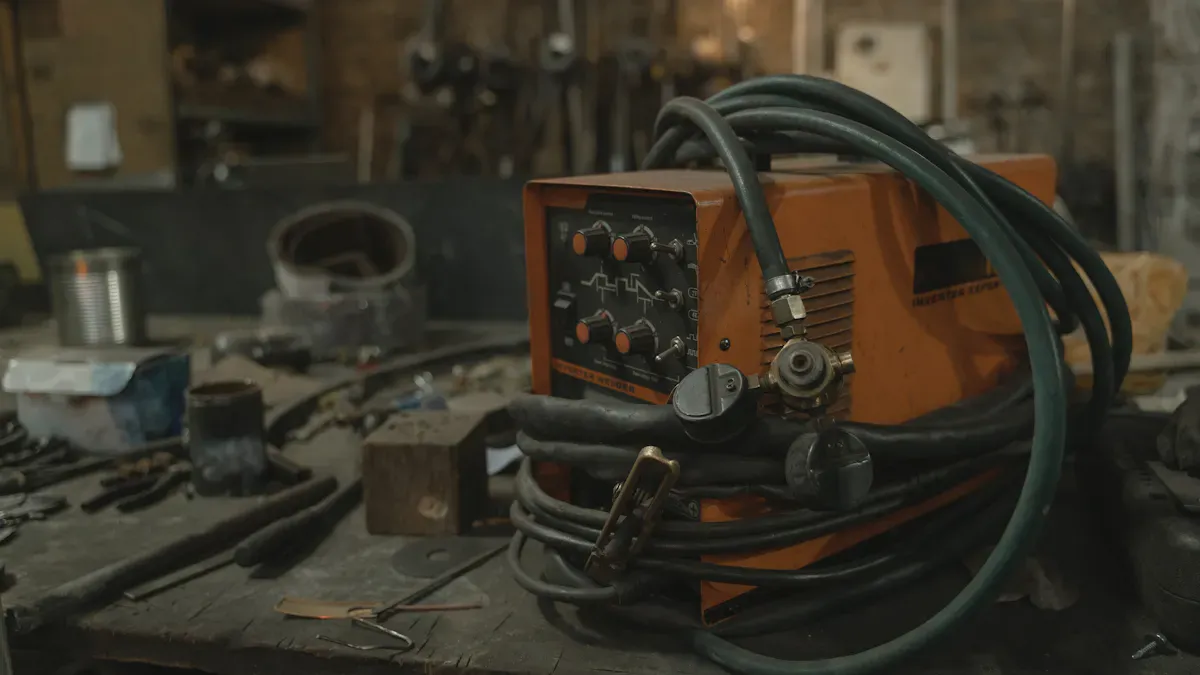
You can use different types of induction equipment for this process. Portable machines let you move around your shop. Stationary machines stay in one place and work well for big jobs. You can also use automated systems for high-volume production. These systems help you get the same results every time.
| Composant | Fonction |
|---|---|
| Alimentation électrique | Converts electrical energy to provide the right frequency and power. |
| Bobine d'induction | Makes the magnetic field for induction heating. |
| Système de refroidissement | Keeps the equipment at the right temperature. |
| Système de contrôle | Lets you set time, temperature, and other important settings. |
Induction Heating Technology
Induction heating is the heart of the brazing process. You use an induction coil with an alternating current. This creates a magnetic field around the coil. When you put your metal part inside this field, the metal gets hot from the inside. The heat comes from eddy currents that flow in the metal. The metal’s resistance turns these currents into heat. This lets you heat only the joint area, not the whole part.
Modern induction heating machines give you a lot of control. You can set the frequency and power to match your job. This means you can heat the joint quickly and evenly. You do not damage the rest of your part. You can use induction heating for many metals, including steel, copper, and brass.
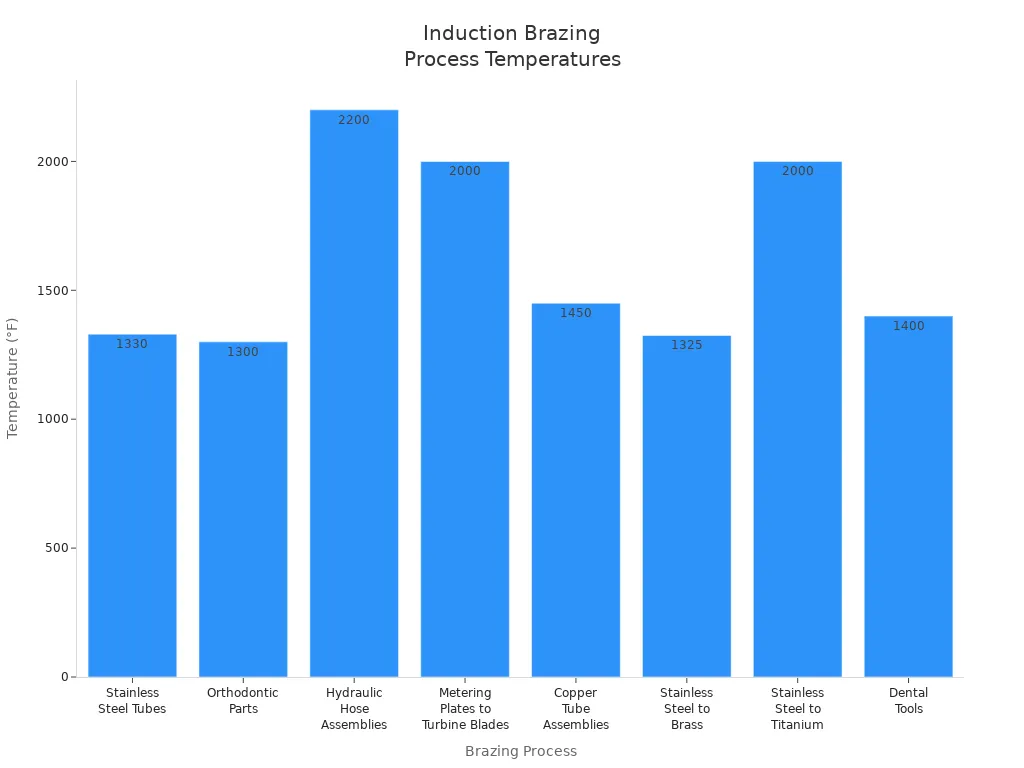
Induction brazing can reach high temperatures in a short time. Here are some examples:
| Process | Heure | Temperature (°F) |
|---|---|---|
| Brazing Stainless Steel Tubes | 20 seconds | 1330 |
| Brazing Hydraulic Hose Assemblies | 7 seconds | 2200 |
| Brazing Copper Tube Assemblies | 45 seconds | 1450 |
| Brazing Stainless Steel to Brass | 7 seconds | 1325 |
| Brazing Stainless Steel to Titanium | 80 seconds | 2000 |
Remarque : Induction heating gives you fast and focused heat. You can join parts in seconds and keep your workspace safe and clean.
Filler Metals and Materials
You need the right filler metal for a strong brazed joint. The filler melts at a lower temperature than the base metals. It flows into the gap and bonds the parts together. You choose the filler based on the metals you want to join and the strength you need.
Here are common filler metals you can use:
| Filler Metal | Melting Temperature (°F) | Common Applications |
|---|---|---|
| Silver | 1100 – 1650 | Used for many jobs, low melting point |
| Silver-Copper Eutectic | 1100 – 1650 | Good for many types of joints |
| Aluminium | 1050 – 1140 | Used less often |
| Cuivre | 1300 – 2150 | Low cost, used for many applications |
You can use induction brazing for many metals. Magnetic metals heat up faster. If you need to join ceramics, you use a special part called a susceptor to help with heating.
The properties of the filler metal affect the strength of your joints. For example, using a silver-copper-zinc-tin filler can give you a joint with a tensile strength over 300 MPa. This is strong enough for most uses. If you use the right amount of tin, you get even better strength.
Astuce : Always pick the filler metal that matches your base metals and the job’s needs. This helps you get the best results from your induction brazing process.
You also need to control the process for good quality. Use the right joint design, keep everything clean, and use the right fixtures. Automated systems and temperature controls help you get repeatable results. You can use smart technology to watch the process and fix problems before they happen.
Induction brazing gives you a fast, clean, and reliable way to join metals. You get strong joints and save time and energy.
Induction Brazing Benefits
Precision and Speed
Induction brazing gives you very accurate and quick results. The equipment controls the power and time for each job. This means you get the same outcome every time. You do not have to worry about mistakes from people. The coil design stays the same for each use. The table below shows how you control different things that can change the process:
| Source of Variability | Control Method |
|---|---|
| Power and Time | Fixed variables through equipment programs |
| Coil | Fixed design |
| Part | Controlled positioning and specifications |
| Operator | Removed from the process entirely |
Induction brazing heats only the spot where you join the metals. You can finish a brazing job in just seconds or minutes. Other ways, like using a flame or furnace, can take hours. This fast process helps you make more parts and keeps your pieces from getting too hot.
Clean Results
Induction brazing makes joints that are strong and clean. The heat stays in one place, so you do not get much oxidation or leftover mess. You spend less time cleaning up after you finish. Here are some reasons your joints stay clean:
- Induction brazing makes joints that last longer and look better.
- The filler does not go where it should not.
- You do not get much oxidation, scale, or carbon left behind.
- You do not need to do a lot of extra cleaning.
- Focused heat and flux keep oxidation low.
- Good control means less dirt sticks to the joint.
Safety and Efficiency
Induction brazing is safer for you to use. There are no open flames, so fire risk is lower. You do not need gas or fuel bottles. Induction brazing does not make smoke or noise. You are less likely to get hurt while working. The table below shows how safety is better:
| Mesure de sécurité | Brasage par induction | Brasage traditionnel |
|---|---|---|
| Open Flames | Non | Oui |
| Non-Contact Heating | Oui | Non |
| Fire Hazard Risk | Réduit | Plus élevé |
| Operator Injury Risk | Réduit | Plus élevé |
You also use less energy with induction brazing. The energy goes right into the metal. You do not waste power heating the air or the whole furnace. This helps you save money and work faster. Canroon’s systems help you get good results every time and use less energy.
Brazing Applications
Brasage par induction is used in many industries. This method makes strong and clean joints. It works for both big and small parts. Here are some common ways people use it.
Automotive and Aerospace
Induction brazing helps make car and airplane parts. It joins engine parts and heat exchangers. In airplanes, it is used for safety parts. The table below gives some examples:
| Secteur | Component Examples | Market Share |
|---|---|---|
| Aérospatiale | Aircraft components, critical safety components | > 28.5% |
| Automobile | Engine parts, transmission components, heat exchangers | > 34.5% |
There are many good things about using induction brazing here:
- Filler metal stays where it should, so joints are clean.
- Less heat means parts do not bend or change shape.
- You can make up to 10,000 sensors each month for planes.
- Joints do not leak, which keeps things safe.
- Jobs finish faster and look better.
Électronique
Brasage par induction joins small parts in electronics. It heats only the joint, so other parts stay safe. You can connect connectors and terminals very well. This is important for making electronics work right.
| Avantage | Description |
|---|---|
| Precision Heating | Heats just the joint, so parts do not get hurt. |
| Faster Processes | Makes work go faster than old methods. |
| Safety Improvements | No open flames, so fire risk is lower. |
| Consistent Joint Quality | Joints are strong and have few problems, so things last longer. |
Utilisations industrielles
Factories and shops use induction brazing a lot. It helps make exhaust systems and engine parts. In airplanes, it is used for jet engines and rocket nozzles.
| Industrial Sector | Applications of Induction Brazing |
|---|---|
| Automobile | Exhaust systems, transmission assemblies, engine parts |
| Aérospatiale | Jet engines, rocket nozzles, avionics systems |
Induction brazing is growing in North America, Europe, and Asia Pacific. More companies use it because it saves time and gives better results.
Tip: Canroon’s induction brazing helps you get strong and clean joints. You can use it for both big and small jobs.
You have learned how induction brazing lets you join metals quickly and cleanly. You use focused heat to make strong joints with less oxidation. You get better results in less time than with older methods.
- You can finish jobs in minutes, not hours.
- You keep joints clean by controlling oxygen.
- You avoid thick oxide layers that can weaken your work.
Canroon gives you the tools and support to make your metal joining easy and reliable.
FAQ
What metals can you join with induction brazing?
You can join metals like steel, copper, brass, and aluminum. Induction brazing works best with metals that conduct electricity. You can also use special parts to join ceramics.
Is induction brazing safe for you to use?
You do not need open flames or gas bottles. Induction brazing lowers fire risk and keeps your workspace cleaner. You stay safer while working.
How fast can you finish a brazing job?
You can finish most jobs in seconds or minutes. Induction brazing heats only the joint, so you save time compared to older methods.
Do you need to clean parts before brazing?
You must clean the joint area before brazing. Dirt and oil can stop the filler from flowing. Clean parts help you make strong and reliable joints.
Can you automate induction brazing?
Vous pouvez utiliser automated systems for induction brazing. Machines control heat and timing. You get repeatable results and higher quality.