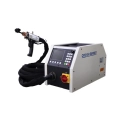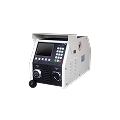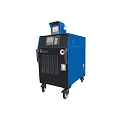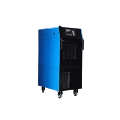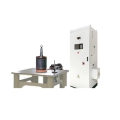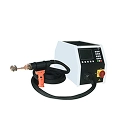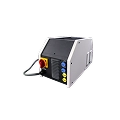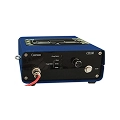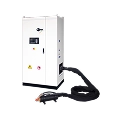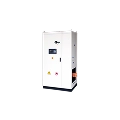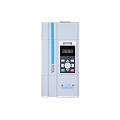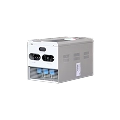





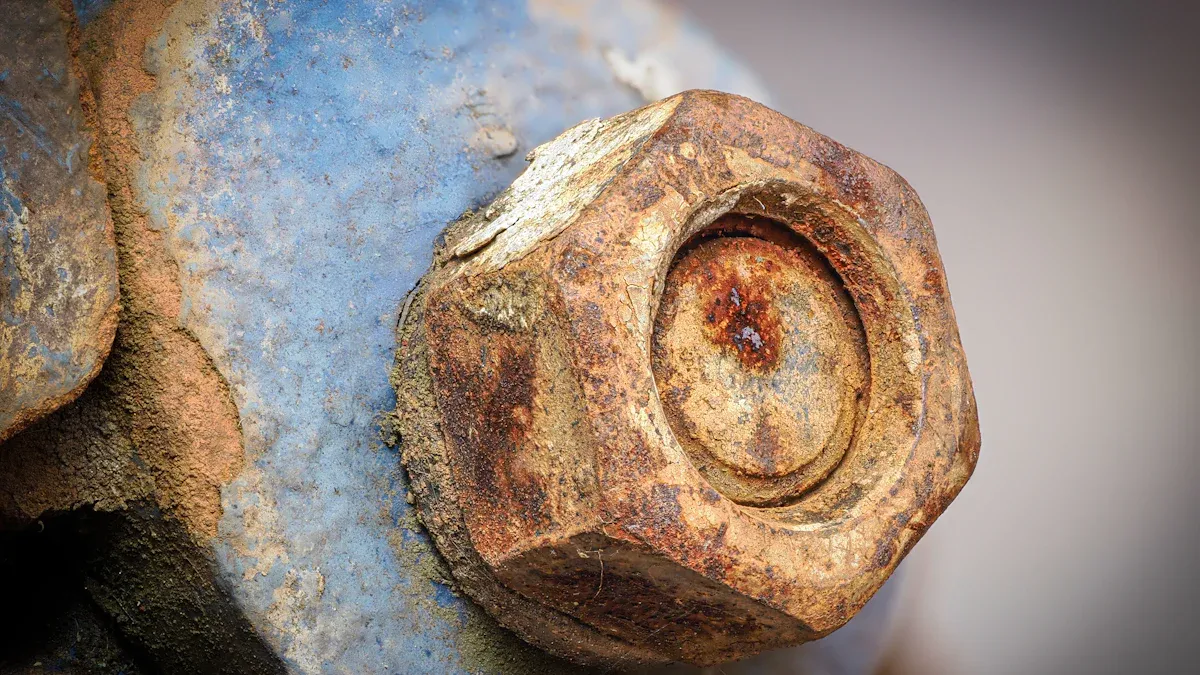
You need top-performing shop equipment like Canroon, Solary, and VEVOR in your auto repair facility for 2026. High-frequency electromagnetic heating works faster, aims better, and is safer than traditional acetylene torches. Electromagnetic energy creates instant, focused heat directly inside rusted iron or steel fasteners. You loosen stubborn, frozen nuts quickly without using open flames or burning nearby parts. Therefore, using a high-efficiency induction bolt heater allows modern auto mechanics to safely remove badly rusted suspension bolts near fragile rubber bushings, plastic fuel lines, and complex wiring bundles. You remove fire risks, speed up disassembly work, and protect delicate electrical parts during tough repair jobs.
Puntos clave
- Magnetic induction bolt heaters help you quickly unstick rusted bolts without using an open fire.
- Heating without a flame protects close rubber hoses and fuel lines from fires.
- Strong models can warm up hard steel nuts in less than thirty seconds.
- Bendable coil choices allow mechanics to reach cramped spots under vehicles with ease.
- Taking proper care of your equipment keeps it from getting damaged and protects workers from harm.
Choosing the Best Induction Heater for Auto Shops
Picking the best induction heater greatly improves your daily auto repair work. You swap dangerous flame torches for safe magnetic energy. Modern repair garages require dependable tools to loosen frozen bolts without harming nearby car parts. You should check key features before buying an induction tool for your mechanic shop. Important factors to consider are power levels, run-time limits, heating speeds, and bendable coil styles.
OSHA safety rules strictly limit open flames near flammable chemicals.
| OSHA Fire Safety Requirement | How Induction Heaters Address It |
|---|---|
| Fire hazards must be guarded during cutting or heating | Induction heaters produce flameless heat, eliminating costly thermal guards |
| No open flames allowed within 50 feet of flammable liquids | Induction tools eliminate open flame risks near fuel lines |
| Fire watchers must remain stationed during operations | Induction heating eliminates fire watchers because no smoldering risks exist |
Industry safety standards highlight this important operational advantage:
“Induction tools use high-frequency magnetic fields to generate heat, which means there’s no open flame. This reduces the risk of fire and explosion, making induction tools safer to use than acetylene torches.”
Power Output and Heating Speed
Power output is an important factor when selecting an induction heating system for automotive repair and maintenance. The required power depends on the size and material of the component, heating temperature, target heating time, and application requirements.
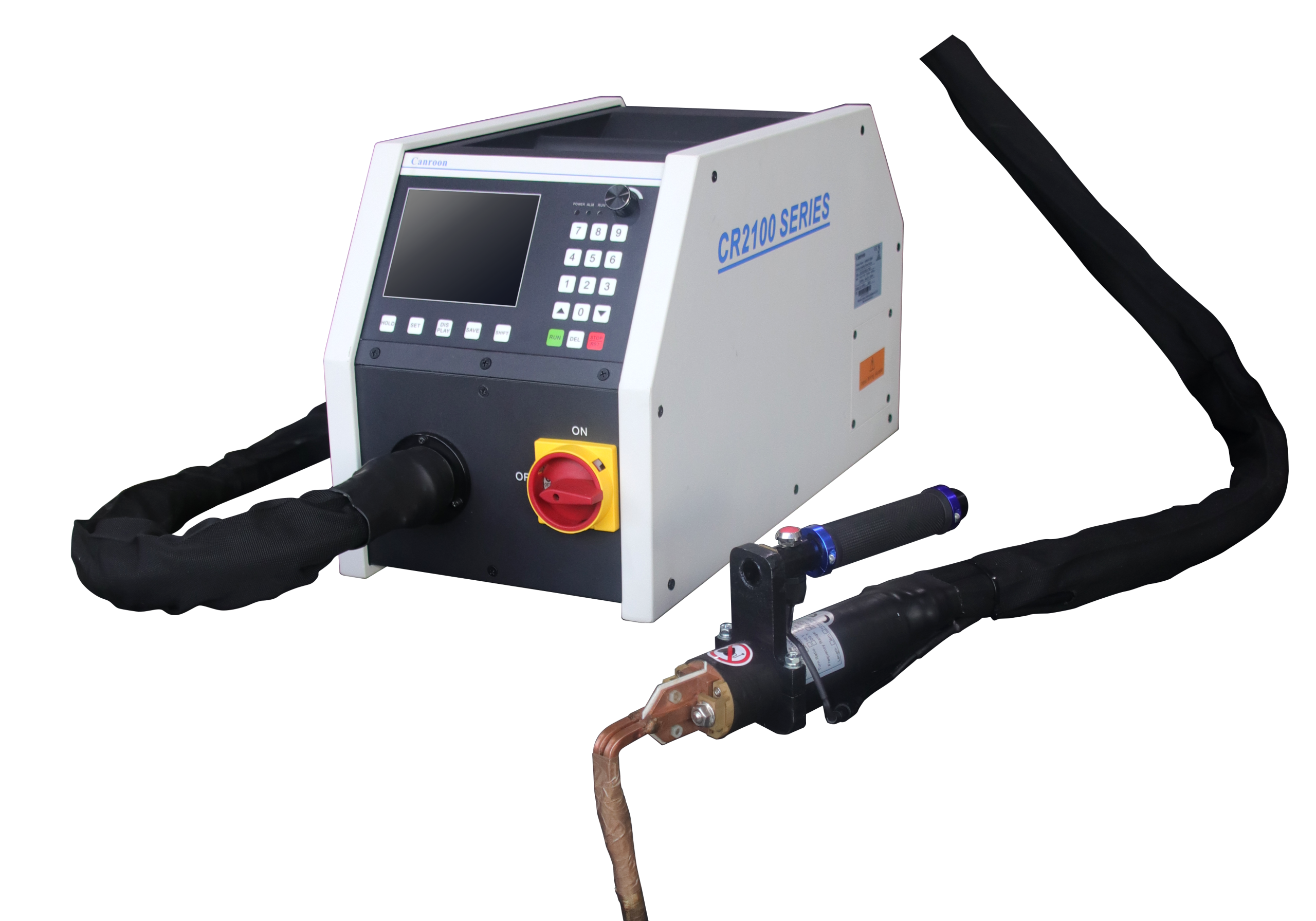
For professional applications, Canroon offers industrial induction heating systems across a wide power range. The CR2100 Series, for example, covers approximately 10 kW to 800 kW, providing substantially more heating capacity than compact handheld induction tools. This makes it suitable for applications that require rapid and controlled heating of larger metal components, including large fasteners, shafts, bearings, gears, and other steel parts.
Unlike conventional flame heating, induction heating generates heat directly within electrically conductive metal through electromagnetic induction. This allows the heating process to be concentrated around the target area while reducing unnecessary heating of surrounding components. For automotive maintenance, this can be particularly useful when working with seized or tightly fitted metal components where controlled localized heating is required.
However, higher power does not automatically mean better performance. The appropriate power level should be selected according to the component size, material, heating area, required temperature, and heating cycle. Frequency is also important because different frequencies influence how deeply electromagnetic energy penetrates the workpiece.
Canroon’s induction heating systems support different application requirements through appropriate combinations of power, frequency, and induction coil design. With a properly matched system, users can achieve efficient and repeatable heating without relying on an open flame.
Duty Cycle and Tool Ergonomics
Duty cycle is an important consideration for professional automotive workshops and industrial maintenance applications. A system used for occasional repairs has different requirements from equipment operating repeatedly throughout a working day.
Canroon induction heating systems are designed for professional applications where stable operation and controlled heating are important. Depending on the selected model and application, users can configure the appropriate power capacity, cooling arrangement, induction coil, and operating parameters for their specific heating requirements.
The induction coil is another critical part of the system. Coil geometry determines how electromagnetic energy is coupled into the workpiece and therefore has a direct effect on heating efficiency and heating distribution. For automotive applications, coils can be designed to match the shape and size of the target component, helping concentrate heating where it is required.
This is especially valuable when working in confined areas around mechanical assemblies. Unlike an open flame, induction heating does not require direct flame contact with the workpiece. The heating process can therefore provide a more controlled alternative for applications where nearby components or materials need to be protected from unnecessary heat exposure.
For frequent workshop use, the complete system should be evaluated rather than looking only at rated power. Important factors include heating speed, duty cycle, cooling system, coil configuration, operating frequency, control functions, and ease of integration into the intended application.
Top Magnetic Induction Heater Models for 2026
Mechanics require trustworthy equipment to remove stuck bolts fast. You may select top options to boost shop output. Compact items and complete kits fit specific garage needs.
Canroon Portable Induction Bolt Heater Kits
Handheld equipment markets feature Canroon portable devices as top choices. The Canroon bolt heater reaches 800°C within 20 seconds. Flameless technology protects nearby plastic parts and sensitive wiring against severe heat damage. Auto mechanics use these small tools inside tight engine spaces safely. Technicians avoid costly fires near fuel lines and wiring bundles. Growing popularity in commercial shops confirms Canroon as a premier choice.
| Duty Cycle Specification | Practical Impact on Continuous Usage |
|---|---|
| 2 minutes ON / 2 minutes OFF | Allows internal circuitry to cool down, preventing damage; if unit stops, wait 4–6 minutes for thermal protector to reset before resuming use. |
Observing official thermal limits protects internal electrical systems from harm. Scheduled cooling breaks keep equipment running well during heavy repair work.
Professional Automotive Repair Units
Professional automotive repair applications often require more than a compact bolt-heating tool. When larger components, repeated heating cycles, or customized heating areas are involved, an industrial induction heating system can provide greater flexibility.
Canroon manufactures induction heating equipment for a wide range of industrial heating applications. Its product portfolio includes the CR2100, CR2000, CR1300, and CR1000 series, covering different power ranges and application requirements.
For applications requiring higher heating capacity, the CR2100 Series Induction Heating Machine provides a broad power range and can be configured with different induction coils according to the workpiece and heating process. It can be considered for demanding metal heating applications where high power and controlled electromagnetic heating are required.
The Serie CR2000 provides a more compact power range for applications that do not require the capacity of a high-power industrial system. Depending on the configuration, it can be used for heating metal components such as bearings, gears, shafts, fasteners, and other parts requiring localized heating.
When selecting an induction heating machine for automotive repair, users should consider the following factors:
- Power output: Select sufficient power according to workpiece size and required heating speed.
- Operating frequency: Choose a suitable frequency based on the material, thickness, and required heating depth.
- Induction coil: Match the coil shape and dimensions to the target component for efficient electromagnetic coupling.
- Cooling system: Consider air-cooled or water-cooled configurations according to the power level and operating requirements.
- Duty cycle: For repeated workshop operations, choose a system capable of supporting the required working cycle.
- Heating control: Adjustable heating parameters can help improve repeatability and process control.
- Application flexibility: A configurable induction heating system can support different components and heating tasks instead of being limited to one bolt size.
For automotive repair professionals, the right induction heating system should therefore be selected according to the complete heating process rather than rated wattage alone. Canroon’s industrial induction heating solutions provide configurable power, frequency, and coil options to help users develop a heating setup suited to their specific metal heating requirements.
Automotive Applications and Fastener Removal
Using an Induction Heater for Rusty Bolts and Exhausts
You hit stuck metal parts with strong magnetic energy to snap tough rust. Rusted exhaust nuts and studs loosen fast when you heat them right. Mechanics finish exhaust jobs much faster by using these simple shop steps. Heating the outer parts correctly keeps exhaust studs from breaking.
| Buenas prácticas | Rationale |
|---|---|
| Heat the outer nut, not the stud | Outer parts swell up and break rust without hurting the studs |
| Apply rapid, localized heat | Fast heating stops warmth from spreading to nearby car parts |
| Use a quenching technique | Cool water sprayed on hot nuts helps snap stubborn rust |
| Apply torque while hot | Hot swollen nuts twist off frozen studs with far less effort |
| Heat the flange for broken studs | Warming flange sides loosens parts without weakening the inner stud |
| Check material properties | Magnetic iron metals heat fast while other metals react poorly |
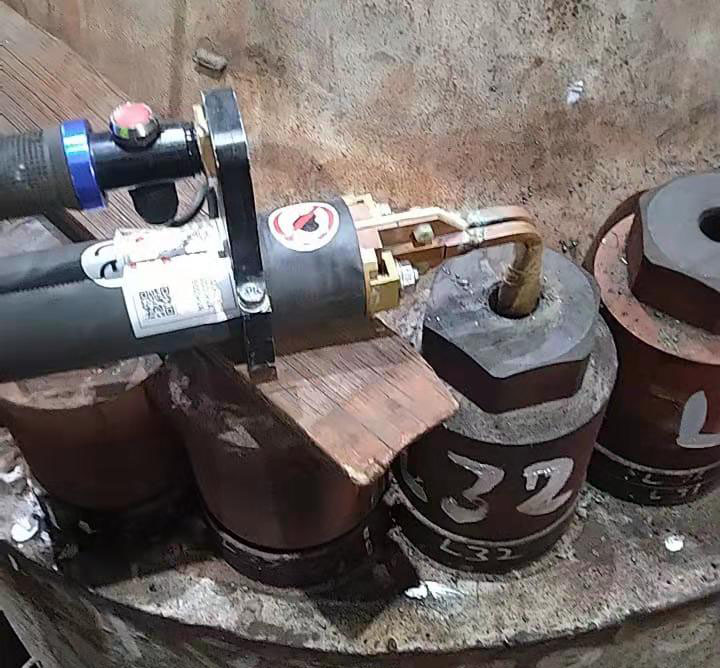
You wrap the flexible wire loop right around the stuck nut. Fast magnetic energy swells the outer metal shell quickly. This quick movement snaps thick rust layers right away. A magnetic heater speeds up exhaust work without harming nearby engine parts. You finish tough engine jobs safely in very little time.
Safe Heating Near Fuel Lines and Wiring Harnesses
Old gas torches cause big fire risks inside small engine spaces. Open flames quickly send extreme heat toward rubber hoses, plastic lines, and delicate electrical wires. Mechanics might start dangerous fires during basic repair work. You remove these dangerous shop risks by using precise magnetic tools.
The focused magnetic field heats only iron or steel parts inside the loop. Nearby non-magnetic rubber hoses, plastic clips, and copper wires stay safe during heating. You easily loosen frozen suspension bolts right next to flammable fuel lines. Using a calentador de inducción portátil guards sensitive car electronics while keeping your work moving fast.
Safe Operation and Maintenance Practices
Coil Selection and Alignment Guidelines
Picking the right coil size speeds up heating and protects coil covers. You must select a coil that leaves a small space around the stuck bolt. Touching hot metal directly burns the outer protective layer very fast.
| Tipo de bobina | Available Sizes | Selection & Usage Guidance |
|---|---|---|
| Pre-formed Coils | Over 30 sizes | Fit around the bolt with a small gap; do not touch metal directly. |
| Bearing Buddy Flexible Coils | 96” and 41” | Wrap 3-4 times around the target part to create the magnetic field. |
| U-Form Coils | 23” (shapable) | Bend around a socket matching the bolt size; wrap 3-4 times for best results. |
Proper coil position sends magnetic power right into the frozen bolt. You must place the target piece directly in the center of the loop. A closer gap boosts heat in that spot because current flows through a smaller area.
Iron metals must stay at least one coil width away from the heater to stop unwanted heating.
Thermal Protection and Long-Term Tool Care
Safe habits stop tool damage and protect shop workers from burns. You should use short heating bursts between 5 and 20 seconds long. Check the hot bolt between turns instead of running the tool nonstop.
- Wear safety glasses and follow the maker’s operating instructions carefully.
- Make sure the coil never touches the target part while heating.
- Check coils often and change any wire showing wear or a burnt smell.
Regular care keeps your magnetic tool ready for tough shop work. Simple upkeep prevents sudden tool breakdowns and keeps repairs moving along fast. You can set up a basic shop schedule to keep your tools heating well every day:
- Daily tasks: Clean tool surfaces and check air or water flow.
- Weekly tasks: Clean coil connectors and test the quick shutoff switch.
- Monthly tasks: Check fluid quality and inspect worn internal parts.
Upgrading from open flames to a modern induction bolt heater protects your auto shop from serious fire risks. High-efficiency Canroon systems speed up repair times significantly. Integrated temperature sensors offer real-time thermal monitoring during bolt removal. Built-in automatic shutoff systems provide overtemperature protection. The device powers down safely when internal temperatures exceed limits.
You select the right model by matching shop workload with required power output and flexible coil configurations. Technicians must clean coils regularly to maintain consistent heating performance. You should inspect the cooling system to prevent overheating and extend tool lifespan. Quality heating tools keep your shop safe and productive.
Preguntas frecuentes
Why should you choose an induction heater over an acetylene torch?
Induction heaters replace risky open flames around car parts with safer energy. High-frequency waves target rusted steel fasteners with great precision. You warm stuck bolts without scorching nearby fuel lines, wires, or rubber bushings. This tool stops fire risks while meeting OSHA safety rules easily.
How fast can an induction bolt heater heat a frozen nut?
Small portable tools heat metal parts to 800°C in under 20 seconds. Stronger 1800-watt models make a 5/8-inch bolt glow hot within 12 seconds. Fast local heat swells the outer nut and snaps tough rust bonds.
Can you use an induction heater on non-magnetic metals?
Induction tools perform best when heating iron and steel parts. The magnetic field targets magnetic metals to create fast heat. Non-magnetic metals react poorly to these high-frequency waves. You must check metal types before putting heating coils on car parts.
How do you prevent coil damage during daily repair jobs?
Choose a coil size that leaves a small gap around the target bolt. Direct contact with glowing metal burns protective covers very fast. Avoid running the machine without breaks. Use short heating bursts under 20 seconds to protect tool parts.