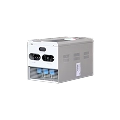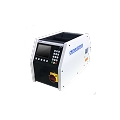





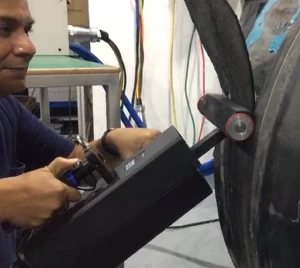
You need a way to take coatings off steel quickly and safely. Induction coating removal can do this for you. The process uses heat to make paint, rust, or other layers come off. It does not hurt the metal underneath. This method is good for the environment because it does not use strong chemicals. It also does not make dust. Canroon has smart tools that help you work better and safer.
Key Takeaways
- Induction coating removal uses heat to take off coatings from steel. It does not harm the metal under the coating. This method is good for the environment. It makes very little dust and does not use strong chemicals. This makes cleaning up easier. You need to get ready and wear safety gear before you start. Always check your equipment before you begin. Canroon’s portable induction heating systems have settings you can change for different jobs. This helps you work faster and better. Keep your tools in good shape and watch the heat levels closely. This gives you the best results and keeps the steel safe.
What Is Induction Coating Removal
Definition
Induction coating removal uses heat to take coatings off steel. A special machine makes a magnetic field. The steel gets hot very fast. The heat makes the coating let go of the steel. The coating comes off in flakes. You do not need chemicals or rough tools. This keeps the steel safe and clean.
- Induction heating makes the steel hot in certain spots.
- The coating stops sticking to the steel.
- The coating breaks into pieces you can pick up easily.
- The process is quick, neat, and safe.
Applications
Induction coating removal works in many fields. It is good for big steel things and machines. Here is a table that shows where it is used:
| Application Area | Industries Involved |
|---|---|
| Ships | Marine |
| Bridges | Infrastructure |
| Pipelines | Oil & Gas |
| Storage Tanks | Manufacturing |
| Offshore Platforms | Marine |
| Buildings | Infrastructure |
You can see this method used on ships, bridges, and pipelines. It also works on storage tanks, offshore platforms, and buildings.
Benefits
Induction coating removal has many good points compared to old ways.
- You do not use strong chemicals or blasting stuff.
- The process makes almost no dust or smoke.
- You can take off coatings fast and with less work.
- The method saves energy and makes less trash.
- You follow strict air and environment rules.
- Cleaning up is easier because there is less mess.
Tip: Induction coating removal lets you finish jobs faster and keeps your work area safer and cleaner.
Tools and Materials
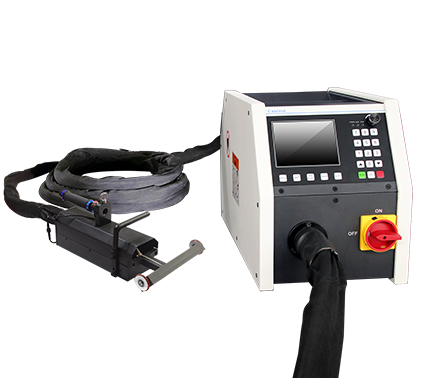
Equipo de calentamiento por inducción
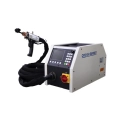
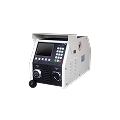
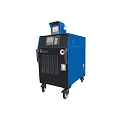
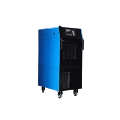
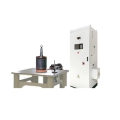
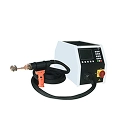
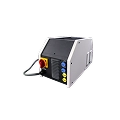
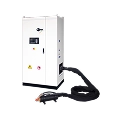
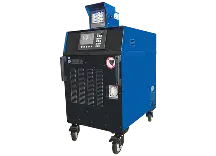
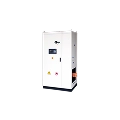
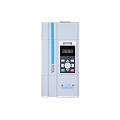
You need the right tools for induction coating removal. Canroon offers induction heating systems that make your job easier. These machines are portable and simple to use. You can carry them to different sites without trouble. The systems have interchangeable inductors. You can switch between spot heating, scanning, or freehand use. The equipment is lightweight and strong. You get advanced controls, like the i-Scan system, which changes heating settings as you work. This helps you get the best results every time.
- Portable design lets you move the system easily.
- Interchangeable inductors fit many tasks.
- Lightweight and durable build lasts a long time.
- i-Scan system adjusts heat for perfect removal.
- Controlled heat keeps fumes and dust low.
- Coating peels off in flakes for easy cleanup.
- Fast and accurate heat saves energy.
- Works up to 90% faster than other methods.
- No need for abrasives or blast media.
- Suitable for carbon steel, structural steel, and other metals.
Safety Gear
You must protect yourself during the process. Safety gear keeps you safe from heat and debris. Always wear gloves, safety glasses, and a face shield. Use a heat-resistant suit if you work with large surfaces. Make sure your shoes cover your feet and have non-slip soles. Ear protection helps if you work in noisy areas.
Tip: Check your safety gear before each job. Replace damaged items right away.
Other Materials
You need a few extra items to prepare and finish the job. Use brushes or scrapers to remove loose flakes. Keep a vacuum or broom nearby for cleanup. You may need a surface cleaner to wipe away any residue. Training helps you use the equipment safely. Most operators need a high school diploma or GED. Some jobs require a few months of experience. You get on-the-job training that lasts from a few days to a year.
| Requirement Type | Details |
|---|---|
| Education Level | High school diploma or GED |
| Experience | Some jobs need little or no experience |
| Job Training | On-the-job training from days to one year |
You now have the tools and materials to start induction coating removal safely and efficiently.
Induction Coating Removal Process
Preparation
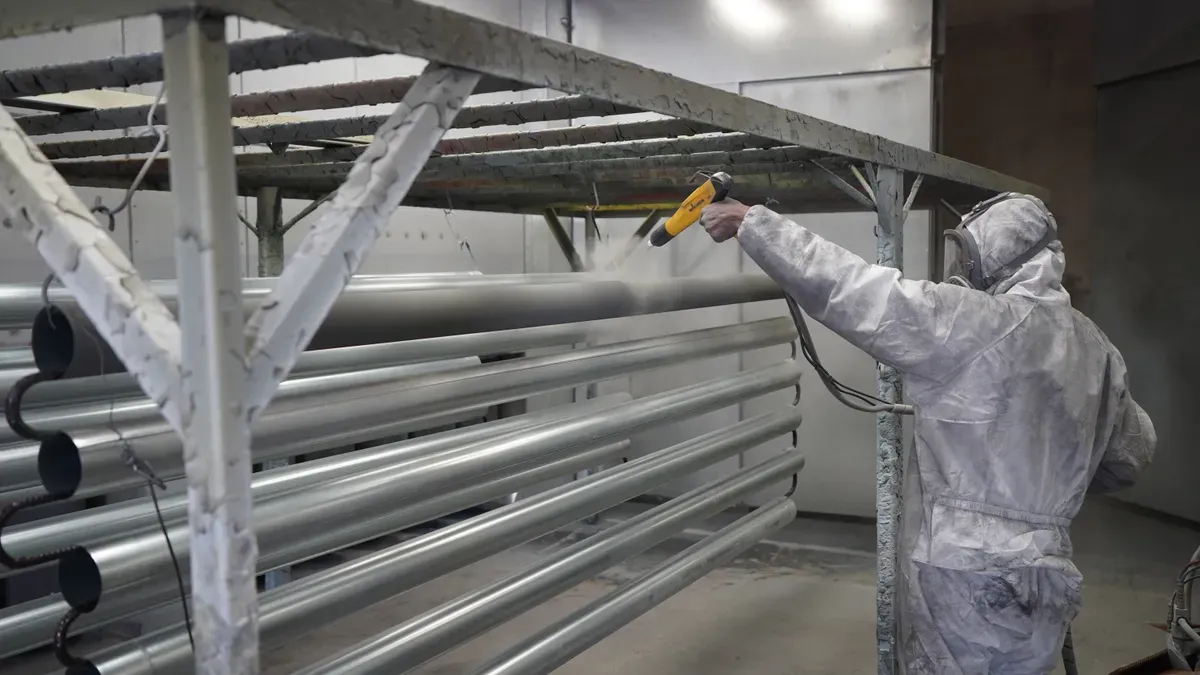
You start by getting your workspace ready. Clear the area around the steel surface. Remove any objects that could get in the way. Make sure you have all your tools and safety gear. Check your induction heating equipment. Look for any damage or loose parts. Plug in the machine and test it. You want to see if it heats up properly. Set up your safety gear. Put on gloves, safety glasses, and a face shield. Wear a heat-resistant suit if you work with large surfaces. Keep a fire extinguisher nearby. Make sure you have brushes, scrapers, and a vacuum for cleanup.
Tip: Always check your equipment before you begin. This helps you avoid accidents and keeps your job safe.
Surface Assessment
You need to look at the steel surface before you start. Check the type of coating. Some coatings are thick. Others are thin. Look for rust, paint, or other layers. Find out if the steel is carbon steel or structural steel. Examine the surface for cracks or dents. Write down what you see. This helps you choose the right settings on your induction heating system. If you see thick coatings, you may need to use higher heat. Thin coatings come off with less heat. You want to protect the steel underneath. Make sure you know the condition of the surface.
| Surface Feature | What to Check | Action Needed |
|---|---|---|
| Coating Thickness | Thin or thick | Adjust heat level |
| Surface Damage | Cracks or dents | Use gentle settings |
| Substrate Type | Carbon or structural | Select proper inductor |
Note: Careful assessment helps you avoid mistakes and keeps the steel safe.
Removal Methods
You use induction coating removal to take off paint, rust, or other coatings. Turn on your induction heating system. Place the inductor close to the steel surface. Move the inductor slowly over the area. The steel heats up fast. The coating starts to peel away. You see flakes forming. Use a scraper or brush to lift the loose coating. For thick coatings, use a higher heat setting. Move the inductor in a steady pattern. Do not rush. If you work with thin coatings, use lower heat. You can switch inductors for different shapes or sizes. If you see stubborn spots, repeat the process. Keep your hands away from hot surfaces.
Tip: Work in small sections. This gives you better control and keeps the steel safe.
Cleaning and Inspection
After you finish removing the coating, clean the area. Use a vacuum or broom to pick up flakes. Wipe the surface with a cleaner if needed. Look at the steel closely. Check for any leftover coating. Inspect the steel for damage. Make sure the surface is smooth and clean. If you see missed spots, repeat the removal process. You want the steel to look new. Record your results. Take photos if you need proof for your records.
| Step | Tool Needed | Result |
|---|---|---|
| Flake Removal | Vacuum or broom | Clean work area |
| Surface Wiping | Cleaner, cloth | No residue left |
| Inspection | Eyes, camera | Smooth, safe steel |
Callout: Clean and inspect your work. This ensures you meet quality standards and keeps your project safe.
You now know how to use induction coating removal for fast, safe, and clean results. You can handle thick coatings and different substrates with ease. Follow these steps for the best outcome.
Resolución de problemas
Incomplete Removal
Sometimes, some coating stays on the steel. This can happen if the heat is too low. It also happens if you move the inductor too quickly. Look for any flakes left behind. If the coating is thick, turn up the heat. Move the inductor slowly over tough spots. Use a scraper to help lift loose pieces. Do the process again if you need to. Changing how you work can fix this problem.
Tip: Try working on small areas at a time. This helps you control the process and see any spots you missed.
Surface Protection
It is important to keep the steel safe. Always check the heat before you begin. Pick the right inductor for your job. If the steel gets too hot, stop and let it cool down. Do not use too much heat on thin coatings. After each pass, look at the steel. Watch for bending or color changes. Use shields to protect other surfaces nearby.
| Problem | Solution |
|---|---|
| Overheating | Lower heat, pause work |
| Warping | Use gentle settings |
| Discoloration | Inspect, adjust heat |
Note: Watching your work closely keeps the steel safe and stops damage.
Equipment Issues
Sometimes, the induction heating system has problems. If it will not turn on, check the power first. Make sure all cables are tight and not broken. Clean the inductor before you start working. If the heat is not even, try a different inductor. Test the controls to see if they work right. Take care of your tools by doing regular checks.
- Make sure the power is connected.
- Look at cables and inductors for damage.
- Clean your tools before each job.
- Try out the controls and settings.
- Change any parts that are worn out.
Callout: Taking care of your tools helps you work without delays and keeps everything running well.
Tips for Best Results
Efficiency Advice
You can make your induction coating removal process faster and smoother with a few smart steps:
- Move the inductor slowly and evenly across the surface. This helps the heat reach all parts of the coating.
- Keep the work area clean. Remove flakes and debris as you go. This stops buildup and keeps the machine working well.
- Check the temperature often. The best results come when you keep the heat between 150 and 200 degrees. Watch for water loss from evaporation and add more if needed.
- Use proper agitation if you work with a stripping bath. Stirring the solution helps lift coatings off the steel.
- Clean out paint solids from the bath. Use a filter or centrifuge to keep the solution strong and effective.
Tip: Good preparation and regular checks help you finish jobs faster and avoid delays.
Safety Tips
You must keep safety first during every job. Induction coating removal keeps you out of tight spaces and away from dangerous chemicals. Here are some ways to stay safe:
- Wear gloves, safety glasses, and a face shield at all times.
- Use machines to do the hard work. This keeps you away from hot surfaces and moving parts.
- Work in clean areas with good airflow. The process makes almost no dust or smoke, so you breathe easier.
- Watch for hot spots and let the steel cool before touching it.
- Handle waste flakes with care. Dispose of them in a way that is good for the environment.
Note: Localized heat means less dust and noise. You stay safer and the work area stays cleaner.
Using Canroon Equipment
Canroon equipment helps you get the best results every time. You can switch inductors for different jobs. The i-Scan system adjusts heat for each surface. This means you do not have to guess the right setting. The machines are light and easy to move. You can use them in hard-to-reach places. The controls are simple, so you can focus on your work.
| Feature | Benefit |
|---|---|
| Interchangeable Inductors | Fits many surfaces |
| i-Scan System | Adjusts heat automatically |
| Portable Design | Easy to carry and set up |
| Fast Operation | Saves time on every project |
Callout: Trust Canroon tools for safe, fast, and clean induction coating removal.
You can get your projects done quickly and safely with induction coating removal. This method keeps your workspace tidy and protects the steel. You do not need harsh chemicals, so there is less dust. Canroon solutions make your work easier. You use digital controls and a cooling system built into the tools. The machines are simple to use. These tools work for many jobs, such as shipbuilding and pipelines. Pick Canroon for results you can trust and a cleaner environment.
Preguntas frecuentes
How does induction coating removal work?
You use a machine to heat steel. The coating gets loose and comes off in flakes. You do not need chemicals or blasting tools. This keeps the steel safe and clean.
Is induction coating removal safe for the environment?
You do not use harsh chemicals. You make less dust and waste. The process helps keep the air clean. You follow rules for the environment. Induction coating removal is good for nature.
What coatings can you remove with induction heating?
You can take off paint, rust, epoxy, and other coatings from steel. The method works on thick and thin layers. You change the heat for different materials.
Do you need special training to use induction equipment?
You need basic training to use induction heating safely. Most jobs want a high school diploma or GED. You learn while working and follow safety steps.