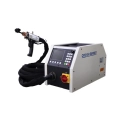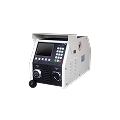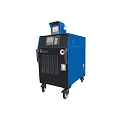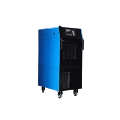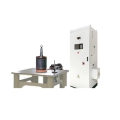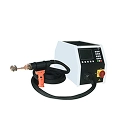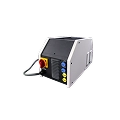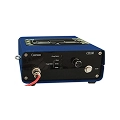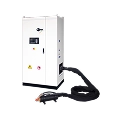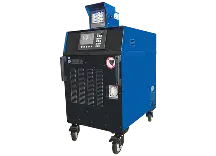





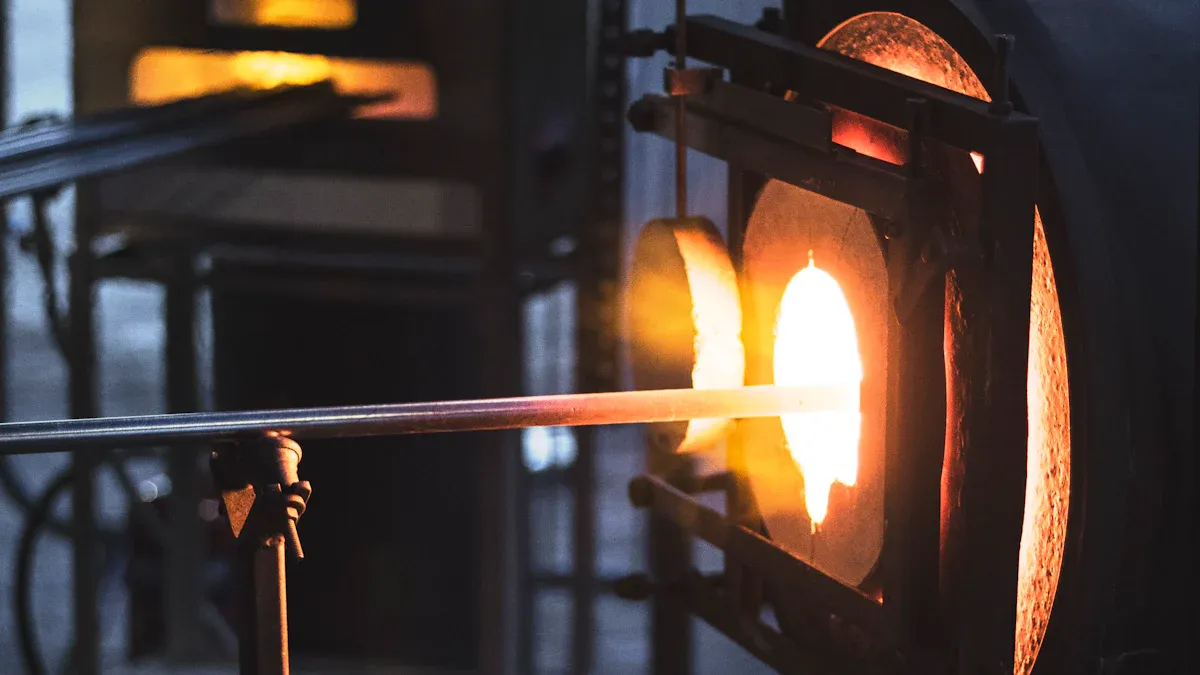
You might ask if a portable induction heater or a stationary system is better for you. The answer depends on what you need, how much flexibility you want, how efficient you want it to be, and how much money you have. Canroon knows a lot about both types and can help you choose the best one. When you pick a system, make sure to check for safety certifications and good customer support.
- High-voltage induction heating systems can work at more than 5kV.
- Always check that the system is isolated before doing maintenance.
- Follow lockout/tagout steps, as OSHA 29 CFR 1910.147 says.
Key Takeaways
- Pick a portable induction heater if you want more flexibility and fast setup. You can use it in many places and finish work faster.
- Choose a stationary induction heating system for more power and steady results. It works best for big jobs that you do in one place.
- Always look for safety certifications and good customer support when you buy an induction heating system. This keeps you safe and helps if you have problems.
- Think about how much you will spend at first and later. Portable systems usually cost less at the start, but stationary systems save money on big jobs.
- Look at what you need for your work. Use the checklist to see which system is best for you.
Key Differences
Portability and Mobility
Think about how easy it is to move your induction heating system. A portable induction heater lets you work in many places. You can carry it to different job sites or move it around a factory. This helps you finish work faster and keeps you safer. For example, in HVAC and refrigeration, you can make joints right where you need them. You do not have to move heavy parts to a fixed spot. In power generation, you can reach small spaces and lower fire risks. Electric motor repair is easier because you can heat parts without taking the motor apart.
Here is a table that shows the main differences in portability and mobility:
| Application Area | Portable Induction Systems Benefits | Stationary Induction Systems Limitations |
|---|---|---|
| HVAC and Refrigeration | Lets workers make joints on the floor, so they can move around. | Needs parts moved to a fixed heating station. |
| Power Generation and Distribution | Gets into tight spaces and lowers fire danger from old ways. | Hard to reach tight spaces, which can be less safe. |
| Electric Motor Repair | Heats parts while the motor stays together, so it is more flexible. | Often needs the equipment taken apart for heating. |
Installation Needs
Portable induction heaters are easy to set up. You just plug them in and start working. You do not need to build a special area or use heavy machines. This saves time and money. Stationary systems need more planning. You must set up a fixed spot and connect it to power and cooling. This takes longer and costs more. Pick a portable induction heater if you want fast setup and easy moving.
Flexibility in Operation
A portable induction heater works for many jobs. It is good for repairs, field work, and small batches. You can switch jobs quickly. Stationary systems are best for jobs that are the same every day. They handle big jobs and repeat tasks very well. Pick a stationary system if you need steady heating for large projects in one place.
Tip: If you need to work in many places or do many kinds of jobs, a portable induction heater gives you more choices and saves time.
Performance Comparison
Heating Efficiency
You want your induction heating system to work fast and use less energy. Both portable and stationary systems use electromagnetic fields to heat metal parts. This way heats only the part you need. It is very efficient. Portable induction heaters are good for small jobs and quick repairs. You can use them for rust removal, soldering, or heating bolts. They heat up fast and waste little energy. You do not have to wait long for them to warm up.
Stationary induction heating systems are even more efficient for big projects. These systems can handle large parts and long heating times. They give steady heat for jobs like heat treating or manufacturing. The system keeps the temperature stable. You get the same results every time. This makes stationary systems a smart choice for factories and workshops.
Note: If you need to heat many parts the same way every day, a stationary system will help you save time and energy.
Power and Precision
You should check power output and precision when picking a system. Portable induction heaters give moderate power and high precision. You can move them to different places and use them for many jobs. They are best for tasks that need quick setup and careful control.
Stationary induction heaters give high power and high precision. You can use them for big jobs that need strong and steady heat. These systems work well for heat treating, brazing, and other industrial processes.
Here is a table that shows the differences:
| Type of System | Power Output | Precision | Applications |
|---|---|---|---|
| Portable Induction Heaters | Moderate | High | Good for mobile tasks like rust removal and soldering |
| Stationary Induction Heaters | High | High | Best for large jobs like heat treating and manufacturing processes |
Pick a portable induction heater if you need to move your equipment and finish jobs quickly. Choose a stationary system if you want more power and need to heat large parts with the same results every time.
Portable Induction Heater Applications
Typical Use Cases
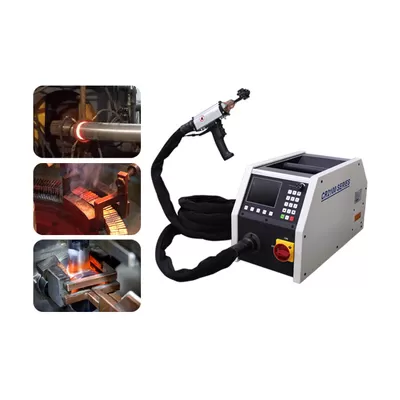
You can use a portable induction heater for many jobs. It works in factories and out in the field. This tool helps you finish work faster and keeps you safer. Here are some ways people use it:
- Bolt expansion and removal: You heat stuck bolts so you can take them out.
- Shrink fitting of components: You make parts bigger to fit them together without breaking them.
- Pipeline repair and maintenance: You heat pipes before welding or fixing them, so you do not have to move heavy pipes.
- Pre-weld and post-weld heating: You control the heat for welding in the field, which helps stop cracks and other problems.
- Railway and track maintenance: You heat rail joints to fix them fast without taking the tracks apart.
A portable induction heater is flexible. You can take it to different places and use it for many jobs. This saves time and means you do not need lots of extra tools.
Safety and Efficiency Benefits
A portable induction heater gives you safety and efficiency benefits. It heats only the part you want, so you do not waste energy. You can save 5% to 20% compared to electric heating, and over 65% compared to gas heating. The surface stays cooler, so burns and fires are less likely. This is important if you work in small spaces or near other people.
Cleaning is simple. The smooth surface does not let spills burn on, so you can wipe it clean fast. You also feel better when your system has safety certifications. Canroon makes portable induction heaters that meet strict safety rules. You can get help from their support team if you have questions or problems.
Tip: Always look for certifications and good customer support before you buy a portable induction heater. This keeps you safe and helps your work go well.
Stationary System Applications
Industrial Use Cases
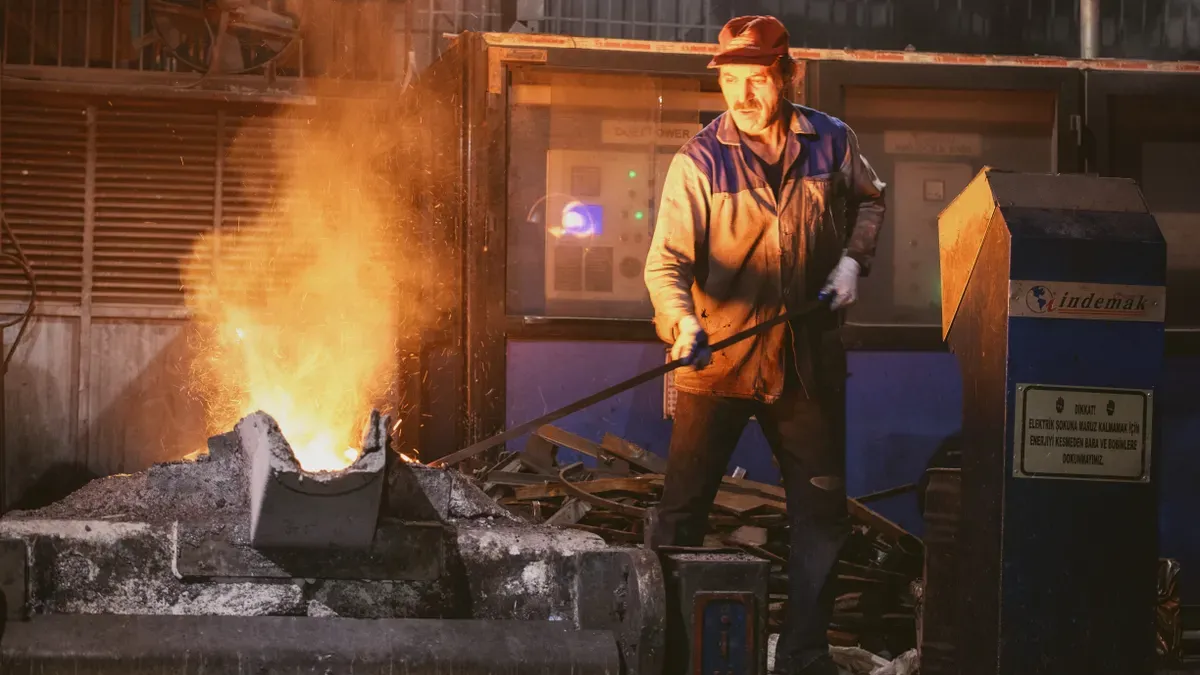
Stationary induction heating systems are used in many industries. These systems are best when you need the same results every time. They are good for jobs that need strong power and careful control. Here are some common ways people use them:
- Heat treating metal parts to make them stronger or harder.
- Forging means heating metal before you shape it.
- Melting metals for casting or recycling jobs.
- Surface hardening helps metal parts last longer.
- Preheating metal before welding stops cracks from forming.
- Heating tubes and pipes makes bending or joining easier.
The table below explains each job:
| Industrial Application | Description |
|---|---|
| Heat Treating | You can make metal harder, softer, or change its properties. |
| تزوير المعادن | You heat metal so it is easier to shape or form. |
| Melting | You melt lots of metal for casting or recycling. |
| Surface Hardening | You harden just the outside of a metal part for more strength. |
| Preheating for Welding | You heat metal before welding to stop sudden temperature changes. |
| Tube and Pipe Heating | You heat tubes and pipes for bending or welding work. |
Note: Stationary systems give steady results. This is important for factories and workshops.
Advanced Features
Stationary induction heating systems have special features to help you work better. You can set the exact temperature and control how long things heat. Many systems show numbers on screens and let you program settings. This helps you do the same job again and again.
Some systems cool themselves and shut off if there is a problem. You can watch the process with sensors and alarms. These features keep you and your equipment safe. Some systems connect to computers for tracking and saving data.
Stationary systems can handle big parts and long jobs without slowing down. They are good for making lots of things at once. If you want reliable results and more control, a stationary induction heating system is a smart choice.
Cost and Maintenance
Initial Investment
You need to think about how much money you will spend at the start. A portable induction heater usually costs less than a stationary system. You can buy one and use it right away. You do not need to build a special area or buy extra equipment. Stationary systems cost more because they are bigger and need more setup. You may need to pay for installation, wiring, and cooling systems. If you want to save money at the start, a portable system is a smart choice.
Operating Costs
You should look at how much it costs to use each system every day. Portable induction heaters use less power for small jobs. You can move them to different places, so you do not waste energy. Stationary systems use more power, but they work better for big jobs. They can heat many parts at once. This saves time in factories. You should pick the system that matches your work size.
Here is a table to help you compare:
| System Type | Start-Up Cost | Daily Power Use | Best For |
|---|---|---|---|
| Portable | Low | Low | Small, quick jobs |
| Stationary | High | High | Large, repeat jobs |
الصيانة والدعم الفني
You want your system to last a long time. Portable induction heaters need simple care. You should clean them and check the cables. Stationary systems need more care because they have more parts. You may need to call a technician for help. Always check for safety certifications before you buy. Good support makes your work easier. Canroon gives you help with both types. You can call their team for advice or repairs. They offer training and answer your questions. This keeps your work safe and smooth.
Tip: Choose a system with strong customer support and safety certifications. This protects your investment and helps you work with confidence.
Pros and Cons
Portable Systems
Portable induction heating systems have many good points. You can move them from one place to another easily. They help you finish jobs faster because they heat things quickly. Most of the energy goes right into the metal part, so you do not waste power. The heat stays in one spot, so you are less likely to hurt other parts. This makes your work safer.
But there are some problems too. Portable systems usually cost more at first than other heaters. You need trained people to set up and take care of the equipment. Induction heating does not work well with every material. It works best with metals that carry electricity. If you do not set up the system right, the heat might not spread evenly. Sometimes, these systems can mess with electronics nearby if you do not block them.
Tip: Always make sure your workpiece is right for induction heating before you start.
Here is a summary of the main pros and cons:
| Advantage | Description |
|---|---|
| Speed | You heat materials quickly and finish jobs faster. |
| Energy Efficiency | Most energy goes into the part, so you save power. |
| Safety | Focused heat lowers the risk of damaging parts. |
| Mobility | You can move the system to different locations easily. |
| Disadvantage | Description |
|---|---|
| High Initial Costs | You pay more upfront than for other heating methods. |
| System Complexity | You need trained workers for setup and maintenance. |
| Material Compatibility | Only works well with conductive metals. |
| Potential for Uneven Heating | Poor setup can cause uneven heat. |
| Electromagnetic Interference | Can affect nearby electronics if not shielded. |
Stationary Systems
Stationary induction heating systems give strong and steady heat. You can use them for big jobs that need the same results each time. These systems can heat large parts for a long time without stopping. You get special features like exact temperature control and safety alarms. This makes them a smart pick for factories and workshops.
But there are some downsides. Stationary systems cost more to buy and set up. You cannot move them around easily. You need a special place and setup for them. Taking care of them can take more time and may need an expert.
Note: Pick a stationary system if you want steady results for big or repeat jobs.
Comparison Table
| Feature | Portable System | Stationary System |
|---|---|---|
| Mobility | High | Low |
| Initial Cost | Moderate to High | High |
| Setup Time | Short | Long |
| Power Output | Moderate | High |
| Precision | High | High |
| Application Flexibility | High | Low to Moderate |
| الصيانة | Simple | Complex |
| Best For | Field work, repairs, small jobs | Large, repeat, industrial jobs |
Decision Guide
Selection Checklist
You want to choose the right induction heating system for your job. Use this checklist to help you decide. Think about each point and see which system fits your needs best.
| Criteria | Portable Induction Heating Systems | Stationary Induction Heating Systems |
|---|---|---|
| Portability | Can be moved to different locations | Fixed in one location |
| Application Fit | Suitable for various job sites | Best for large, repetitive jobs |
| Safety Features | Automatically turns off if overheating | Steady heat, but less portable |
| Surface Temperature | Stays cool to touch | Can get hot, requires caution |
| Cleaning | Easy to clean, no smoke | May require more maintenance |
| Space Constraints | Suitable for small spaces | Requires more space |
| Initial Investment | Lower initial cost | Higher initial cost |
| Energy Efficiency | Good for small, quick jobs | Best for high-volume tasks |
| الصيانة | Simple care, easy to check | Needs more care, may need technician |
Tip: Always check for safety certifications before you buy. Certified systems meet strict rules and help you avoid costly problems. Non-certified systems can cause delays and extra costs.
Application Flowchart
You can use this flowchart to help you pick the right system. Follow each step and answer the questions to see which system matches your needs.
- Do you need to move your heater to different job sites?
- Yes → Go to Step 2.
- No → Go to Step 3.
- Do you work in small spaces or need to heat parts in the field?
- Yes → Portable Induction Heating System is best for you.
- No → Go to Step 3.
- Do you need to heat large parts or do the same job many times?
- Yes → Stationary Induction Heating System is best for you.
- No → Go to Step 4.
- Do you want a lower starting cost and simple setup?
- Yes → Portable Induction Heating System is a good choice.
- No → Stationary Induction Heating System may fit your needs.
Note: Energy efficiency matters. Induction heating sends energy straight to the part you want to heat. This saves power and lowers your bills. Some systems reach up to 90% efficiency, which means less waste and a smaller carbon footprint.
Canroon Recommendations
Canroon wants you to get the best results from your induction heating system. Here are some key points to remember:
| Feature | Stationary Induction Heater | Portable Induction Heater |
|---|---|---|
| Space Constraints | Needs more space | Good for small spaces |
| Mobility | Fixed location | Easy to move |
| Typical Applications | High-volume, repeat jobs | On-site, smaller, or field jobs |
- Choose a stationary system if you work in a factory, need to heat large parts, or do the same job many times.
- Pick a portable system if you need to move your equipment, work in tight spaces, or do repairs in the field.
Safety First: Always use safety features like emergency stops, door interlocks, and cooling checks. Keep metal objects and credit cards away from the coil. If you have a pacemaker, stay clear of the equipment.
- Look for systems with strong customer support and a good warranty. Canroon offers training, fast help, and answers to your questions. This keeps your work safe and smooth.
- Industry certifications show that your system meets safety and performance standards. Certified systems help you avoid delays and extra costs. They also use less energy and help protect the environment.
Checklist for Final Decision:
- Do you need to move the system often?
- Do you work in small or large spaces?
- Do you need high power for big jobs?
- Is energy efficiency important for your work?
- Do you need fast customer support and a good warranty?
- Does the system have the right safety certifications?
✅ If you answer these questions, you will find the best induction heating system for your needs.
You should think about how easy it is to move the system. Portable systems are tough and can handle hard jobs. They are made so you can change parts for different tasks. Stationary systems work well with machines and keep the process the same every time. The table below explains these points:
| Factor | Description |
|---|---|
| Mobility | Portable systems are easy to move for fast fixes. |
| Logistical Complexity | Portable systems make setup and moving simple. |
| Ruggedness | Strong designs are good for service work. |
| Modular Design | You can change setups for many jobs. |
| Automation | Stationary systems help factories work faster. |
| Process Controls | Fixed systems give steady results every time. |
To pick the best system, follow these steps: First, make sure the coil fits your part’s shape. Next, check how well the coil works with your part. Then, look at what your workplace needs. Decide if you want to watch the process as it happens. Last, ask an expert for help.
Use the guide to help you choose. Canroon gives certified systems and good support.
الأسئلة الشائعة
What is induction heating?
Induction heating warms up metal parts using electromagnetic fields. You do not need fire or to touch the part. This way is quick and saves energy.
Can you use portable induction heaters for all metals?
Portable induction heaters work on metals that let electricity flow, like steel or copper. If a material does not conduct electricity, induction will not heat it.
How do you keep induction heating systems safe?
Always follow safety steps. Make sure the system has safety certifications. Wear safety gear when you use it. Keep metal things and electronics away from the coil. Ask an expert if you are not sure what to do.
What maintenance does an induction heating system need?
Clean the system often. Look at the cables and connections to make sure they are okay. For stationary systems, have a professional check them sometimes. Taking care of your system helps it last longer and work better.